
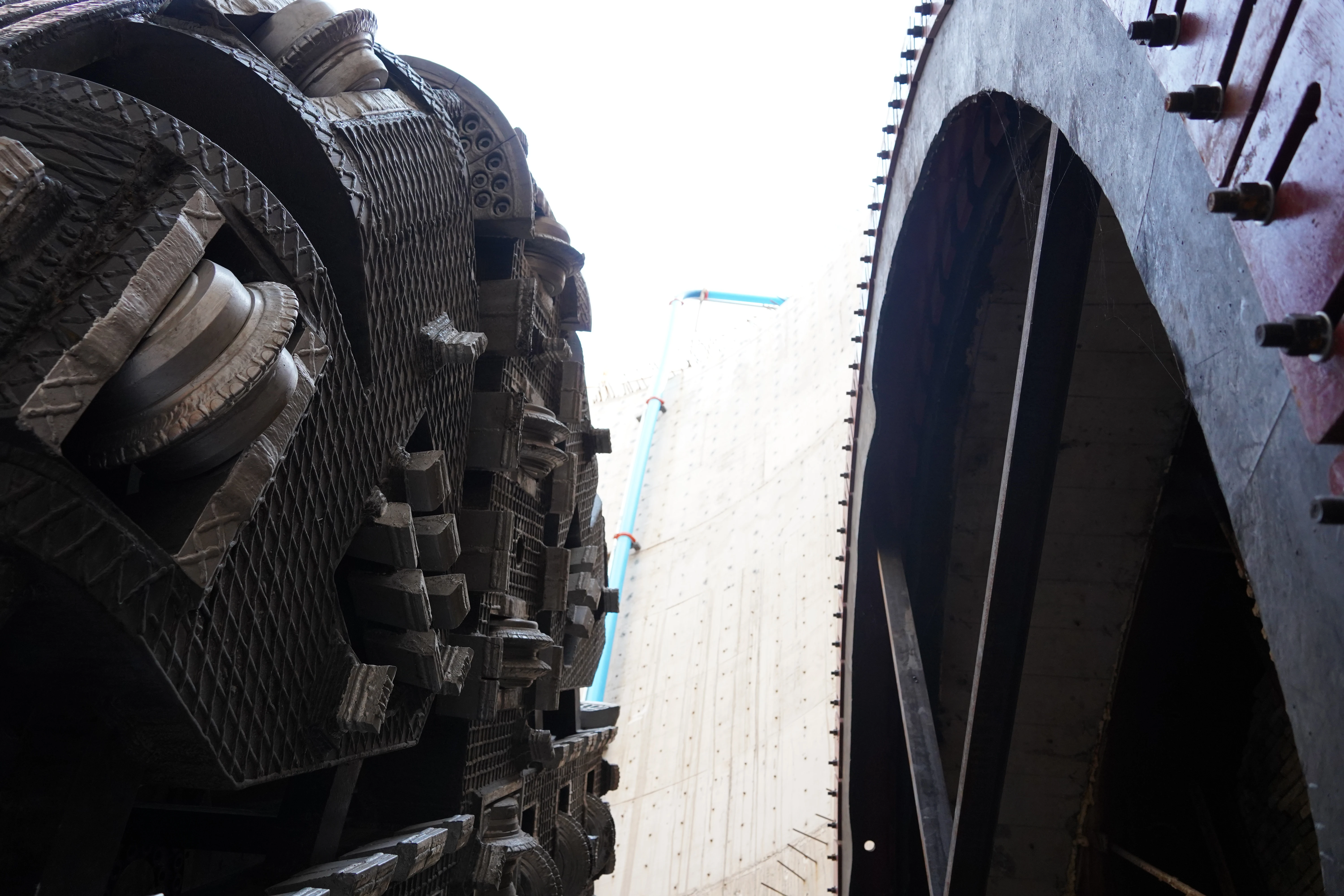
You can see that coated surfaces can lower wear on a TBM machine, providing significant benefits for tunneling operations. CEGC offers advanced solutions to protect the cutterhead in hard ground conditions. By using coated surfaces, you reduce friction and minimize material loss, ensuring the cutterhead experiences less bending and slower wear rates. In urban environments, downtime can account for as much as 70-80% of the total project time, making wear reduction crucial.
|
Statistic |
Description |
|---|---|
|
70-80% |
Downtime is 70-80% of all project time in TBM work. |
-
Coated surfaces can lower wear on a TBM machine by creating a smoother cutterhead surface.
-
With CEGC’s technology, the cutterhead lasts longer and requires fewer repairs in hard ground.
-
Coated surfaces can lower wear on a TBM machine even when the cutterhead encounters mixed ground conditions.
-
The cutterhead delivers improved performance in challenging ground thanks to these coatings.
-
Coated surfaces can lower wear on a TBM machine and extend cutterhead life in urban tunneling projects.
-
Cutterhead downtime is reduced when coated surfaces can lower wear on a TBM machine.
-
Maintenance needs for the cutterhead decrease in tough ground with CEGC’s coated solutions.
-
Coated surfaces can lower wear on a TBM machine and reduce cutterhead costs per meter advanced.
-
The cutterhead maintains reliable performance in variable ground conditions.
-
With CEGC’s coated surfaces, you can control cutterhead wear in microtunnelling machines, especially in city ground.
Key Takeaways
-
Coated surfaces help the TBM cutterhead last longer and need fewer fixes. Using the best coating for your cutterhead, depending on the ground, makes it work better and faster. Checking the cutterhead often helps find wear early, so it works well and does not stop as much.
Coated Surfaces in TBM Machines
What Are Coated Surfaces
When you look at a tunnel boring machine, you see coated surfaces on the cutterhead and cutting tools. These surfaces have special materials that cover the metal. The coating works like a shield. It keeps the cutterhead safe from rough ground. It also helps the cutting tools stay strong. Some coatings are tungsten carbide, titanium nitride, and ceramics. Each one gives a different level of strength and wear resistance. Tungsten carbide is good for hard ground. Titanium nitride protects against wear and keeps the cutterhead smooth. Ceramics help stop damage from scraping and hits. The cutterhead and tool design decide which coating is best. Using the right coating gives your tunnel machine the best protection.
Why Use Coatings in Tunnel Boring Machines
There are many reasons to use coatings on the cutterhead and cutting tools. Coatings help the cutterhead last longer in tough ground. They make the cutting tools wear out slower and need less fixing. You spend less time on repairs and more time digging. Coatings also make the tunnel walls smoother. This helps the tunnel stay safe and strong. You can avoid stopping work and finish the project on time. The cutterhead and tool design help you pick the best coating for each ground type. You get better protection and performance. CEGC has solutions for your project needs. You can change the design for different ground and cutterhead jobs. With coated surfaces, you control cutterhead wear and keep your tunnel boring machine working well.
Tip: Pick the best coating for your cutterhead and cutting tools by looking at the ground and your project plan. This helps you get the best wear resistance and keeps your tunnel machine working well.
How Coated Surfaces Can Lower Wear on a TBM Machine
Protective Barrier Against Wear
A tunnel boring machine needs strong protection in hard ground. Coated surfaces give the cutterhead a shield. This shield sits between the cutterhead and rough ground. It stops sharp rocks and soil from scratching the metal. The cutterhead wears down less and lasts longer.
Coated surfaces use smart ways to protect the cutterhead. Some coatings have tiny capsules inside. These capsules hold healing agents. When cracks form, the capsules break and fill the cracks. Other coatings have small channels made by 3D printing. These channels send healing agents to broken spots again and again. Some coatings have special bonds. These bonds break and heal when heated or stressed. They help the cutterhead fix small damage in tough ground.
Here is a table that explains how these methods work:
|
Mechanism Type |
Description |
Pros |
Cons |
|---|---|---|---|
|
Microencapsulation |
Healing agents are inside tiny shells and come out when cracks form. |
Heals well, over 90% strength returns |
Only works once in each spot; hard to use for thick parts. |
|
Vascular networks |
3D-printed channels send healing agents to damaged areas many times. |
Can heal more than once |
Hard to make; channels can get blocked. |
|
Diels-Alder adducts |
Bonds break and join again with heat at certain temperatures. |
Good for TBM heat cycles |
N/A |
|
Hydrogen bonding networks |
Bonds break under stress but come back together when resting. |
N/A |
N/A |
|
Metal-ligand coordination |
Crosslinks let healing happen at room temperature. |
N/A |
N/A |
|
Disulfide exchange |
Bonds swap places, letting the network change and heal. |
N/A |
N/A |
These coatings do more than just cover the cutterhead. They give active protection and help it last longer. CEGC uses these smart coatings in their systems. You get less downtime and more time digging tunnels. You also save money because you replace parts less often.
Enhanced Hardness and Friction Reduction
You want your cutterhead to stay strong and smooth in all ground. Coated surfaces make the cutterhead harder. Hard coatings like nickel-based tungsten carbide and chromium alloys add toughness. They stop the ground from wearing away the cutterhead. This means less wear and better protection for your machine.
Coated surfaces also lower friction. Less friction helps the cutterhead move through ground easier. You use less energy and keep digging fast. Some coatings, like diamond-like carbon and ceramic coatings, make the surface very smooth. This smoothness helps the cutterhead cut through sticky or rough ground without slowing down.
Here is a table that shows how coatings help with friction and hardness:
|
Coating Type |
Contribution to Friction Reduction |
|---|---|
|
Diamond-like carbon (DLC) |
Cuts down friction and wear, so inserts last longer and you need fewer cutter changes. |
|
Ceramic coatings |
Made to lower friction and wear, making cutters work better. |
|
Coating Type |
Contribution to Hardness and Friction Reduction |
|---|---|
|
Nickel-based tungsten carbide |
Makes the cutter tougher and stops it from wearing out, so cutter rings last longer. |
|
Chromium and molybdenum alloys |
Help stop wear and rust, especially in high-friction places, so tool surfaces last longer. |
|
Diamond-like carbon (DLC) |
Made to greatly lower friction and wear, so inserts last longer and you need fewer cutter changes. |
|
Coating Process |
Effect on Material Properties |
|---|---|
|
Makes the surface harder and more even inside, so it gets stronger and tougher when there is a lot of friction. |
|
|
Grain refinement |
Makes the cutter stronger and tougher, so it lasts longer in hard conditions. |
You get the best results with protective wear plating on your cutterhead. This plating adds another layer of defense. It keeps the cutterhead safe from the hardest ground. Your cutting tools also get more protection.
When you use CEGC’s coated surfaces, you fix many problems. You lower cutterhead wear, keep digging at a steady speed, and save money per meter. You spend less time fixing things and more time working. You also get good protection for your tunnel machine in any ground.
Tip: Always check the ground before picking a coating. The right coating gives the best protection and helps your cutterhead last longer.
Performance Impact and Cutterhead Wear
Improved Cutting Efficiency
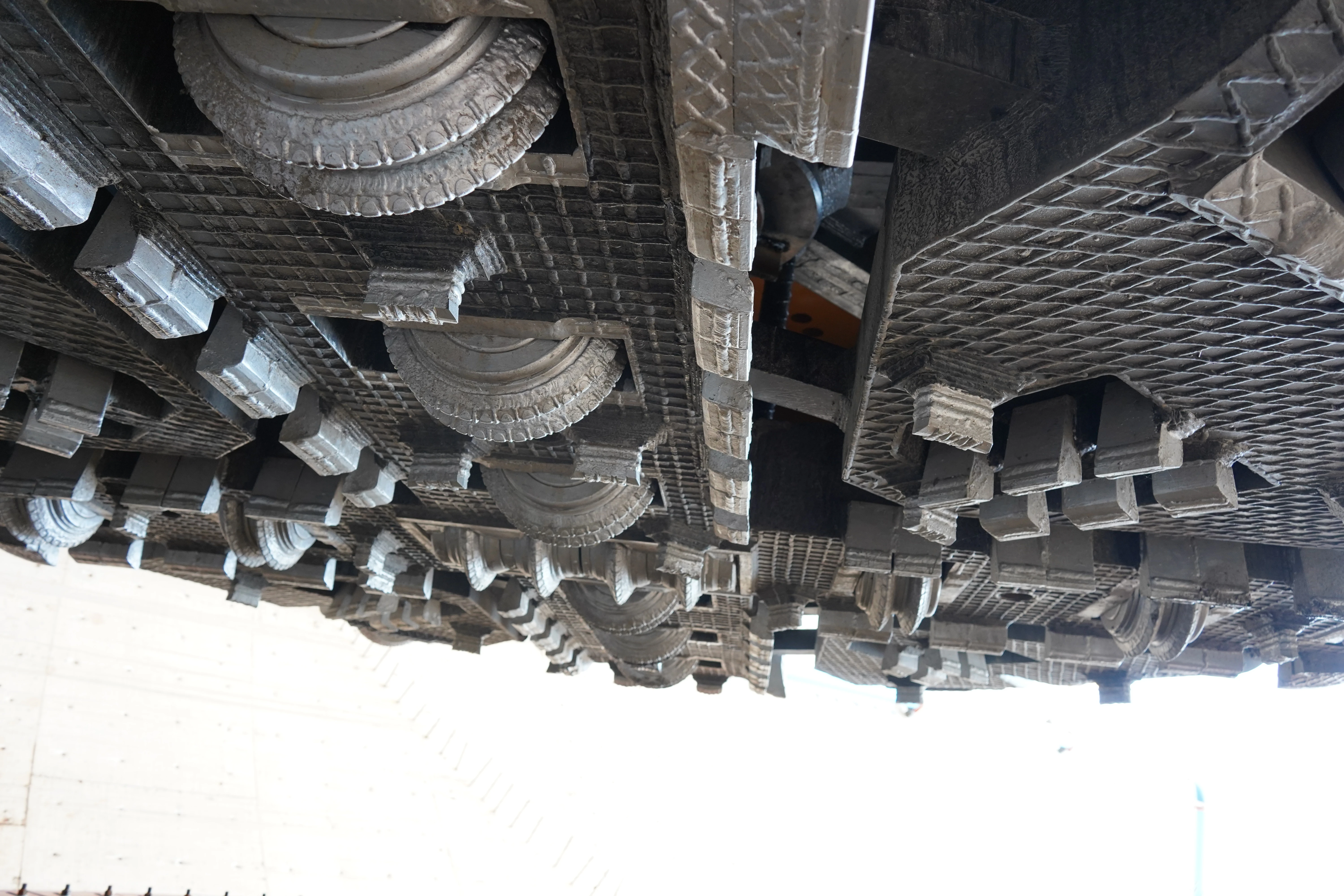
You want your tunnel boring machine to move through the ground quickly and safely. Coated surfaces help you reach higher cutting efficiency. When you use the right coating on the cutterhead, you reduce friction. This lets the cutterhead move smoothly, even in tough ground. You see less resistance, so the machine uses less energy. The cutterhead design also plays a big role. A smart cutterhead design with coatings keeps the cutting edge sharp. You get faster progress and better results. CEGC’s solutions focus on matching the coating to the ground. This means you keep high cutting efficiency from start to finish.
Maintenance and Cost Considerations
You save time and money when you control cutterhead wear. Coated surfaces protect the cutterhead from damage. You do not need to stop as often for repairs. This means less downtime and more work done. You also spend less on new parts. The cutterhead lasts longer, so you replace it less often. You should check the cutterhead regularly. Look for signs of cutterhead wear and plan maintenance before problems grow. Choose coatings that fit your cutterhead design and the ground you face. CEGC helps you pick the best options for your tunnel machine. You get a strong cutterhead, steady cutting efficiency, and lower costs per meter.
Tip: Keep a maintenance log for your cutterhead. This helps you spot cutterhead wear early and keep your tunnel machine running at top cutting efficiency.
You can lower cutterhead wear with coated surfaces. You help your cutterhead last longer and work better. You save money on cutterhead repairs. You should check your cutterhead often. You can pick coatings that fit your cutterhead and project. CEGC gives you cutterhead solutions for every cutterhead need.
FAQ
How do coated surfaces help your cutterhead last longer?
You protect your cutterhead from hard ground with coated surfaces. These surfaces reduce wear and keep your cutterhead strong. You spend less time fixing your cutterhead.
When should you check your cutterhead for wear?
You should check your cutterhead before each shift. You also need to check your cutterhead after digging through hard or mixed ground. This keeps your cutterhead working well.
Can you use the same coating for every cutterhead?
You should not use the same coating for every cutterhead. You must match the coating to your cutterhead and the ground. This gives your cutterhead the best protection.


