
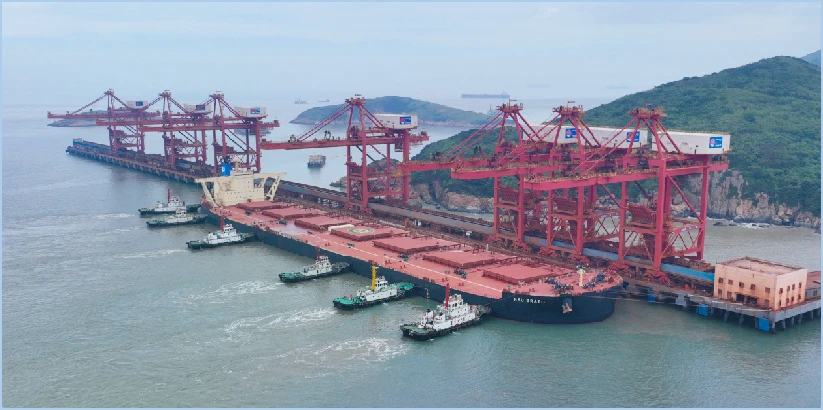
You want to solve container crane: cut “near latch” alarms fast. You must never ignore safety. Always follow all terminal rules. CEGC gives you reliable solutions for container crane: cut “near latch” alarms fast. You can trust container crane: cut “near latch” alarms fast methods to work quickly. Container crane: cut “near latch” alarms fast, stay safe, and keep moving.
Key Takeaways
-
Find out what causes alarms by looking at hooks and latches. Checking often helps stop alarms that are not real.
-
Use fast steps to reset alarms. Always make sure it is safe before you clear alarms. This keeps workers safe.
-
Do safety checks every day and give training often. This helps everyone stay safe and lowers dangers.
Cut Near Latch Alarms Fast on Container Cranes
Identify Alarm Triggers
You must know what starts a near latch alarm. Most alarms happen because of problems with the hook or latch. Sometimes, the way you use the equipment causes alarms. If the hook does not close all the way, the alarm will go off. If the latch spring is broken, the alarm will trigger. Moving the load too fast or unevenly can make the load sway. This makes the system think the hook is not safe. Different operators may cause more alarms. Not following safety steps can lead to accidents and more alarms.
Always check the operator HMI for alarm messages. CEGC equipment shows real-time status and gives you steps to follow. This helps you find the issue quickly. Use the anti-sway system to stop load movement. This keeps the hook steady and lowers false alarms. If alarms happen often, check the hook, latch, and moving parts for damage.
Tip: Always use the crane manual for alarm codes and troubleshooting. Do not guess or skip any steps.
Quick Reset Steps
You can reset most near latch alarms fast if you follow the steps. First, stop crane work and make sure the area is safe. Look at the hook and latch for problems. If the hook is bent or the latch does not close, do not keep working. Tell maintenance about the issue.
Next, use the operator HMI to clear the alarm. Some CEGC equipment lets you reset alarms from the panel. If the alarm stays, try opening and closing the hook. Make sure the latch snaps shut. If the alarm still shows, look for debris or blockages in the hook area.
Never bypass safety features or interlocks. Always follow safety rules to stop accidents. Careful checks protect workers and keep standards high. Following safety rules lowers risks with crane work. OSHA guidelines help prevent serious accidents.
If you cannot clear the alarm, call technical support. CEGC gives remote help for fast fixes. Always write down what you do. This helps maintenance teams spot patterns and stop future alarms.
Troubleshooting Persistent Alarms
If near latch alarms keep happening, check everything closely. Start with a full inspection of your equipment. Use this checklist:
-
Look at hooks and bottom blocks for bends or cracks. The throat opening should not change more than 10% each day.
-
Make sure the latch closes all the way. The spring should work well. The retaining nut or cotter must be in place.
-
Test hook rotation and sheaves. The hook should turn easily. Sheaves must move smoothly. Grooves should not be damaged. Guards must be there. ID tags should be present.
|
Component |
Maintenance Tips |
|---|---|
|
Hooks & Bottom Block |
Make sure there are no bends or cracks; throat opening must stay within limits (≤ ~10% change daily). |
|
Latch & hardware |
Check that the latch closes fully, spring works, and nut/cotter is in place. |
|
Rotation & sheaves |
Make sure the hook turns freely, sheaves move smoothly, grooves are not damaged, guards are there, and ID tags are present. |
Check how you operate the crane. Fast or rough moves can cause load sway and alarms. Use the CEGC anti-sway system to keep loads steady. This system helps you place containers exactly and saves time. Make sure all operators get training on safety features and steps. This keeps your team ready for anything.
If alarms keep coming back, plan a full maintenance check. CEGC equipment supports predictive maintenance and remote help. These features help you find problems before they stop your work. Always follow terminal safety rules and never skip safety systems.
Note: Regular maintenance and operator training are the best ways to stop alarms and keep your equipment safe.
Safety and Terminal Safety Rules
Essential Safety Checks
Start each shift by thinking about safety. Look at your container crane for any damage or wear. Check the hooks, latches, and cables for problems. Make sure all safety interlocks work right. The operator HMI will show safety alerts if there are any. Test emergency stops and alarms before moving a load. This keeps you and your team safe from harm. Always look for things that could cause cargo theft or hurt truck drivers. If you find a problem, report it right away. Never skip these safety checks. They help you follow terminal safety rules and keep everyone safe.
Following Terminal Safety Rules
You need to know and follow all terminal safety rules. These rules keep you safe and stop accidents. CEGC makes container cranes with many safety systems. These systems help you avoid mistakes and keep things running safely. Always wear the right gear and stay in safe areas. Training helps you learn how to use safety features. The table below shows best ways to handle alarms and follow terminal safety rules:
|
Best Practice |
Description |
|---|---|
|
Robust Alarm Philosophy |
Set clear rules for alarms and how to handle them. |
|
Continuous Monitoring |
Watch alarm systems all the time to keep safety high. |
|
Cybersecurity Integration |
Protect alarm systems from cyber threats to keep safety strong. |
|
Training and Competency |
Train everyone to respond to alarms and follow terminal safety rules. |
Do regular maintenance to keep things safe and avoid downtime. CEGC’s predictive maintenance and remote diagnostics help with this. These features let you find problems before they get worse.
Preventing Alarm Recurrence
You can stop alarms from coming back by following safety steps every day. CEGC’s serviceability design makes checks and repairs easy. Always use the operator HMI to watch safety status. Keep records of all safety checks and repairs. This helps you spot problems early and fix them. Train your team on safety and terminal safety rules often. This lowers the risk of cargo theft and keeps truck drivers safe. When you do these things, you build a strong safety culture. You protect your team, your equipment, and your port.
You can stop “near latch” alarms quickly by doing safety checks. Use CEGC’s advanced systems to help you. Always follow the terminal safety rules. Make sure your team gets training often. Keep your equipment in good shape. Use technical support to get better results:
|
Consultation Service |
Description |
|---|---|
|
Helps operators get better at using cranes and handling alarms. |
|
|
Rope and Hook Analysis |
Makes sure lifting is safe and works well. |
FAQ
How do you reset a near latch alarm on a container crane?
First, check the hook and latch for problems. Then, use the operator HMI to clear the alarm. Never skip shipping container locks or terminal safety systems.
Why do shipping container locks trigger alarms during crane operations?
Alarms happen if shipping container locks do not close all the way. You need to check locks and follow terminal safety steps. This keeps drivers and cargo safe.
How can you prevent recurring alarms and keep drivers safe?
Do safety checks every day. Train drivers and operators often. Use shipping container locks and follow terminal rules. This helps keep cargo secure and drivers safe.


