
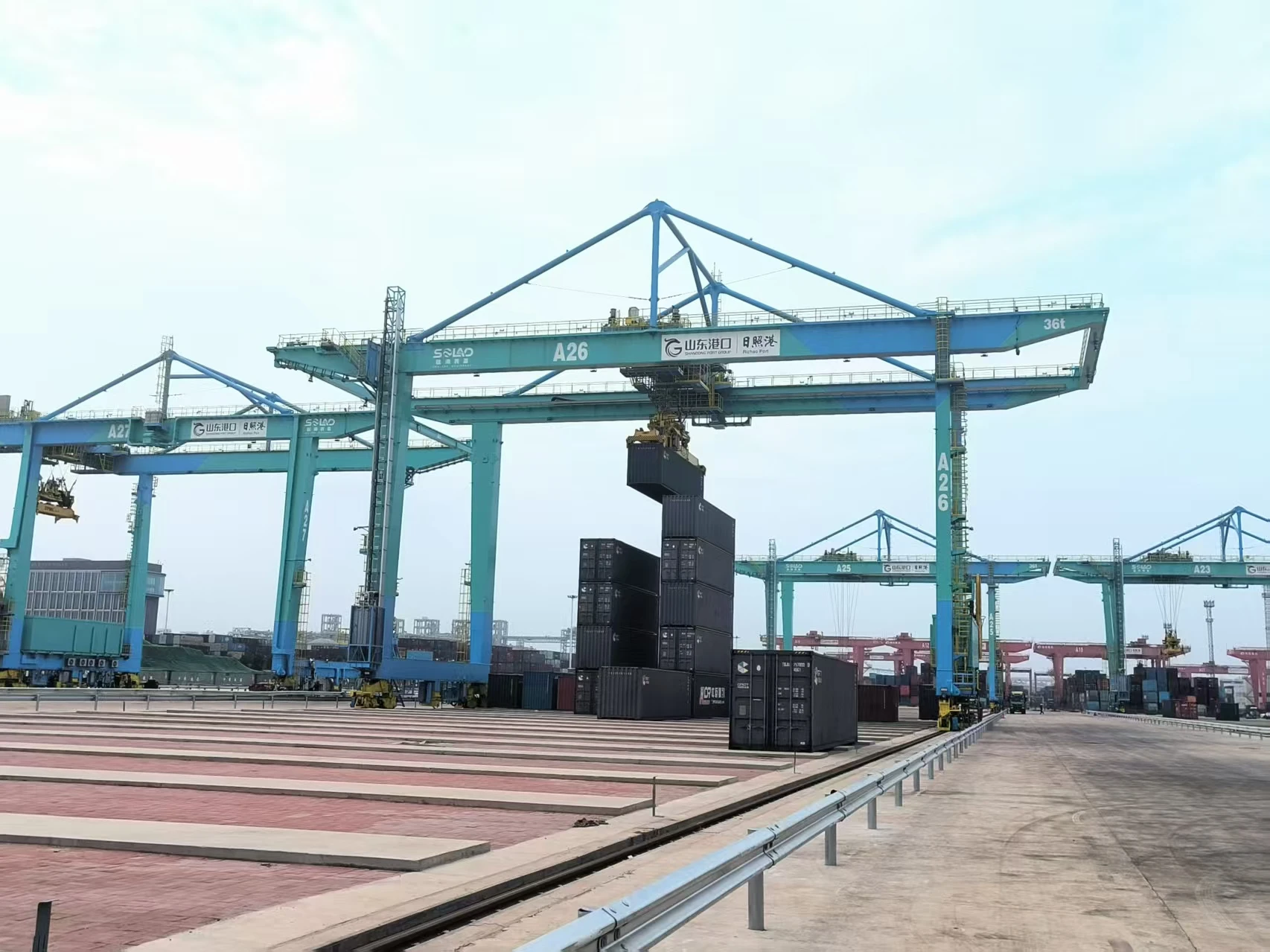
Container crane dispatch prevents stacking conflicts by ensuring each container is placed precisely where it belongs. This reduces the need for reshuffles, which can consume up to 30% of yard handling time. With CEGC’s advanced container handling equipment, your yard benefits from automated container crane dispatch that prevents stacking conflicts and lowers unnecessary container moves by 15–25%. This technology also boosts container crane productivity by up to 20%.
|
Metric |
Value |
|---|---|
|
Reshuffles account for |
Up to 30% of yard handling time |
|
Reduction in moves |
15–25% depending on layout and crane specifics |
|
Improvement in yard crane productivity |
Up to 20% in observed cases |
By using container crane dispatch that prevents stacking conflicts, your yard remains safer and operates more efficiently. CEGC’s container crane dispatch prevents stacking conflicts for every container job, ensuring optimal placement and smooth workflow throughout your yard.
Key Takeaways
-
Container crane dispatch lowers reshuffles by 15-25%. This saves time and makes container yards work better.
-
Smart routing and anti-sway control systems make things safer. They help workers do their jobs faster. These systems lower the chance of accidents. They also make sure containers are put in the right spot.
-
Predictive maintenance finds problems early. This means cranes stop working less often. It helps cranes last longer. This lowers costs for the whole yard.
Stacking conflicts in container yards
What causes stacking conflicts
Stacking conflicts happen when containers block each other or are in the wrong spot. These issues usually come from bad planning, unexpected arrivals, or sudden changes. In an automated container terminal, stacking logic is very important. Without good stacking logic, you must reshuffle containers. This takes extra time and makes the yard crowded.
-
Good stacking logic stops extra reshuffles and rehandles.
-
RTG block design helps lower idle time and crowding.
-
Height control keeps stacking safe and efficient.
-
Bad planning costs more because you need more rehandles, which slows work.
Stacking conflicts also happen if you do not plan container moves well. If the right container is not on top, you must move others out of the way. This makes the yard crowded and slows down your automated terminal.
Impact on efficiency and safety
Stacking conflicts make your container terminal less efficient. Moving containers more than once wastes time and uses more energy. The yard gets crowded, and equipment must work harder. In an automated terminal, stacking conflicts cause delays and make it tough to keep up with vessel schedules.
Modern safety systems use sensors and smart software. These tools watch equipment positions and speeds. They help avoid crashes and react fast to dangers.
|
Risk Type |
Description |
|---|---|
|
Straddle carriers |
Manual straddle crashes and overturns can hurt people and damage equipment. |
|
Yard crane |
Stack crashes can make stacks fall, causing injuries if containers drop on trucks. |
Automation is changing things: Automated systems watch operations, spot problems, and control actions. They help container operations act before something goes wrong.
Collisions caused 251 maritime accidents last year, mostly in busy areas. More vessel traffic and crowded yards make stacking conflicts even riskier. You must manage stacking well to keep your terminal safe and efficient.
How container crane dispatch prevents stacking conflicts
Intelligent routing and conflict-free algorithms
You use smart routing to keep your yard neat. Automated dispatch systems use special algorithms to guide each container crane. These systems stop cranes from crossing paths and help avoid delays. Quay crane scheduling is important for this. You see fewer slowdowns and things run smoother.
|
Study |
Findings |
|---|---|
|
Briskorn and Angeloudis (2016) |
Used a dynamic programming method to make conflict-free schedules for two cranes, quickly finding the shortest path in a graph model. |
|
Nossack et al. (2018) |
Suggested a two-step method for task assignment and right-of-way, using the shortest path to solve conflicts. |
Automated dispatch systems make crane work better and help you know what is happening. Real-time data helps you watch containers and stop crashes. Remote operation keeps workers away from danger, so there are fewer accidents. CEGC’s container crane, portal crane, and container gantry crane have standard features and can be changed for your needs. You can pick cranes for different sizes, jobs, and how much automation you want.
Safety and anti-sway control systems
Safety is the most important thing in your yard. Load sway and crash risk make it hard to place containers right. Anti-sway control systems fix these problems. You get help from assisted and active anti-sway control, which makes loads swing less and stay steady. Multi-layer safety locks protect against too much weight, limit switches, and emergency stops.
-
Anti-sway solutions help cranes last longer and lower stress on parts.
-
Anti-sway systems cut down on load swing, keeping cargo and cranes safe.
-
Anti-sway control makes work safer and helps place loads better by stopping swinging.
-
Using anti-sway control makes crane work safer.
-
These systems save time and make lifting more exact, so they are a good buy for companies.
Anti-sway control systems make crane work safer and faster by stopping loads from swinging, which lowers the chance of crashes and dropped loads. With anti-sway control, the crane’s load moves more smoothly, even when lifted high. Less swinging means fewer crashes, dropped loads, and other accidents at work.
CEGC’s container handling equipment has easy-to-use HMI, clear alarms, and guided steps. You can learn faster and do the job the same way every time. You can choose sensor sets, anti-crash zones, and extra safety features.
Motion coordination and cycle-time optimization
You want your yard to work fast and without problems. Motion coordination technology helps you reach this goal. Quay crane scheduling makes sure each container moves quickly from ship to yard. Better motion coordination means less wasted travel and less speeding up or slowing down. Speed profiles change to match the load and wind.
|
Strategy |
|
|---|---|
|
Predictive maintenance |
Cuts down on extra moves |
|
Dynamic scheduling |
Makes truck wait time 18% shorter |
|
Optimized container placement |
Makes yard truck cycle time 12% shorter |
Straddle carriers make it easier to get to containers and cut down on handling steps, so the yard works better. They let you change storage layouts and fit new needs. Real-time data and smart order picking make moving containers faster and stop slowdowns.
CEGC’s container gantry crane and container handling gantry crane help connect work steps. You can set speed levels, work times, and how much is automated. These cranes move lots of cargo and cost less to run.
Predictive maintenance and reliability
You need cranes that work well and do not break down often. Predictive maintenance uses real-time data, AI scheduling, and remote checks to spot problems early and fix them fast.
|
Strategy |
Description |
|---|---|
|
Real-time Data |
Uses sensor data to spot problems early and fix them quickly. |
|
AI-driven Scheduling |
Uses artificial intelligence to plan maintenance at the best time. |
|
Remote Monitoring |
Lets you watch crane performance all the time and find problems early. |
|
Preventive Maintenance Practices |
Means checking and fixing things before they get worse. |
-
Checking the crane often finds worn or broken parts.
-
Keeping moving parts oiled stops them from wearing out.
-
Checking wires and motors makes sure they work right.
-
Testing emergency systems makes sure they are ready.
Predictive maintenance stops surprise breakdowns and makes cranes more reliable. It saves money on repairs and makes cranes last longer. Finding problems early keeps big failures from happening. AI predictive maintenance can give you 150% ROI in one year. Good maintenance means less wasted work and lower costs.
CEGC’s container handling equipment has anti-rust systems, strong design, and easy ways to fix things. You can pick how much rust protection, sealing, and spare parts you want. Epoxy coatings, stainless steel, and galvanized parts give extra safety. Cranes made with rust-proof materials last longer and need fewer repairs, so you spend less money.
You get safer and better yards with CEGC’s advanced container crane dispatch. You can see what is happening in real time. AI helps make smart choices and works with Terminal Operating Systems. This stops stacking conflicts and helps you get more work done.
|
Benefit |
Description |
|---|---|
|
Improved Throughput |
Containers move faster and easier |
|
Reduced Downtime |
Problems are found early and fixed quickly |
|
Lower Lifecycle Costs |
Machines last longer and can be changed |
Pick CEGC for strong and modern container handling solutions.
FAQ
How does container crane dispatch help reduce stacking conflicts?
Container crane dispatch helps plan where containers go. The system puts each container in the correct place. This stops extra moves and keeps the yard neat.
What is data-driven scheduling in container yards?
Data-driven scheduling helps you make better choices. The system checks yard data as it happens. It helps pick cranes and trucks for the best job.
Why is container handling automation important for port operations?
Container handling automation makes work faster. Automation cuts down on mistakes and keeps people safe. You can move more containers with less work.


