
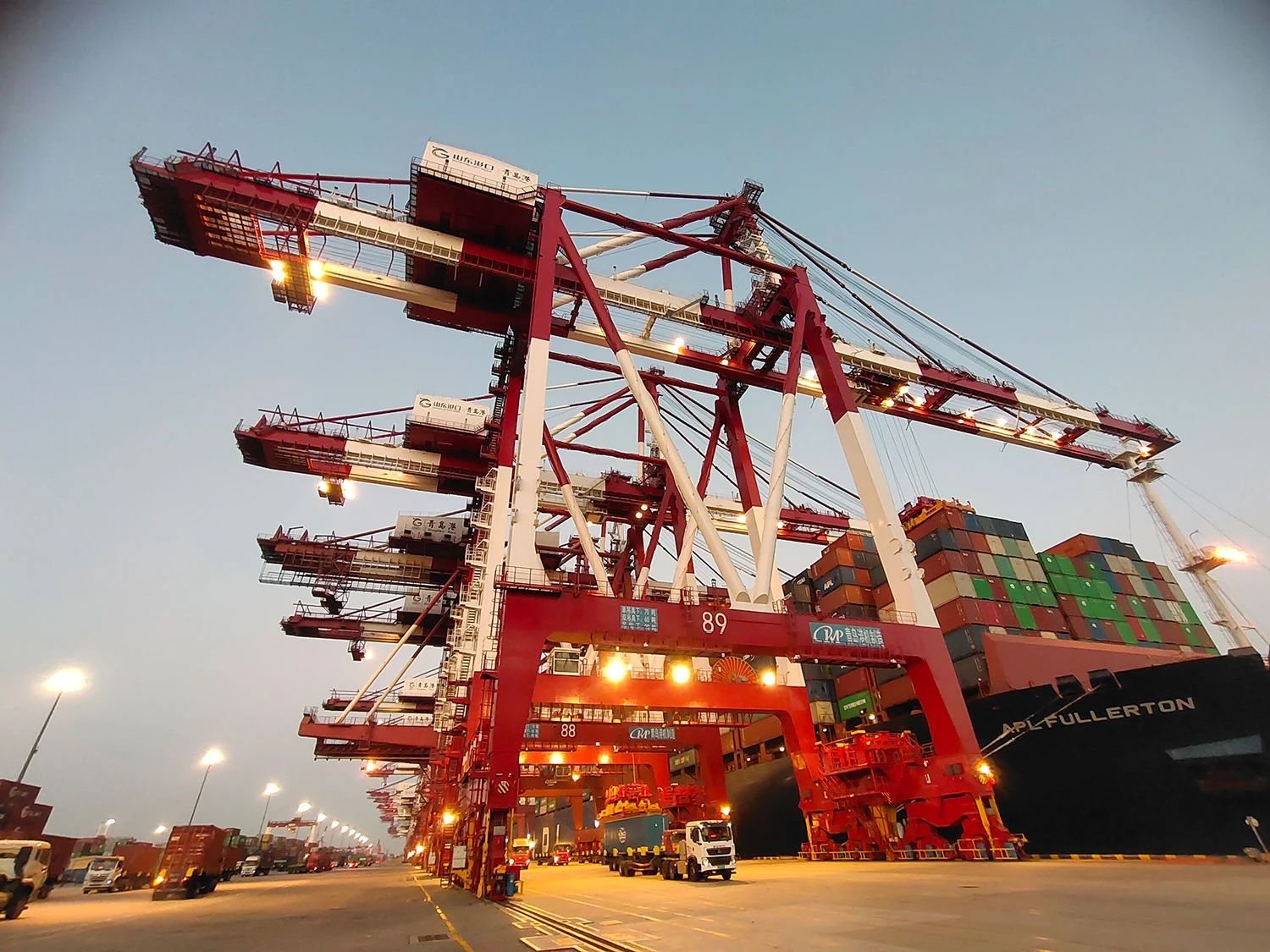
Container crane dispatch reduces truck idle minutes, helping trucks wait less and enhancing terminal efficiency. When trucks are idling, they waste fuel, incur higher costs, and slow down terminal operations. Delays often arise from mistakes and manual processes, leading to frustration. However, container crane dispatch streamlines communication and workflow, significantly reducing wait times. CEGC provides solutions that simplify container crane dispatch, minimize waiting, and improve terminal performance. By ensuring that container crane dispatch reduces truck idle minutes, you can eliminate costly delays and optimize terminal operations. This gives you greater control over logistics when container crane dispatch effectively reduces truck idle minutes.
-
Truck idling wastes billions of gallons of fuel every year.
-
Mistakes at the gate and in data entry lead to longer wait times for trucks.
-
Manual processes complicate operations and slow down the terminal.
-
Container crane dispatch reduces truck idle minutes through real-time scheduling.
Key Takeaways
-
Container crane dispatch lowers truck waiting time. This saves fuel and cuts costs.
-
Real-time scheduling helps cranes and trucks work together better. It makes the terminal run more smoothly.
-
Predictive maintenance stops breakdowns before they happen. This keeps things running well and lowers repair costs.
How container crane dispatch reduces truck idle minutes
Synchronizing cranes and trucks
You can cut down on truck waiting by matching cranes with truck arrivals. When trucks and cranes work together, cargo moves smoothly. Trucks do not have to wait for cranes to finish other jobs. Cranes also do not sit still with nothing to do.
-
Good dispatching matches when trucks arrive with crane cycles.
-
This matching cuts down on crane idle time.
-
Fewer hanging hook events make vessel work smoother.
You will see shorter lines and faster service with this method. Cargo keeps moving, so there are no big slowdowns. The table below shows how this helps terminal operations:
|
Evidence Type |
Description |
|---|---|
|
Coordination Strategy |
Matching truck arrivals with quay crane schedules stops truck lines and other slowdowns. |
|
Operational Efficiency |
Steady truck arrivals help cranes work without stopping, so idle time drops. |
|
Impact on Wait Times |
Matching truck order with crane work means less waiting and better flow. |
You can get more done by keeping cranes and trucks busy. This way, you move more cargo in less time. It also helps cranes work better and keeps your terminal running well.
Real-time scheduling and workflow integration
You can use real-time scheduling to help cranes and trucks work together. This technology lets you plan jobs as soon as you get new info. You can give tasks to cranes and trucks right away. This cuts down on idle time and keeps cargo moving.
-
Linking cranes, trucks, and maintenance plans uses resources better.
-
Predictive maintenance finds crane problems early and plans checks, so there is less downtime.
-
Real-time job planning for both automatic and human-run equipment cuts idle time and helps cranes work better.
You can connect cranes with your yard management system. This lets you see where all the cargo is and what each crane is doing. You can change plans if a truck is late or a crane finishes early. This helps you avoid slowdowns and keeps work moving.
Workflow integration means you can plan every step of cargo handling. Cranes and trucks move together, so you do not waste time. You can move more cargo with the same equipment. This makes things run better and helps ships leave faster.
-
Linking cranes and trucks lets them move together, which cuts delays.
-
Real-time teamwork between crane work and truck planning makes things run better.
-
Using resources well helps the whole terminal work faster.
You will notice faster cargo moves, fewer slow spots, and better use of your equipment. This helps you reach your goals and keeps your terminal strong.
Impact on emissions and cost
You can save fuel and cut emissions by lowering truck idle minutes with container crane dispatch. When trucks wait less, they use less fuel. This saves money and helps the environment. Idle time is when equipment runs but does not move cargo. High idle time often means dispatching or operator problems.
-
Cutting truck idle minutes saves fuel and lowers emissions.
-
Idle time means equipment runs but does not do work, which wastes fuel and adds emissions.
-
High idle time shows bad dispatching, waiting for orders, or operator mistakes.
-
Less idle time means lower fuel costs, fewer emissions, and more equipment ready to use.
You will see savings in your budget. Less idle time means you spend less on fuel and repairs. You also put less wear on cranes and trucks. This means your equipment is ready more often and cargo moves better.
You can also meet tougher environmental rules. Lower emissions help you follow laws and make your terminal look better. By making cranes work better, you create a safer and cleaner place to work. You also show you care about the environment.
You can get all these benefits by using advanced container cranes from CEGC. These solutions help you match operations, link workflows, and fix slowdowns. You get better work, lower costs, and a greener terminal.
Making container cranes work better with CEGC solutions
Anti-sway and safety systems
You can make cargo handling safer and faster with anti-sway systems from CEGC. These systems use smart controls to keep loads steady when lifting. Less sway means fewer accidents and quicker lifts. Anti-sway technology changes crane moves to match the load. It stops sway up to 15% faster. This gives you safer lifts and less waiting in your work.
Anti-sway systems keep loads steady. This makes cargo handling safer and more reliable. You see fewer accidents and less damage to crane parts.
|
Benefit |
Description |
|---|---|
|
Improved Productivity |
Up to 15% more work done because of fewer delays. |
|
Reduced Structural Stress |
Cranes last longer and parts wear out less. |
|
Improved System Efficiency |
Lower costs and better efficiency for the crane's life. |
You can also use automatic positioning and smart control systems. These features help you line up containers with trucks. They keep things running smoothly, even when it is windy.
Cycle time optimization and throughput
You move more cargo by making cycle times better with CEGC container cranes. Fast loading and unloading help you finish jobs quicker. When you match truck arrivals with crane schedules, you stop slowdowns and keep the yard working well.
-
You match truck arrivals with crane schedules to stop delays.
-
You plan job order to use equipment from 65% to over 85%.
-
You manage cargo flow to cut vessel stays and idle times.
|
Evidence |
Description |
|---|---|
|
Quay Crane Efficiency |
Good cranes cut vessel waiting and give better service. |
|
Optimization Techniques |
Less downtime means more work and better terminal performance. |
|
Impact on Turnaround |
Shorter vessel stays let more ships come and raise throughput. |
Modern CEGC cranes can load and unload 25–40 containers each hour. This helps you move cargo faster and boost terminal throughput.
Predictive maintenance and energy efficiency
You stop surprise breakdowns by using predictive maintenance. CEGC cranes use real-time data to find problems early. You fix things when traffic is low, so trucks wait less. This keeps cargo moving and lowers repair costs.
Electric and hybrid cranes use less energy and make less pollution. Upgrading with special drives and systems saves energy when it is busy.
-
Energy-saving features like VFDs use less motor power.
-
Regenerative braking turns stopping energy into electricity.
-
Hybrid cranes can cut carbon emissions by over 1,000 tonnes each year for six cranes.
Workflow integration and predictive maintenance help you plan better and keep cranes working. Finding problems early makes cranes last longer and keeps work going. You get more cargo moved and safer operations.
CEGC gives you standard specs and custom options. You can pick capacity, span, duty cycle, power solution, automation level, and anti-corrosion grade to fit your terminal.
You get quicker ship loading and unloading with container crane dispatch from CEGC. This helps you save money and finish jobs faster. The table below lists the main benefits:
|
Benefit |
Description |
|---|---|
|
Improved Productivity |
You finish ship work sooner and spend less money. |
|
Better Yard Utilization |
You use space and machines in a smarter way. |
|
Lower Emissions |
You burn less fuel and make less pollution. |
Your terminal stays strong and can grow in the future.
FAQ
How does container crane dispatch help with crane productivity improvement?
You make cranes work better by matching their jobs with truck arrivals. This lowers idle time. It helps cranes stay busy and move cargo faster.
What role do truck scheduling systems play in vessel turnaround times?
Truck scheduling systems help plan when trucks come. This makes vessel turnaround quicker. It keeps the terminal working well.
How can you achieve predictable throughput and better overall vessel turnaround?
You get steady throughput by using real-time data and workflow systems. This helps vessels finish faster and makes operations more reliable.


