
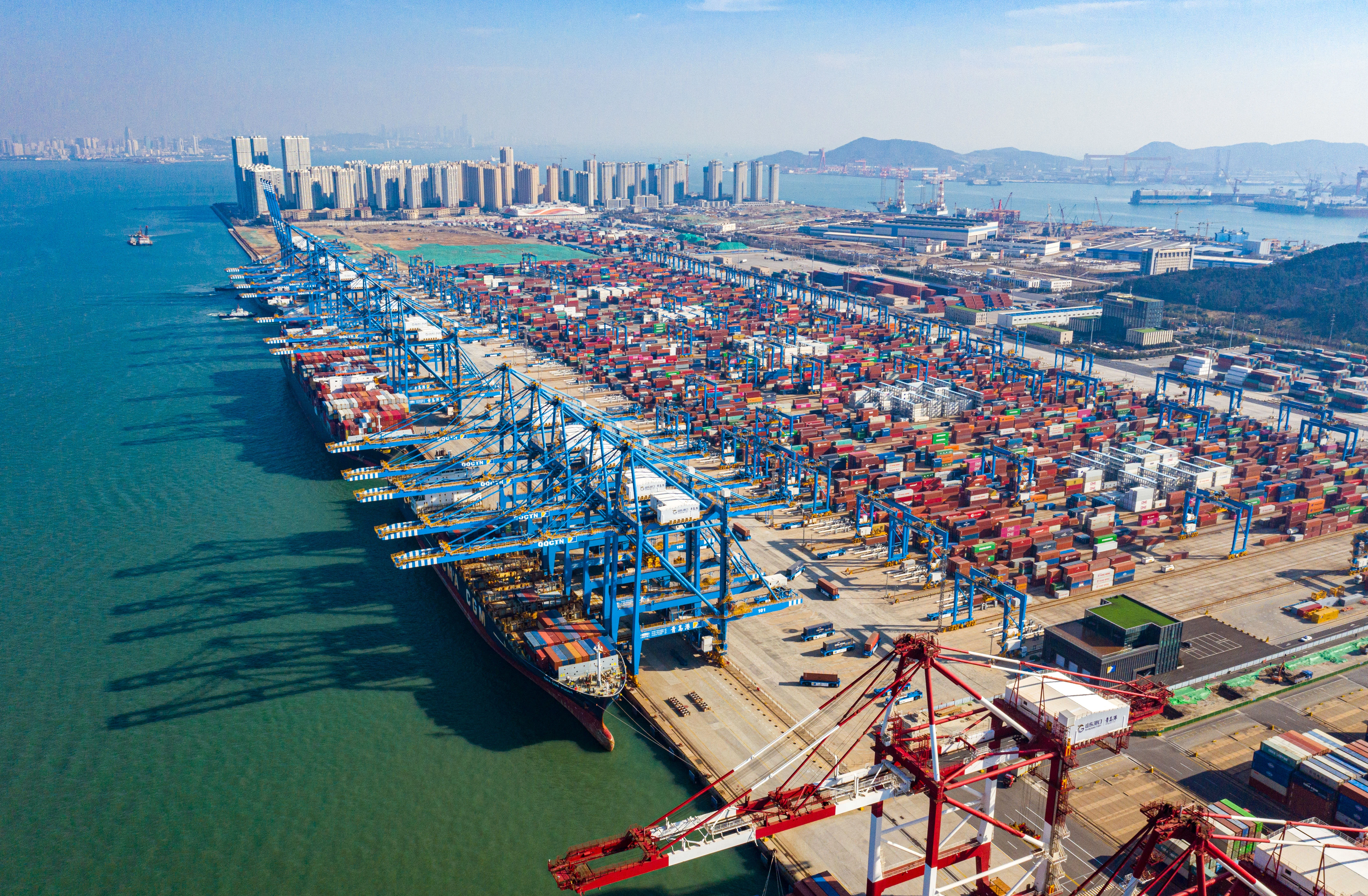
You can optimize container management and maximize capacity by using a container crane: reduce empty hoists with better sequencing. Empty hoists not only waste time and energy but also increase operational costs and can pose safety risks. To improve your operations, consider these steps:
-
Conduct a comprehensive downtime analysis.
-
Prioritize safety as a key driver of profitability.
-
Explore advanced lifting equipment, such as high-speed hoisting systems.
Operators who choose CEGC container crane solutions, utilize dedicated empty container yards, and implement efficient loading and unloading strategies experience reduced travel distances and achieve superior results. Remember, with a container crane: reduce empty hoists with better sequencing for optimal performance.
Key Takeaways
-
Cut down on empty hoists by making sequencing better. This helps save time, energy, and money. It also makes things safer.
-
Use smart container placement to work faster. Good placement stops crowding and makes jobs go quicker.
-
Spend money on operator training and remote monitoring. Trained operators make fewer errors. This makes crane work safer and better.
Container crane: reduce empty hoists with better sequencing
Empty hoists in container handling
An empty hoist happens when a container crane lifts nothing. This is common in container and cargo handling. Empty hoists waste both time and energy. They also make costs go up and can be unsafe. If you handle empty containers well, you work faster. Ports that use better sequencing for container cranes get better results. You want to lift a container every time. This way, you save time and keep cargo moving smoothly.
Causes of empty hoists in cargo handling
There are many reasons for empty hoists in cargo handling. Here are some examples:
-
Trade imbalances cause empty containers to pile up in some places.
-
High costs make it hard to move containers where they are needed.
-
Shipowners move empty containers to make more money.
-
Low costs for making and leasing containers add to the problem.
-
Preferences and branding make managing containers harder.
-
Slow steaming means ships take longer and containers are stuck.
Bad sequencing, lack of operator skills, and poor equipment also matter. If you do not plan the steps well, you get more empty hoists. This slows down cargo work and costs more money.
Sequencing and motion coordination
You can fix these problems with better sequencing and motion control. Top ports use AI scheduling to help container cranes reduce empty hoists with better sequencing. Automation and smart controls help move containers faster and safer. The table below lists some technical solutions:
|
Solution Type |
Description |
Benefits |
|---|---|---|
|
Anti-sway systems |
Keeps loads steady while lifting. |
Safer lifts and better handling. |
|
Motion control |
Stops the crane from swaying or shaking. |
Fewer accidents. |
|
Automation |
Lifts and moves containers automatically. |
Fewer delays and better speed. |
|
Sensors and drives |
Help stop accidents and keep things safe. |
Better safety for everyone. |
CEGC has equipment with anti-sway, safety locks, and motion control. When you use container cranes to reduce empty hoists with better sequencing, you get more out of each move. You also keep your cargo handling safe and efficient.
Sequencing strategies and technical solutions
Optimized container placement and retrieval
You can handle more containers by putting them in the right places. Smart placement helps stop crowding and keeps the yard moving well. Using smart tools, you can guess where containers will go next. This helps you move them faster and keeps things running smoothly.
Here is a table that shows how putting containers in good spots helps cranes work faster and the terminal move more containers:
|
Impact Area |
Outcome Description |
Percentage Increase |
|---|---|---|
|
Crane Cycle Times |
Less waiting at the dock means loading and unloading is quicker |
10–18% increase |
|
Terminal Throughput |
Better timing of jobs means more containers move through the terminal |
10–18% increase |
Smart placement means you get more done. You wait less and move more containers. This way, your terminal works better and faster.
-
Putting containers in the right place stops crowding.
-
It makes the yard flow better.
-
Smart tools help you avoid moving containers again later.
Double container handling and cycle-time reduction
Double container handling lets you move two containers at once. This helps you do more work and drive less. You can stack containers higher, which saves space and means fewer trips. This also lowers the cost for each container and makes traffic safer and smoother.
Here is a table that shows how double container handling helps:
|
Benefit |
Explanation |
|---|---|
|
Increased Productivity |
Moving two containers at once means you finish jobs faster. |
|
Reduced Driving Distances |
Carrying two at a time means less driving for the equipment. |
|
Improved Efficiency |
Stacking higher saves space and cuts down on trips. |
|
Lower Cost per Container |
Moving more containers at once makes each one cheaper to handle. |
|
Enhanced Traffic Flow and Safety |
Keeping different traffic apart makes things safer and less crowded. |
Using double container handling helps you do more work and keeps the yard neat.
Operator training and remote monitoring
Training operators well helps them work better. Good training means fewer mistakes and safer work. Remote monitoring lets you watch crane work as it happens. Dashboards and alerts help operators stay in control.
Automation and smart repairs make your work better. Watching moves in real time helps you fix problems fast. You can keep cranes working without stopping. Operator screens show clear warnings and help with training.
Tip: Use remote monitoring to find problems early and keep cranes working longer.
Predictive maintenance and marine durability
Predictive maintenance helps you stop breakdowns before they happen. You can keep cranes working 20%–30% more by using smart checks. Some terminals have 25% less surprise downtime after using data to plan repairs. Sensors help you know when to fix things and plan repairs at good times.
Marine durability keeps your equipment safe from salt, water, dust, and heat. Using strong materials and smart designs helps cranes last longer. Easy access and standard parts make repairs quick and simple.
In the future, smart repairs and good planning will help ports be cleaner and smarter. You can use smart schedules to save energy and cut pollution. AI can help run the yard and stop extra moves.
Technical solutions for sequencing
Anti-sway systems keep loads steady and help stop accidents. These controls keep the load from swinging, so work is smoother and faster. The anti-sway system can stop swinging 10%-15% quicker, making lifts safer and better.
Here is a table that shows how anti-sway and safety systems help:
|
Solution |
Description |
Benefit |
|---|---|---|
|
Anti-sway systems |
Keeps loads steady and helps stop accidents |
Safer lifts and better handling |
|
Safety interlocks |
Stops cranes if there is too much weight or an emergency |
Fewer accidents |
|
Motion coordination |
Makes sure all crane parts move together |
Smoother work |
|
Predictive maintenance |
Uses sensors to plan repairs and stop breakdowns |
Cranes work more often |
CEGC gives you choices for different ports. You can pick the size, power, and safety features you need. These solutions help you move more containers and meet industry standards.
Note: Keep up with maintenance and training to make sure your equipment stays safe and works well.
Benefits for port operations
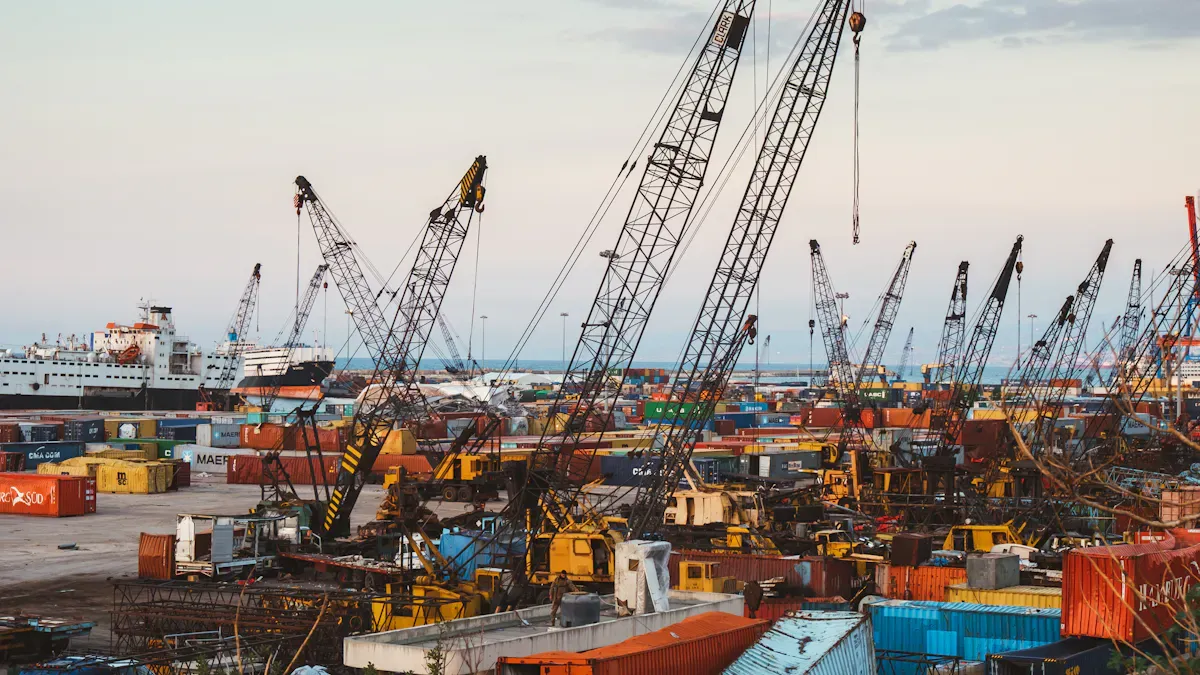
Efficiency and cost savings
When you use better sequencing, you see real changes. Ports with smart strategies finish jobs faster. Ships spend less time waiting at the dock. This saves energy and cuts costs. The table below shows how things get better:
|
Metric |
Before Implementation |
After Implementation |
Improvement |
|---|---|---|---|
|
Berth Idle Times |
Manual and reactive |
Reduced |
Significant shift |
|
Vessel Turnaround |
Slower |
Faster |
Measurable shift |
|
Energy Savings |
N/A |
~20% |
Notable reduction |
|
Container Throughput |
N/A |
+15% during peak |
Increased throughput |
|
Operational Costs |
N/A |
~12% reduction |
Lower costs |
You can check your progress by watching important numbers. These include how many containers move, how fast ships leave, and how much energy you use. Many ports test new systems to see if they work better.
Safety and equipment longevity
Adding smart controls and safety tools makes cranes safer. These systems look for fire dangers and warn your team early. Predictive maintenance helps stop breakdowns and keeps cranes working longer.
-
Smart controls help stop crashes and swinging loads.
-
Anti-collision sensors and emergency brakes are key safety tools.
-
Proximity alarms and sway control keep ground workers safe.
Note: Using these safety tools lowers accidents and helps cranes last longer.
Customization and market-standard performance
You can pick the best equipment for your port. CEGC has container handling tools that meet top standards. You can change the size, power, and safety parts for your needs. This helps you handle different cargo and busy times.
You get strong performance and the right safety for your port. CEGC helps you choose what fits your goals and local rules.
You can make ports work better by having fewer empty hoists. Using better sequencing helps a lot. Smart ways to pick up and move containers make cranes and trucks faster.
-
Flexible rules help containers stay for less time.
-
New yard layouts help the port run better.
Pick CEGC for solutions that fit your needs. Look at how you do things now and try new sequencing to get better results.
FAQ
What is an empty hoist in container handling?
An empty hoist happens when your crane lifts without a container. This wastes energy and time. You should always aim to lift with a load.
How does better sequencing reduce empty hoists?
You use better sequencing to plan each move. This helps your crane pick up containers more often. You save time and lower costs.
Why choose CEGC for container crane solutions?
You get market-standard performance and custom options with CEGC.
Tip: CEGC offers anti-sway, safety interlocks, and predictive maintenance for safer, more efficient operations.


