
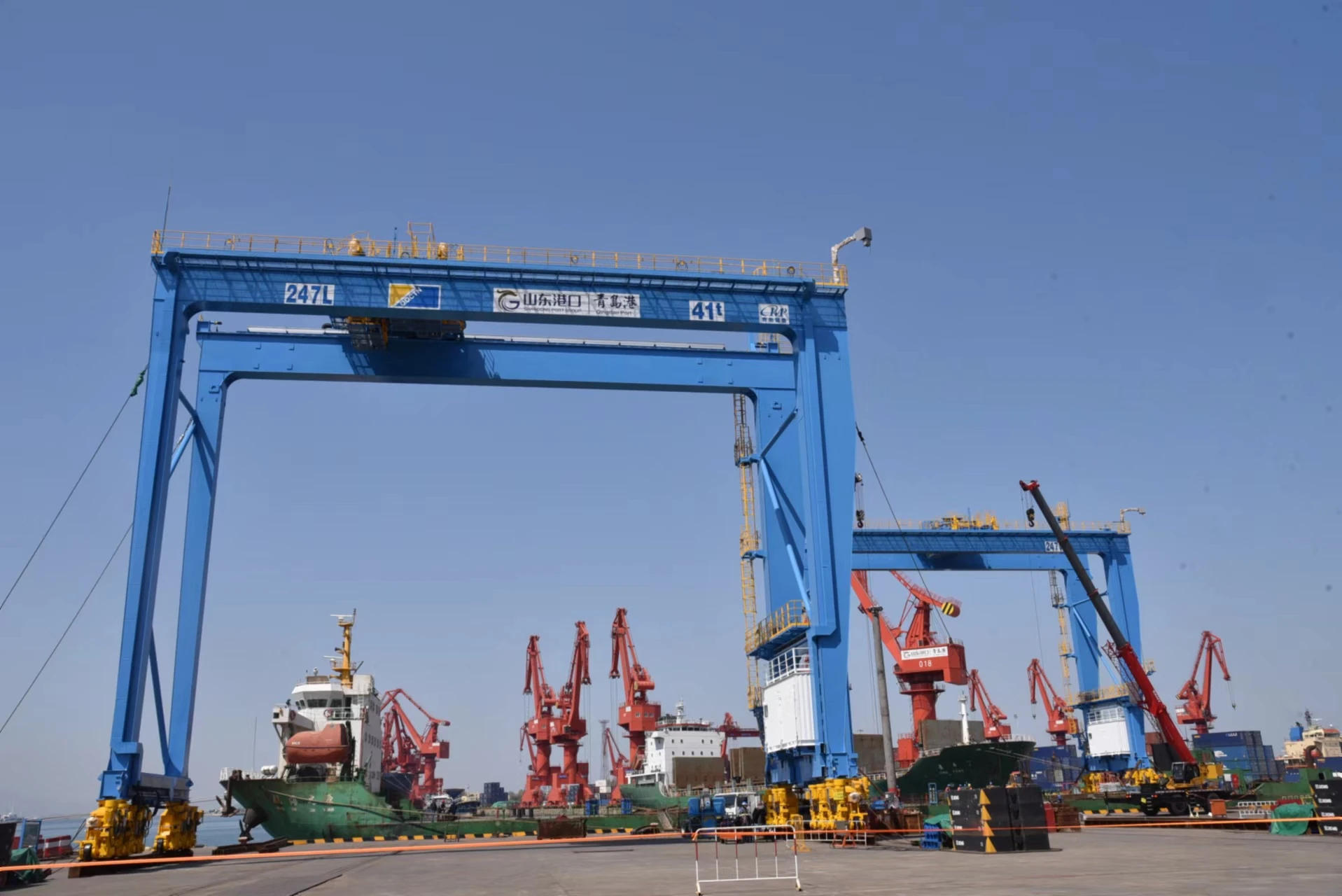
Using container cranes for cargo can present significant safety challenges, including load sway, collisions, and inconsistent operations that may disrupt your workflow. Marine corrosion and unexpected downtime can also negatively impact your equipment's performance. CEGC addresses these issues with real-time monitoring solutions that enhance safety and efficiency. Notably, container crane remote monitoring helps incident review by providing accurate records and automatic alerts, ensuring a more reliable operation.
Key Takeaways
-
Container crane remote monitoring makes safety better. It gives real-time alerts for load sway and equipment problems. This helps people act fast to stop accidents.
-
Automated incident logging records every crane movement. It makes a clear timeline for incident review. This helps find out what caused problems and makes safety rules better.
-
Predictive maintenance tools look at data to find possible problems early. This cuts down on downtime and keeps cranes working well and safely.
Container crane remote monitoring overview
Real-time monitoring features
When you use CEGC’s remote monitoring, you get a big advantage. These systems use special sensors and software on your portal crane, container handler, or ship crane. You can see every move and setting as it happens. This helps port authorities and terminal operators work safer and faster.
|
Feature |
Description |
|---|---|
|
You can check how the crane is used and if it is safe from far away. |
|
|
Critical Parameter Alerts |
The system sends alerts about important crane settings so you can act quickly. |
|
Motor Voltage and Current Monitoring |
You can watch the motor’s health and spot problems early to fix them before they get worse. |
|
Motor Temperature Monitoring |
Alerts tell you if the motor gets too hot, so you can stop it from burning out. |
|
Hoist Motor Vibration Analysis |
You can see if parts are wearing out and get alerts when repairs are needed. |
|
Load and Overload Monitoring |
The system checks the load to make sure the crane is working safely. |
|
Crane Rope Fault Detection |
You get alerts right away if there is a rope problem, so you can stay safe. |
|
Crane GPS Location Tracking |
You can see where your heavy equipment is at any time. |
|
Safe Load Indicator |
You know the load angle and weight, and get alerts if it is too much. |
|
Crane Angle and Tilt Monitoring |
Alerts let you know if the crane moves past safe limits. |
Data collection and visibility
Remote monitoring lets you see what your crane is doing right away. You can watch how it works and see its performance as things happen. Sensors collect lots of data, which helps you look back at incidents and plan maintenance.
-
You get quick updates about how the crane is working.
-
You can look at old data to find patterns and make things safer.
-
Seeing more helps you guess where problems or crashes might happen.
-
Big data tools help you find hidden problems and work better.
-
Online work cycle detection records numbers during crane use and sends data for review.
You can make choices faster and fix problems before they get bigger. CEGC’s container handling equipment meets market standards and can be changed for your project, so you have what you need to stay safe and work well.
Incident review challenges and solutions
Safety risks and load sway
There are many problems when using cranes. Load sway, crashes, and mistakes by operators can make things unsafe. These issues also slow down the work. Sometimes, you have to wait for the load to stop swaying. This waiting makes the job take longer. If the load sways too much, crane parts get worn out faster. People working near the crane can get hurt. You also need to watch out for containers hitting each other. Cranes can tip over in bad weather. Loads can fall if not handled right. Too much weight can break equipment. Blind spots can cause injuries. Electrical or mechanical problems can also happen.
|
Description |
|
|---|---|
|
Extended load cycle times |
Waiting for sway to settle affects efficiency. |
|
Potential collisions |
Cranes may collide with containers or equipment. |
|
Increased stress on components |
Sway causes faster wear and tear. |
|
Reduced safety for personnel |
Sway increases accident risk for operators and ground staff. |
|
Crane overturning in extreme weather |
High winds can cause instability. |
|
Load drop incidents |
Improper handling can result in dropped loads. |
Anti-sway and safety control systems
Anti-sway control and safety interlocks help stop accidents. These systems use real-time data to find dangers early. Smart brakes and automation keep the load steady. This helps stop crashes and dropped loads. Anti-collision technology and operator HMI make things safer. Finding problems early stops small issues from getting worse. The control system cuts down on load swaying a lot. This makes crane work safer and easier to predict.
Predictive maintenance and diagnostics
Real-time monitoring helps you find faults before they cause trouble. Sensors check for vibration and temperature changes. Machine learning looks at this data to stop accidents. Tools like vibration analysis and thermal imaging help find problems fast. Oil quality and acoustic emission checks also help. You can plan repairs before things break. This keeps crane work safe and running well.
How container crane remote monitoring helps incident review
Automated incident logging
You get a big advantage with container crane remote monitoring. Automated incident logging keeps track of every crane movement and event as they happen. Modern crane control systems collect data about load sway, collisions, and equipment faults. You do not have to remember everything or write reports by hand. The system logs incidents right away, making a clear timeline for review. This process cuts down on downtime and makes things safer. You can look at detailed records for each event. This helps you find out what caused accidents and stop them from happening again. Smart monitoring systems watch reefer conditions and container impacts. This makes your port safer and more efficient. You build a strong safety system that helps you respond quickly and keep good records.
Enhanced accuracy and speed
Container crane remote monitoring gives you important information fast. You see real-time data from sensors like temperature, vibration, and load capacity. Modern crane control systems give you data to help you make decisions. You can check events quickly and correctly. This cuts downtime and makes things safer. The table below shows how real-time monitoring and remote access make incident review faster and more accurate:
|
Key Aspect |
Explanation |
|---|---|
|
Decision-Making Data |
Real-time monitoring gives you important data to help decide how to use and fix equipment, making incident response better. |
|
Safety and Uptime |
Monitoring systems focus on data that affects safety and uptime, which is important for quick incident reviews. |
|
Predictive Maintenance |
Finding patterns before things break lets you fix problems early, cutting downtime and making incident review faster. |
|
Shift from Reactive to Planned |
Moving to planned maintenance with monitoring data means fewer delays, so incident reviews happen faster. |
You stop problems before they get worse and cut unplanned downtime. Safety systems let you move from fixing things after they break to planning repairs ahead of time. This makes incident reviews faster. You make things safer and keep work running smoothly. Maintenance teams respond faster and downtime goes down. Automated alerts help find big problems in hours instead of days. You see better efficiency and productivity across your port.
Compliance and training benefits
Container crane remote monitoring helps you follow port safety rules. You use real-time monitoring to meet regulations. Sensors gather important data, and you check it to fix issues before they become big problems. This keeps your port safe and up to standard. You also get better training tools. Operators learn to use crane control systems in simulators. This lowers risks and builds confidence. Remote operations give a comfortable workspace, which cuts safety incidents and helps people work together. Shift changes are easier and you can talk to coworkers to solve problems. Simulator training lets operators practice with new controls without risk. You make your team safer and more productive.
You connect container crane remote monitoring with your port management software. Real-time data makes work more efficient, helps schedule jobs, and automates cargo handling. AI and machine learning help predict and stop accidents, teaching systems to avoid future problems. You can change CEGC’s solutions to fit your project, like capacity, span, duty cycle, power, and anti-corrosion grade. You meet market standards and make your port safer, more productive, and cut downtime.
Tip: You can use container crane remote monitoring to cut downtime, make things safer, and follow rules. This technology helps train operators, manage incidents, and build a safer port.
-
CEGC’s container crane remote monitoring helps you work safer. You spend less time waiting for repairs. Real-time data shows what happens right away. Anti-sway control lets you check accidents fast. Predictive maintenance keeps your port safe and running well. Remote monitoring helps you do your job better. You follow rules and make your port more efficient.
FAQ
How does CEGC’s container crane remote monitoring improve safety?
You get alerts right away if there is load sway, a crash, or a problem with the equipment. These alerts help you act fast and stop accidents before they happen.
Can you customize CEGC’s remote monitoring system for your port?
You can pick things like how much the crane can lift, how wide it is, how often it works, what power it uses, and how well it fights rust. CEGC lets you change the system to fit what your port needs.
What data does the remote monitoring system collect?
You get details about where the crane is, how heavy the load is, how the motor is working, if there is shaking, and how hot it gets. This information helps you look at what happened and decide when to fix things.


