
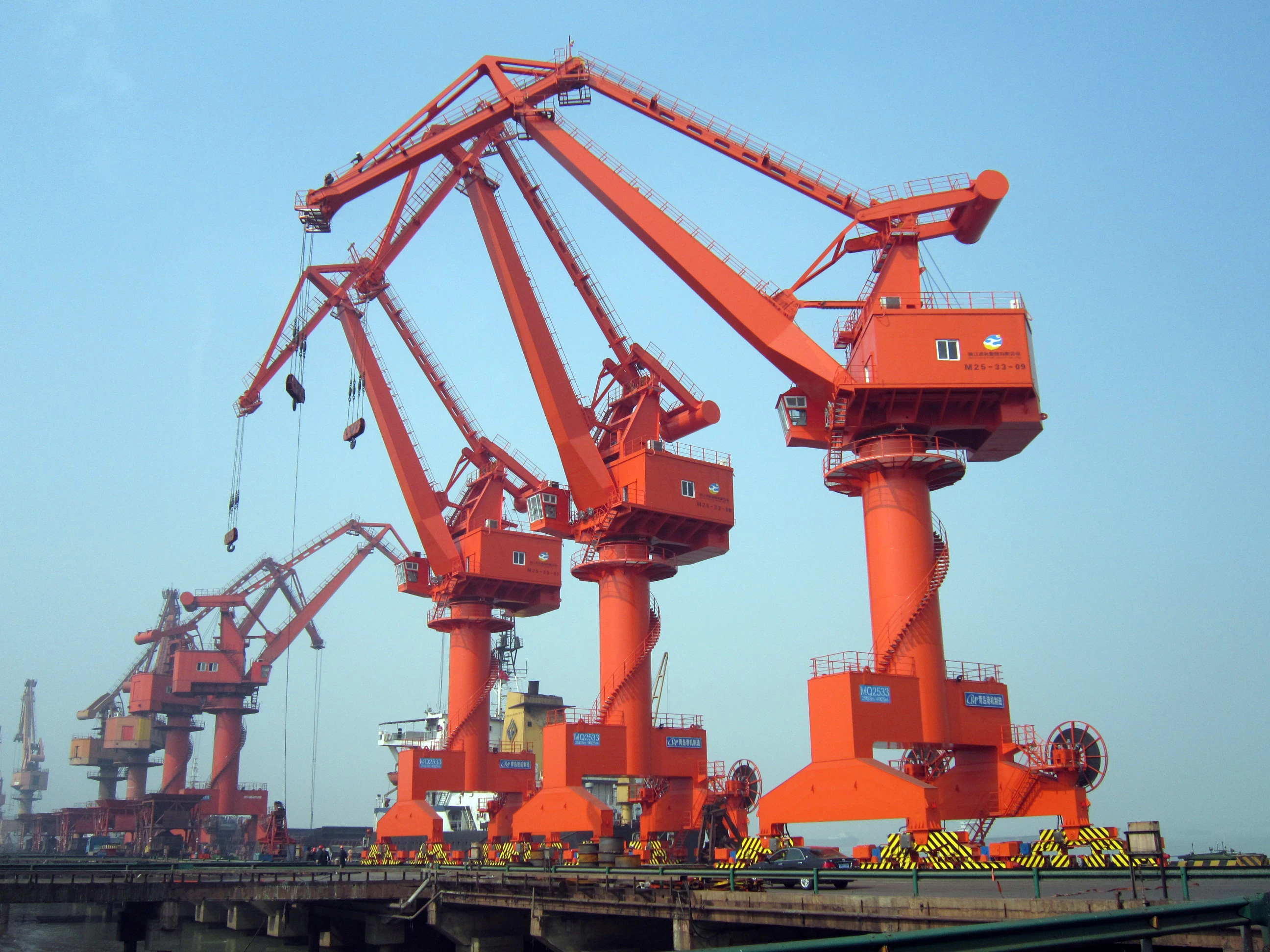
You deal with problems like load sway, crashes, and picking mistakes with container gantry crane: boost pick success with sensors. Scattered things, small tracks, and heavy loads make work hard. Sensors let you check safety, energy use, and anti-sway actions. CEGC gives you container gantry crane: boost pick success with sensors that help you do better. The Asia Pacific area spends a lot on container gantry crane: boost pick success with sensors, and big ports use container gantry crane: boost pick success with sensors for safe, steady work. Data shows container gantry crane: boost pick success with sensors help you pick right the first time and try less. Pick container gantry crane: boost pick success with sensors to work faster.
Key Takeaways
-
Use sensors to make container handling more accurate. Position sensors help you put containers in the right spot. This lowers mistakes and makes work faster.
-
Use safety sensors to keep your team and machines safe. Load cells and alarms stop overloads and warn workers about dangers. This makes the workplace safer.
-
Use real-time monitoring and predictive maintenance. These tools help you watch crane health and how it works. This cuts down on downtime and repair costs.
Sensors in gantry cranes: types and roles
Sensors are found in many gantry cranes today. These devices help you pick containers better and keep people safe. Sensors come in different types, and each has a special job. You use position sensors, load cells, machine vision, proximity sensors, and environmental sensors to make your crane smarter. CEGC lets you choose sensor sets and safety features for your project, so your terminal gets what it needs.
Position sensors for accuracy
Position sensors help you handle containers with accuracy. Linear position sensors are important for placing containers exactly. They help you line up containers where you want them. You make small changes with these sensors, so your crane moves safely.
-
Linear position sensors show where the crane is right now.
-
You use them to guide the spreader and container to the correct spot.
-
These sensors help you make movements more accurate, so you make fewer mistakes and work faster.
-
Smart sensors track every move, so you always know where your crane is.
Load cells and safety sensors
Load cells and safety sensors protect your crane and your team. Gantry cranes use load cells, load pins, and tension links to check weight and stop overloads. These sensors warn you when loads get close to safe limits. Some systems can stop the crane if things get dangerous. You avoid accidents and damage with these safety features.
|
Evidence Description |
Impact on Safety |
|---|---|
|
Load cells check load information in real time, so mistakes and failures happen less. |
Operators know more and make better choices, so accidents happen less. |
|
Load cells measure weight all the time and set off alarms or stop movement when limits are close. |
This keeps loads safe and stops big failures and injuries. |
|
Feature |
Safety Benefit |
|---|---|
|
Stops overloading and accidents. |
|
|
Saves load history for checking trends. |
Helps find patterns that could cause unsafe conditions. |
|
Watches wind speed and boom angle. |
Stops unsafe lifts by giving important data. |
Smart sensors check wind speed and boom angle, so you avoid unsafe lifts. Safety sensors help you keep your team safe and make your terminal work better.
Machine vision and anti-collision systems
Machine vision and anti-collision systems stop crashes and keep things running well. Gantry cranes use new technology to find obstacles and watch blind spots.
|
Technology |
Function |
|---|---|
|
Find obstacles like container stacks, vehicles, and structures. |
|
|
Radar Sensors |
Work well in bad weather for finding moving cranes and watching vehicles. |
|
Ultrasonic Sensors |
Find things close to the crane, like gantry legs and spreaders. |
|
Vision Systems |
Use cameras with AI to watch blind spots and find objects. |
You see fewer crashes when you use these systems. Machine vision and anti-collision sensors can cut collision and grounding events by up to 25%. Terminals with good collision prevention technology see fewer collision incidents by 10–20%. You keep your crane safe and your work steady.
You also use environmental sensors like proximity sensors, zone control systems, and collision avoidance systems.
-
Proximity sensors find nearby objects and warn you to stop accidents.
-
Zone control systems set safe areas and warn you when you get close to restricted zones.
-
Collision avoidance systems talk to crane controls to stop movement and prevent crashes.
-
Automation lowers human mistakes and keeps your team safe.
CEGC lets you pick hook height, lifting parts, wireless controls, and safety upgrades. You choose single or double girder cranes for your needs. You add overload protection, limit switches, and emergency stops to keep your team safe and work better. You get a crane that fits your space and helps you work smarter.
Boosting crane efficiency and pick accuracy
Anti-sway and motion control
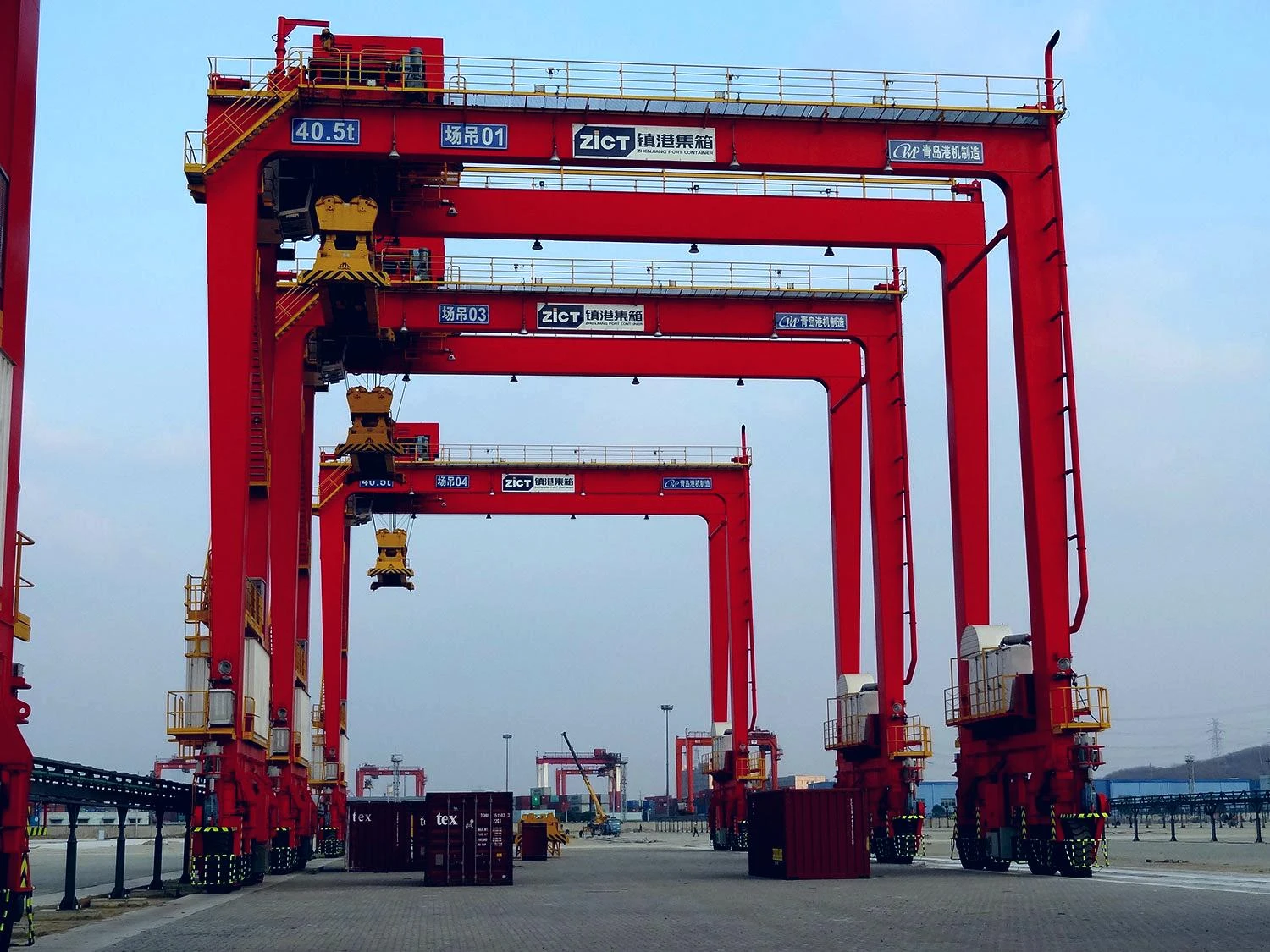
You want your container gantry crane to move fast and accurately. Anti-sway and motion control systems help you do this. These systems use sensors and automation to keep loads steady. Anti-sway algorithms make load sway stop 10% to 15% faster. This lets you place containers with more accuracy and less risk. Input-shaping strategies change how the trolley speeds up, so the payload moves smoothly. RMG cranes use sensors and control algorithms to fight swinging. You see less swinging when you move containers.
Automatic positioning works with these systems to guide the spreader. You get fewer mistakes and faster cycles. The table below shows how control methods improve accuracy:
|
Method |
Mean Position Error (m) |
Mean Angular Error (deg) |
|---|---|---|
|
RL |
0.27 |
7.85 |
|
PID |
0.08 |
1.42 |
|
MJPC |
0.03 |
1.86 |
Advanced control methods lower errors and boost accuracy. CEGC gives you standard specs and custom options for anti-sway, automatic positioning, and lifting control. You get a system that fits your yard.
Real-time monitoring for operational efficiency
You need to know what happens in your yard all the time. Real-time monitoring gives you this power. Smart sensors track load status, distance, and obstacles during every lift. You get instant data feedback, so you make better choices. This helps your team work safely and efficiently.
-
You see load status and lifting progress right away.
-
You spot obstacles before they cause problems.
-
You use data to guide automatic positioning and control.
Automation technology helps you react quickly to changes. You avoid delays and keep handling smooth. The system processes data fast, so you get quick responses for safety and accuracy. You can trust your crane to work well, even in busy yards.
AI-enabled automation technology gives you live yard and berth views, automated alerts for congestion, and smart tips to stop bottlenecks. You keep your operations running smoothly.
Predictive maintenance and reduced downtime
You want your crane to last longer and cost less to fix. Predictive maintenance uses sensors and automation to watch your crane’s health. You measure temperature, vibration, and other key data during every lift. The system finds problems early, so you fix them before they stop your work.
-
Real-time condition monitoring checks your crane’s health.
-
Early fault detection warns you before big issues happen.
-
Remaining useful life prediction helps you plan maintenance.
-
Usage-based maintenance means you service your crane when it needs it, not just on a schedule.
You save money with predictive maintenance. The table below shows how much you can improve:
|
Metric |
Improvement |
|---|---|
|
Crane Availability |
20%–30% |
|
Reduction in Unscheduled Downtime |
About 25% |
You spend less on repairs and keep your crane working more often. CEGC lets you pick your monitoring points, alarm levels, and maintenance plans. You get a solution that fits your yard and boosts crane efficiency.
You get better picking, safety, and efficiency with advanced sensors in your container gantry crane. CEGC lets you choose sensors that fit your needs and gives you strong performance.
|
Feature |
Benefit |
|---|---|
|
Containers are placed faster and more accurately |
|
|
Safety sensors and alarms |
Collisions happen less and work is safer |
-
You get safer work and can track things right away.
-
Hoist moves faster and uses less energy.
-
Upgrading helps you stand out from others.
FAQ
How do sensors improve efficient container handling?
Sensors help you move containers quickly. You make fewer mistakes with sensors. Sensors give you live data. This helps you make smart choices. You handle containers better and faster.
Can you upgrade existing cranes with new sensor systems?
You can add new sensors to most cranes. Upgrading makes cranes safer. You do not need to buy a new crane. Sensors help cranes handle containers better.
What maintenance do sensor systems need?
You should check sensor wires often. Clean sensors so they work well. Regular checks keep your equipment running. This helps you stop downtime.


