
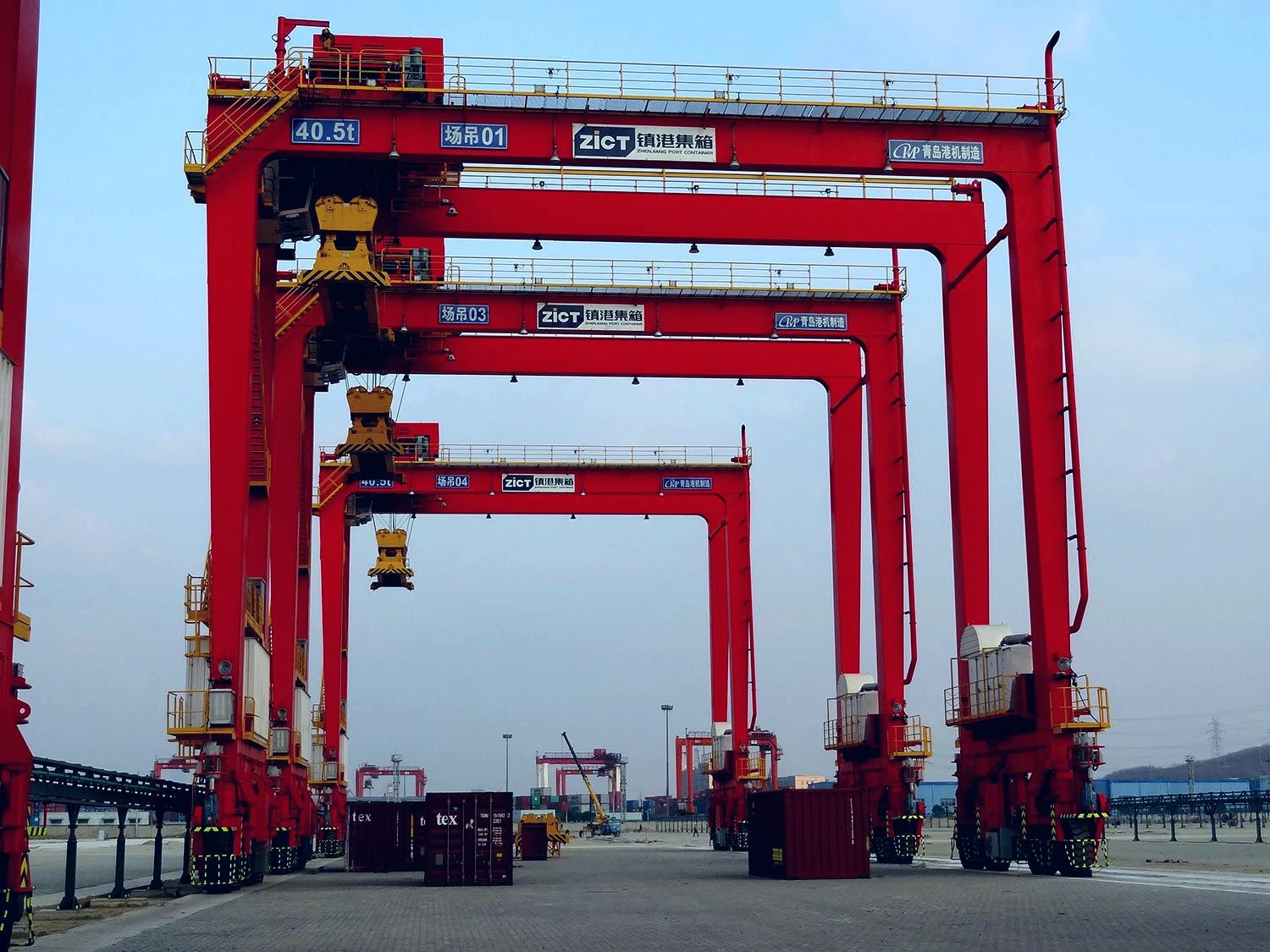
By leveraging container gantry crane remote monitoring, you can effectively support SLAs and optimize operational efficiency. Real-time data from CEGC’s advanced systems provides immediate visibility into crane and cargo status, enabling proactive management. The table below illustrates how real-time data from container gantry crane remote monitoring supports SLAs and enhances compliance rates:
|
Aspect |
Impact on SLA Compliance Rates |
|---|---|
|
Identifies potential issues before they escalate, allowing for early intervention and smoother operations. |
|
|
Condition monitoring sensors |
Facilitates predictive maintenance and reduces unexpected downtime, which is crucial for meeting SLAs. |
|
Wireless communication |
Enhances team coordination and accelerates response times, directly supporting service level agreements. |
With CEGC, you can minimize vessel turnaround times and increase cargo throughput. The integration of container gantry crane remote monitoring supports SLAs by enabling faster decision-making and maintaining a safer, more reliable port environment.
Key Takeaways
-
Real-time monitoring finds problems early. This lets managers fix things before they get worse. It helps everything run better.
-
Predictive maintenance stops machines from breaking suddenly. This saves up to 30% on fixing costs. It also makes the area safer.
-
Using data helps people make better choices. This makes work faster and easier. Ports can meet SLAs more easily.
Remote monitoring for container gantry cranes
What is remote monitoring
Remote monitoring lets you check your container gantry cranes from far away. You can see how well each part works, like motors and hoists, in real time. CEGC’s systems act like a control center for your port machines. You can watch things like lifts, engine hours, and fuel use without being there. This helps you find problems early and plan repairs. Your equipment keeps working well. You also get help from automatic controls and smart data tools. These tools help you fix things before they break.
-
IoT helps you see what is happening right now and control things automatically.
-
You get detailed data from each crane part.
-
Smart data tools help you plan ahead.
-
You can find and log problems fast.
-
Alerts remind you when it is time for regular repairs.
Key technologies and CEGC solutions
You need some main tools to make remote monitoring work. IoT sensors gather data from motors, brakes, and other parts. Cloud platforms keep this data safe and let you see it anywhere. You can use dashboards and get alerts. Data tools help you spot patterns and find problems before they get worse.
|
Feature |
Description |
|---|---|
|
IoT Sensors |
Watch things like load weight and motor heat for quick updates. |
|
Cloud Platforms |
Keep all your data in one place and let you check it from anywhere. |
|
Analytics |
Help you see patterns and stop problems before they happen. |
|
Operational Efficiency |
Help you stack containers better and waste less time. |
|
Predictive Maintenance |
Let you fix things when it is quiet so you do not lose time. |
CEGC’s solutions follow the rules for container gantry crane remote monitoring. You can change things like auto positioning, safety, and energy use to fit your port. This makes sure your system keeps your port safe and working well.
Container gantry crane remote monitoring supports SLAs
Real-time fault detection and load monitoring
You can see what is happening with your cranes right away. Real-time fault detection and load monitoring help you spot problems fast. This keeps people safe and stops accidents. You can check safe limits all the time. Alerts tell you when cranes reach their maximum load. Motion compensation technology helps keep loads steady. These features stop overloading, reduce load sway, and lower collision risks.
|
Evidence Description |
Impact on Safety Risks |
Impact on Load Sway |
Impact on Collision Exposure |
|---|---|---|---|
|
Stops dangerous overloading |
Less load sway with careful watching |
Fewer collisions because workers know what is happening |
|
|
Real-time alerts for maximum capacity limits |
Operators can change or stop work |
Lifting is more stable |
Accidents are less likely with better awareness |
|
Motion compensation technology |
Handles vessel movement |
Loads stay steady during work |
Collisions with other equipment or structures happen less |
You keep cranes working longer by finding faults early. You plan repairs and manage spare parts better. This saves 30% on maintenance costs. You make things safer by keeping people away from dangerous places. Real-time data helps you take care of cranes before they break.
|
Benefit |
Description |
|---|---|
|
Boost Uptime |
Watching cranes all day and night finds problems early and keeps work going. |
|
Planning repairs and managing parts cuts down on surprise fixes. |
|
|
Improved Safety |
Fixing things before they break keeps people safe and machines working longer. |
|
Real-time data helps you keep cranes healthy and avoid big breakdowns. |
Effective load monitoring for safety and efficiency
You use load monitoring to keep cranes safe and working well. This makes work faster and keeps cranes running longer. You spend less on repairs. Cycle times get shorter, and resources are used better.
|
Improvement Type |
Description |
|---|---|
|
Enhanced Operational Efficiency |
Load monitoring helps you make good choices and manage loads better. |
|
Increased Equipment Uptime |
Watching cranes all the time stops breakdowns and keeps them ready. |
|
Reduced Maintenance Costs |
Handling loads right means fewer accidents and lower repair costs. |
|
Cycle Time Reduction |
Control systems make work faster without making it unsafe. |
|
Improved Resource Utilization |
Knowing the load helps you use resources well and get more done. |
You get safety and steady work. You lower risks and move more cargo by using load monitoring systems that give exact data. You keep cranes working and cut down on downtime, which helps meet SLAs.
Predictive maintenance and reduced downtime
You use predictive maintenance to stop surprise breakdowns and make cranes last longer. Watching important things like temperature and vibration helps you find problems early. Fixing things on time stops small issues from becoming big ones. AI and smart tools help you see problems before they happen. You plan repairs instead of rushing to fix things. This lowers repair costs. Alerts tell you when something is wrong, making work safer and stopping downtime.
-
Watching important things helps you find problems early.
-
Fixing things on time stops big failures.
-
AI and smart tools help you see problems before they happen.
-
Planning repairs lowers costs.
-
Alerts make work safer and stop downtime.
You keep cranes working well and avoid disruptions. You keep high performance and help meet SLAs.
Data-driven decision-making and transparency
You make work more stable and clear with remote monitoring. Using data helps you work better and make fewer mistakes. You use AI and IoT to use resources wisely and lower risks. You can test different ways to work before trying them for real.
Being clear builds trust between port workers and clients. You share what to expect and how things are going. This stops confusion and helps business goals. Real-time data shows you are reliable and makes clients feel like partners. You watch every step of the order and keep customers calm.
You check SLA compliance with key numbers:
|
KPI |
Description |
Data Source |
|---|---|---|
|
How long ships stay at the port, split by different steps. |
TOS vessel log, pilot/tug timestamps |
|
|
Berth occupancy (%) |
How much time ships use the berth compared to total berth time. |
N/A |
|
Gross crane moves per hour (GMPH) |
Total moves divided by time from first to last move. |
TOS or crane PLC |
|
Crane availability (%) |
How often cranes are working when they should be. |
N/A |
|
Import dwell time (days) |
How long containers stay in the terminal. |
TOS discharge/gate-out timestamps |
|
Yard utilization (%) |
How many slots are filled in the yard. |
N/A |
|
Truck turnaround time (minutes) |
How long trucks take to get in and out. |
N/A |
|
Rehandle rate (%) |
How many times containers are moved again compared to total moves. |
TOS move type codes |
|
Equipment availability (%) |
How often equipment is ready to use. |
Maintenance logs, IoT status |
|
Total Recordable Incident Rate (TRIR) |
How many incidents happen compared to hours worked. |
N/A |
You help ports get better all the time. Real-time data helps you make good choices, manage resources, work better, and handle ships safely. You follow environmental rules and plan for bigger ships without digging more. You use water data to plan ship moves.
You stop big problems like damaged containers, delays, and higher costs. Finding impacts right away stops damage. Working better stops delays. Watching things helps avoid costs from broken cargo.
You see how SLAs change over time by using remote monitoring. Remote-controlled electric rubber-tyred gantry cranes show more automation. This makes work faster, safer, and better for the environment. These things help SLAs get better for a long time. You follow world trends for clean energy and sustainability.
You follow safety and work rules from around the world. Sensors find problems you can see and ones you cannot. This helps you fix things early and follow safety rules. Quick help for fixing problems keeps cranes working and follows standards. Real-time data helps plan repairs and follow safety rules.
You lower costs for crane life and repairs. Smart systems cut downtime and make work better. Digital monitoring helps plan repairs and saves money. You make things safer and use less energy, which lowers costs. Remote monitoring gives you useful information about crane use. This helps you manage cranes and change workloads with real-time data.
Container gantry crane remote monitoring supports SLAs by giving clear results. You get less downtime, better safety, steady work, and smoother operations. You use load monitoring and data to work better and meet SLAs.
You can follow SLAs better with container gantry crane remote monitoring. This makes your cranes work well, stay safe, and be more efficient. Real-time sensors and remote checks help you find risks early. To get the best results, make a plan for spare parts. You should also look at old data to see what happened before. In the future, new tools like automatic tracking and predictive maintenance will help your port stay ahead.
FAQ
How does remote monitoring improve container gantry crane safety?
You get alerts right away if there is an overload or fault. This helps you stop accidents and keeps your team safe every time you work.
Can you customize CEGC’s remote monitoring for different port needs?
Yes. You can pick which sensors to use and how much automation you want. You can also choose anti-corrosion grades. CEGC changes its solutions to match what your port needs.
What data can you access with CEGC’s remote monitoring system?
You can see load weights, equipment status, and energy use. You also get alerts for maintenance. This information helps you make good choices and keep things running smoothly.


