
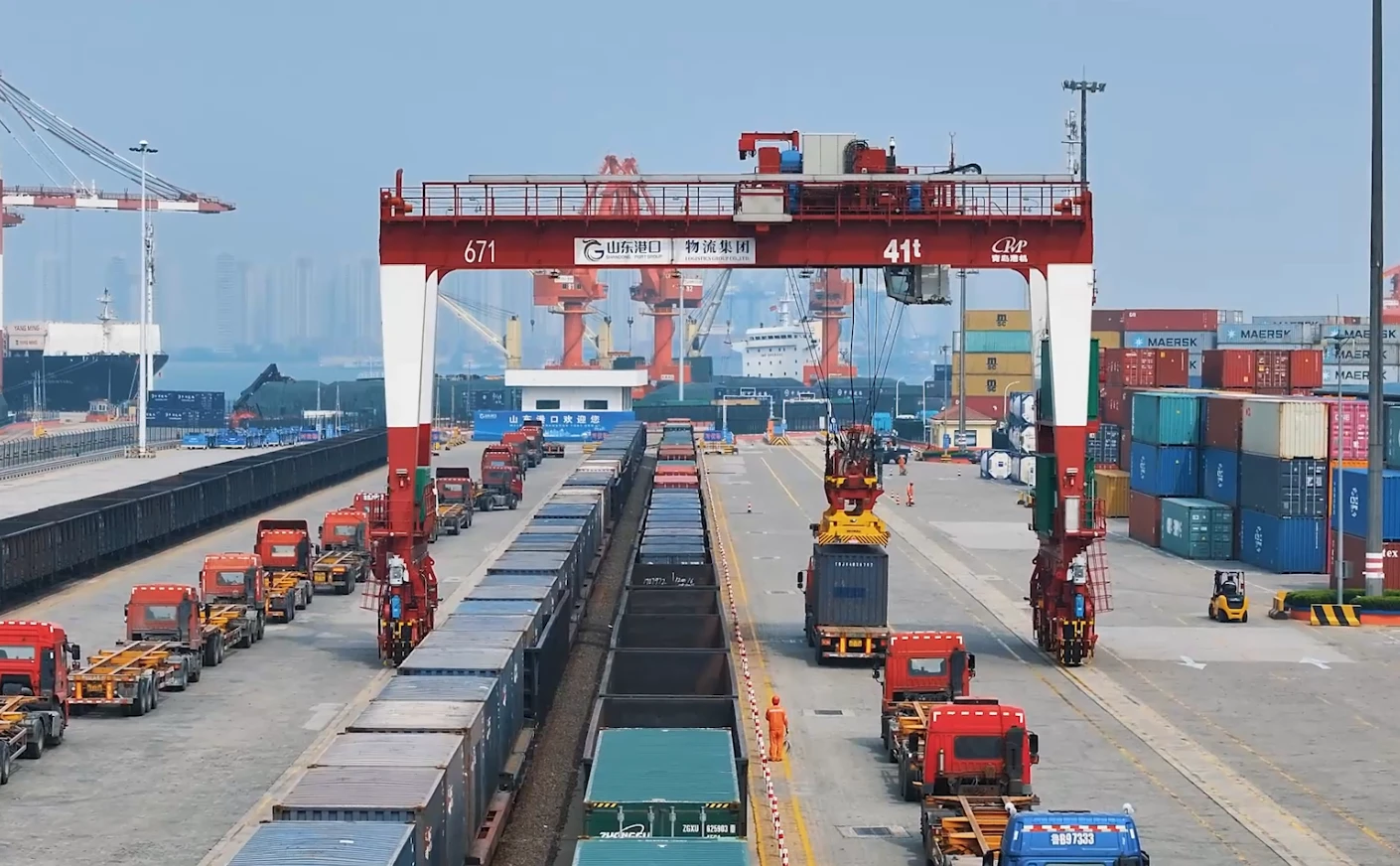
You deal with the container gantry crane: sway control vs speed tradeoff every day. CEGC helps you fix load sway, collision risk, and wind load problems. Anti-sway systems make sway smaller, but they also slow down the cycle time. Look at how sway control changes speed:
|
Metric |
Value |
|---|---|
|
Average lifting time |
|
|
Sway amplitude without device |
Up to 2 m |
|
Time spent on positioning |
43% - 59% of work cycle |
Key Takeaways
-
Sway control systems help stop loads from swinging. This makes moving containers safer and more exact.
-
It is important to balance speed and sway control. Faster cranes can do more work but may swing more.
-
Adding the right features from CEGC can help cranes work better. This also makes them safer and lowers repair costs.
Sway Control in Container Gantry Cranes
What Is Sway Control
When you move a container, you see sway. Sway is when the load swings back and forth. This makes it hard to put containers in the right spot. CEGC builds cranes with special control systems to make sway smaller. You use control strategies like Lyapunov pole placement, linear quadratic regulator, and PID control. These help keep the load steady and follow the trolley’s path. Wind load can make sway worse, especially with big containers. You need control systems that change for wind and different operator skills.
|
Type of Anti-Sway System |
Description |
|---|---|
|
Hoist-based Anti-sway |
Changes hoist motor speed to adjust rope length. It works well for up and down sway. |
|
Trolley-based Anti-sway |
Changes trolley movement to stop side-to-side sway. It works well when moving fast. |
|
Combined Hoist and Trolley Control |
Uses both movements to fix sway in many directions. This helps you be more accurate. |
You can pick active, semi-active, or passive anti-sway systems. CEGC lets you choose what fits your crane best.
Safety and Precision Benefits
Sway control gives you many good things. You lower the chance of crashes and keep your team safe. You can put containers in the right place on trucks, ships, or racks. Sway control stops the load from swinging and helps you avoid accidents. You get better control, even if the wind changes or the operator is new. CEGC matches its sway control to market rules. You can pick sensor sets, anti-collision zones, and what certificates you need. Sway control can make your crane up to 60% faster. You can pay attention to your work area, not just the sway.
Tip: Sway control helps you stay safe and work better. You get steady loads and fewer accidents.
Speed Tradeoff and Throughput
Why Speed Matters
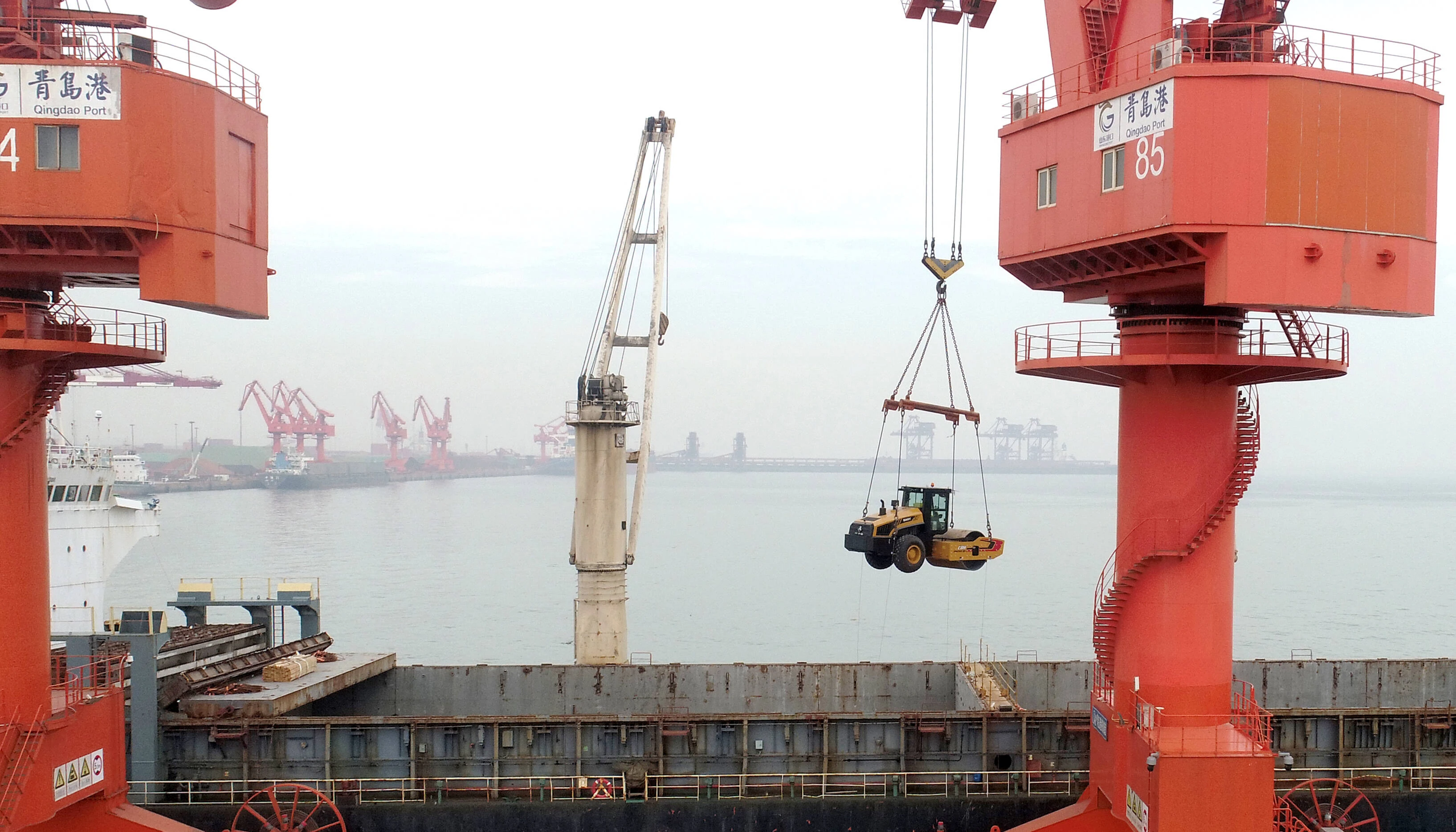
You want your container gantry crane to move fast and stay safe. The speed of your crane decides how many containers you move each hour. If you use better motors and control systems, you can lift and move containers faster. This means you spend less time loading and unloading. That helps you reach your throughput goals. In a busy port, every second is important. If your crane moves at 60 to 120 meters per minute for trolley travel and 30 to 50 meters per minute for lifting, you can keep up with the work in the container yard. Fast cranes help you cut down waiting for trucks and ships.
Impact on Productivity
Your productivity depends on how well you manage cycle time and movement. If your crane does not move in sync, you lose time and get bottlenecks. Heavy-duty jobs need cranes that do not slow down. If cycle time changes a lot, it is hard to plan and costs can go up. You can use smart control systems to match speed and movement to the load and wind. These systems use sensors and computer programs to change crane movements right away. This helps you keep control, cut down load sway, and work faster.
|
Average Load |
Lifts per Hour |
Bearing Life |
Motor Starts/Stops |
|
|---|---|---|---|---|
|
D (Heavy Service) |
~50% of capacity |
10-20 |
10,000 hours |
300 per hour |
|
E (Severe Service) |
Near rated capacity |
20+ |
20,000 hours |
600 per hour |
You can ask CEGC to make your crane fit different speeds and jobs. Custom cranes help you match your crane to your work and your yard. With the right control, you get steady work and move more containers.
Container Gantry Crane: Sway Control vs Speed Tradeoff
Physics of the Tradeoff
You notice the sway control vs speed tradeoff when moving loads. If you make the crane go faster, the load starts to swing. The load acts like a pendulum and swings back and forth. The crane lifting height changes how much the load moves. When the trolley speeds up quickly, the load swings in jerky ways. Fast changes in speed push the load sideways. These pushes make the load swing more. The swing angle depends on how fast the trolley moves, how long the rope is, how heavy the load is, and outside things. Wind can make the load swing even more. You need control systems to help with these problems. Variable frequency drives let you change how fast the crane speeds up or slows down. This helps stop the load from swinging and makes work smoother.
Anti-sway systems use sensors and special computer programs. These systems change the crane speed as you work. You get less swinging and steadier loads. The control system helps you move containers faster. The time for each cycle gets shorter, so you work better. You can move more containers in less time. Ships can leave the port sooner. The crane lifting height and control choices change how much the load sways. You must find a balance between speed and stopping sway to get the best results.
Operational Implications
You have to think about safety when using a container gantry crane. More sway means a bigger chance of hitting things. If the load swings too much, it can hit trucks, ships, or racks. You need control systems to keep the load steady. This makes work safer and more efficient. You see fewer accidents and smoother work. The crane lifting height changes how much the load sways. If you work higher up, you need better control systems.
You want to work as efficiently as possible. If you stop the load from swinging, you spend less time fixing its position. You move containers faster. Turnaround times get shorter and waiting costs go down. Smoother crane movements use less energy. This saves power and money. Less swinging means less damage to the crane, so maintenance costs drop. You must make sure the hoist, trolley, and gantry all work together. This stops delays and keeps work moving. CEGC gives you cranes that meet market standards. You can pick the crane lifting height, control systems, and how hard the crane works. You get cranes that fit your needs and help you work better.
|
Impact Type |
Description |
|---|---|
|
Improved Safety |
You make accidents less likely by keeping loads steady. |
|
Reduced Load Sway |
You do not need to fix the load as much and work faster. |
|
Faster Turnaround Times |
You load and unload containers quickly, so the terminal works better. |
|
Energy Efficiency |
You save energy because the crane moves more smoothly. |
|
Reduced Maintenance Costs |
You do not need as many repairs because the crane wears out less. |
Technological Solutions and Limits
You use smart control systems to handle the sway control vs speed tradeoff. Active anti-sway systems use sensors and moving parts. These systems stop the load from swinging while you work. Hydraulic damping systems use special parts to take away the energy from the swing. All-electronic systems use computer programs to control the crane and stop sway. Hybrid systems use both electronic and hydraulic parts. These systems help you put loads in the right place and keep work safe.
You need to know what these systems cannot do. Putting all the systems together can be hard and may affect how steady the crane is. Things like wind, heat, and shaking can make sensors give wrong readings. You must take care of the systems. You need to check sensors and update the software often. Operators must learn how the systems work and what they cannot do. Automation helps, but you still need to know the limits. CEGC lets you pick the crane lifting height, control systems, and how much automation you want. You get cranes that fit your job and help you work better.
|
Limitation |
Description |
|---|---|
|
Integration Complexity |
You must connect systems to the crane without making it unstable. |
|
Environmental Factors |
Wind, heat, and shaking can make sensors wrong. |
|
Maintenance |
You need to check sensors and update the system often. |
|
Operator Training |
You must learn what the system can and cannot do. |
You get many good things from advanced anti-sway technology. You make work safer, stop the load from swinging, and work more efficiently. You move containers faster and save energy. You spend less on repairs. You must balance sway control and speed for the best results. CEGC helps you pick cranes that fit your work. You get cranes with the right features and better performance every day.
Tip: You can ask CEGC for cranes with the right crane lifting height, control systems, and anti-sway features. This helps you work safer and more efficiently.
You deal with the sway control vs speed tradeoff all the time. You have to keep safety, efficiency, and productivity in mind. CEGC gives you cranes with special features for your port. Your main goals help you decide what crane to pick:
|
Key Aspect |
Description |
|---|---|
|
Anti-collision, overload protection, and sway control systems keep your team safe. |
|
|
Speed and Throughput |
High-speed operation improves efficiency and reduces turnaround times. |
|
Maintenance Considerations |
Durable cranes minimize downtime and withstand harsh environments. |
|
Automation |
Advanced controls reduce human error and boost productivity. |
You can ask for new torque anti-sway systems or smart rectification technology. CEGC helps you choose crane features that fit your work.
FAQ
What is anti-sway technology in container gantry cranes?
Anti-sway technology uses sensors and control systems. You get less swinging and safer container placement. This helps you work faster and avoid accidents.
How does crane speed affect load sway?
-
Faster crane movement increases load sway. You must use control systems to keep the load steady and reduce collision risk.
Can you customize CEGC cranes for different port needs?
Yes, you can ask CEGC for cranes with custom speed, lifting height, and anti-sway features. You get solutions that fit your port operations.


