
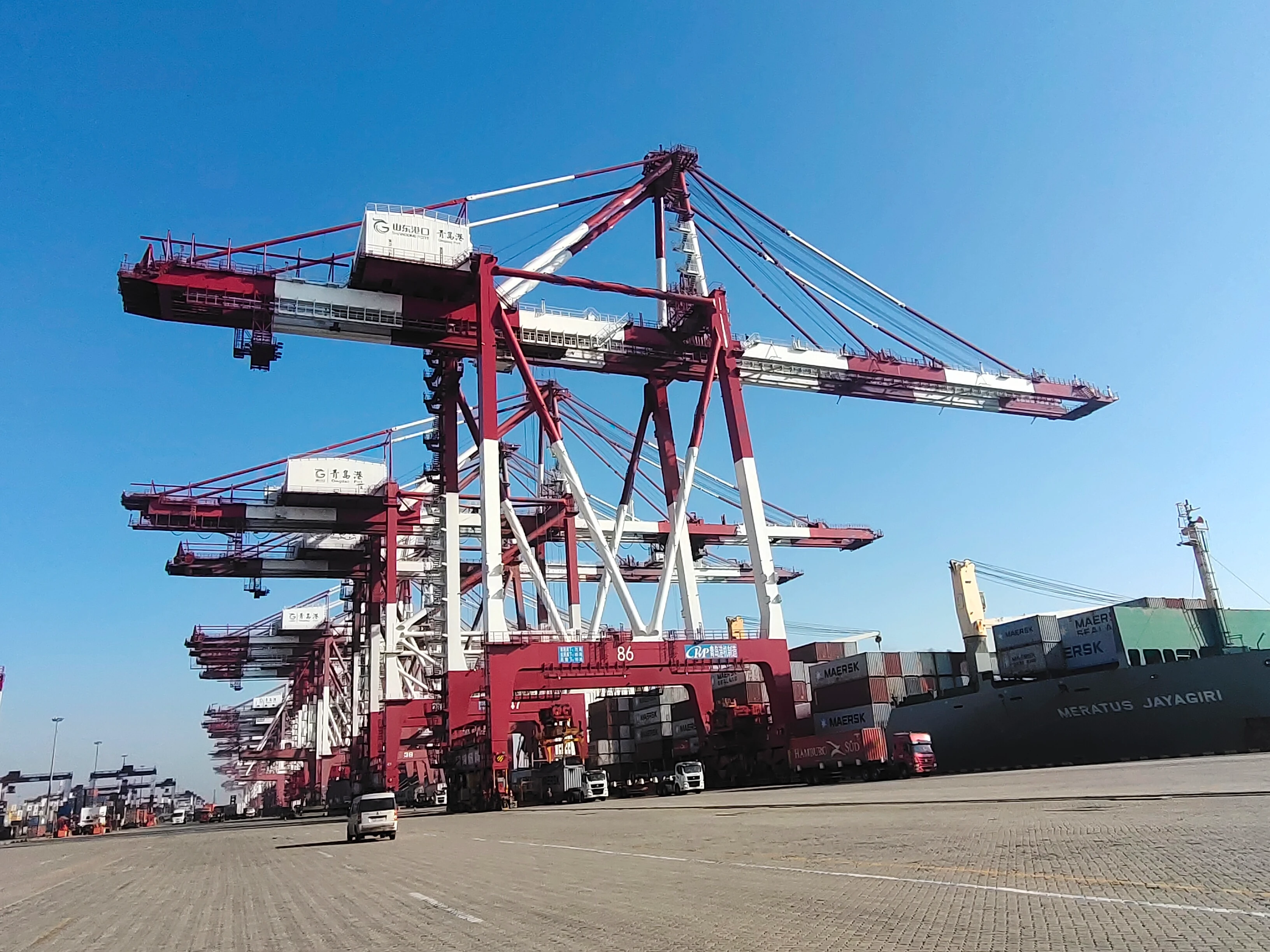
Mapping technology now lets you see where container handlers go. You can also guess where they will move next. There are big problems like empty trips and wasted routes. Did you know that 41% of container trips move empty containers? CEGC uses smart tools for container handler: empty travel reduction with mapping.
Key Takeaways
-
Mapping technology helps cut down empty container trips. It does this by finding better routes and giving real-time tracking.
-
Using smart tools can lower transport costs. They do this by making trucks run empty less often. These tools also help cranes work better by 15–20%.
-
Using these solutions saves money. It also helps the environment by using less fuel and making fewer emissions.
Causes of Empty Driving and Inefficiency
Trade Imbalances and Empty Truck Runs
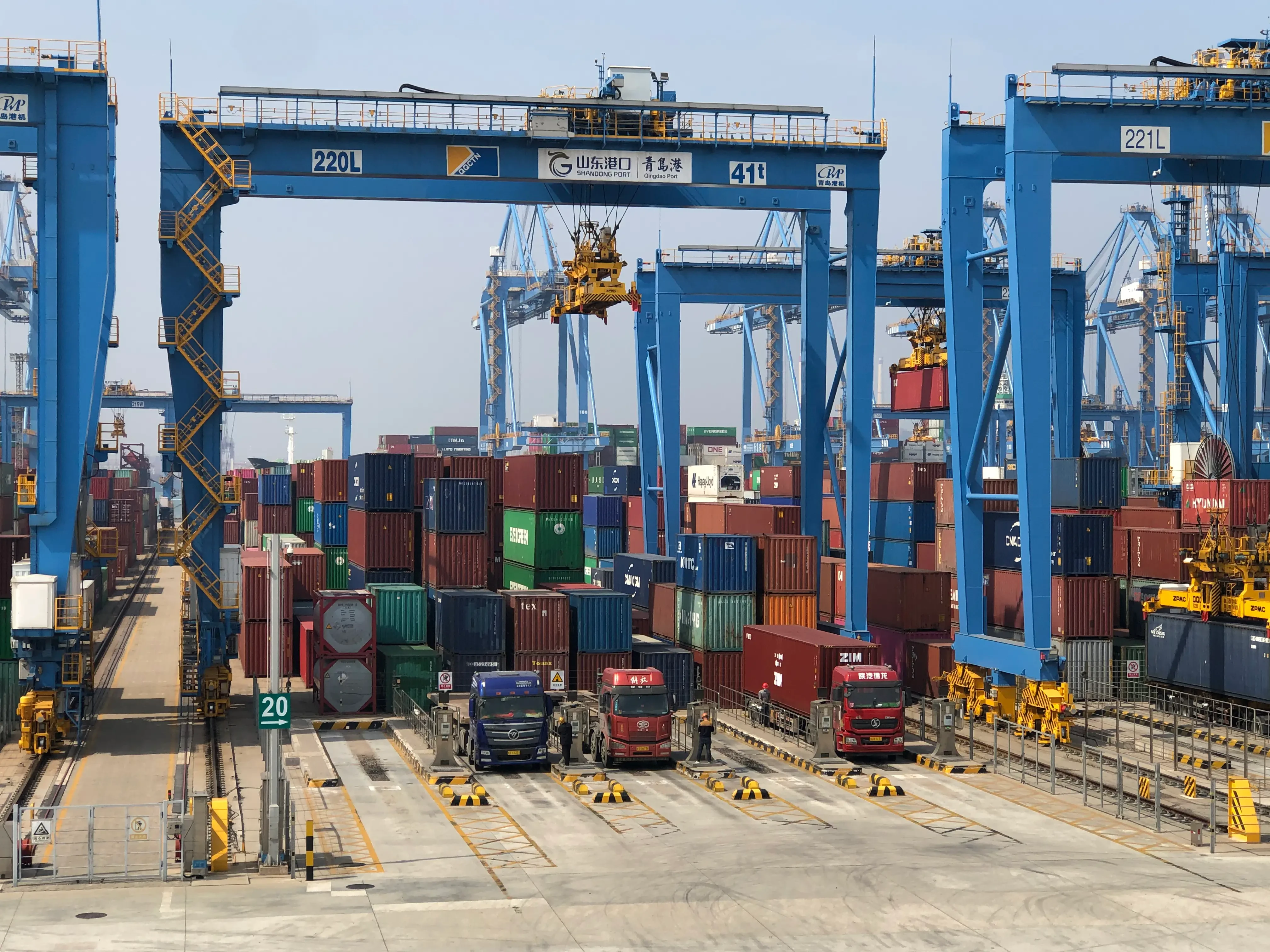
Empty driving happens a lot at container terminals. This is because some places send out more goods than they get. So, empty containers must be moved to where they are needed. Sometimes, inland depots get too many empty containers after busy times. Trucks going from Poland to Western Europe often come back empty. These empty trips mean trucks are not used well. They also make transport cost more. When scheduling algorithms do not match full and empty moves, costs go up. Moving empty containers means more truck trips. This uses more fuel and slows down ships. It also makes it harder to run a green hub depot.
-
Trade imbalances cause too many empty containers in some places and not enough in others.
-
Moving empty containers can be 30–40% of truck trips in ports.
-
Bad scheduling algorithms make transport cost more.
Poor Coordination and Lack of Real-Time Data
Bad teamwork and no real-time data make empty driving worse. If you cannot track containers or trucks, you get delays and pay more. Yards get crowded as more empty containers are moved. This means longer waits and more trucks doing nothing. Without real-time tracking, you cannot use scheduling algorithms to cut empty trips or help green hub depots. Not seeing what is happening causes more slowdowns and makes every terminal pay more.
-
Bad teamwork and no real-time data make things slow and cost more.
-
Crowded yards and idle trucks grow as empty moves increase.
-
Real-time tracking helps you decide better and save money.
CEGC’s port machines, like container handlers and container gantry cranes, use smart scheduling and real-time checks. These tools help cut empty driving, lower costs, and make every terminal work better.
Container Handler: Empty Travel Reduction with Mapping
Route Optimization and Real-Time Tracking
Mapping technology helps make container handler: empty travel reduction with mapping possible. Smart maps help drivers plan better routes. This stops wasted trips. Trucks stay close to their last job. This cuts down on empty truck runs and empty container repositioning. Real-time tracking shows where each vehicle is right now. You can react quickly if things change.
Here is how route optimization helps you:
|
Aspect |
Benefit |
|---|---|
|
Route mapping |
Drivers save time by taking shorter routes. |
|
Synchronizing flows |
Fewer trucks drive empty. |
|
Assigning sequences |
Trucks stay near their last job. |
|
Short loop routing |
Trucks pick up new loads close by. |
|
Zone-based routing |
Trucks do not travel far before switching jobs. |
Using these methods means less wasted travel. You spend less money on transport. There are fewer empty truck runs. Studies show real-time tracking can boost moves per hour by 15%. Delays drop by about 20% when you use automation and real-time data together. You get live updates on where trucks are and when they will arrive. This helps you plan better and cut empty container repositioning.
AI, Predictive Analytics, and Automated Matchbacks
AI and predictive analytics make container handler: empty travel reduction with mapping even better. These tools look at port data and guess where containers will be needed next. You can plan ahead and match empty containers with new loads. This lowers empty truck runs and empty container repositioning.
|
Evidence |
Description |
|---|---|
|
Proactive Planning |
Predictive shipping helps you plan early and avoid last-minute trips. |
|
Route Optimization |
AI tools pick the best routes and schedules. |
|
Data Sharing |
Predictive models help ports and shippers share info. |
|
Operational Benefits |
Fewer empty moves mean less fuel and fewer problems. |
|
Demand Visibility |
AI shows where containers can be reused. |
|
Enhanced Planning |
Forecasting tools help manage supply chains and costs. |
You can see these benefits in real life. Multi-agent scheduling systems have cut idle and empty moves by 15–25%. Digital twins and machine learning can lower empty gantry time even more. These smart systems keep empty truck runs low and make empty container repositioning work better.
Reducing Empty Truck Runs and Energy Costs
Focusing on container handler: empty travel reduction with mapping saves energy too. Moving empty containers wastes fuel and time. Containers sit idle for about 56% of their life. This means you spend a lot just moving empty containers. Fewer empty truck runs save fuel and lower energy bills.
CEGC gives you technical solutions for this. Anti-sway control helps cranes move containers smoothly. This makes work faster and keeps yards less crowded. Motion coordination lets trucks and cranes work together. This means less waiting and shorter lines. Smart dispatching tells you which truck or crane should move next. This lowers empty container repositioning and transport costs.
Predictive maintenance makes your equipment more reliable. Mapping technology helps you find problems before things break. You spend less on repairs and your machines last longer. You also make things safer and follow rules more easily.
Financial and Environmental Benefits
You will see big money savings with container handler: empty travel reduction with mapping. After using mapping and smart tools, crane productivity goes up by 15–20% during busy times. Truck wait times get shorter. Port stay times go down. You get paid faster and your customers are happier.
|
Benefit |
Before Implementation |
After Implementation |
|---|---|---|
|
Crane Productivity |
Normal productivity |
|
|
Truck Turn Time |
Longer waits |
Much shorter waits |
|
Port Stay |
Longer stays |
Shorter stays |
|
Revenue Management |
Slow billing |
Faster payments |
|
Customer Satisfaction |
Manual checks |
Happier customers |
Cutting empty truck runs and empty container repositioning helps the environment too. You can save 10–20% on fuel and cut emissions by 15–30%. This helps you meet rules and shows you care about the planet. Using less fuel also lowers your transport costs and makes your port greener.
Real-time data makes your work smoother. Automation and integration help you grow and keep costs low. You also make things safer and help the environment.
CEGC’s container handling equipment, like portal cranes, container cranes, and reach stackers, supports these smart solutions. You get good performance and can change things for your project. With container handler: empty travel reduction with mapping, you turn empty truck runs and empty container repositioning into a win for your business.
You can fix empty driving and wasted trips with mapping technology and CEGC’s smart tools.
-
Automation helps workers do more and keeps them safe.
-
Real-time data helps stop delays and saves money.
-
Using less fuel and making less pollution helps the planet.
You use your resources better, make more money, and run a greener port.
FAQ
How does mapping technology help reduce empty container moves?
Mapping technology lets you see where containers are right now. You can plan routes better and cut down on empty moves at your logistics hub.
What role do smart dispatch systems play in port operations?
Smart dispatch systems give jobs to trucks and cranes. This makes moves faster. There are fewer empty runs. Equipment gets used more.
Can these solutions lower costs and emissions?
You spend less money by using less fuel and making fewer empty trips. You also help the environment by making less pollution at your port.


