
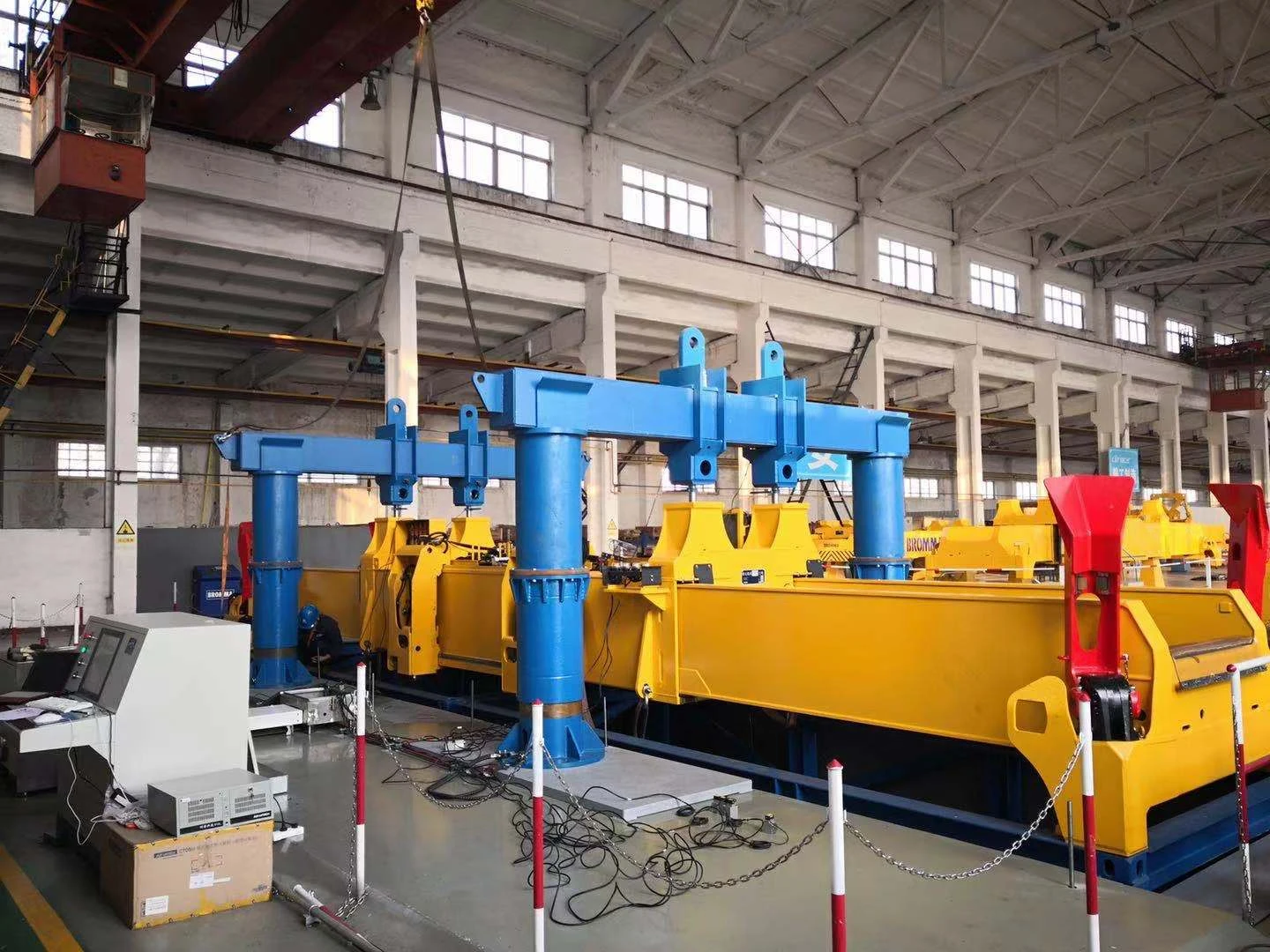
You want to move more containers in a smaller area. High-density stacking makes ports work better, but there are challenges like load sway, slow work speed, rust, and unexpected machine stoppages. CEGC provides the container handler: pick success for high-density stacking, designed to enhance your operations. Their innovative machines help you work safer, faster, and with fewer issues.
Key Takeaways
-
Pick the best stacking method to use space and work faster. The 45° angled layout gives easier access and saves energy.
-
Buy CEGC container handlers for safe and fast stacking. Their special features help stop load sway and make work quicker.
-
Use predictive maintenance to keep your machines working well. This way, you save time and money by fixing problems early.
Efficient container handler: pick success for high-density stacking
Container stacking methods and workflow
You want to use your yard space well. Picking the best stacking method helps you fit more containers. It also lets you move them faster. Each method has its own good points for space, speed, and saving energy. The table below shows how stacking layouts are different:
|
Stacking Method |
Space Utilization |
Operational Efficiency |
Energy Efficiency |
|---|---|---|---|
|
45° Angled Layout |
Better because you can reach containers easily and move them less |
Higher since you do not need to move containers as much |
Uses less energy because there are fewer moves |
|
Parallel Layout |
Okay, but it is harder to reach containers |
Lower because you need to move containers more |
Uses more energy because there are more moves |
|
Perpendicular Layout |
Lets you stack the most containers but is hard to move them |
Lowest because it is hard to get to containers |
Not good for energy because you drive farther |
The 45° angled layout gives you easier access and saves energy. The perpendicular layout lets you stack more containers, but moving them is harder. You need to think about space and speed when you plan your stacking.
Modern ports follow a clear process for stacking:
-
Yard workers use machines like terminal tractors and automated guided vehicles to move containers.
-
Planning helps you know where to put each container and what equipment to use.
-
You use different cranes and vehicles for different jobs. This changes how much energy you use and how many workers you need.
When you stack containers, you want the process to be smooth and safe. Good planning and the right machines help you avoid delays and keep your yard working well.
CEGC container handling equipment overview
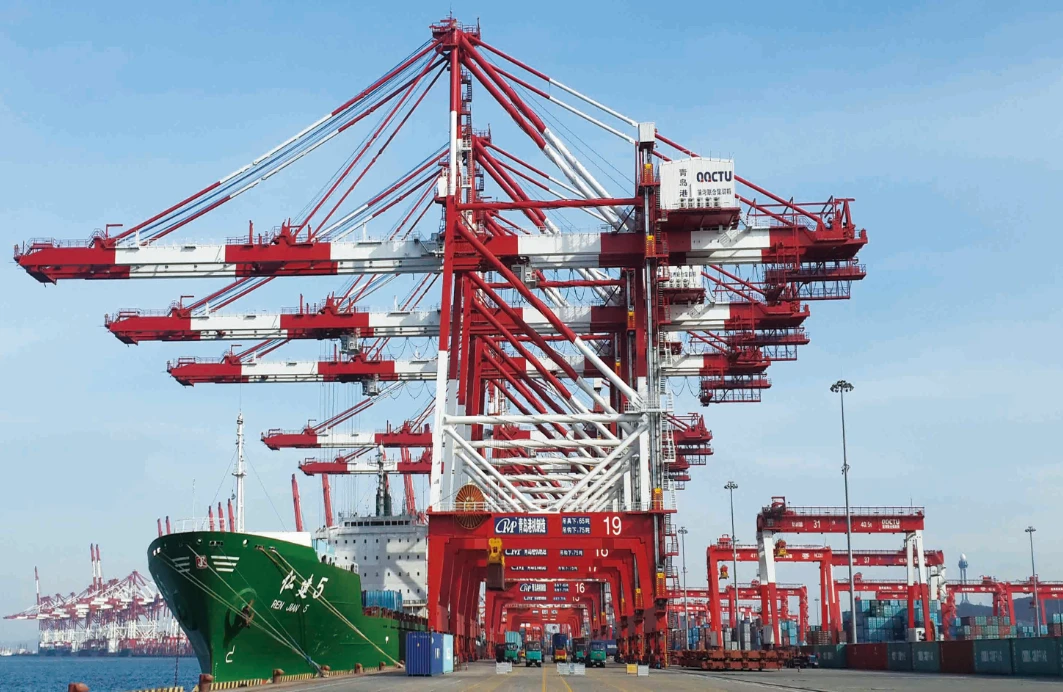
You need good container handlers to keep stacking fast and safe. CEGC has many types of container handling machines. These include portal cranes, container gantry cranes, reach stackers, and ship cranes. These machines help you move containers quickly and safely, even when you stack them close together.
CEGC reach stackers can lift containers up to five or six layers high. Their telescopic booms and strong hydraulics help you store more containers and still reach them easily. Electrohydraulic controls make the job easier for operators and help them work more accurately. Digital pumps use less energy and help you get more work done. Smart actuators let you change force and speed for different stacking needs.
CEGC container handlers have sensors, telematics, and IoT connections. These features help you track where containers are, how heavy they are, and how much fuel you use. Semi-automated functions, like positioning help, let you place containers faster and with fewer mistakes.
You can pick from many options to customize your machines. You might want electric or hybrid power to save fuel and lower pollution. You can choose how much automation fits your team. CEGC lets you change equipment for your yard’s size, stacking height, and how often you use it. This makes it easier to handle any stacking problem.
Safety and anti-sway control systems
Safety is very important when you stack containers high. Load sway and crashes can cause accidents and slow down your work. CEGC container handlers use smart safety and anti-sway systems to keep stacking safe and fast.
Here is how these systems help you:
-
Real-time monitoring checks how loads move and gives updates right away.
-
Anti-sway technology keeps loads steady so you can place containers exactly where you want.
-
Safety interlocks stop unsafe actions before they happen.
-
Motion sensors change crane actions if they see too much sway.
-
Operators get warnings about unsafe conditions to help avoid accidents.
These features do more than keep people safe. They also:
-
Lower load sway, so there are fewer crashes and dropped containers.
-
Make it easier to put containers in the right spot, which saves time and helps you work faster.
-
Reduce wear on cranes and parts, so your machines last longer.
-
Stop dangerous actions and make your equipment more reliable.
-
Make maintenance easier by lowering surprise breakdowns.
Automation, like anti-sway and automatic positioning, helps you avoid mistakes. This is important for safe and fast stacking. CEGC container handlers meet international safety rules. Automated safety checks and operator diagnostics make sure your machines are ready to work.
You want your yard to run with little downtime. CEGC offers predictive maintenance and strong, marine-grade machines. Condition monitoring lets you find problems early and fix them before they get worse. You only do maintenance when you need it, which saves time and money. Early detection stops big failures and keeps stacking going.
You can trust CEGC container handler: pick success for high-density stacking to help you move more containers, stack them higher, and keep your team safe. With the best stacking method, advanced machines, and strong safety systems, you can make your yard more efficient.
Best practices for container stacking and yard optimization
Maximizing stacking density and space utilization
You want to fit more containers in your yard. You also want to keep things safe and fast. The right stacking methods help you use all your space. You can stack higher by using strong racks and stable systems. This lets you store more containers in the same spot.
Use vertical space by stacking in more layers. Make sure racks stay strong and containers are safe. Spread the weight out so no one spot gets too heavy. This keeps the system from getting weak.
Try these steps to get the most from your yard:
-
Stack higher with taller racks or more levels, but always check for safety.
-
Use dynamic storage systems like push-back racks for more stacking.
-
Add mezzanine floors if you need more space without building new things.
-
Spread the weight so racks stay steady.
-
Check and change your layout often to fit your needs.
Safety is most important when you stack more containers. Make sure racks can hold the weight. Look at your systems often to find problems early. Good stacking keeps your yard safe and working well.
You can see real gains when you use your space better. The table below shows how better stacking helps your yard:
|
Metric |
Improvement Percentage |
|---|---|
|
Container Space Utilization |
5-20% |
|
Loading/Unloading Time Reduction |
10-25% |
|
Transportation Cost Reduction |
3-10% |
|
Cargo Damage Reduction |
5-15% |
Smart stacking helps you move containers faster and save money. It also keeps your cargo safe from damage.
Operator training and workflow integration
Your team needs the right skills for high stacking. Training helps operators work safely and quickly. You should teach them how to use CEGC container handlers and follow best stacking steps.
You can get better results by linking your team with smart systems. When you connect your equipment to terminal systems, you get updates right away. This helps you plan better and avoid delays.
-
Linking your systems lets you change schedules as things happen.
-
Real-time data from machines helps you make quick choices.
-
Working together with automated vehicles and cranes keeps things moving and stops lines.
High stacking can make your yard hold up to 18% more. Smart tools help you put containers where you need them. This means less reshuffling and easier access to busy containers. Better scheduling can cut waiting time by about 20%. You can move more containers each hour.
You can also use automated systems to handle load order. This means less manual work and faster stacking. When you match stack rules with quay logic, you cut wait times. Smooth yard work helps quay cranes do better and lowers berth time.
Maintenance, durability, and predictive systems
You want your stacking machines to last, even in tough places. CEGC makes container handlers that can handle salt, humidity, and dust. With good care, your equipment lasts longer.
Here are some tips to keep your machines working well:
-
Seal containers tight to keep out seawater and rain.
-
Ventilate to keep things dry and stop moisture.
-
Remove rust or stains fast with grinding or spot welding.
-
Repaint after cleaning to stop rust.
-
Use a special coating to fight rust on clean spots.
-
Deep clean to get rid of dirt and rust in hard places.
-
Treat small rust spots before they spread.
-
Use rust converters to stop corrosion.
-
Clean moving parts with air or pressure washers.
-
Lubricate important parts with outdoor grease, especially after bad weather.
CEGC has predictive maintenance systems with sensors to find problems early. These systems tell you when to fix things before they break. You save money because you only fix what needs fixing. You also have less downtime and keep stacking going.
|
Evidence Description |
Key Benefit |
|---|---|
|
Predictive maintenance does repairs just before something breaks. |
This means less time offline and lower costs for extra repairs. |
|
It finds problems early using sensor data. |
This means less surprise downtime and better port work, which saves money. |
|
Keeps terminals running by finding problems early. |
This means fewer stops and better work in the terminal. |
When you follow these best steps, you get real benefits. You move containers faster, spend less, and keep your yard safe.
|
Benefit |
Description |
|---|---|
|
Improved Efficiency |
Less waiting at the quay and faster loading and unloading, so ships leave sooner. |
|
Enhanced Predictability |
Smoother yard work gives shipping companies better timing, so there are fewer delays. |
|
Lower Handling Costs |
Fewer moves per container and more yard space. |
|
Increased Throughput |
Studies show a 5-7% rise in throughput for a 10% gain in stack density. |
|
Reduced Carbon Footprint |
Less crane and vehicle travel helps the environment. |
You can trust CEGC container handlers to help you reach these goals. Their strong build, easy service, and energy-saving features keep your stacking safe and reliable.
You can fix stacking problems with CEGC container handlers. The table below shows how you solve these issues:
|
Pain Point |
Solution |
Description |
|---|---|---|
|
Load Sway |
Anti-sway systems |
These systems keep stacking steady and safe. |
|
Cycle Time |
Faster hoist, automation |
These tools make stacking quicker and cut delays. |
|
Corrosion |
Special coatings |
These coatings protect equipment from rust. |
|
Downtime |
Predictive maintenance |
This helps stacking keep going with fewer breakdowns. |
Pick CEGC for safer and better stacking. Teach your team and plan smart to get the best results from stacking.
FAQ
How do CEGC container handlers help reduce load sway?
You get anti-sway systems that keep containers steady. These systems have sensors and smart controls. This helps you put containers in place safely and fast.
Can you customize CEGC container handling equipment for your yard?
Yes, you can pick the capacity, height, power type, and how much automation you want. CEGC lets you change the machines to fit your yard’s needs.
What makes CEGC equipment durable in marine environments?
CEGC uses marine-grade coatings and sealed parts. These features keep your machines safe from salt, humidity, and dust. Your equipment lasts longer.


