
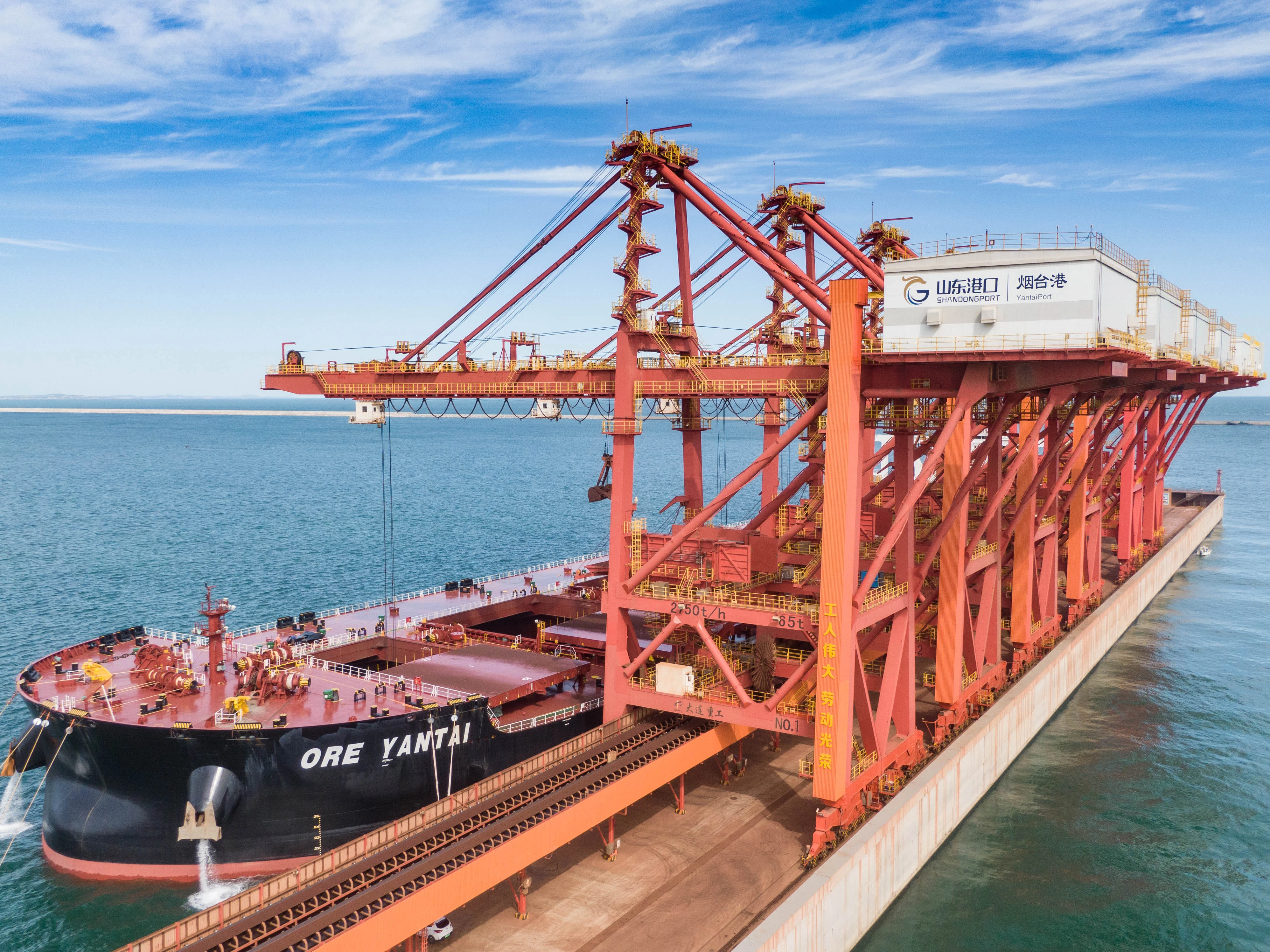
Boost berth productivity by applying portal crane tactics to hit peak berth productivity with CEGC. By enhancing load sway control, implementing advanced safety measures, and optimizing cycle times, you can significantly reduce incidents such as collisions or dropped loads—common risks at container terminals. Focusing on these strategies with CEGC’s portal crane solutions makes port operations both safer and more efficient.
Key Takeaways
Use real-time monitoring to make things safer and faster. This helps stop load sway and lowers the chance of crashes.
Use data dashboards to watch important numbers. This helps find slow areas fast and makes planning easier.
Use predictive maintenance to stop equipment from breaking. This keeps cranes working longer and saves money on fixing them.
Portal crane tactics to hit peak berth productivity
Real-time monitoring for crane operations
You can make your port safer and faster with real-time monitoring. These systems watch important things on your portal crane and give you quick updates. When you use portal crane tactics to hit peak berth productivity, you control load sway and lower collision risk. Real-time monitoring works with anti-sway technology to keep loads steady. This helps stop accidents and lets you place containers exactly where you want.
Anti-sway systems have motion sensors and smart programs. They notice when the load moves and change crane actions right away. You can see how the load moves and fix problems before they get worse. This keeps your container handling equipment safe and working well. Operators get warnings if something is unsafe, so you can stop problems before they cost money.
Here is a table that lists the main features of real-time monitoring systems for portal crane operations:
Feature |
Description |
|---|---|
Motor Voltage and Current Monitoring |
Watches motor health and finds problems early for maintenance. |
Motor Temperature Monitoring |
Sends alerts if the motor gets too hot to stop damage. |
Hoist Motor Vibration Analysis |
Tells users when to do maintenance based on wear. |
Crane Operation Usage Monitoring |
Checks how much you use the crane and how well it works. |
Load and Overload Monitoring |
Makes sure you use the right load for safe work. |
Motor Brake Fault Monitoring |
Finds safety problems if the brakes do not work. |
SCADA, VFD, and PLC Integration |
Looks at control settings and system status for better info. |
Real-Time Monitoring |
Gives nonstop updates about crane performance and key details. |
Enhanced Safety |
Watches important safety details to lower risks. |
Mobile Integration |
Lets you see crane data on your phone or tablet. |
Data-Driven Insights |
Gives helpful info for making good choices and plans. |
When you use portal crane tactics to hit peak berth productivity, you also make your crane last longer in tough weather. Marine-grade protection keeps your container gantry crane safe from salt, rain, and wind. This protects the inside parts and stops rust. You can work in bad weather and trust your crane to keep working.
Data-driven performance dashboards
You can see how your port is doing and make better choices with dashboards. These dashboards show real-time numbers for your ship crane, container handler, or container gantry crane. When you use portal crane tactics to hit peak berth productivity, you see how your machines work and where you can do better.
Dashboards show important numbers like uptime, how many trucks you move, and idle time. You can find slow spots and make your work faster. Operators and managers use these dashboards to plan repairs and set up jobs. You can spot problems early and fix them before something breaks.
Here is a table with common performance numbers shown on dashboards for port machines:
Performance Metric |
Description |
|---|---|
Equipment Uptime |
Shows how often machines work, which means they are reliable. |
Truck Throughput |
Counts how many trucks you move, so you know how busy you are. |
Average Truck Idle Time |
Shows delays when trucks wait, so you can fix slow spots. |
Real-time Weather Conditions |
Helps you stay safe and make good choices by showing weather. |
Vessel Tracking Data |
Helps you plan workers and machines by knowing when ships come. |
Operator Feedback |
Shares problems that workers see but numbers might miss. |
Contextual Analysis |
Adds info about the environment to help you understand performance. |
Dashboards help you take care of your ship loader and container handling gantry crane. You can check machine health and plan repairs. You can look at problems from far away and give jobs to workers fast. This keeps your cranes working and cuts down on waiting.
You can make your container gantry crane stronger for the sea and easier to fix. Pick materials that do not rust, use coatings that block water, and choose strong steel. Add anti-collision systems and overload protection to stay safe. Use automatic controls and electric or hydraulic hoists to make work easier and more exact.
Tip: Use portal crane tactics to hit peak berth productivity by putting real-time monitoring and dashboards together. This lets you see and control all your port machines.
You can solve maintenance problems with these tactics. It is easier to handle stress on the crane, rust from weather, and safety checks. Good data helps you plan repairs and keep cranes running well.
When you use portal crane tactics to hit peak berth productivity, your port is safer and works better. You protect your machines, lower risks, and move more cargo. CEGC gives you standard and custom options for all your port machines.
Berth utilization optimization
Crane scheduling and yard interface
You can make berth use better by planning crane work well. It helps when you connect crane jobs with yard work. If you match how busy cranes are with how full the yard is, you move more containers faster. This means cranes do more moves each hour. Berth use gets better too. You should check numbers like crane moves per hour and how long ships stay. These numbers show how well your port works.
Here is a table that shows how good crane planning helps berth use:
Aspect |
Impact on Berth Utilization |
|---|---|
Delays |
Fewer delays mean berths are open more often. |
Resource Allocation |
Using cranes and tugs well makes things faster. |
Operational Efficiency |
Everything works better, so berth use goes up. |
You need to watch yard density too. If the yard is too full, containers pile up. This slows down how fast cranes can move them. If the yard is not too crowded, berth use stays high. You do not get stuck waiting. When yard and crane teams share data right away, you stop delays. Ships can leave faster.
Tip: Use CEGC workflow tools to link crane plans with yard data. This helps you find slow spots and fix them quickly.
Task specialization for labor efficiency
You can make berth use better by giving workers special jobs. When each team does one thing, cranes move more containers each hour. Berth use gets better. Task specialization helps you handle busy yards without slowing down.
Here is a table that shows how giving special jobs helps workers do more:
Measure |
Description |
|---|---|
Output per person-hour |
Shows how much each worker gets done. |
Tons per gang shift |
Tells how much cargo a team moves in one shift. |
Technology used |
Changes how fast and well you move containers. |
When you use machines and CEGC equipment, you keep the yard from getting too full. Berth use gets better. Machines can work all day and night. This means cranes keep moving containers. You save money and make fewer mistakes.
If you plan crane work, watch yard space, and give workers special jobs, berth use goes up. Cranes move more containers each hour. CEGC tools help you track these numbers and make smart changes for better results.
Utilization and asset management
Predictive maintenance strategies
You can make your port machines work better with predictive maintenance. This means using smart tools to check your container crane or ship loader before something goes wrong. These tools tell you early if a part, like a bearing, is getting old. You can fix it before it breaks. This helps your cranes last longer and not stop working as much.
AI and machine learning can find problems fast. These systems help you plan repairs at the best time. This saves money and keeps your machines safe. If you find problems early, you stop big failures. This keeps cargo safe and stops accidents. Predictive maintenance also keeps your machines working longer and protects your money.
You can use RFID tags to keep track of containers. These tags show you where each container is right now. The system writes down every move, so you do not lose containers. If a container is in the wrong place, you get a warning. This helps you use your yard space better and make good choices.
RFID tags show you where containers are right now.
Warnings stop you from losing or misplacing containers.
You can send automated cranes to the right spot every time.
Energy efficiency upgrades
You can make your port machines use less energy and save money by upgrading them. CEGC has systems that use less power but still work well. You can add variable-frequency drives or regenerative systems to your machines. These upgrades help you save energy when things get busy.
A table below shows how energy upgrades help your port:
Upgrade Type |
Benefit |
|---|---|
Variable-frequency drives |
Use less energy, start smoothly |
Regenerative systems |
Save energy when braking |
Intelligent standby modes |
Use less power when not working |
You can also pick strong coatings and materials for your cranes. This keeps them safe from salt and bad weather, so they last longer. Good care and smart energy use help you get more from your machines. This means you use your berth better and get more work done.
Future-proofing berth operations
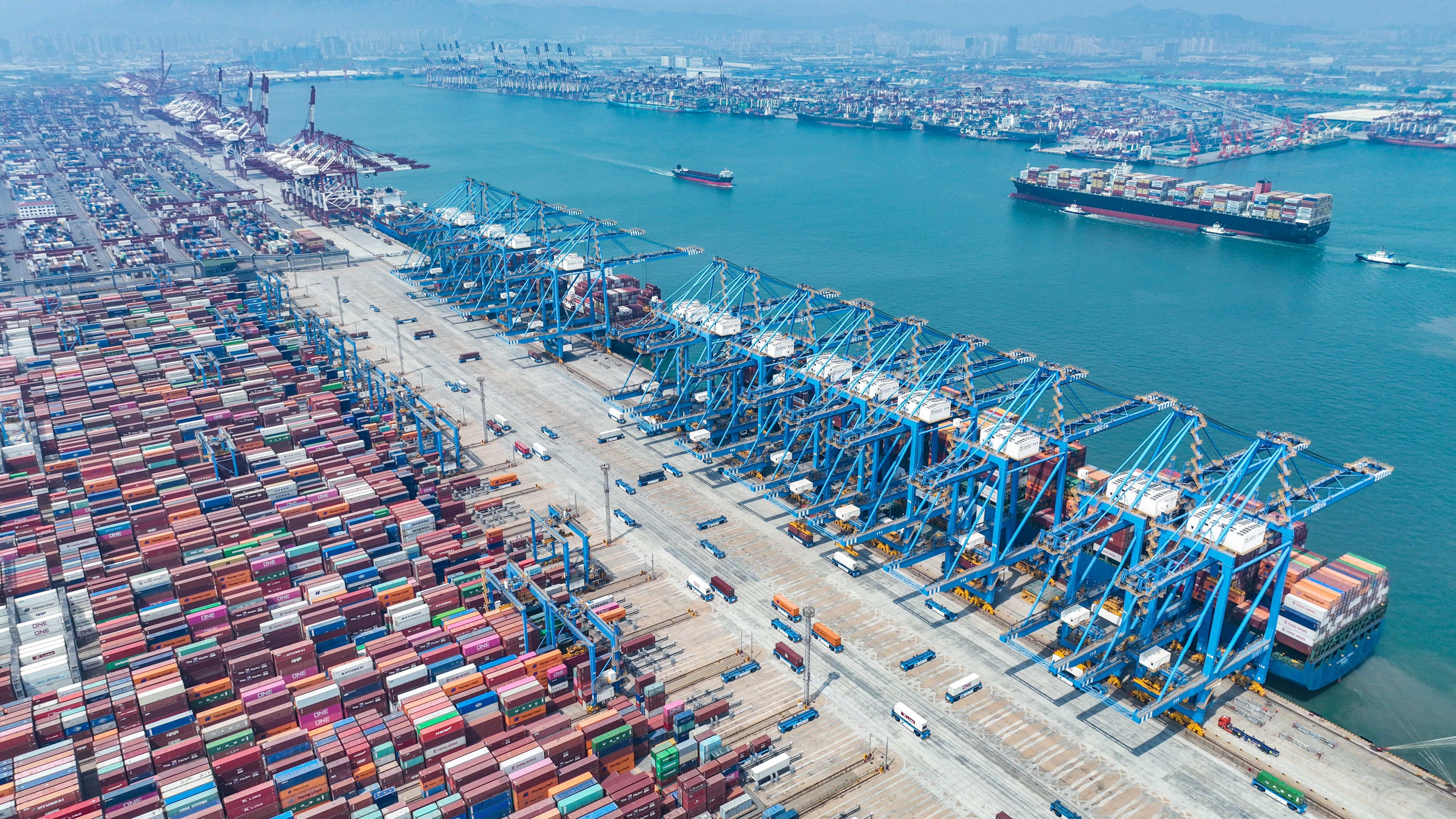
Automation and scalability
Automation helps your port move more containers faster. You can use machines to do jobs with less work from people. CEGC gives you upgrades that fit your port as it gets bigger. You can add more equipment when you need it. AI can watch for ships and guess when things will get busy. This helps you plan when workers should come in and which machines to use. IoT sensors show you how cranes and containers are doing right now. AI looks at this data and finds problems before they slow you down.
You can pick special features for your portal crane, container crane, or ship loader. Choose the size, how much it can lift, how often it works, what power it uses, and how it fights rust. Strong coatings and smart materials keep your cranes safe from bad weather. This makes your machines last longer and keeps them working well. The table below shows how anti-corrosion grades help your container handling equipment:
Benefit |
Description |
|---|---|
Reduced Maintenance Costs |
Better materials and coatings mean you fix things less often and save money over time. |
Extended Equipment Life |
Stronger machines last longer and do not need to be replaced early. |
Increased Efficiency |
Smart tech helps you work faster and better, so you get more done. |
Tip: Use automation and upgrades to help your port grow and handle more containers in the future.
Integration with terminal operating systems
You can make your port work better by linking your machines to terminal operating systems. This lets you see where ships are and plan jobs without trouble. When your machines talk to the system, you get updates right away about ships and yard work. This helps you plan and stop delays.
Important things for integration are working with supply chain partners, shipping lines, and customs. Technology makes everything go smoother and helps you move more containers. When you pick a terminal operating system, look for tools like ship planning, yard management, and gate control. Make sure the system can grow, keep data safe, and get new features later.
Working with supply chain partners helps you move more containers.
Teamwork with shipping lines and customs makes things faster.
Technology makes moving containers easier and quicker.
AI can study sensor data and help you use your machines and workers better. You can use this info to plan shifts and machine use. This keeps wait times short and helps you move more containers. Tracking ships and planning jobs is easier, so you work faster and safer.
Note: CEGC machines are ready to connect to workflow systems and track ships. You can pick the right size, how much it lifts, how often it works, what power it uses, and how it fights rust.
You can make berth productivity better by using these portal crane tactics:
Use a strong data plan to help you make good choices.
Make your terminal assets work better so you get more done.
Think ahead and plan for your port to grow in the future.
Tip: Begin with real-time monitoring and anti-sway control. Check berth productivity often and make cargo handling easier for fast results.
FAQ
What are the most important kpis for measuring berth productivity at container terminals?
You should watch kpis like crane moves per hour. Vessel turnaround time and berth occupancy are also important. These numbers help you see how well your port works.
How does real-time productivity tracking help improve operational kpis at container terminals?
Real-time data lets you watch crane activity and yard systems. You can also check how full the yard is. This helps you make changes fast and keep things running well.
Why should you focus on performance metrics and kpis for terminal management at your port?
Kpis and performance metrics show how your port is doing. Watching these numbers helps you make smart choices. This makes your port work better and more smoothly.


