
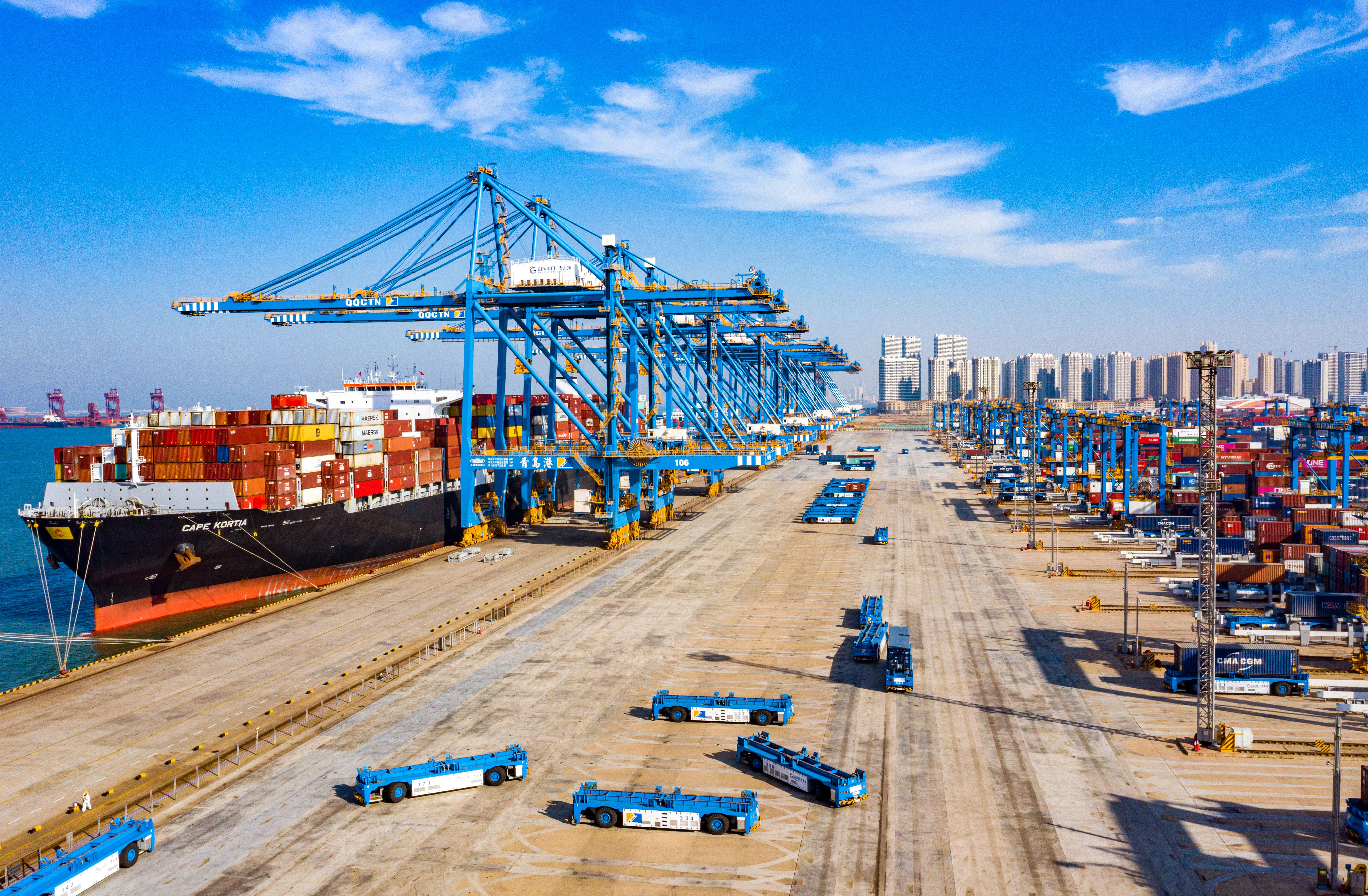
When you need fast loading of shipping containers without rehandles, real challenges arise. Rehandling slows down operations, increases safety risks, and drives up costs. The table below highlights how these issues impact port operators and terminal managers, and why solutions from CEGC are essential for achieving fast loading shipping container processes without rehandles:
Evidence Type |
Description |
|---|---|
Injury Rate |
Port workers are five times more likely to die at work than in other industries. |
Lost Time Injuries |
In 2023, UK ports reported 193 lost time injuries, resulting in 2,076 days of lost work. |
Operational Impact |
Each incident reduces efficiency, underscoring the need for CEGC solutions that enable fast loading shipping container operations without rehandles. |
Key Takeaways
Good planning helps load containers fast. Sort cargo and use shipping load boards to keep things organized. This cuts down waiting time and helps the team work better together.
Pick the right equipment for loading. Use machines like portal cranes and reach stackers that have safety features. This makes work faster and lowers the chance of accidents.
Training your team is very important. Set up training programs that teach safety and good communication. Skilled operators can help avoid rehandles a lot.
Fast loading shipping container without rehandles
Preparation and Planning
You need good planning to get fast loading shipping container without rehandles. First, sort your cargo before you start loading or unloading. Use shipping load boards to help organize shipments. This helps you know where each shipping container should go. If you plan the order for loading, you do not have to move containers again. Good planning also means less waiting and better teamwork. You can use planning tools with pictures to see how to use space. These tools help you find the best way to load and unload. This way, you can move more cargo and save money.
Berth scheduling is also very important. If you schedule ships well, you stop delays and keep turnaround times short. Ships wait less time in the water, so you save fuel and money. You also make it easier to move cargo from ship to yard. Every planning step helps you reach fast loading shipping container without rehandles.
Equipment Selection and Setup
Picking the right equipment is key for fast loading shipping container without rehandles. You need machines that work fast and safe. Portal cranes, container cranes, reach stackers, and forklifts all help with loading. Each type of container handling equipment has its own good points. The table below shows how some equipment helps you avoid rehandles and load faster:
Equipment Type |
Benefits |
|---|---|
Kalmar Reachstackers |
Increases efficiency and handling speed, especially in confined spaces. |
Straddle Carriers |
Decouples operations from horizontal transportation, allowing for continuous operation of cranes. |
Look for special features in your equipment. Anti-sway control keeps loads steady when you move them. This lowers the chance of crashes or dropping containers. Safety interlocks add more safety. They stop the machine if something is wrong, so your team stays safe. Motion coordination systems help you move containers smoothly and quickly. All these features help you get fast loading shipping container without rehandles.
Operator skill is also important for using equipment well. Training programs can help your team work safer and faster. These programs teach safety, how to work better, and how to talk clearly. The table below shows what a good training program includes:
Component |
Description |
|---|---|
Program Name |
|
Focus Areas |
Safety, efficiency, effective communication |
Training Methods |
Theoretical assessments, practical assessments, pre-shift inspections |
Communication Protocols |
Use of phonetic alphabet and hand signals |
Operational Instructions |
Specific instructions for unloading containers from trains and trucks at terminals |
Emphasis |
Clear understanding of equipment operation and adherence to safety protocols |
You can also use automation to help your team. Automated systems make fewer mistakes and speed up loading. They help you get fast turnaround times and keep rehandle rates low. If you upgrade to better container handling equipment with anti-sway and safety features, you get more for your money. You get safer work, faster loading and unloading, and your machines last longer.
Loading Sequence and Layout
How you set up your loading sequence and layout matters for fast loading shipping container without rehandles. Plan the order for loading and unloading each shipping container. This helps you not move the same container twice. When you use load boards and planning tools, you can see the best way to fill each container vessel. This keeps your work smooth and lets you move more cargo in less time.
Anti-sway control is very helpful here. It keeps loads steady, so you do not wait for containers to stop swinging. This lets you work faster and lowers the chance of accidents. You also save money on fixing equipment because it does not get stressed as much.
Operator skill differences can mean you need to rehandle containers more. You can fix this by giving more training and using technology to help your team. Automation and electronic systems keep loading the same every time. They also make it easy to track each shipping container and improve your fast turnaround time.
Tip: Always check your loading plan before you begin. Make sure your equipment works and your team knows the order. This helps you get fast loading shipping container without rehandles every time.
Shipping container handling: safety and efficiency
Anti-Sway and Collision Prevention
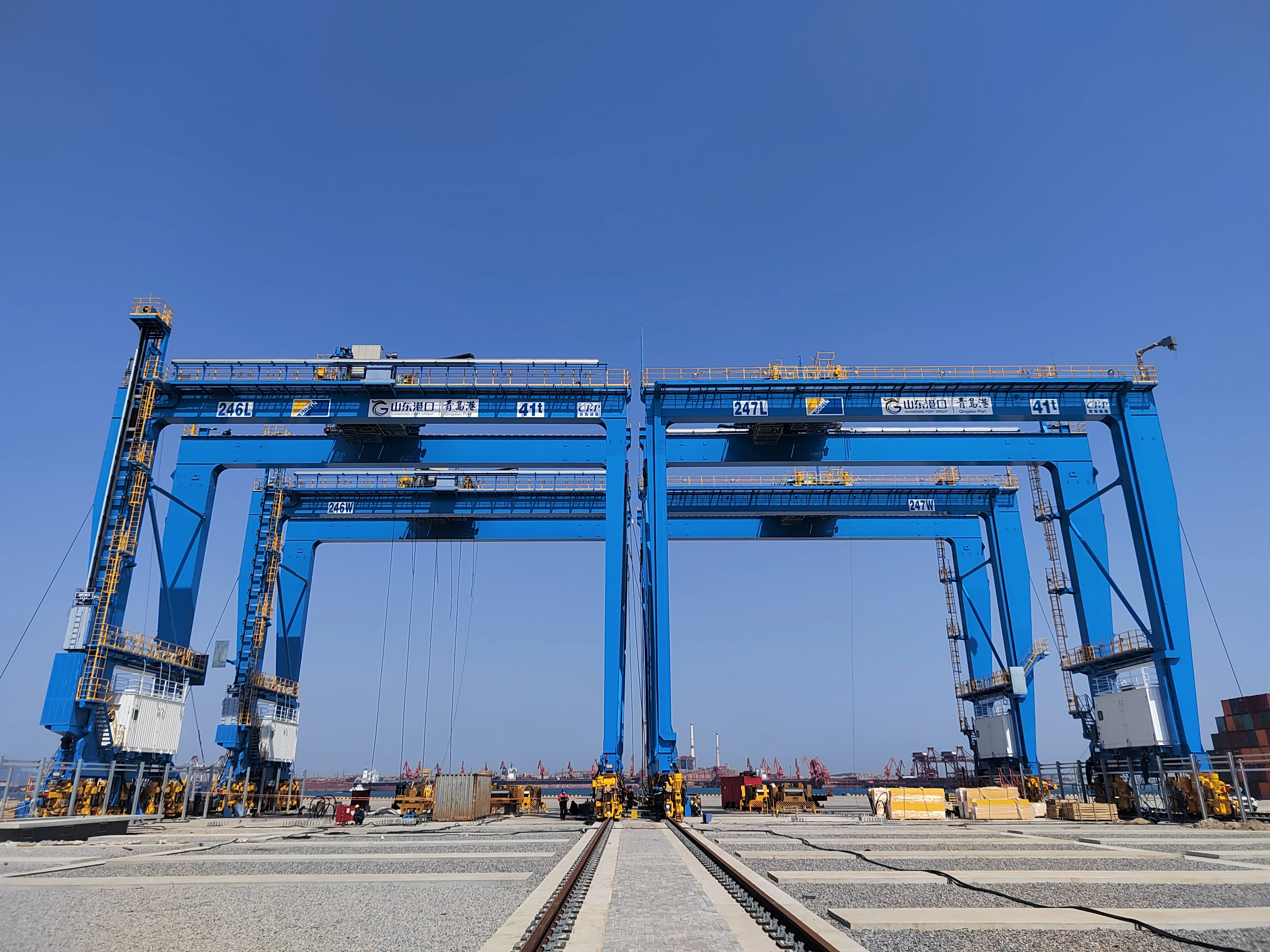
Handling shipping containers can be risky. Cranes can damage containers and cargo. Impact detection helps you find problems fast. Anti-sway systems give you more control over loads. These systems stop loads from swinging too much. This lowers the chance of accidents. You avoid hitting equipment and buildings. Anti-sway technology also keeps cranes from tipping over in busy ports. Safety interlocks and operator-centered HMI make your work safer. You can trust your equipment to protect your team and cargo.
Crane operations can damage shipping containers.
Anti-sway technology stops loads from swinging and prevents accidents.
Impact detection makes handling safer and more accurate.
Safety interlocks and operator-centered HMI help keep handling safe.
Cycle Time and Throughput Optimization
You want to load shipping containers fast and well. Motion coordination systems help move containers smoothly. Workflow integration connects your equipment with terminal operations. This cuts down idle time and speeds up loading. Terminals with better processes can lower container dwell times by up to 20%. When you move more containers straight from port to inland, you fill more trains and get more work done.
Evidence Type |
Description |
|---|---|
Dwell Time Reduction |
Better loading and unloading lowers container dwell times by up to 20%. |
Container Movement |
Good rail integration fills more than ten round-trip trains each day with shipping containers. |
Smart systems and planning help you improve cycle times and throughput. This lets you handle more shipping containers and keeps your terminal working well.
Marine Durability and Maintenance
You need equipment that lasts in tough marine places. Corrosion-resistant materials help your machines last longer. They also need less fixing. Advanced hydraulic systems give steady power and keep things running. Dynamic positioning keeps loads stable, even when conditions are rough. Predictive maintenance lets you fix problems early and avoid big failures. You save money and keep your equipment safe and following rules. Well-kept machines use less energy and help Green Port models.
Corrosion-resistant materials make equipment last longer.
Advanced hydraulic systems help machines work more and move cargo faster.
Predictive maintenance saves money and increases productivity.
Energy-efficient equipment uses less fuel and helps the environment.
CEGC gives ports and offshore platforms solutions you can change to fit your needs. You can pick features like anti-corrosion grades and automation levels. This helps you handle shipping containers safely and efficiently anywhere.
You can make loading shipping containers faster and safer with good planning, better equipment, and using automation. CEGC lets you change things for your project, which helps you a lot:
Benefit |
Explanation |
|---|---|
Custom solutions match your terminal’s needs and make work better. |
|
Seamless Integration |
New systems fit with your old equipment and software. |
Competitive Advantage |
Special features help you do better than others. |
Using checklists often keeps everyone safe and helps you follow the rules. Checklists also stop accidents and help your work go well.
FAQ
What equipment helps you load shipping containers fast without rehandles?
You can use portal cranes, container cranes, reach stackers, and forklifts. CEGC has equipment with anti-sway and safety features. These features help you load shipping containers quickly and safely.
How does anti-sway technology improve safety during container loading?
Anti-sway systems keep loads steady while you move them. This helps stop accidents and keeps your team safe. CEGC’s cranes use motion control to make loads swing less and land in the right spot.
Can you customize CEGC equipment for your port or offshore platform?
Yes, you can pick what you need for your job. You can choose things like capacity, span, duty cycle, power solution, and anti-corrosion grade. CEGC lets you change equipment to fit your work.


