
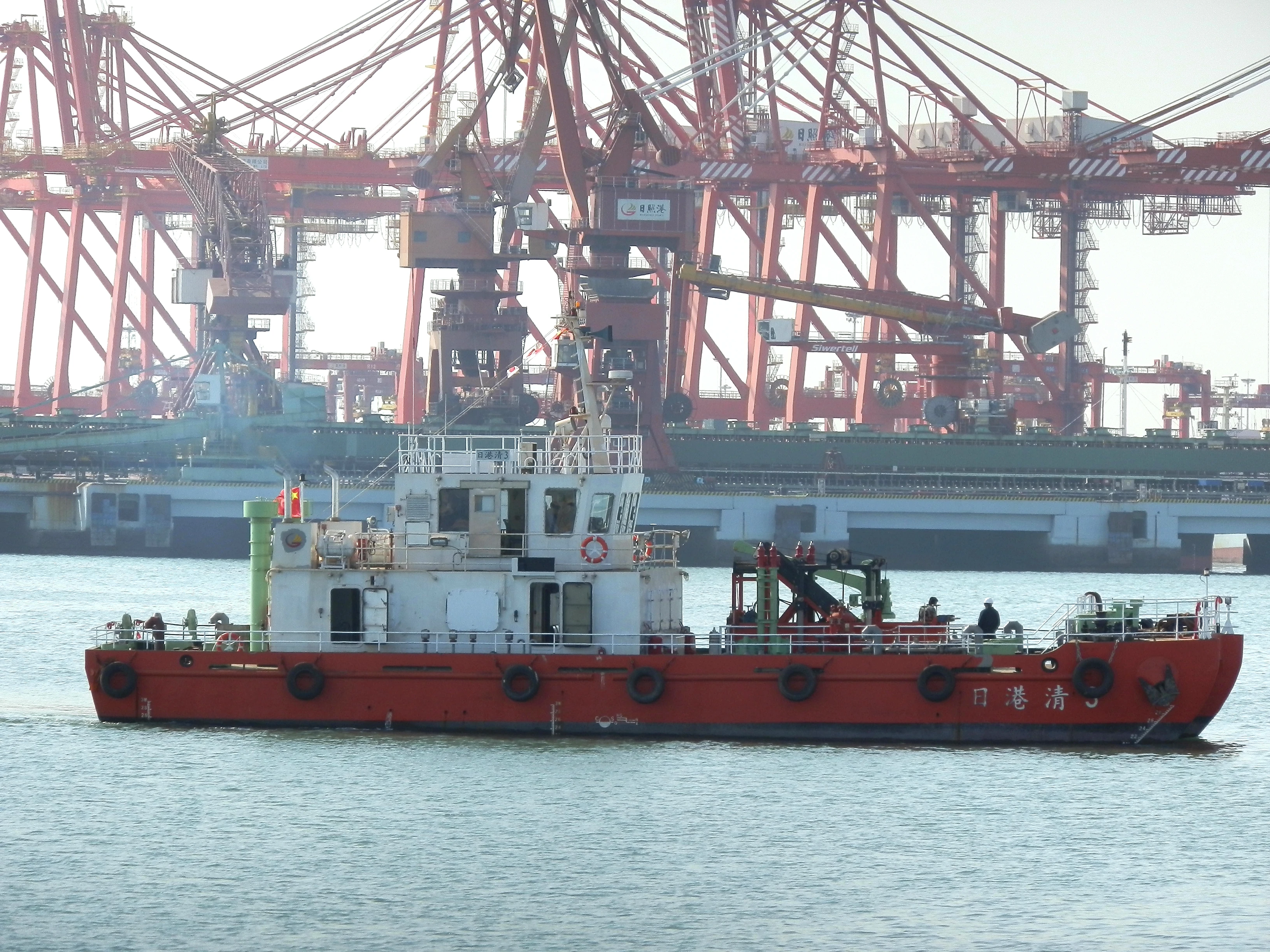
You often see delays and safety risks when your crane operations slow down. Why your cargo crane cycle time keeps drifting is a question that impacts your daily results. CEGC understands these challenges in ports. Small changes in speed or load sway can lead to big costs and lower efficiency.
Key Takeaways
Regular maintenance is very important. You should check your crane every day. This helps you find problems early. It also stops load drift from happening.
Operator training is important too. Good operators can stop load sway. They also make crane work safer.
Use smart technology to help. Anti-sway systems are useful. Predictive maintenance can make cycle times shorter. These tools also make work more efficient.
Why your cargo crane cycle time keeps drifting
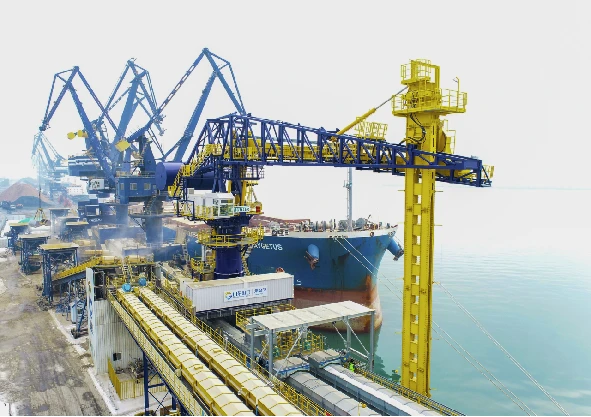
Common causes of crane load drift
You see crane load drift in many port operations. This problem affects your overhead crane, portal crane, and container crane. Many operators ask why your cargo crane cycle time keeps drifting. You face common problems that lead to load drift and slow down your work.
Motor and drive system failures often cause drift. Blocked motor cooling and voltage changes can damage parts and make your overhead crane less reliable.
PLC and sensor failures create confusion in control logic. Outdated software or harsh weather can cause the system to misread the load position, leading to crane load drift.
Power supply and cable reel issues also play a role. Old wiring and poor maintenance can cause voltage drops and cable breaks, making load drift worse.
Human and operational factors matter. Operator errors and lack of training increase the risk of load drift and falling loads.
You must watch for these common problems in your cargo crane. If you ignore them, you will see more drift and longer cycle times. Wind load can also cause trouble. Wind can tip rubber tyred gantry cranes and make the load sway. Unstable loads lead to longer cycle times and more risk. Wind speed monitors help you stop work when wind gets too strong.
Impact of operator skill and environment
Operator skill changes how much crane load drift you see. Some operators move the overhead crane smoothly. Others make sudden stops or starts, which increases load sway and drift. You notice that why your cargo crane cycle time keeps drifting often depends on who is at the controls.
The environment also affects load drift. Wind load can push the load sideways. For example, a wind speed of 14m/s can push a 2.5m x 1.3m load with a force of 372 N. A heavy shutter can move far from vertical in strong wind, making the load radius bigger and risking overload. The rated capacity of your crane can drop if the load radius increases. You must train your team to watch for these changes and use wind speed monitors.
You see more drift when operators do not adjust for wind or load changes. This leads to more load sway, longer cycle times, and higher risk of collision. You must focus on training and clear rules to reduce crane load drift.
Mechanical and hydraulic issues
Mechanical and hydraulic issues cause most cases of crane load drift. You see mechanical wear in your overhead crane. This wear increases gaps in hydraulic parts, causing fluid to bypass and lowering efficiency. Hydraulic leaks make it hard for your crane to hold the load steady. This leads to more drift and longer cycle times.
Problems with hoist brakes can cause load drift. A brake system malfunction can let the load move when it should stay still. In one case, worn brake pads caused an overhead crane to drift. The drifting load hit nearby machines, causing downtime and repair costs. Regular checks and brake adjustments can prevent these accidents.
You also face gearbox leaks, wire rope problems, and runway alignment issues. Neglected gearboxes leak and fail, making load drift worse. Wire ropes can stretch, corrode, or break, leading to load drift and even falling loads. Runway and rail misalignment can damage crane parts and cause drift. Hydraulic synchronization systems may not fix load imbalances if site conditions are poor. Uneven support and geometric errors can also lead to load drift.
You must check all these parts often. If you keep your overhead crane, portal crane, and container crane in good shape, you will see less drift and safer operations. CEGC designs port machinery to handle these common problems and reduce crane load drift. You get safer, more reliable cargo handling when you address these issues.
Minimizing load drift and optimizing cycle time
Crane load drifting: technical solutions
You can fix crane load drifting with smart technology and advanced systems. Anti-sway systems help your overhead crane keep the load steady. These systems use sensors and control logic to cut down on drift and sway. You see less drift and better load placement. Safety interlocks protect your crane from mistakes. They stop unsafe moves and keep the load still when needed. This gives you safe and predictable cycles.
Tip: Anti-sway systems and safety interlocks work together. They help reduce drift and make cycle time better. You see fewer accidents and more reliable work.
Motion coordination helps your overhead crane move smoothly. Intelligent motion control lets you lift and place loads with accuracy. You avoid sudden stops and starts that cause drift. Marine-grade durability keeps your crane safe from salt, humidity, and rust. Your overhead crane stays strong and reliable in tough port weather.
You can see these solutions in real projects. In shipbuilding, wireless cranes use synchronized control to stop drift and keep things safe. In construction, cranes lift heavy beams with careful motion. This avoids drift and keeps the load steady.
Solution Type |
Description |
|---|---|
Use radar, lidar, cameras, and sensors to find obstacles and stop crashes during crane work. |
|
Sensor Integration |
Combine sensors to cover blind spots and make detection better, using fusion algorithms. |
Intelligent Decision Support |
Predictive algorithms help you spot dangers early and stop drift and crashes. |
You can also use smart anti-sway technology. This changes crane moves to cut down on load swing. It can lower cycle times by 30% or more. Precision positioning lets your overhead crane move to exact spots. This makes it more accurate and cuts down on drift.
Predictive maintenance and monitoring
You can lower crane load drift and downtime with predictive maintenance and monitoring. Smart monitoring systems check your overhead crane for damage and wear. You get early warnings about problems. You can fix them before they cause drift or breakdowns. Operators act fast when they see issues, keeping the load steady and cutting down on drift.
Predictive maintenance uses data analytics to spot equipment problems before they happen. You plan maintenance using real-time data, not guesses. This keeps your overhead crane working and cuts down on surprise downtime. You see a 20%–30% boost in crane availability and a 25% drop in unscheduled downtime.
Evidence Description |
Key Findings |
Implications for Cycle Time Drift |
|---|---|---|
Dynamic programming optimization in Crane Tip Control (CTC) |
Saved up to 17.5% energy |
Better efficiency helps keep cycle times steady |
Optimization of hydraulic cylinder movements |
Used less energy |
Smoother work means less cycle time drift |
Comparison of original and optimized strategies |
New ways focus on energy use |
Shows why energy efficiency matters for crane work |
IoT sensors give you real-time data on crane health, load, and the environment. Automation lets your overhead crane move faster and more accurately. You see less drift and more steady cycle times.
Note: Regular checks help you find problems early. You should check your overhead crane every day and after each shift. Look for signs of drift, strange noises, and wear.
Frequency |
Maintenance Tasks |
|---|---|
Daily/Each Shift |
Quick checks, including area setup, controls, hoist function, hooks, wire rope, and general condition. |
Weekly/Monthly |
Planned maintenance like oiling, tightening parts, and checking electrics. |
Quarterly/Annual |
Deep checks by trained techs for structure, mechanical, and electrical parts. |
Trigger-based |
Fast checks for strange noises, hoist drift, or other problems. |
You see downtime drop from 1.08% to 0.46% when you follow regular checks and maintenance plans. Predictive maintenance keeps your crane ready for work and improves availability.
Operator training and workflow integration
You can cut down on load drift by training operators and linking workflows. Skilled operators know how to move the overhead crane smoothly. They do not make sudden moves that cause drift. You get steady results and safer work.
You should teach your team about wind load, crane load drift, and how to adjust for changes. Use clear alarms and displays to guide operators. This helps them spot drift and act fast. You can use operator-centered HMI systems for quicker training and better results.
Workflow integration links your overhead crane to other port systems. You match hoist, spreader, and yard flow to cut down on waiting and slow spots. You see steady cycle times and less drift. Automation and smart tech let your overhead crane work with other machines, making things more efficient.
Callout: CEGC gives you custom solutions for portal crane, container crane, and ship crane. You can pick the right features for your job, like anti-sway systems, safety interlocks, and marine-grade durability.
You should focus on these steps:
Schedule regular checks for your overhead crane.
Use anti-sway systems and safety interlocks to cut drift.
Train operators to handle wind load and crane load drift.
Link workflows for smooth work.
Watch crane health with IoT sensors and predictive maintenance.
Check crane skew and alignment to stop drift and damage.
You save money over time when you fix crane load drift. Modern upgrades lower maintenance costs and make cranes more reliable. Upgrades make things safer and can lower insurance costs. You get better daily work and fewer accidents.
Evidence Point |
Description |
|---|---|
Maintenance Cost Reduction |
Modern upgrades can cut maintenance costs by fixing weak parts and making checks easier. |
Improved Operational Reliability |
Mechanical upgrades make cranes more reliable, cutting downtime and costs. |
Enhanced Safety |
Upgrades make things safer, which means fewer accidents and lower insurance costs. |
You can keep your overhead crane, portal crane, and container crane working well. By cutting load drift and making cycle time better, you improve safety, efficiency, and cost control in your port.
You make ports safer and faster when you know about crane cycle time drift. Regular maintenance helps stop load drift and downtime. Proper maintenance keeps cranes working well. Training operators and using new technology help cranes move more each hour. These steps also lower drift. You can pick the right solutions for your crane and load.
Improvement Metric |
Description |
|---|---|
More moves mean faster work and shorter ship stays. |
|
Predictive Maintenance |
Cuts crane downtime by 15–20% with checks based on crane condition. |
Automation of Container Handling |
Lowers mistakes and makes work steady, so delays and jams go down. |
You choose crane solutions that fit your industry.
You use new technology to make cranes safer and faster.
You do regular maintenance to stop breakdowns.
You add safety steps to protect from overload and crashes.
You teach operators how to use cranes and stay safe.
You ask CEGC for custom project help. You use best practices and new technology to keep crane drift low and make load handling steady.
FAQ
What causes crane load drift during port operations?
You see crane load drift when wind, mechanical wear, or operator mistakes move the load. Sensors and anti-sway systems help you keep the load steady.
How can you reduce load sway and improve safety?
You use anti-sway technology to control the load. Training helps you move the load smoothly. Safety interlocks stop unsafe moves and protect the load from accidents.
Why does cycle time increase when the load drifts?
You spend more time correcting the load position. Load drift slows down your work. You risk collisions if you do not control the load during each cycle.
Tip: You check the load often. You use smart systems to monitor the load and prevent drift.
Solution |
Benefit |
|---|---|
Anti-sway system |
Keeps the load stable |
Training |
Helps you handle the load well |
Maintenance |
Stops load drift early |


