
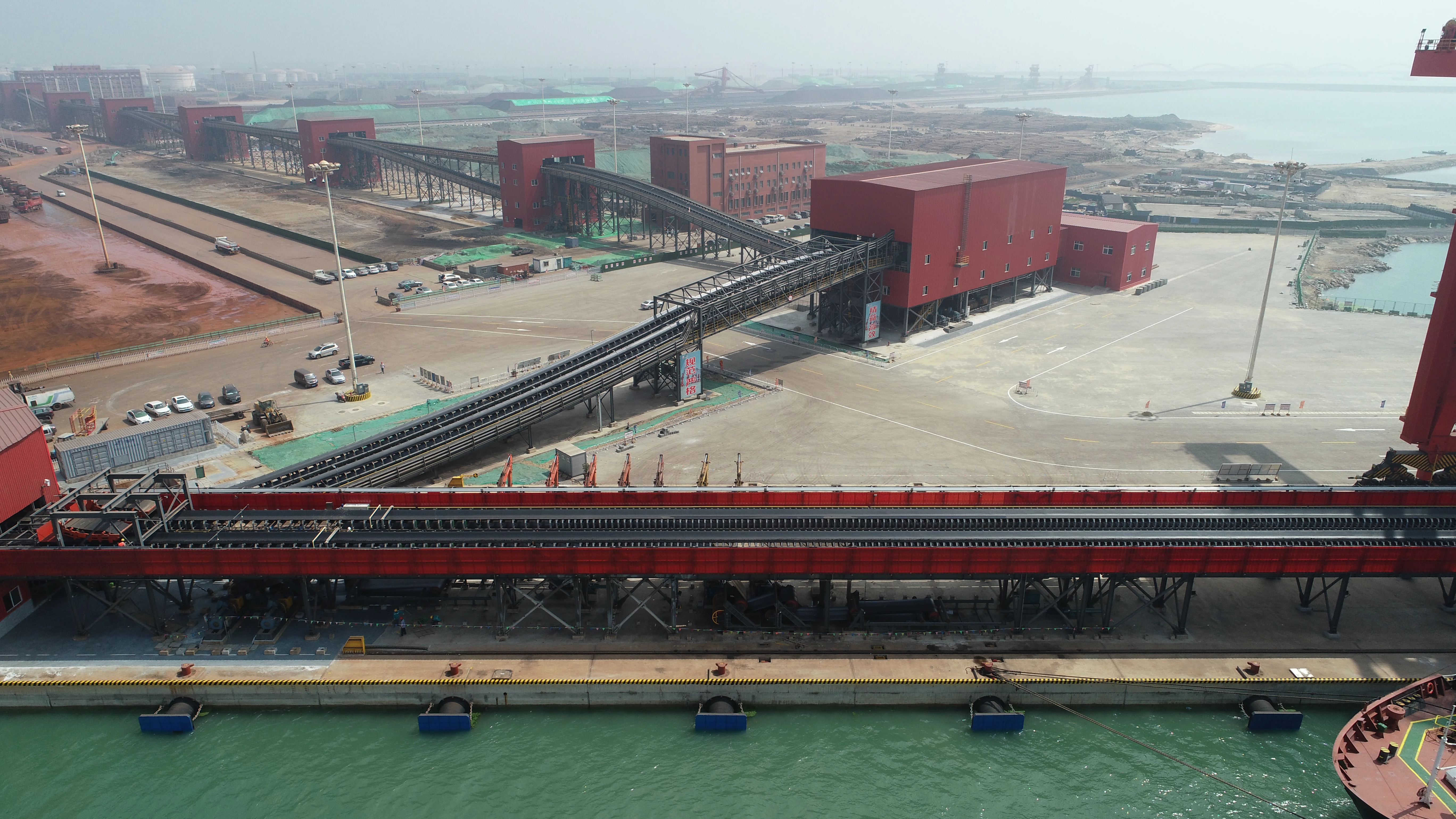
You need the right container handler paint spec for salty air yards. This helps your equipment stay safe and work well. Marine-grade coatings on CEGC port machinery protect against rust. Salt spray, wind, and water can cause a lot of damage. Some common problems are:
-
High maintenance costs because things rust fast
-
Systems get worse over time
-
You need special repairs
Key Takeaways
-
Use marine-grade coatings to keep container handling equipment safe from rust and harm from salty air. Make sure to follow the right steps to get the surface ready before painting. This helps the paint stick well and stops it from peeling. Check and take care of your painted surfaces often. This will help your equipment last longer and save money on repairs.
Container handler paint spec for salty air yards
Marine-grade paint options
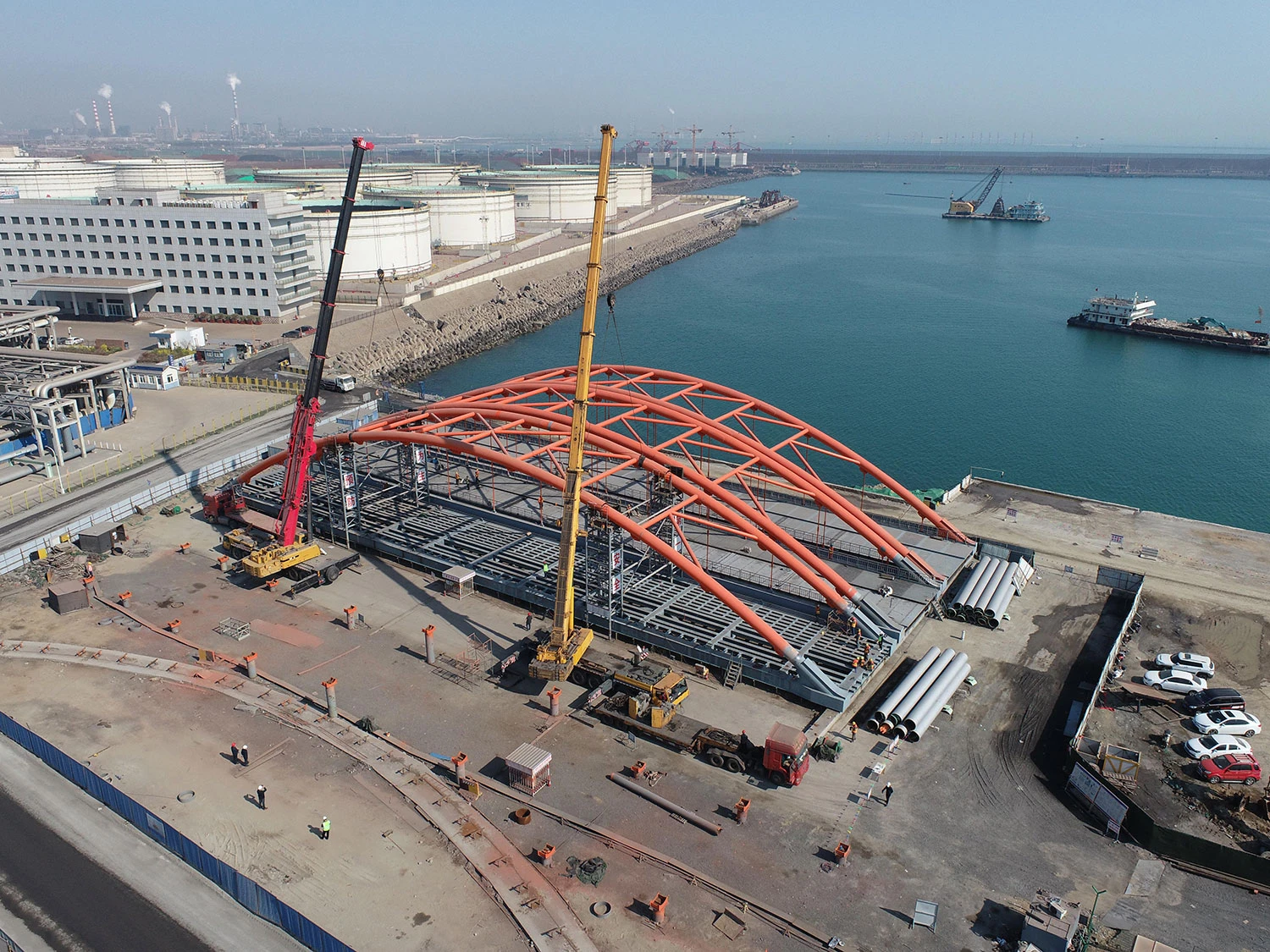
When you use container handling equipment near the sea, the weather is tough. Salt, wind, and water can hurt your machines every day. You need a container handler paint spec for salty air yards that can handle these hard conditions. CEGC says you should use marine-grade paint on all container cranes, reach stackers, and cargo cranes at ports by the ocean. This paint keeps your machines safe and helps them look good.
Here are some top marine-grade paint choices:
-
Rust Grip® works well on rusty metal. You can put it right on the rust, and it stops the rust from getting worse. It has a 15,000-hour salt spray test score.
-
Enamo Grip gives a shiny, strong finish. It blocks UV rays and can be made in any color you want for your container handler or ship loader.
You want your container handler paint spec for salty air yards to last a long time. The right marine-grade paint can keep your machines safe for many years. The table below shows how long these paints usually last near the sea:
|
Durability Tier |
Average Lifespan |
Typical Maintenance Interval |
|---|---|---|
|
C4 |
15–25 Years |
3–4 years |
|
C5 |
Extreme |
3–4 years (first major maintenance) |
You can ask CEGC to make a special plan for your project. This helps you pick the right anti-corrosion grade for your port.
Epoxy and self-priming coatings
Epoxy and self-priming coatings are another good choice for your container handler paint spec for salty air yards. These coatings stick to metal and keep out salt and water. You can use them on container cranes, container handling gantry cranes, and reach stackers. They work for new machines and for repairs.
The table below shows why epoxy and self-priming coatings are smart:
|
Feature |
Description |
|---|---|
|
Corrosion Resistance |
Works great in salt spray and tough places |
|
Self-Priming Capability |
Goes right on metal, so you save time |
|
Durability |
Uses 316L stainless steel flake for strong protection |
|
Temperature Resistance |
Handles heat up to 300°F (149°C) |
|
Application Methods |
Brush, roller, or spray—easy for your team |
You want your container handler paint spec for salty air yards to stop rust and last a long time. Epoxy coatings help you do this. They also work with CEGC’s lifecycle protection package, which saves you money. You spend less on fixing and replacing things.
Choosing primers for salty air
You need the right primer to start your container handler paint spec for salty air yards. Marine-grade epoxy primers are best for machines like container handlers, cargo cranes, and ship cranes. These primers have special pigments that block salt and water. They stick to metal, even if it is wet.
Here are the best features to look for:
-
Low water permeability to stop rust under the paint
-
Strong adhesion so the paint stays on for a long time
-
Thick, tough film to stop scratches and hits
You can trust waterborne and solventborne epoxy primers. Both types pass 1,440-hour salt spray tests with no bubbles. Waterborne systems show almost no rust, even if scratched. This means your container handler paint spec for salty air yards will keep your machines safe.
CEGC uses smart modeling and fatigue analysis to make sure your cranes and handlers stay strong. Engineers use digital twins to see how the structure handles heavy loads and shocks. This helps you avoid cracks and machine stops. You get a paint system that meets market rules and passes all technical tests, like AMPP and Marine Coating Technology.
You must also follow environmental laws. The Clean Air Act and Clean Water Act set rules for paint chemicals. CEGC helps you pick coatings that follow these rules and keep sea life safe.
Tip: Always ask for technical certifications and maintenance plans when you order your container handler paint spec for salty air yards. This makes sure you get the best protection and follow the rules for your port machines.
How to paint a shipping container: application & maintenance
Surface preparation steps
You want your paint to last on your container handler or port machinery. Start with good surface preparation. Here is a step-by-step guide:
-
Remove all stickers and labels. This stops paint from peeling later.
-
Sand the surface, especially near welded spots.
-
Use tools to remove rust. This helps the paint stick better.
-
Clean the container. Get rid of dirt and debris.
-
Caulk any gaps or openings. This keeps out moisture.
-
Mask and tape areas you do not want to paint.
Proper surface preparation is key. If you skip these steps, the paint may not stick well. You could see peeling, bubbles, or rust coming back fast. Many projects fail because they do not follow this step-by-step guide.
Best way to paint a shipping container: methods & tips
You want to know the best way to paint a shipping container. Start by removing loose rust, old paint, and chips. Power wash with a salt remover to get rid of salt that causes corrosion. Spot prime rusty or bare metal with a rust-resistant primer or a corrosion-resistant primer. For color, use a top coat like Enamo Grip.
A pneumatic paint sprayer works fast. You can finish a coat in about half an hour. Brushes and rollers take longer. Paint on a dry, sunny day. Avoid damp or rainy weather. This prevents bubbles and ripples. These shipping container painting tips help you get a smooth, strong finish.
If you ask what type of paint should you use, always choose marine-grade paint. This paint protects your container handler and port machinery from salty air.
Maintenance for long-lasting protection
After painting, you need to keep your container in good shape. Check for chips or scratches every few months. Touch up spots with the same paint. Clean the surface to remove salt and dirt. This stops rust from starting again.
If you want to know how to paint a shipping container for long life, follow a regular maintenance plan. Use the best way to paint a shipping container and pick what type of paint should you use for your yard. CEGC recommends using a rust-resistant primer and marine coatings for all port machinery. This keeps your equipment safe and lowers repair costs.
Tip: Regular checks and quick touch-ups save you time and money. They also help your container handler last longer in salty air.
You need to use marine-grade coatings and stainless steel parts on your CEGC container handling equipment. These strong coatings help stop rust from forming. You should check your machines often and do big inspections sometimes.
-
Choose coatings that keep out salt and water
-
Use cathodic protection to help stop rust
-
Look at your equipment every few months
-
Repair any damage as soon as you see it
FAQ
What is the best paint for container handlers in salty air?
You should use marine-grade epoxy or polyurethane coatings. These paints protect your equipment from salt, moisture, and UV rays.
How often should you repaint container handling equipment?
Check your equipment every year. Plan to repaint high-wear areas every 3–4 years for the best protection.
Can you paint over old rust on port machinery?
Tip: Always remove loose rust before painting. Use a rust converter or primer for better results. This helps your new paint last longer.


