
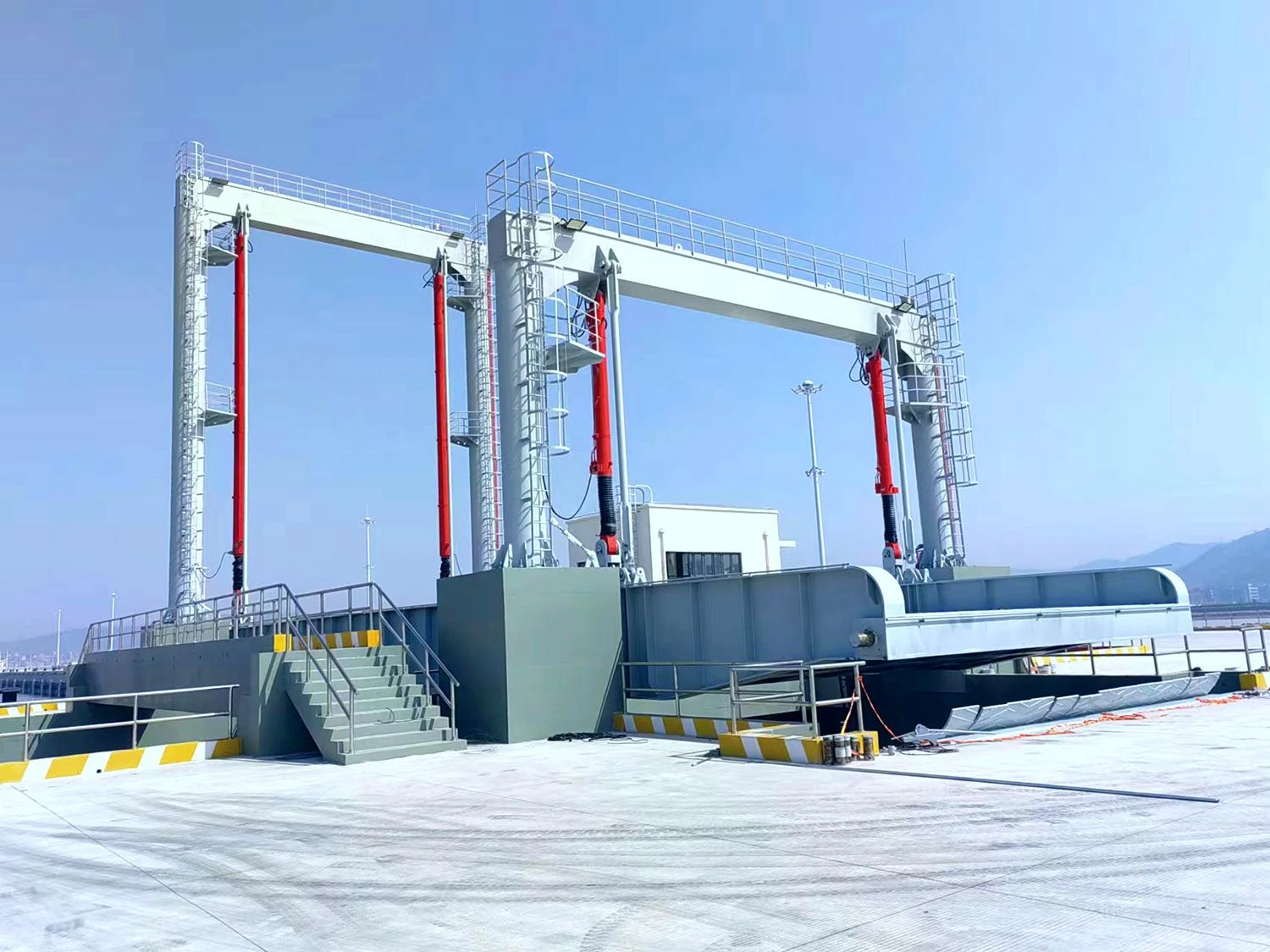
You can have big problems if hidden rust makes your reach stacker’s frame weak. Reach Stacker corrosion: hidden frame rust checks help you find these problems early. CEGC gives you strong marine-grade protection and standard specs. This helps keep your port equipment safe, reliable, and saves money.
Key Takeaways
-
Check your reach stacker often for hidden rust. This helps keep people safe and stops accidents. Use strong anti-corrosion coatings made for marine use. These coatings help your equipment last longer and lower repair costs. Look at weak spots like the main frame and battery terminals. Finding rust early can stop big problems and save money.
Why hidden frame rust matters
Safety and operational risks
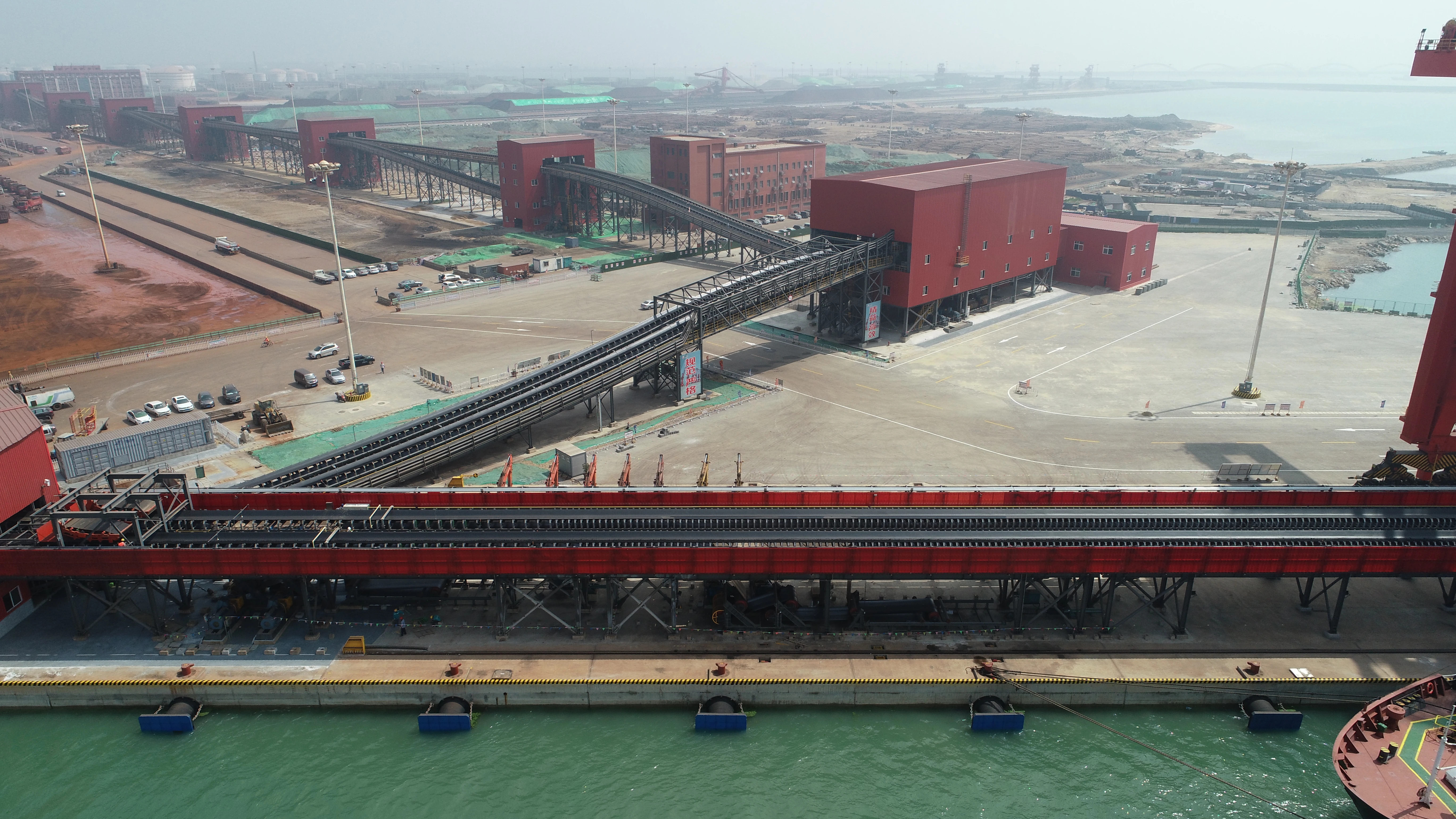
It is important to look for hidden rust. Hidden rust can make your reach stacker unsafe. Rust makes the frame weaker. If you do not find the rust, your machine might not lift heavy things safely. This can make the load move or swing. It gets harder to put containers in the right spot. There is also a bigger chance of crashes. Operators may have trouble using the machine if the frame is weak. CEGC gives you ways to stop rust. Their marine-grade protection helps you stay safe and keep control.
Tip: Always check your container handler, portal crane, and other port machines for hidden rust. This keeps your team safe and your equipment working well.
Cost and lifecycle impact
Hidden rust makes repairs cost more. You will spend extra money fixing things that could have been stopped. If you do not fix rust, your reach stacker might break down a lot. This means your work stops and slows down your port. You lose time and money when your machine does not work. CEGC’s Reach Stacker corrosion: hidden frame rust checks help you find rust early. You protect your machine and make it last longer. Regular checks and marine-grade coatings help your machines work for more years.
Reach Stacker corrosion: hidden frame rust checks
Vulnerable areas to inspect
You should check some important spots on your reach stacker for hidden rust. These places get a lot of stress and bad weather at the port. Pay close attention to these parts when you do Reach Stacker corrosion: hidden frame rust checks:
-
Main frame—look for rust at welds and joints.
-
Spreader—check for paint damage and rust where parts connect.
-
Telescopic arm—look inside and outside for rust.
-
Twist lock—see if there is rust or wear where metal touches metal.
-
Battery terminals and wiring—look for rust that can hurt electric parts.
-
Fasteners and punch holes—check bolts, connectors, and anchor spots.
-
Uprights and braces—see if they are twisted, bent, or buckled.
-
Footplates—look for rust or damage at the bottom.
Tip: Always check your container handler, portal crane, and other machines for hidden rust. This keeps your team safe and your equipment working well.
Rust signs to watch for
You can find early or bad rust by looking for these signs during Reach Stacker corrosion: hidden frame rust checks:
-
Small orange or brown spots, mostly at seams and welds.
-
Scratches, chips, or dull paint that shows bare metal.
-
Paint that bubbles or peels means rust is under it.
-
Metal that flakes or has pits shows bad rust.
-
Rust at the bottom of parts or where water sits.
-
Orange or brown stains under parts mean rust is active.
If you see any of these signs, you should fix them fast to stop more damage.
Detection tools and methods
You can use different tools to make Reach Stacker corrosion: hidden frame rust checks better:
-
Bore camera or endoscope: lets you look inside closed parts of the frame and telescopic arm.
-
Ultrasonic thickness gauge: checks how thick the metal is to find hidden rust.
-
Visual inspection: use a flashlight and mirror to see hard spots.
-
Tap test: tap metal and listen for dull sounds that can mean hidden rust.
These tools help you find rust before it gets worse.
Inspection steps
Follow this checklist for good Reach Stacker corrosion: hidden frame rust checks:
-
Clean all parts to get rid of dirt and grease.
-
Use a flashlight to check welds, joints, and seams for rust or paint damage.
-
Look at the spreader, telescopic arm, and twist lock for pits, flaking, or bubbling paint.
-
Use a bore camera to look inside hollow parts of the frame.
-
Check metal thickness with an ultrasonic gauge at important spots.
-
Look at battery terminals and wires for rust.
-
Check fasteners, punch holes, and footplates for rust or if they are loose.
-
Write down what you find and take pictures for your log.
-
If you see bad rust, mark the spot for fixing or changing.
Note: Early rust looks like small spots where paint is missing. Scale rust means the metal is flaking and weak. Penetrating rust means there are holes or big damage.
|
Stage |
Description |
Characteristics |
|---|---|---|
|
Only the top layer of metal is rusty |
Small spots, easy to fix, often at paint chips |
|
|
Scale Rust |
Rust starts to flake and spread |
Weak metal, bigger area |
|
Penetrating Rust |
Rust goes through the metal and makes holes |
Bad damage, may need new parts |
When to call professionals
Sometimes you need experts for Reach Stacker corrosion: hidden frame rust checks. Call CEGC or a trained service team if you:
-
Find bad rust, deep pits, or holes in the frame.
-
See twisting, bending, or buckling of uprights or braces.
-
Notice loose bolts, connectors, or broken footplates.
-
Need ultrasonic tests or repairs that are more than cleaning and painting.
Professional inspectors should have the right training. They should follow rules like ATA’s TMC Recommended Practices and PMI Guidelines for material handling equipment.
|
Requirement |
Description |
|---|---|
|
Training Program |
Follows ATA's TMC Recommended Practices (RPs) |
|
Qualification Time |
Trained in less than 1 year with a self-certified program |
|
Curriculum Content |
Has PMI Guidelines for Class 7 & 8 Diesel Tractors and Material Handling |
Prevention and maintenance
You can stop hidden rust and help your reach stacker last longer by doing these things:
-
Use marine-grade anti-corrosion coatings. These can add 10–20 years to your machine’s life and save money on repairs.
-
Clean your reach stacker often to get rid of salt, dust, and water.
-
Plan regular checks to find rust early.
-
Use CEGC’s protection plans for special projects and support.
-
Check all your cranes and cargo machines for the same rust risks.
Remember: Marine-grade coatings like Rust Grip® can last over 20 years and pass tough salt spray tests. This means your port is safer, your machines work better, and you have less downtime.
By doing these Reach Stacker corrosion: hidden frame rust checks, you protect your machines and keep your port working well.
Checking for hidden rust often keeps your reach stacker safe. Use special coatings from CEGC and other technical tools. Regular checks help you avoid spending a lot on repairs. Your machine lasts longer and costs less to fix.
-
Stop small problems before they turn into big repairs
-
Use your machine as much as possible
-
Make your equipment last more years
FAQ
How often should you check your reach stacker for hidden rust?
You should inspect your reach stacker every three months.
Tip: Increase inspection frequency if your port faces harsh weather or salt exposure.
What tools help you find hidden rust in the frame?
You can use a bore camera, ultrasonic gauge, and flashlight.
-
These tools help you see inside closed parts and measure metal thickness.
Can you fix hidden rust yourself or should you call experts?
You can fix surface rust yourself.
Call CEGC or certified professionals for deep rust, structural damage, or advanced repairs.


