
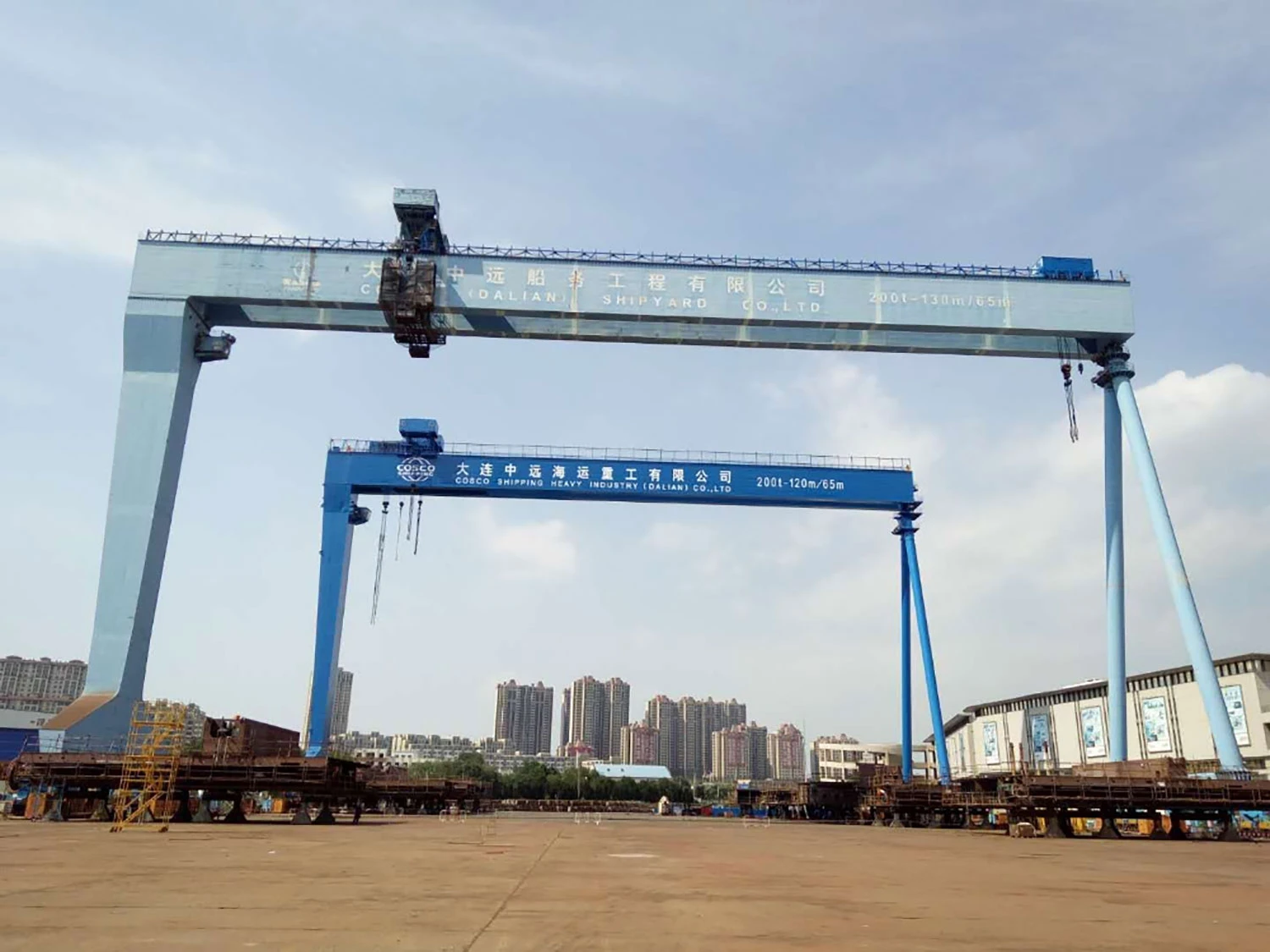
You need to keep container gantry crane: protect rails and structures safe from rust and weather. Water, chemicals, and sunlight can hurt container gantry crane: protect rails and structures. Put on special paint, use strong steel, and check them often. CEGC helps you make sure container gantry crane: protect rails and structures stay safe and work well. Take good care of container gantry crane: protect rails and structures.
Key Takeaways
-
Check your container gantry crane rails often to find rust early. Look at them every day to stop expensive fixes.
-
Put on special coatings and use tough materials to stop rust. This keeps your cranes safe and helps them last longer.
-
Make a regular plan for maintenance. Taking care of your cranes often keeps them working safely and well.
Corrosion challenges for container gantry crane rails
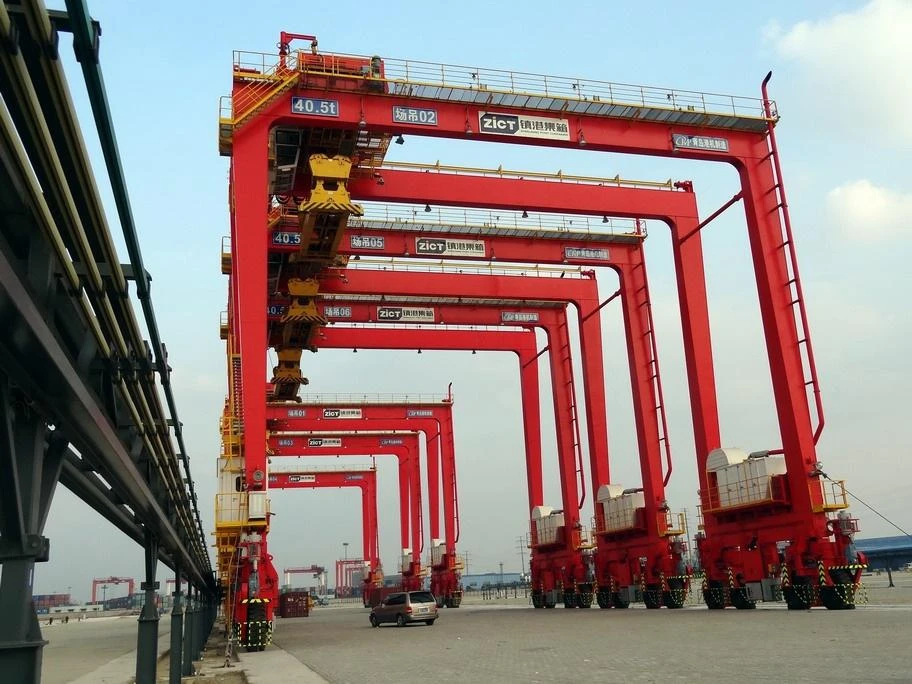
Safety and operational risks
When you use container gantry cranes at ports near the ocean, you face big problems with rust. Saltwater and wet air can damage the metal rails and structures. Rust can show up fast because salt fog and sea air make metal break down quicker. The design of the gantry crane should help stop these problems. If you do not take care of rust, the structure can break. Rust makes rails weak, so they cannot hold heavy things safely. You might see loads swing or even crash if the rails get too weak. Gantry crane design should have special coatings and regular checks. Salt in the air and water causes rust, so you need to control these things. CEGC gives you gantry crane design with strong anti-rust features and choices made for your port.
Tip: Always look at the rails for rust and damage before every shift. This helps you find problems early and keeps everyone safe.
|
Failure Mode |
Description |
Preventive Measures |
|---|---|---|
|
Corrosion |
Bad weather makes metal break down and lose strength. |
Check often and use special coatings to protect metal. |
|
Inadequate Maintenance Practices |
Not taking care of the crane makes it wear out faster. |
Oil, clean, and fix parts on time. |
|
Corrosion Protection |
Using ways to keep metal safe from bad weather. |
Use coatings or cover metal parts to stop rust. |
Cost and maintenance impact
Rust problems make you spend more money and time fixing cranes. You have to check, fix, and change crane parts a lot. Rust makes the crane weak, so work stops more often. The design of the gantry crane should help stop these problems so your port works well. If you skip fixing things, you could get in trouble with the law. Salt mist and wet air make rust worse. CEGC’s gantry crane design uses strong materials and special packages to help you do less fixing and keep your cranes safe.
-
Rust means you need to check and fix cranes often.
-
Weak parts from rust stop work and cause delays.
-
You can get in trouble if you do not fix things.
You keep your cranes safe and save money when you pick gantry crane design with strong anti-rust features.
How to prevent rust and corrosion
Surface preparation and cleaning
Start with a clean surface to stop rust on your container gantry crane rails. Dust, salt, and dirt can stick to metal and make rust happen faster. You should wipe off dust from the crane’s surface often. When it rains a lot, put on an oil film. This oil film keeps wet air away from the metal. You also need to use anti-corrosion coatings on the main structure every so often. These steps are your first way to stop rust and corrosion before they start.
-
Take off dust and dirt from all surfaces.
-
Use oil film treatments when it is wet outside.
-
Put on anti-corrosion coatings as part of your routine.
Anti-corrosion coatings and materials
You can use special coatings and strong materials to stop rust and help your crane last longer. Epoxy paints and polyurethane coatings make a hard shield against water and chemicals. Galvanization covers steel with zinc, which stops rust by wearing away first. Stainless steel parts, like bolts and fittings, do not rust easily even in salty air. CEGC gives you anti-corrosion treatment choices and coatings that fit market rules and can be made for your project.
|
Coating/Material |
Description |
|---|---|
|
Protective Coatings |
Epoxy-based marine coatings or hot-dip galvanization protect metal from salt and water. |
|
Stainless Steel Components |
Bolts and fittings made from stainless steel or galvanized steel do not rust easily. |
|
Cathodic Protection |
Sacrificial anodes or ICCP systems keep steel safe in open areas. |
|
Regular Maintenance Cycles |
Easy-to-check spots help you put on coatings again before rust spreads. |
Waterproofing and sealing
Waterproofing and sealing are ways to keep water and salt away from metal parts. You should use special coatings on cranes near the ocean. These coatings work as a rust guard and help stop rust. Galvanized or stainless steel parts, with coatings, keep rust from starting. You need to check and fix these coatings often. Change any rusty parts right away. Oil moving parts to stop salt from building up. CEGC’s marine package has these features to help you stop rust and corrosion.
-
Put waterproof coatings on open surfaces.
-
Use rust-proof materials for parts near saltwater.
-
Oil and check seals during daily care.
Regular inspection and maintenance
You must check your crane rails and structures often to find rust early. Daily care means looking for rust spots, listening for strange sounds, and cleaning off dirt. Each week, check oil and alignment. Every month, look at the structure and read logs. Every three months, test the crane with heavy loads and clean moving parts. Once a year, do a full check and test all important parts. These steps help you stop rust and make your crane last longer.
|
Tasks |
|
|---|---|
|
Daily |
Look for rust, listen for noises, clean dirt, check controls. |
|
Weekly |
Check oil, alignment, brakes, and wires. |
|
Monthly |
Check structure, bearings, wheels, and read logs. |
|
Quarterly |
Test with heavy loads, check gearbox, wires, clean moving parts. |
|
Annual |
Full check, special testing, fix main parts. |
Regular care acts as a rust guard and helps you avoid big repairs. Watching how the crane works also helps you stop too much wear, which makes the crane last longer.
Advanced protection methods
You can use advanced ways to stop rust and keep your crane working longer. Cathodic protection, like sacrificial anodes or special electric systems, adds another layer to protect important parts. Predictive maintenance uses sensors to watch crane parts all the time. This system tells you before rust or damage gets bad. CEGC’s predictive maintenance and anti-sway systems help you find problems early and keep your equipment safe. Modular design lets you change broken parts fast, which means less waiting and a stronger crane.
-
Cathodic protection systems keep steel from rusting.
-
Predictive maintenance uses sensors to warn about rust.
-
Modular design lets you fix things fast and keeps rust away.
Tip: Pick CEGC’s container gantry crane solutions for custom anti-corrosion treatment, special coatings, and marine strength. You get strong rust guard and longer life for your port machines.
You can protect your container gantry crane rails by following these steps:
-
Avoid collisions to keep coatings strong.
-
Check and oil moving parts often.
-
Fix paint and cover bare spots right away.
|
Benefit |
Result |
|---|---|
|
Early checks |
Save money and avoid big repairs |
|
Good care |
Make cranes last longer and work safely |
Choose CEGC for custom port machinery protection and support.
FAQ
What is the best way to protect container gantry crane rails from rust?
You should put on special marine coatings. Clean the rails a lot and look for any damage. CEGC can make anti-rust plans just for your port machines.
How often should you inspect container gantry crane rails?
-
Check the rails every day for rust, dirt, or damage. Do a bigger check each month to find more problems and keep cranes safe.
Can CEGC customize anti-corrosion protection for my port?
|
Service |
Customization Available |
|---|---|
|
Anti-corrosion |
Yes |
|
Coatings |
Yes |
|
Maintenance |
Yes |
You can talk to CEGC to get help made for your project.


