
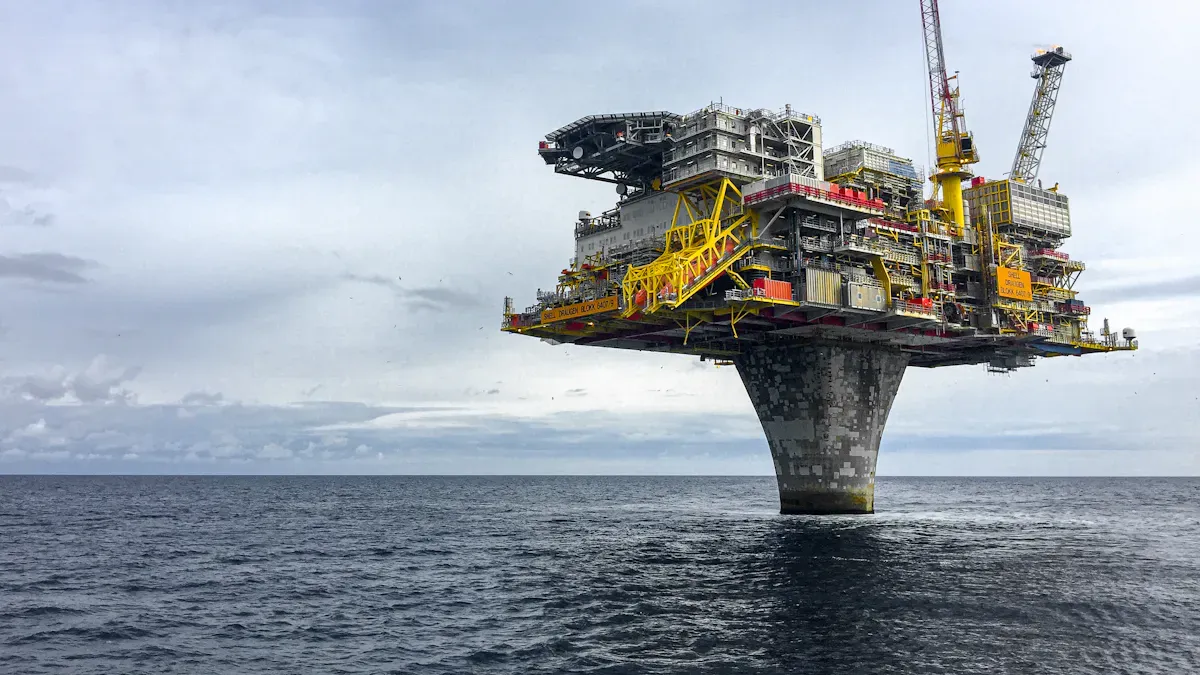
You can see why an offshore platform needs a corrosion-ready ship loader. Saltwater, wind, and wet air make tough conditions. The offshore platform needs a corrosion-ready ship loader to stop rust. Rust makes steel weak and makes machines not last long. The offshore platform needs a corrosion-ready ship loader to stop expensive problems. The offshore platform needs a corrosion-ready ship loader to keep workers safe. The offshore platform needs a corrosion-ready ship loader so you do not lose work time. CEGC gives you good answers for offshore platform needs corrosion-ready ship loader.
Key Takeaways
-
Corrosion protection is very important for offshore platforms. It stops rust from forming. Rust makes steel weak and costs more to fix.
-
Using special coatings and strong materials helps ship loaders last longer. Marine-grade materials are best for this job. Epoxy coatings give the best protection from corrosion.
-
Doing regular checks and using smart monitors finds rust early. This helps fix problems before they get worse. It also keeps equipment working well.
Corrosion Challenges on Offshore Platforms
Marine Environment and Corrosion Risks
Working on offshore structures is very hard. Saltwater, spray, and wet air make things tough. These harsh conditions make corrosion happen faster on oil platforms. Here is what goes on:
-
Seawater works like an electrolyte and starts reactions on metal.
-
Saltwater and seawater pull in water, which sticks to steel and starts rust.
-
High chloride in coastal places causes rust and small holes.
-
Oxygen in seawater makes corrosion worse, mostly near the top.
-
Pits and cracks in metal cause rust in small spots and can break things.
You need to protect offshore structures from these problems to keep them strong and safe.
Operational Stress and Safety Concerns
Offshore structures move a lot and hold heavy things. Ship loaders and other machines must deal with wind, waves, and moving cargo. When loads swing, it is hard to put cargo in place and crashes can happen. Rust makes things weak and parts can break when stressed. You should look out for these dangers:
-
Swinging loads and wind make accidents more likely.
-
Rusty structures might not hold up when lifting heavy things.
-
Safety problems get worse when rust hurts ship loaders and cranes.
Impact on Ship Loaders and Port Equipment
Rust hurts every part of your offshore structures. Saltwater and spray attack ship loaders, cranes, and other equipment. Wet air and rough sand wear away coatings. This means more downtime and higher repair costs. Here are some common issues:
-
Saltwater and spray start rust on metal.
-
Wet air makes water drops in hard-to-reach spots.
-
Rough sand scrapes off coatings and lets rust start.
-
Rust happens when different metals touch each other.
-
Repairs and new parts cost more and slow down work.
-
Rust makes ship loaders and other gear not last as long.
CEGC has helped many offshore jobs by using special ways to stop rust.
Strategy
Description
Protective Coatings
Epoxy-based marine coatings keep out salt and water.
Stainless Steel Components
Stainless steel parts stop rust from causing failures.
Cathodic Protection
Sacrificial anodes or ICCP systems stop rust in open spots.
Regular Maintenance Cycles
Easy checks help fix and recoat things on time.
You can count on CEGC’s know-how with offshore structures to keep your equipment safe and working well.
Corrosion Prevention and Protection Solutions
Protective Coatings and Marine-Grade Materials
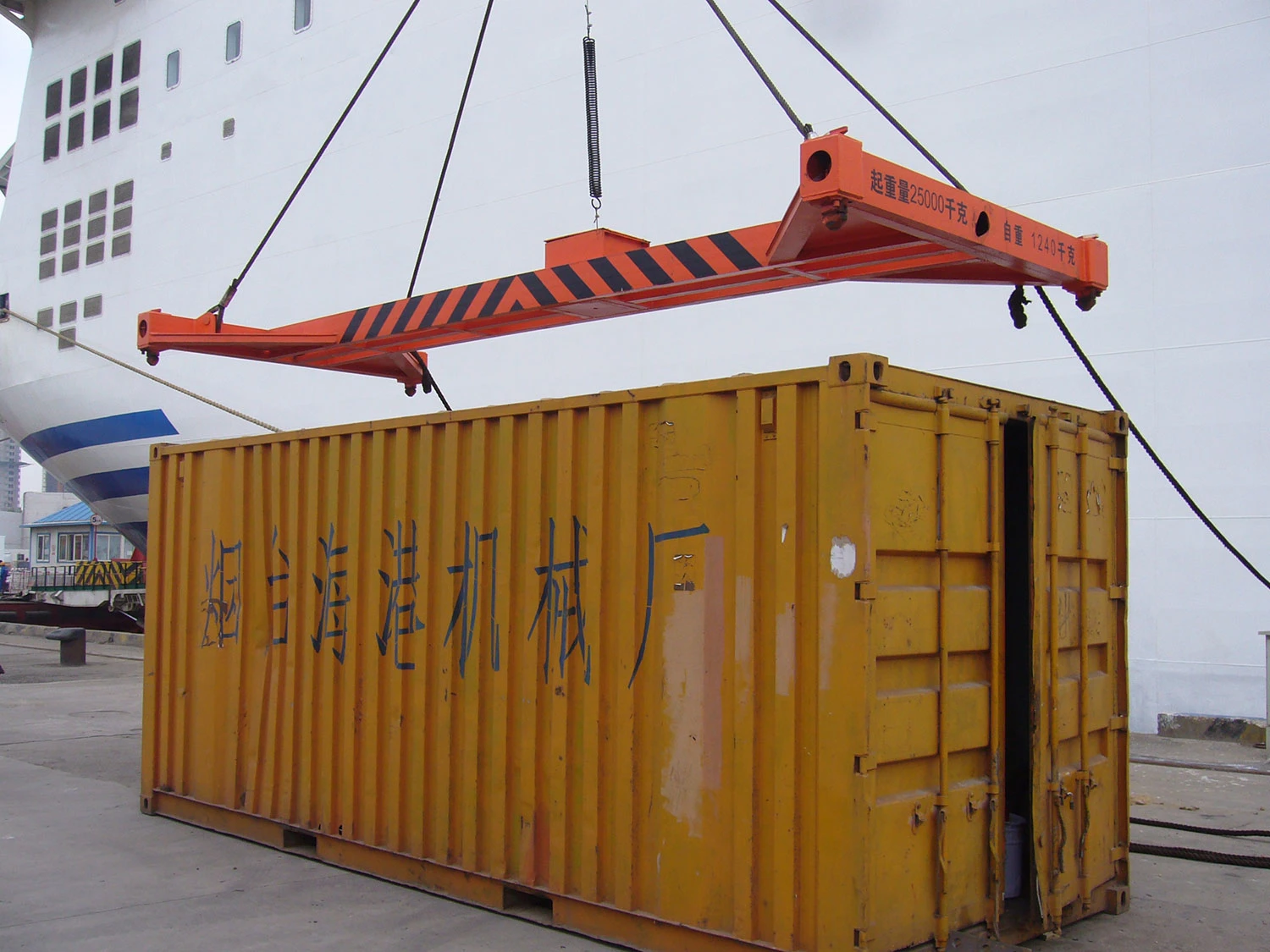
Offshore platforms need strong coatings and materials to stop corrosion. Saltwater, wind, and wet air attack ship loaders and cranes daily. Using the right coating and marine-grade materials keeps equipment safe.
Tip: Always clean and prepare metal before adding coatings. This helps coatings stick better and last longer.
There are many coatings for offshore ship loaders. Epoxy coatings are the most used. They protect well against corrosion and stick strongly. Polyurethane coatings block UV rays and keep colors bright. Acrylic coatings dry fast and protect from sun and rust. Alkyd coatings cost less and give some protection. Polyester coatings fight scratches and UV rays.
|
Coating Type |
Market Share (%) |
Key Properties |
|---|---|---|
|
Epoxy |
36 |
Excellent corrosion resistance, strong adhesion, temperature resistance from -40°C to 120°C. |
|
Polyurethane |
21 |
UV resistance, maintains color stability, temperature resistance from -30°C to 110°C. |
|
Acrylic |
16 |
Quick drying, moderate corrosion protection, UV resistance for over 4,000 hours. |
|
Alkyd |
11 |
Cost-effective, moderate protection, drying time of 6 to 12 hours. |
|
Polyester |
9 |
Strong abrasion resistance, UV resistance, temperature range from -20°C to 100°C. |
|
Others |
7 |
Specialized coatings for extreme environments. |
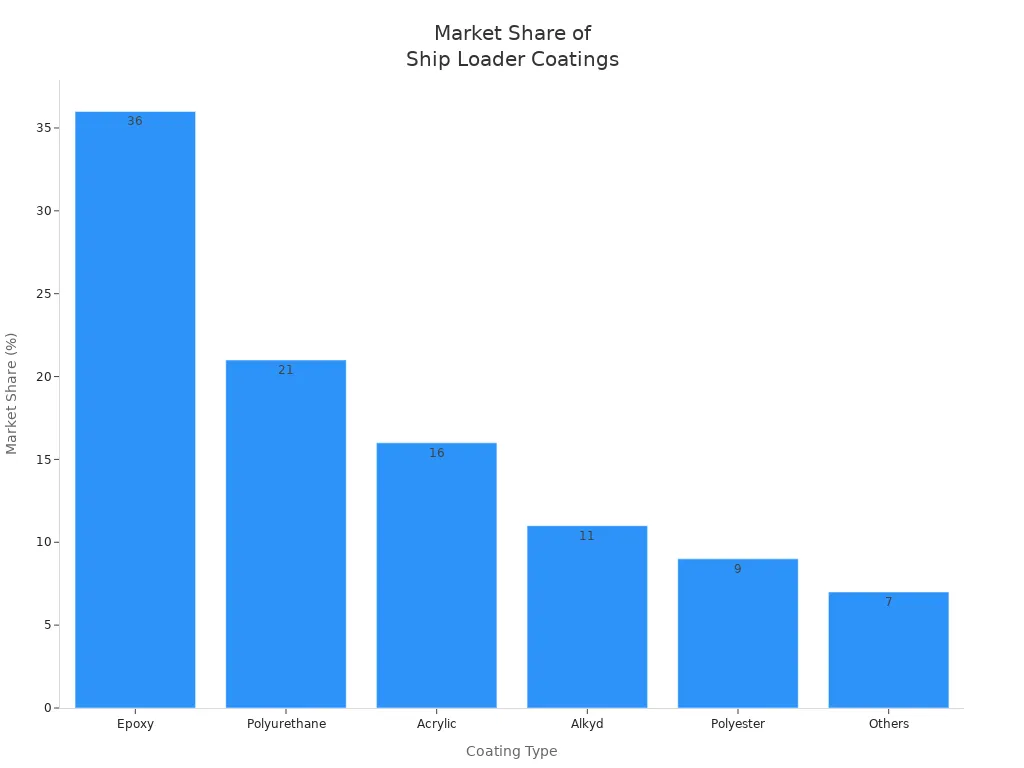
Epoxy coatings help ship loaders fight rust and bad weather. Marine-grade stainless steel is good for parts that touch saltwater. Stainless steel resists corrosion and lasts longer than carbon steel. Shipbuilding uses corrosion-resistant materials in most places because saltwater causes rust. Stainless steel spools work 54% better against corrosion and can last over 35 years in chemical plants.
You need coatings and marine-grade materials to stop rust and keep offshore equipment strong.
Cathodic Protection Systems
Cathodic protection methods help keep ship loaders safe from rust. Sacrificial anodes and impressed current systems are the main ways to protect metal.
Sacrificial anodes take on the damage that would hurt metal parts. These anodes rust instead of the ship loader, keeping it safe. You must check and change sacrificial anodes often to keep protection strong. Sacrificial anodes help equipment last longer.
Impressed Current Cathodic Protection (ICCP) systems use outside power to send electric current to metal. ICCP systems stop rust by making metal parts cathodic. You can change the current for different needs. ICCP uses tough anodes like titanium or graphite, which last longer and protect better. ICCP often saves more money over the ship’s life than sacrificial anodes.
|
Feature |
Description |
|---|---|
|
Corrosion Prevention |
ICCP systems apply a direct current to metal structures, preventing corrosion by making them cathodic. |
|
Controlled Protection |
The system provides a high, controllable protective current that can be adjusted for varying conditions. |
|
Long-lasting Anodes |
Durable anodes with a long service life are used, enhancing the effectiveness of corrosion protection. |
|
Cost-effectiveness |
ICCP is often more cost-effective over the vessel’s lifetime compared to sacrificial anode systems. |
Cathodic protection helps port machines last longer and stay strong. Using these systems keeps offshore equipment working well in tough places.
CEGC Customization and Lifecycle Support
You need a partner who knows how to stop offshore corrosion. CEGC gives you standard and custom solutions for ship loaders, cranes, and cargo gear. You can pick the anti-corrosion grade, sealing level, and maintenance plan that fits your platform.
Note: CEGC supports regular checks and easy repairs. This helps you avoid downtime and keep equipment running.
CEGC designs ship loaders and cranes to handle stress and last longer. Designers look at stress and use safety rules to stop failures from rust. Small design changes can help prevent damage from stress. You get equipment that lasts longer and stays strong.
You can add safety and anti-sway systems with corrosion protection. This makes things safer, lowers repair costs, and helps equipment last longer.
|
Benefit |
Description |
|---|---|
|
Enhanced Safety |
Integrating anti-sway systems improves operational safety by reducing the risk of accidents. |
|
Stronger materials and coatings lead to less frequent repairs, saving money over time. |
|
|
Extended Equipment Life |
Good corrosion protection ensures that equipment lasts longer and does not need early replacement. |
You can use smart maintenance systems to find rust early. Robots with sensors and AI check offshore equipment. These robots spot rust and thin spots that people may miss. You can fix small rust problems before they get worse.
CEGC gives you full protection for your equipment’s whole life. You get coatings, sacrificial anodes, cathodic protection, strong design, and smart maintenance. You can trust CEGC to keep your offshore platform safe and working well.
You help your offshore platform by getting corrosion-ready ship loaders. New ways to stop rust mean less time fixing things. These ways also help keep workers safe. CEGC lets you pick what works best for you. This keeps your equipment safe for a long time. Offshore oil and gas jobs need strong tools. The offshore oil industry needs gear that works well in tough places.
FAQ
What makes corrosion protection important for offshore ship loaders?
Offshore platforms have a lot of saltwater and wind. Corrosion protection helps your ship loader stay strong and safe. It works well even when the weather is bad.
How does CEGC customize solutions for offshore equipment?
You can pick coatings, materials, and maintenance plans. CEGC changes each choice to fit your needs. This helps your equipment last longer in tough places.
Can you reduce downtime with offshore maintenance systems?
You use smart sensors and do regular checks. These tools help you find problems early. They keep your offshore equipment working well.


