
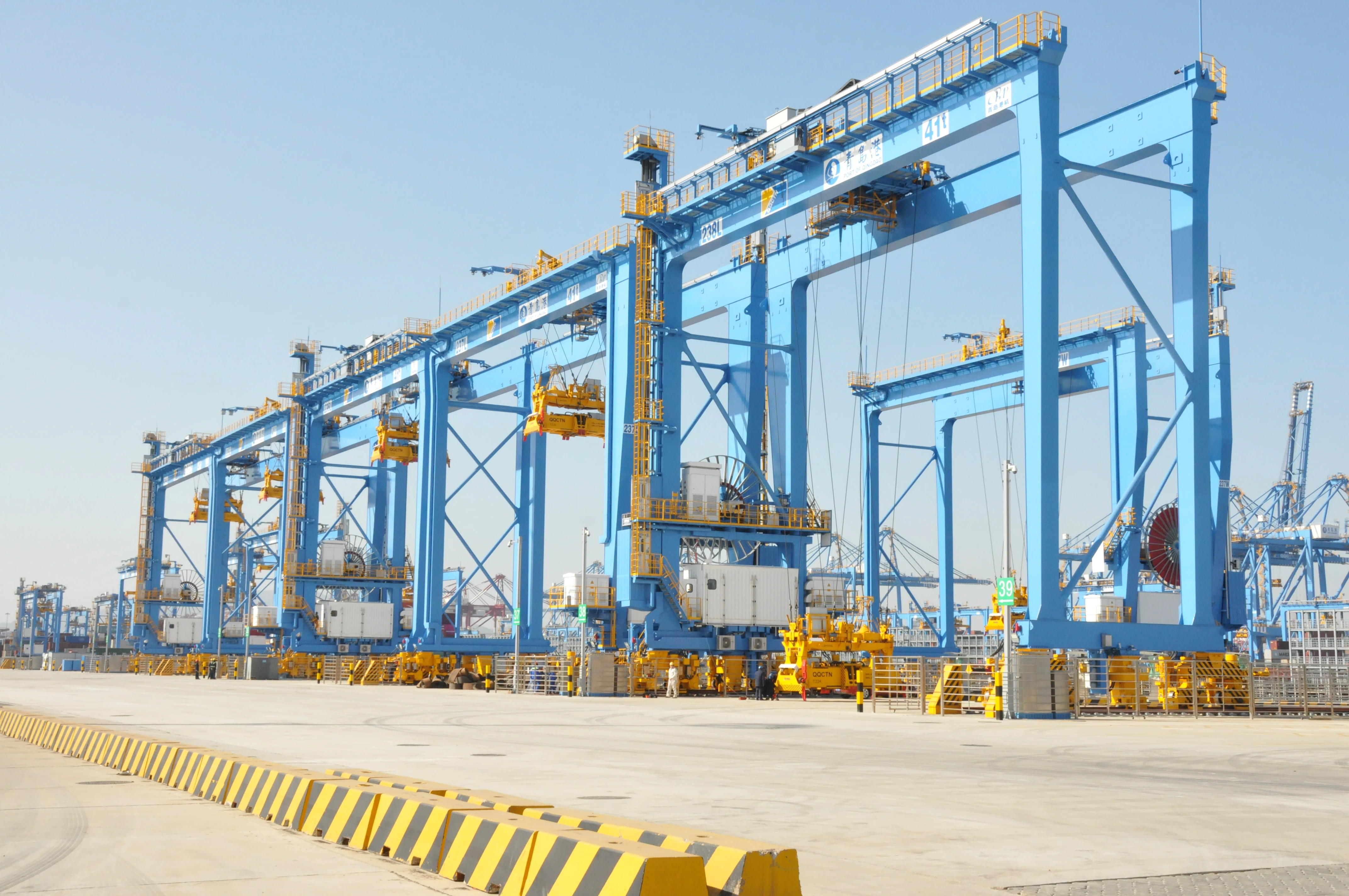
You want to make your portal crane work by itself in a safe way. Portal crane: automation without cyber risk begins with knowing the main problems and picking strong answers.
-
Checking and fixing things early helps stop long breaks.
-
Doing things faster makes port work better.
-
Doing things by hand can be hard.
CEGC gives you normal choices and special choices for what you need.
Key Takeaways
-
Check your portal crane systems often for weak spots. This helps you find risks and keeps your equipment safe.
-
Use strong cybersecurity steps like multi-factor authentication. This stops people who should not get in and keeps your work safe.
-
Teach your staff to see cyber threats. A team that knows what to look for can find problems early and lower the chance of cyber attacks.
Cyber risk assessment for portal crane automation
Finding weak spots in crane systems
You should check how your portal crane connects to other systems. Weak spots in the control system can cause risks. You can keep your equipment safe by doing these things:
-
Use remote access systems with multifactor authentication. This stops people who should not get in.
-
Keep management functions away from operational systems. This makes sure only certain people control your crane.
-
Watch all messages on your crane network. Look for strange activity between your crane and port management systems.
-
Ask vendors to update software at your site if they can. This lowers the chance of remote attacks.
-
Check PLC programs often to make sure your crane works right.
-
Keep strong physical security for all devices and infrastructure.
You also have safety risks like load sway, collision exposure, and operator skill differences. Anti-sway control helps stop load movement. Safety interlocks block unsafe actions. An operator-centered HMI shows clear alarms and guides you through safe steps.
Checking risks in networked operations
Connecting your container handling equipment or container gantry crane to a network adds more risks. A cyber risk assessment helps you see how these connections change your risk. Networked operations make a bigger attack surface. If one system gets attacked, many others can be affected. It is hard to keep security strong for all partners and suppliers.
You can use technical solutions to make things safer and more reliable:
-
Mechanical and electrical interlocks stop unsafe operations.
-
Anti-sway systems help prevent collisions and dropped loads.
You can pick custom options to fit your needs. The table below shows how different choices affect safety:
|
Customization Option |
Impact on Safety |
|---|---|
|
Advanced Safety Analytics |
Turns data into insights for ongoing improvement. |
|
Predictive Risk Analysis |
Finds risk patterns and compliance trends using past data. |
|
Automated Safety Override Systems |
Stops unsafe actions and warns you before danger happens. |
A strong cyber risk assessment helps you choose the best solutions for your portal crane and keeps your operations safe.
Portal crane: automation without cyber risk
Secure system design and planning
You need a good plan to keep your portal crane: automation without cyber risk safe from threats. Start by making your system secure from the very beginning. Use new firewalls and encryption to protect your networks. Set up strong access rules with multi-factor identification and role-based management. This makes sure only the right people use your crane systems.
Keep your IT and operational technology networks apart. This helps stop malware from moving between systems. You should also train your team often. When your staff knows how to spot cyber threats, you lower mistakes. Add AI-based surveillance to watch for strange behavior. If something goes wrong, you need a clear plan to act fast.
Smart ports face risks like people getting in without permission, data leaks, and malware. You can manage these risks with firewalls, encrypted messages, and regular checks. Always test your systems for weak spots. Back up your data so you can recover fast if something happens. Remember, cybersecurity is not just for IT. It is important for safe crane operation too.
CEGC solutions help you plan for portal crane: automation without cyber risk. You can pick the right automation level, anti-corrosion grade, and maintenance plan for your needs. This keeps your system safe and working well in any port.
Implementing robust cybersecurity measures
You must use strong cybersecurity steps to protect your automated portal crane: automation without cyber risk system. The table below shows some best practices:
|
Best Practice |
Description |
|---|---|
|
Regularly Update and Patch Container Environments |
Keep systems up-to-date with security patches to avoid exploits. |
|
Strong Access Controls and Authentication |
Use multi-factor authentication and role-based access control to prevent unauthorized access. |
|
Regular Security Audits and Compliance Checks |
Check your systems often to find and fix security gaps. |
|
Secure Container Networking |
Use secure protocols like TLS/SSL to protect data in transit. |
|
Improve Container Runtime Security |
Apply controls to reduce the risk of attacks during operation. |
|
Comprehensive Monitoring and Logging |
Watch for threats in real time and respond quickly. |
|
Secure Container Orchestration |
Harden platforms and use RBAC to stop attackers from taking control. |
AI and machine learning help you find threats fast. These tools look at network data and device logs for strange patterns. If they see something odd, they can act right away. This can cut response times by up to 40%. You can also use regular checks and tests to keep your system strong.
Sensor integration makes your portal crane: automation without cyber risk project safer and better. Load sensors stop overloading. Proximity sensors help avoid crashes. Position sensors make sure your crane moves the right way. CEGC offers smart anti-sway systems that lower cycle times and reduce accidents.
Remote diagnostics let you check your crane’s health from anywhere. IoT sensors send live data about motors, cables, and other parts. AI-driven analytics predict problems before they happen. You can fix issues early and avoid downtime. Cloud connections give you quick access to performance data for fast troubleshooting.
CEGC solutions also focus on marine durability and predictive maintenance. You can pick marine-grade coatings, stainless parts, and sealed electrical systems. Regular maintenance and easy inspection points help you keep your crane in top shape.
Continuous monitoring and staff training
You need to watch your portal crane: automation without cyber risk system all the time. Continuous monitoring uses AI and machine learning to check network traffic, device logs, and sensor data. This helps you find threats before they cause problems. Automated systems can isolate affected areas and keep your main operations safe.
Real-time monitoring means you can respond to threats quickly. Studies show that AI security can cut response times by up to 40%. This keeps your port running well and reduces downtime.
Staff training is just as important as technology. Train your team to spot phishing and manage their passwords safely. Teach them how to use devices the right way and report anything odd. Build a culture where everyone cares about digital security and cyber risk.
You can also customize your portal crane: automation without cyber risk system. Choose manual, electric, or fully automated controls. Pick the right anti-corrosion grade for your environment. Set up a maintenance plan that fits your schedule. CEGC gives you the flexibility to meet your needs and keep your system safe.
Tip: Make cybersecurity and digital security part of your daily routine. Regular checks and training keep your portal crane: automation without cyber risk project safe and reliable.
You keep your portal crane automation safe by checking for cyber risks. You also use strong cybersecurity steps at each stage. CEGC solutions help make things safer and work better. They do this with real-time checks and by fixing problems before they get big. You should always look at new trends in the industry:
|
Trend |
Description |
|---|---|
|
Automation |
Ports use new tech to work faster |
|
Cybersecurity |
More digital tools mean more risk |
-
Check your cyber insurance often.
-
Teach your staff what to do.
-
Make your automation plan fit your needs.
FAQ
What makes cyber risk management important for portal crane automation?
You must protect your safety-critical assets from cyber threats. Cyber risk management helps you spot each cyber threat early and keep your portal crane safe from cyber attacks.
How do you keep your portal crane safe from cyber threats?
You use cyber monitoring tools. You train your team to spot a cyber threat. You update your cyber systems often. You block cyber attacks before they harm your crane.
Can cyber threats affect other safety-critical assets in your port?
Yes. A cyber threat can move from one system to another. You must protect all cyber systems to keep every safety-critical asset safe from a cyber attack.
Tip: You should check your cyber systems often. This helps you find a cyber threat before it causes damage.
|
Cyber FAQ Quick Guide |
Answer |
|---|---|
|
How many cyber threats should you expect? |
You should always prepare for any cyber threat. |
|
Can cyber attacks stop your crane? |
Yes. A cyber attack can stop your crane if you do not protect your cyber systems. |


