
You deal with container handling gantry crane: automation pitfalls every day. Safety problems happen during each work shift. Load sway and crashes can hurt your work. Operator tiredness and hard systems make container handling gantry crane: automation pitfalls worse. Industry surveys say over 30% of failures come from hard operations. Safety risks go up when automation does not fit your work steps. Using more fuel makes costs higher. CEGC gives you standard features and custom options to fix container handling gantry crane: automation pitfalls. You need safe, strong, and long-lasting systems for your port.
Key Takeaways
-
Use anti-sway and collision avoidance systems to make things safer and lower risks in container handling. - Give regular training and talk clearly to help stop operator mistakes and make safety automation better. - Do maintenance checks often to stop system failures and keep automated cranes working well.
Automation Pitfalls & Safety Risk
Load Sway & Collision Exposure
You see load sway and collision exposure every day at container terminals. Load sway is when the container swings back and forth while being lifted or moved. This swinging makes it hard to put the container in the right spot. Wind can make the swinging worse, especially in dangerous places. If the load is not steady, the crane can tip or containers can fall. This can cause serious accidents. If equipment is not in the right place, it makes things less safe.
Automation can help lower mistakes made by people. But you still need good control systems to keep things safe. Anti-sway systems use sensors and special controls to stop the load from moving too much. Automated sway control checks the container all the time to keep it steady. Variable frequency drives help you control speed and stop quickly. These tools help keep everyone safer and lower risks.
Collision exposure is still a big worry in container handling. Automated cranes help stop crashes better than manual ones. The system takes away human mistakes and lets you work from far away. Anti-collision systems use GPS and sensors to stop movement near danger. Zone control and geofencing help keep people out of risky areas. These safety features follow industry rules and make your port safer.
Tip: Use anti-sway and collision avoidance systems to make things safer and lower risks in dangerous places.
Operator Error & Training Gaps
Operator error is a main reason for accidents at container terminals. Working under pressure makes mistakes more likely. Loud noise and language problems can slow down how fast people react. Changing work steps can confuse people, and sometimes you think someone else did something when they did not. These problems make things riskier and make safety rules harder to follow.
Automation helps by making work steps the same every time. Things like automatic steering and anti-sway control help stop tiredness and mistakes. Operator-centered HMI systems show clear alarms, updates, and steps to follow. This makes it easier to learn and work safely. Safety interlocks and emergency stop logic add more ways to stop accidents. You get better safety on every shift.
Note: Training often and talking clearly are important to stop mistakes and make safety automation better in container handling.
Integration & Maintenance Challenges
Integration and maintenance are special problems for automated container handling gantry cranes. If you skip maintenance, you make system failures and accidents more likely. Common problems are remote control not working, slow grab operation, and worn hydraulic parts. Not enough corrosion protection can break things faster, especially near the sea. Not using after-sales support makes repairs cost more and take longer.
You need to check and watch the system often to keep it working well. Fix remote control problems fast to stop failures. Clean and change hydraulic parts to keep things moving. Automated cranes cost less to fix and break down less than manual cranes. Centralized software scheduling helps keep things the same and lowers confusion. CEGC’s container handling equipment meets safety, anti-sway, and strength standards. You can change the system for your site, like adding safety checks, better anti-corrosion, and maintenance plans.
|
Code |
Description |
Type of Failure |
|---|---|---|
|
CB |
Crane Break Down |
Mechanical/Electrical Failure |
|
GB |
Gear Box Issues |
Mechanical Failure |
|
SF |
System Failure |
Electrical Failure |
|
HY.HL |
Hydraulic Issues |
Mechanical Failure |
Alert: Doing regular maintenance and checking things in real time are very important for safety and stopping risks at container terminals.
CEGC’s safety automation and anti-sway features meet industry rules. You get good control, better safety, and smoother work. These systems help stop accidents, lower downtime, and keep your team safe in dangerous places.
Solutions for Container Handling Automation
Anti-Sway & Safe Lifting Systems
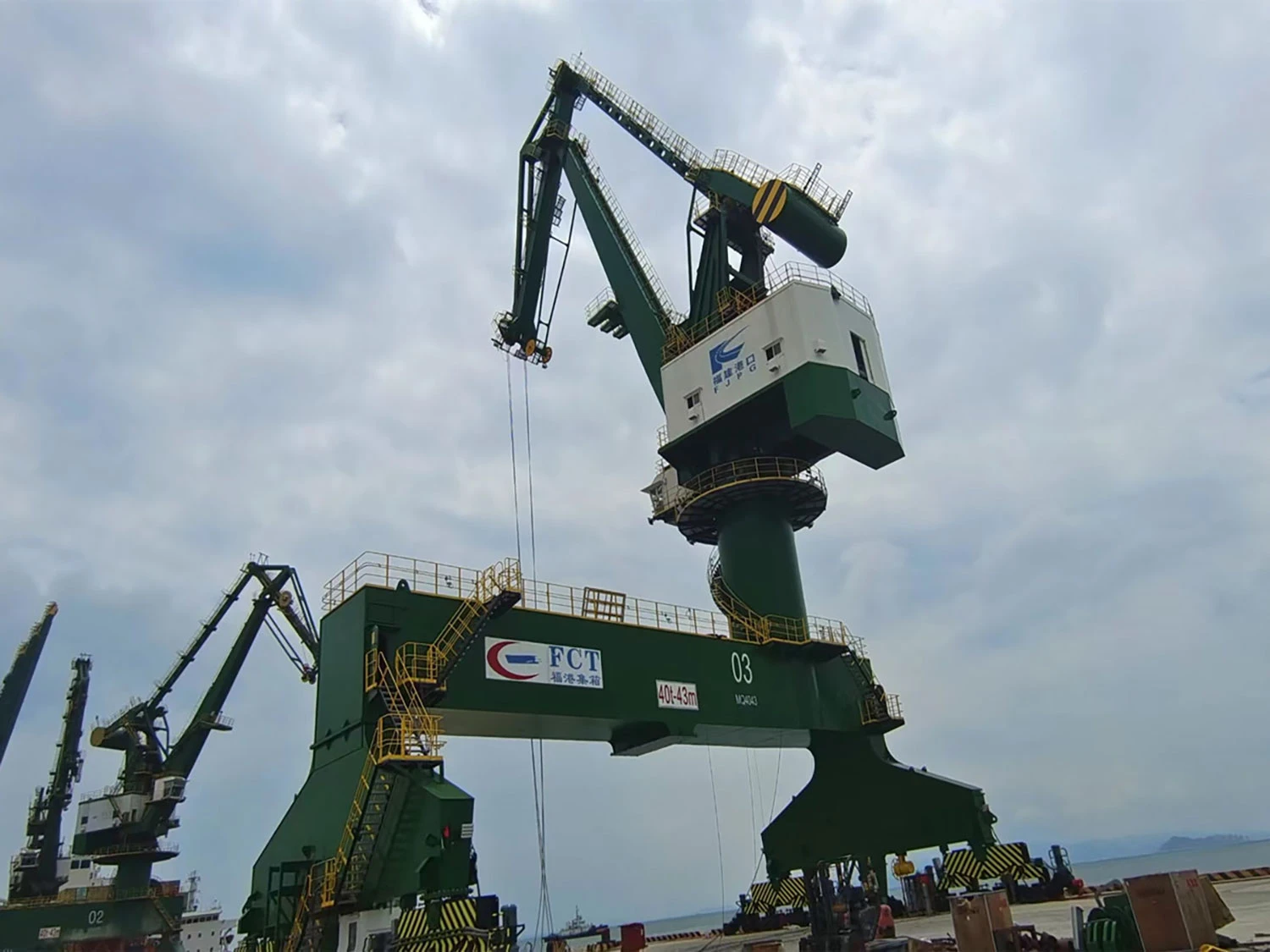
You can make your work safer by using an automated gantry crane with anti-sway and safe lifting features. Anti-sway technology uses sensors and special software to find and fix swinging loads. This keeps the container steady, even when it is windy outside. The automatic crane control system changes how it moves right away to help you work faster and safer. Modern cranes use sensors and controllers to stop the load from swaying before it gets bad. These systems help stop mistakes and lower the chance of accidents. Digital twin training tools also help by showing operators what to do in risky situations.
|
Implications for Accident Rate Reduction |
|
|---|---|
|
Digital twin system copies real work at the site |
Helps operators learn better and stay safe |
|
Measures mistakes in risky situations |
Gives data for better training and lowers risks |
|
Shows lessons with pictures and feedback |
Helps people learn more and have fewer accidents |
Predictive Maintenance & Energy Efficiency
You can keep your gantry crane working well with predictive maintenance. This system uses sensors to check each part all the time. AI and machine learning help you find problems before they cause accidents or stop work. Digital twins and sensor networks warn you early, so you can fix things fast. For energy savings, use electric cranes or add smart controls to your system. These changes use less fuel and make your port cleaner and cheaper to run.
-
A U.K. logistics hub used 22% less diesel after updating RTG cranes.
-
Electric cranes can save hundreds of tons of CO₂ every year.
Workflow Integration & Customization
You can make your work safer and faster by picking the right options for your gantry crane system. Change the span, height, and power source to fit your yard. Set up the control system for your way of working. Automatic crane control helps you move containers faster and with fewer mistakes. Customizing the system makes it safer and fits your needs better. CEGC gives you choices for automation, anti-corrosion, and how much the crane works, so you get what is best for your job.
Tip: Train often and update your system to help your team use new automation and safety rules.
You have lots of problems with container handling gantry crane automation. You can fix these problems with predictive maintenance, workflow integration, and training all the time. Pick standard specs and change your system to make it safer and stronger.
|
Key Focus |
Benefit |
|---|---|
|
Predictive Maintenance |
Less breakdowns, safer work |
|
Customization |
More productivity, flexibility |
|
Training |
Fewer mistakes, better results |
FAQ
What makes automated gantry crane operations safer?
You use anti-sway systems and safety interlocks. These tools help you control how the load moves. They stop accidents and keep your team safe.
How do you keep operations efficient with automation?
You watch your equipment with sensors. You use predictive maintenance to find problems early. These steps help you stop downtime. Your work stays smooth and reliable.
Why should you customize your crane for your operations?
Your port has special challenges. Customizing your crane helps it fit your work. You get better performance, safety, and strength every day.
How does training improve your operations?
You train your team often. Training helps operators learn new systems. Your work becomes safer and more steady with practice.
What role does maintenance play in your operations?
You plan regular checks for your equipment. Maintenance keeps your machines strong. Your work lasts longer without surprise stops or failures.
How do you handle harsh weather during operations?
You use marine-grade protection for your equipment. This keeps it safe from salt and wind. Your work continues even when the weather is bad.
Can automation lower energy costs in your operations?
You use electric cranes and smart controls. These upgrades save energy. Your work costs less and helps the environment.
How do you measure success in your operations?
You count downtime, safety problems, and cycle times. These numbers show how well your work goes. You use this data to make things better.
What is the best way to start automating your operations?
You look at how you work now. You pick the right level of automation. You talk to experts to plan your upgrades.
How do you avoid collisions in your operations?
You use sensors and zone controls. These systems warn you about danger. Your work stays safe with real-time alerts.
Why is workflow integration important for your operations?
You connect your crane to other systems. Integration helps you work together. You move containers faster and make fewer mistakes.
How does CEGC support your operations?
You get standard specs and custom choices. CEGC helps you match your work needs. You get help with safety, strength, and automation.
What should you do if your operations slow down?
You check your machines and software. You look for what is causing delays. You change your work to make it faster again.
How do you handle equipment fatigue in your operations?
You use strong materials and smart design. You plan for regular maintenance. Your work stays reliable for a long time.
Can you upgrade your operations as your needs change?
You can add new features or change settings. Your work grows with your business. You stay ready for new problems.
What is the biggest risk in automated operations?
You face safety risks from load sway and collisions. You need strong controls and regular training. These steps keep your work safe.


