
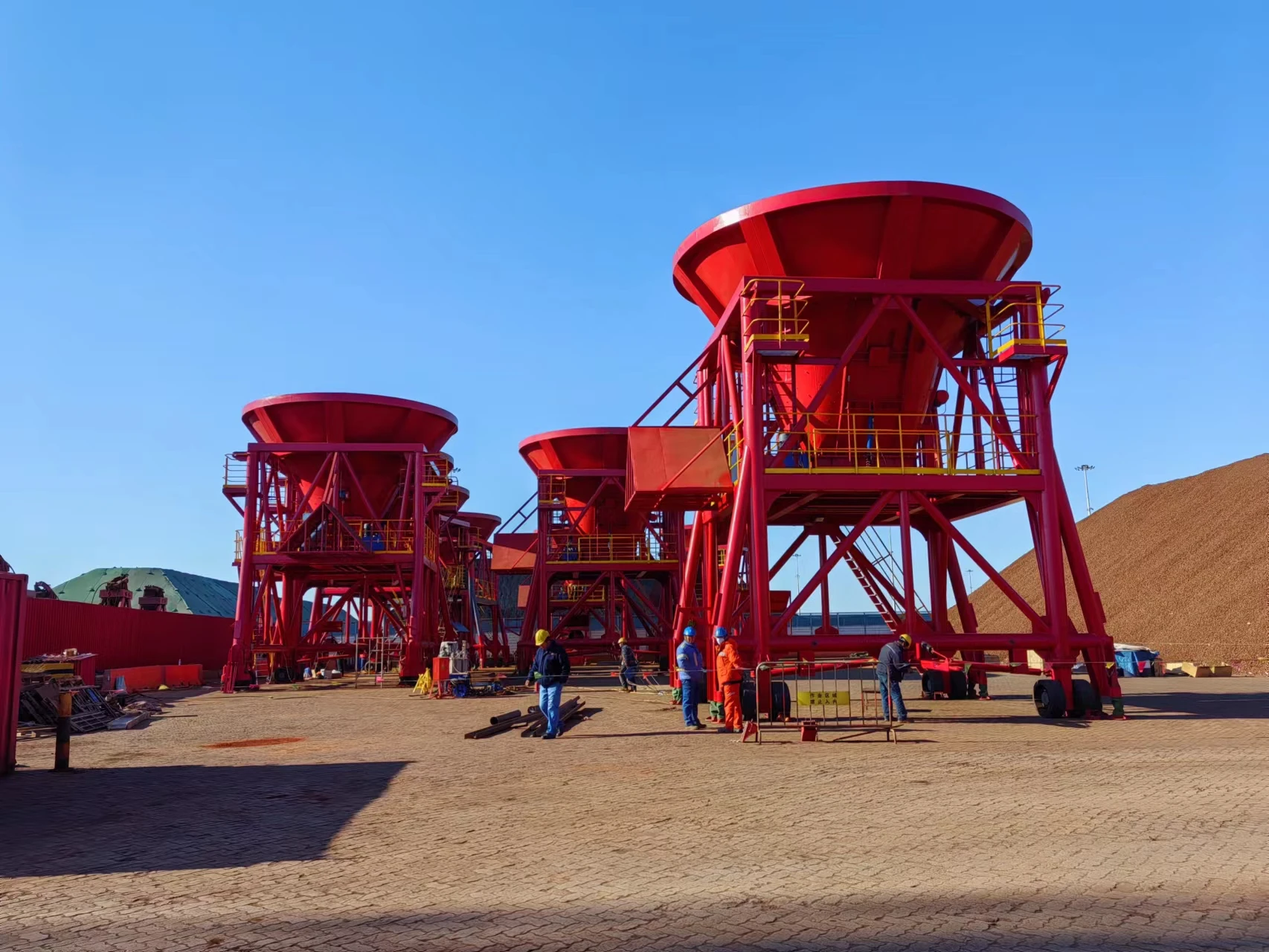
You notice ship loader automation: keep flow stable at peaks helps during busy times. CEGC gives you strong ways to handle peaks. The best solutions are anti-sway systems, motion coordination, predictive maintenance, and marine durability. These solutions help you manage peaks and keep things running well. Using ship loader automation: keep flow stable at peaks keeps your team and cargo safe. You pick ship loader automation: keep flow stable at peaks for steady results. The table below shows common ship loader solutions used around the world:
|
Type of Ship Loader |
Description |
Key Advantages |
|---|---|---|
|
Mechanical |
Uses conveyor belts, bucket elevators, and screw conveyors to move bulk materials. |
Very reliable, high capacity, and can handle many materials. |
|
Pneumatic |
Uses pressurized air to move fine, powdery, or grainy materials. |
Great dust control, keeps material safe, and meets environmental rules. |
|
Hybrid |
Mixes mechanical and pneumatic technologies for more options. |
Works very well and can handle different cargo types. |
Key Takeaways
-
Use ship loader automation to make work safer and faster during busy times. This keeps cargo moving well and lowers the chance of accidents.
-
Use predictive maintenance with smart sensors to find problems early. This stops downtime before it happens. It makes sure your equipment works and is ready when things get busy.
-
Buy anti-sway systems and motion coordination to keep loads steady when demand is high. These tools help keep things moving and stop delays.
Peak Operation Challenges for Ship Loaders
Causes of Unstable Flow
There are many problems during busy times. Load sway, wind, and mistakes by operators can make the flow of materials uneven. When more cargo needs to move fast, you have less time. This puts extra pressure on your portal crane, ship loader, and other equipment. The time it takes to finish each cycle can change a lot. It is hard to keep things moving at the same speed. If you do not plan terminal operations well, you get slowdowns and waiting. These problems get worse when things are busiest and every second matters.
Safety Risks and Load Sway
Safety problems go up a lot when things get busy. Load sway is a big problem. Wind can make loads swing or spin out of control. Bad weather, like snow or big temperature changes, can make it harder to control loads. You need to know the weight and balance of each load. Containers that are not full can shift quickly and are hard to keep steady. If you use the wrong lifting tools, you might break the container or cause an accident. Riggers must watch for shifting cargo and check if containers are strong enough.
Tip: Always look at your lifting and rigging tools before every lift, especially when it is busy.
Maintenance and Downtime Issues
Maintenance gets harder when your equipment works more during busy times. Moving fast can wear out your ship loader, cargo crane, and gantry crane. If you only do maintenance on a schedule, you might miss early warning signs. Predictive maintenance uses sensors and live data to find problems before they stop your work. This helps keep things running and stops expensive delays. The table below shows how predictive maintenance helps your port machines:
|
Benefit |
Description |
|---|---|
|
Enhanced Reliability |
Machine learning finds problems early and helps your equipment last longer. |
|
Operational Efficiency |
Live data helps you plan maintenance without guessing. |
|
Competitive Edge |
Fixing problems early stops surprise breakdowns and saves money during busy times. |
Ship Loader Automation: Keep Flow Stable at Peaks
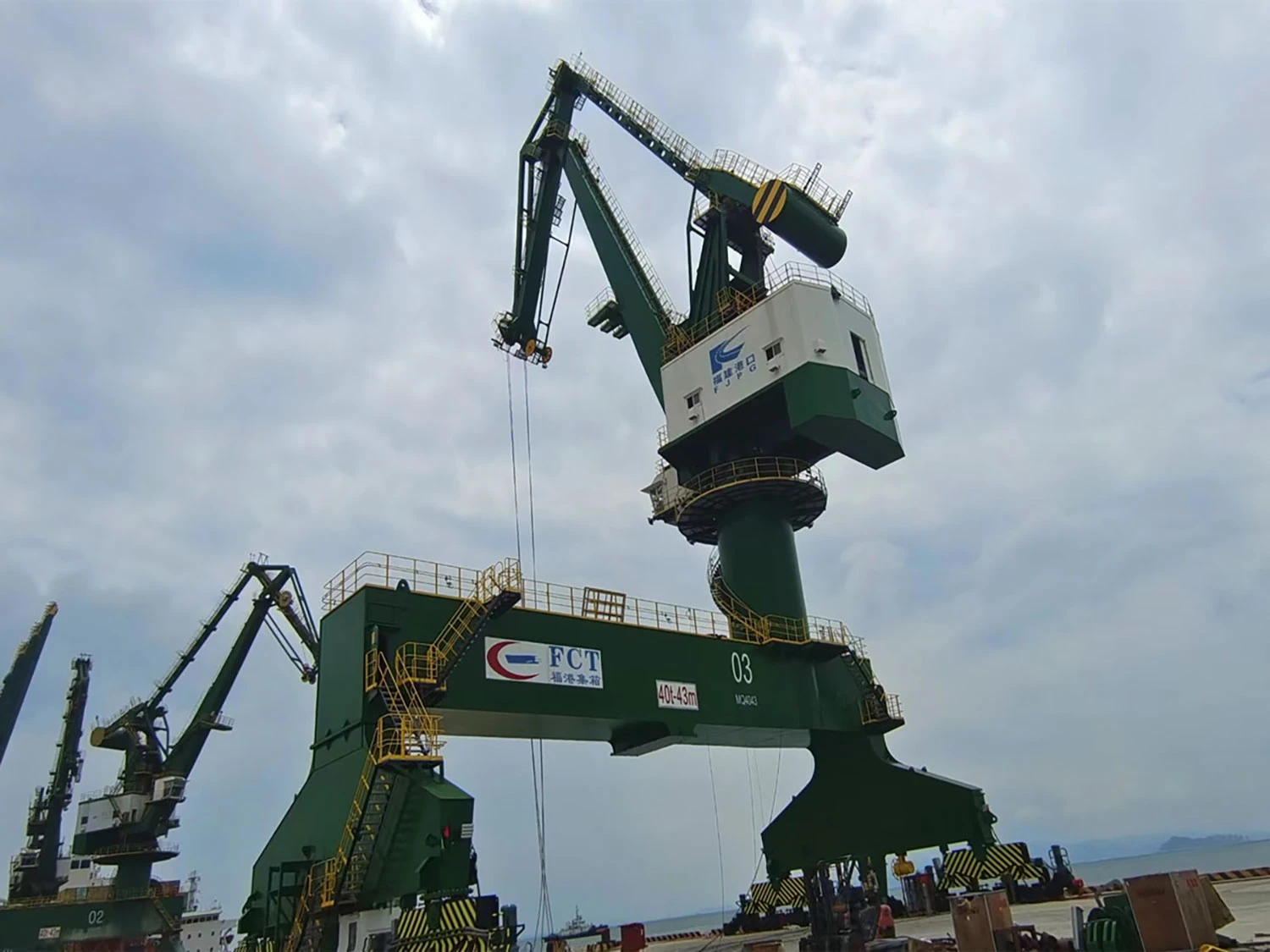
Anti-Sway and Motion Coordination
You have many problems when things get busy. Loads can swing, and this makes it hard to keep things moving smoothly. You must control each move to stop accidents and delays. Modern anti-sway systems help fix these problems. These systems make quick changes to keep loads steady. Automation helps cranes work better and more exactly. Some ship loaders use 3D vision systems. These systems see swinging and fix it fast.
You can use CEGC’s automation to fit your port’s needs. You can pick wireless controls, load checks, and safety upgrades. You can also choose single girder or double girder cranes. This lets you handle any busy time. You get faster hoist speeds and fewer slowdowns. Your team can move cargo safely and keep things steady, even when it is very busy.
Tip: Use motion coordination to cut down on waiting and keep every cycle the same during busy hours.
Predictive Maintenance and Energy Efficiency
You want your ship loader to work without surprise stops, especially when it is busy. Predictive maintenance helps you do this. Smart sensors watch temperature, vibration, and other important data. These sensors warn you early before problems stop your work. You can plan repairs when things are slow. This keeps your equipment ready for every busy time.
Saving energy is important when you work fast. You can add variable-frequency drives and energy-saving parts to your ship loader. These upgrades lower your energy bills during busy times. CEGC gives you remote diagnostics. You can check your equipment from anywhere. This help cuts down on downtime and helps you handle every challenge.
Note: Adding smart sensors and remote checks may need careful planning. You might have high costs or lose time at the dock when you add new tech. Make sure your setup can handle new tools before you start.
Marine Durability and Lifecycle Protection
You work in a tough place near the sea. Salt, wet air, and dust can hurt your ship loader over time. You need strong materials and coatings to protect your machine. Air bellows with anti-corrosion coatings last longer and work better near the sea. Picking the right coatings, like Amercoat 2162 or Devran 234QC, gives you long-lasting protection. These coatings fight water and stop rust for years.
You can ask CEGC for a marine-grade durability package. You get coatings, seals, and designs made for port use. This lowers your maintenance costs and keeps your equipment safe during busy times. You can also pick the anti-corrosion grade and sealing level you need. Buying these upgrades means your ship loader stays strong, even when it is very busy.
|
Customization Aspect |
Description |
|---|---|
|
Production License |
A-level license covers making, installing, and fixing. |
|
Tailored Solutions |
Systems fit your needs and busy times. |
|
Features Available |
Wireless controls, load checks, safety upgrades, and power options. |
Callout: Protect your ship loader with the right materials and coatings. This keeps your equipment working well during every busy time.
Implementation Steps for Operational Peak Periods
Upgrading Equipment and Automation
You should plan ahead before busy times start. Here are steps to upgrade your ship loader and container equipment:
-
Start planning early to guess when it will be busy.
-
Add automation tools like anti-sway systems and smart sensors to work better.
-
Change your dock layout to help things move smoothly.
-
Use dock scheduling software and load planning tools for quick changes.
-
Do regular maintenance and check important signs to keep your equipment ready.
CEGC lets you customize your portal crane, ship loader, and container gantry crane for each project. You can pick the automation level, safety features, and power options that fit your needs.
Staff Training and Safety Protocols
You need to plan well for staff training. Every team member must know how to keep things safe and efficient. You can:
-
Make a health and safety policy for everyone.
-
Teach new workers about material handling and automated systems.
-
Plan yearly training to cover new risks and rules.
-
Share safety jobs with all staff.
This helps your team stay ready for challenges and keeps your operations strong.
Continuous Improvement and Contingency Planning
You should plan for surprises by using smart planning. Check your processes often and change them when needed. The table below shows ways to make your operations stronger:
|
Strategy |
Benefit |
|---|---|
|
Cuts risks and lets you change routes fast if there are problems. |
|
|
Strong collaboration and communication |
Helps you make better choices and recover faster. |
|
Positioning additional inventory |
Helps you handle problems without missing delivery times. |
You can also find backup routes and suppliers as part of your planning. This keeps your work going and helps you stay efficient during busy times.
Tip: Look at your plans after each busy time. Make changes based on what you learn to keep your system strong.
You use ship loader automation to keep your port working well. It makes your port safer and more reliable. It also helps your team work faster. You should check and upgrade your equipment often. These steps help you reach your goals:
|
Benefit |
How It Helps Your Operation |
|---|---|
|
You make fewer mistakes and get better results. |
|
|
Compliance |
You follow safety and environmental rules. |
|
Predictive Maintenance |
You stop long breaks and help your machines last longer. |
|
Automation |
You move more cargo without working as hard. |
Keep looking at your systems to make sure they work. Pick CEGC for strong and safe solutions.
FAQ
What is the main benefit of ship loader automation during peak times?
You can keep material moving safely and smoothly. Automation helps stop delays and accidents. Your team can work faster and feel sure about their job.
How does predictive maintenance help my port equipment?
Sensors and data help you find problems early. You can fix things before they break and stop work. Your equipment is ready when things get busy.
Can I customize CEGC ship loader solutions for my port?
Yes! You can pick features like anti-sway, safety upgrades, and marine coatings. CEGC helps you choose what your port needs for your ship loader.


