
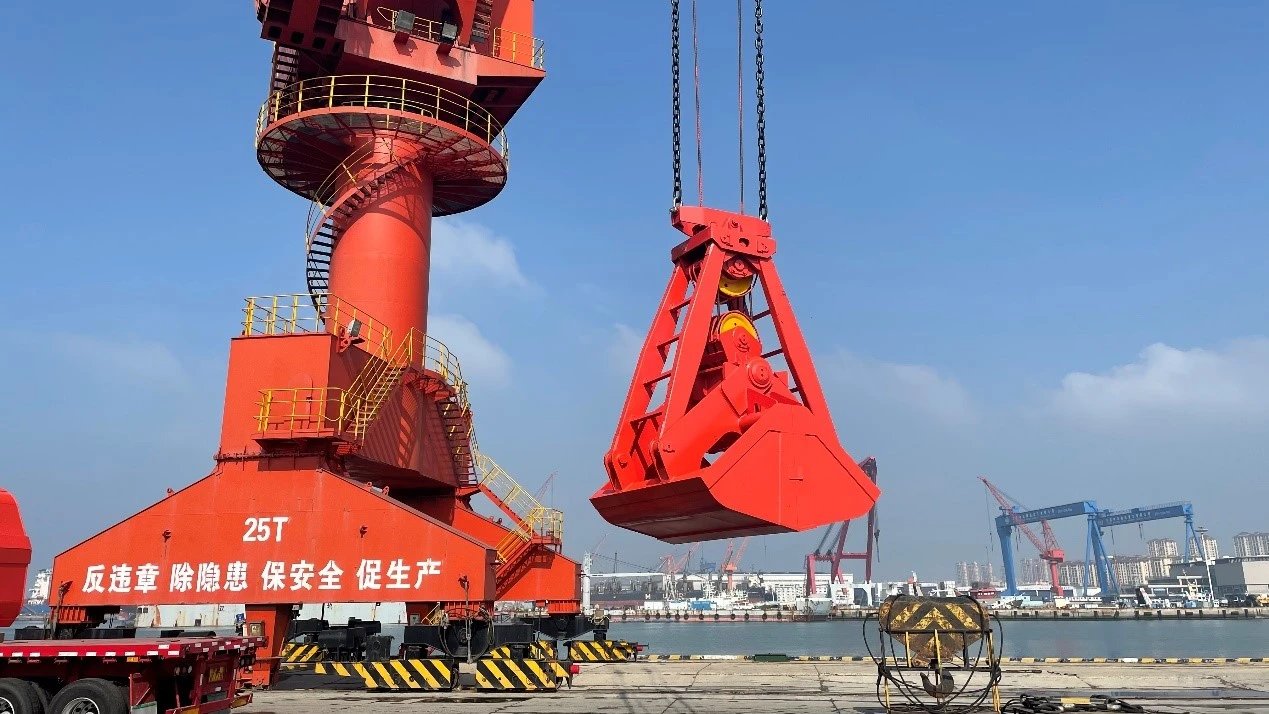
You need to make ship loader turnaround faster. Saving time helps the port work better and saves money. Ship loader turnaround: 3 fixes that save hours shows you smart ways to save time, make things safer, and use better technology. Ship loader turnaround: 3 fixes that save hours helps your team work together and get jobs done. Ship loader turnaround: 3 fixes that save hours can help you finish faster. CEGC solutions give quick results, so you save time and keep things running well.
Key Takeaways
Use smart loading methods like anti-sway systems and motion coordination. These help keep cargo steady and make loading faster.
Centralize scheduling and use real-time tracking. This helps people talk better and cuts down on delays at the dock.
Get ready early with clear team coordination and predictive maintenance. This stops equipment from breaking and saves time.
Track key performance metrics often to find problems. This helps you make things better all the time.
Start small with these fixes and build on your wins. This keeps ship loader turnaround fast and efficient.
Efficient loading techniques for faster turnaround
Anti-sway and safe lifting systems
You can use smart loading methods to make ship loader turnaround faster. Anti-sway and safe lifting systems keep the loading process steady. These systems use sensors and controls to stop loads from swinging. Anti-sway control lowers accident risks and keeps cargo stable and safe. You save time because cargo gets placed quickly and correctly. Operators see alarms and updates on the control screen, so they feel sure about their work. You can add these systems to new or old equipment.
Here is a table showing how anti-sway systems help turnaround time:
Study Reference |
Findings |
|---|---|
Kim et al., 2004 |
Anti-sway control with inclinometer makes cycle times better and matches vision system results. |
Serkan et al., 2021 |
Crane automation and motor torque damping cut sway and speed up work. |
Ngo & Hong, 2014 |
Sway control methods help line up containers faster and reduce swinging. |
Anti-sway systems keep loads steady during crane moves and cut turnaround time.
Automation and sensors help control sway and make loading easier.
You can make operations better by adding these systems.
Motion coordination and cycle-time optimization
Smart loading methods also use motion coordination. You can use advanced loading to match crane speed and movement with cargo. This cuts idle time and keeps loading smooth. You set speed based on weight and wind. Safety interlocks stop overloads and crashes. When you match hoist, trolley, and gantry moves, loading finishes faster. You can connect these systems to your workflow for better turnaround.
Real-time data and automation
You can use real-time data and automation to make loading more efficient. Sensors check each ship loader’s status. The system shows alerts and guides you step by step. Automation helps place cargo fast and accurately. You can watch performance and change settings to save time. Smart loading methods help you find problems early and fix them before they slow down turnaround time. You can use these tools to keep your work safe and efficient.
Tip: Smart loading methods help you cut turnaround time, make things safer, and boost productivity. You can use anti-sway systems, motion coordination, and real-time automation to make loading efficient every day.
Streamlined communication to cut turnaround time
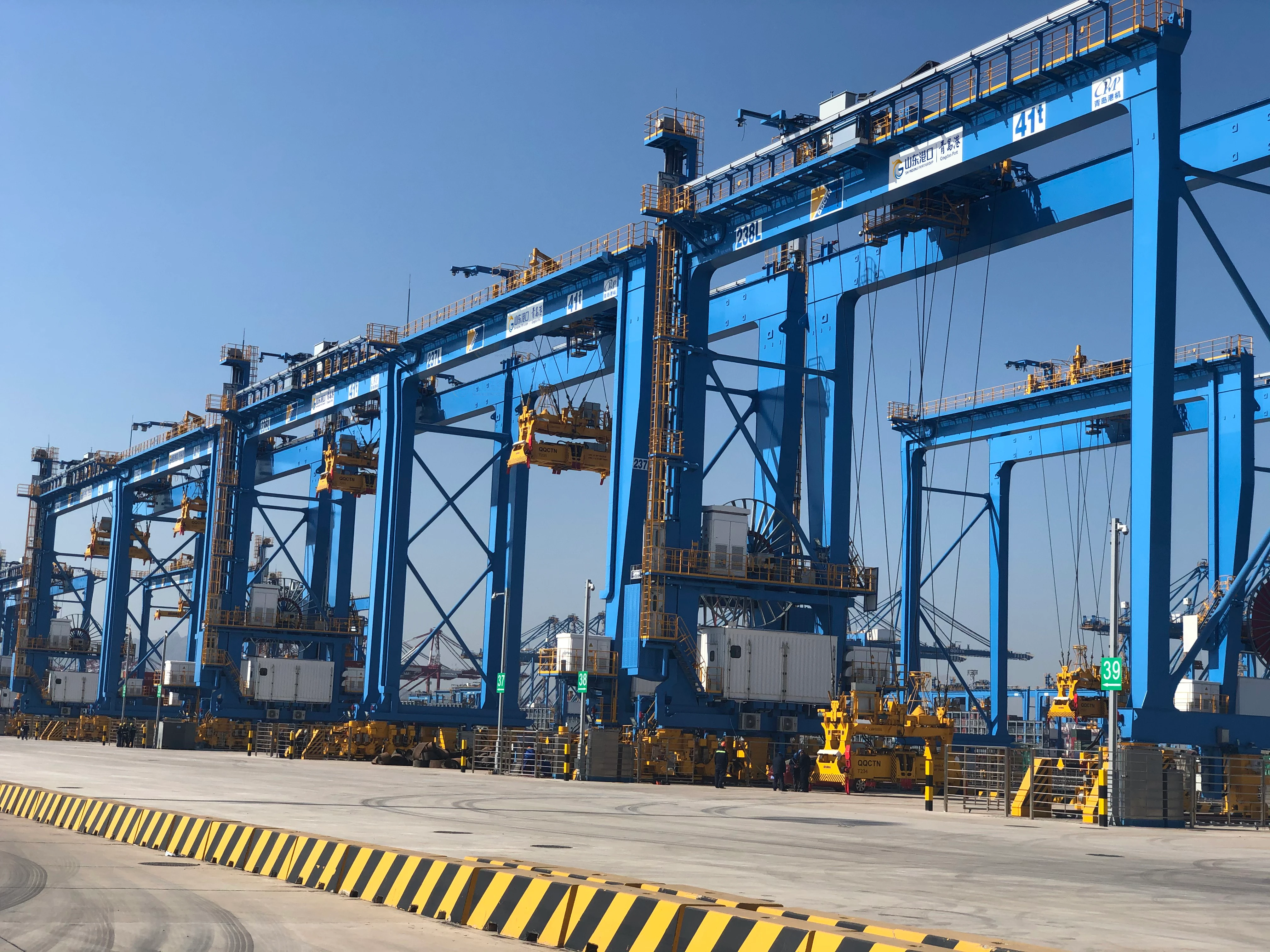
Centralized scheduling and dock management
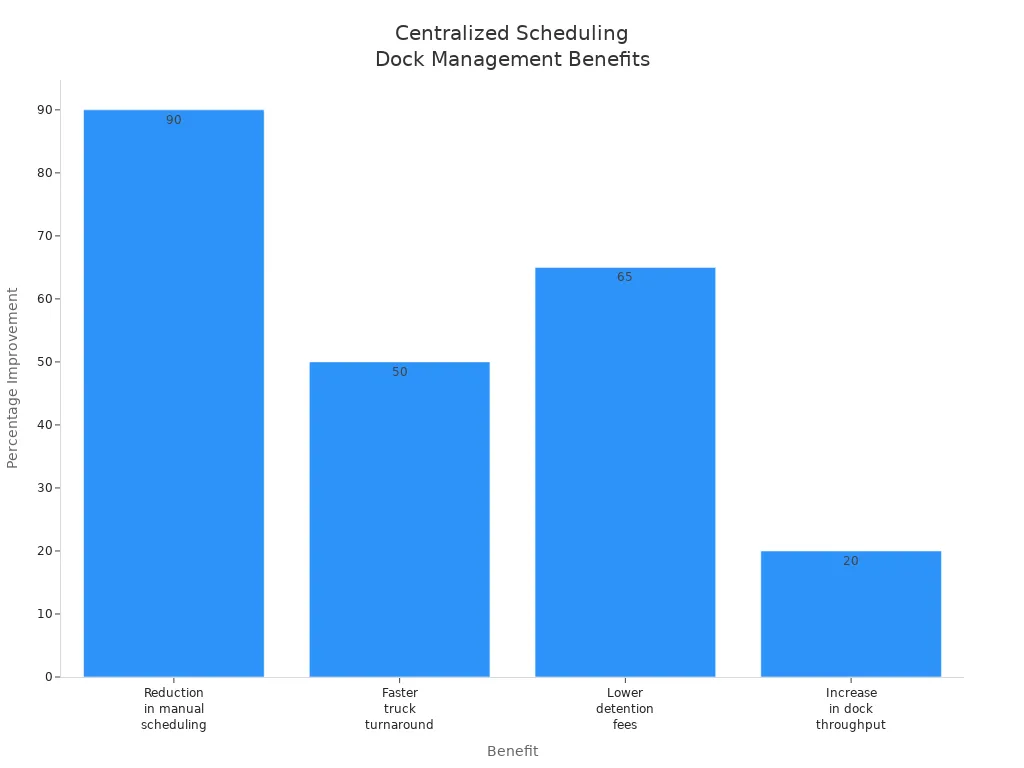
Centralized scheduling and dock management help speed up ship loader turnaround. This system lets you plan and track each step at the dock. You can see which ships need loading and when they arrive. You match resources to what is needed and avoid delays. Centralized scheduling lowers manual work and makes dock operations smoother. The table below shows how this method improves turnaround time:
Benefit |
Percentage Improvement |
|---|---|
Reduction in manual scheduling effort |
|
Faster truck turnaround times |
Up to 50% |
Lower detention fees |
Up to 65% |
Increase in dock throughput |
Up to 20% |
You can talk with shippers and use flexible scheduling windows. This helps you change plans when needed and keeps turnaround steady. You can manage inventory and use more carriers to stop delays.
Real-time yard and gate visibility
Real-time yard and gate visibility lets you control every asset. You track trailers and send drivers to the right dock. You react fast to delays and keep things moving. The table below shows how real-time visibility helps stop bottlenecks:
Aspect |
Contribution to Minimizing Bottlenecks |
|---|---|
Sends drivers to the right docks quickly, cutting wait times |
|
Accurate Trailer Tracking |
Stops wasted time searching for trailers, improving flow |
Proactive Delay Responses |
Lets you change loading schedules fast, lowering idle times |
You can use real-time tracking to plan asset moves and stop congestion. This makes coordination better and keeps turnaround on track.
Standardized reporting and alerts
Standardized reporting and alerts help you spot problems early. You can set alerts for delays and share updates with shippers. You train drivers to get documents ready and talk with dock staff. You use GPS and traffic tools to change arrival times. You give feedback to shippers and ask for improvements. You hold meetings to talk about issues and use past data to make scheduling better.
Dock scheduling tools make logistics easier by managing the ready queue. They let you book ahead, coordinate in real time, and improve communication. These tools help you watch and improve turnaround time.
You can work to cut idle time and coordinate with everyone. This keeps ship loader turnaround quick and efficient.
Proactive planning for ship loader turnaround: 3 fixes that save hours
Pre-arrival coordination and readiness
You can save lots of time by getting ready early. Pre-arrival coordination helps every team prepare before the ship comes. You set up clear ways to talk between departments. Everyone uses the same words so there is no confusion. Each person knows their job and what will happen. When you plan each step for arrivals, you find problems and fix them fast. The table below shows main things to focus on for pre-arrival readiness:
Lesson |
Key Focus Areas |
|---|---|
1 |
Room readiness interventions, staggered housekeeping, priority lists for arrivals, coordination with maintenance |
2 |
Communication protocols between departments, standardization of language, escalation paths, documentation |
3 |
Mapping guest journeys, identifying pain points, defining service standards for critical moments |
These steps help you stop delays and make turnaround faster. Good teamwork means fewer surprises and smoother work.
Predictive maintenance and energy efficiency
Predictive maintenance uses smart tools to check equipment. You can find problems before they break things. This keeps ship loaders working and stops downtime. AI-driven systems help you spot faults early and plan repairs. You also save energy by fixing issues before they waste power. Industry data shows predictive maintenance can cut downtime by 15–35% and lower costs by up to 20%. You get better records with digital tools. Marine-grade durability features, like corrosion-resistant parts, help equipment last longer in tough port conditions. This makes everything work better and keeps turnaround on track.
Continuous improvement and feedback loops
You can keep getting better by using feedback loops. You track important numbers to see where you need to improve. The table below shows key metrics and what they mean for optimization:
Key Metrics |
Implications for Optimization |
|---|---|
Average truck turnaround time |
Shows how efficient you are and where you need to improve. |
Dock utilization rates |
Points out unused resources that can be optimized. |
Carrier on-time performance |
Tells if reliability issues may affect scheduling. |
Loading/unloading durations |
Finds bottlenecks with certain products or carriers. |
You check these numbers often. You talk with your team and make changes from what you learn. This helps you work faster and raise productivity. With proactive planning, you handle problems like berth congestion, yard inefficiencies, and gate delays with more confidence.
Tip: Begin with small changes and build on your wins. Proactive planning, smart maintenance, and feedback help you keep ship loader turnaround efficient and reliable.
You can save time by loading ships in smart ways. Good communication and planning also help you finish faster. The table below shows how using technology, talking clearly, and planning well make work better:
Technology Type |
Impact on Efficiency |
|---|---|
Cloud Computing |
Changes how people work and makes shipping faster |
Helps digital tools work and speeds up jobs |
|
AI and Analytics |
Helps people make better choices and use resources well |
Pacific Coast Terminals made loading twice as fast by taking out the operator cab.
You can start now by talking more, planning better, and using automation.
Keep checking your progress and change your steps to get the best results.
FAQ
How do anti-sway systems improve safety?
Anti-sway systems use sensors to keep loads steady. This helps stop accidents and keeps cargo safe. Operators get alerts on the screen. They can make safer choices. These systems help you work faster and safer every day.
Can you upgrade old ship loaders with new technology?
You can add anti-sway controls to old equipment. You can also add automation and real-time data tools. Upgrades make work safer and more efficient. Many ports use these solutions to save time and money.
What is predictive maintenance?
Predictive maintenance uses sensors and software to check equipment health. You find problems early and fix them before things break. This keeps ship loaders working and cuts downtime.
How does centralized scheduling help turnaround?
Centralized scheduling helps you plan dock activities. You match resources and see when ships arrive. You can manage loading times and avoid delays. This system helps docks work better and faster.
Which metrics should you track for continuous improvement?
You should track average truck turnaround time and dock use rates. You also track carrier on-time performance and loading times. These numbers show where you can do better and help you make good choices.


