
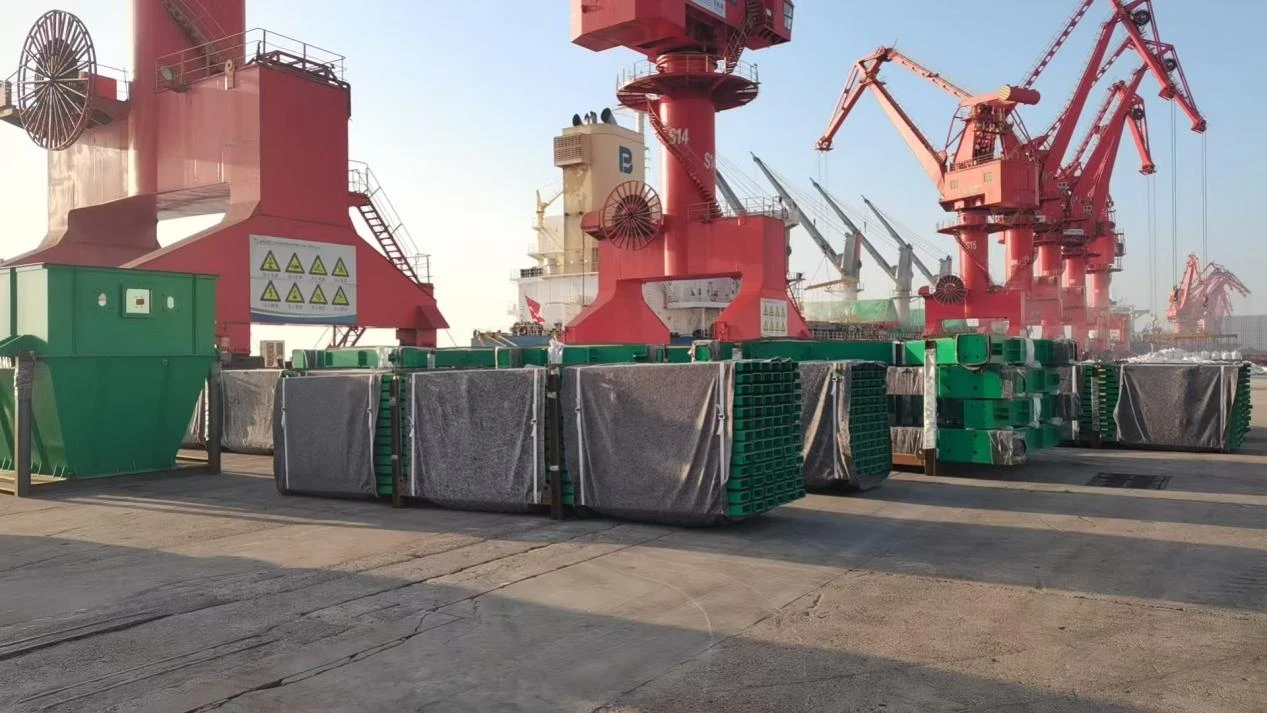
You need container handling equipment that cuts gate queues effectively. This equipment is designed to move containers faster, ensuring that cranes, automated vehicles, and smart yard systems keep containers in motion. Automation enhances operational efficiency, allowing your team to work better. Advanced safety features ensure the safety of both your team and the containers. The CEGC system is specifically engineered to move containers quickly and with precision at the gate.
Metric |
Value |
|---|---|
Berth Productivity |
|
Container Stay Times |
Cut by up to 35% |
Equipment Utilization Rates |
About 70-80% |
Average Container Stay Period |
Less than 48 hours |
Terminal operating systems integrate data and financial tasks, simplifying operations.
IoT technology enables real-time monitoring of containers and provides timely alerts.
Key Takeaways
Buying automated gate systems helps trucks get in and out faster. This cuts down wait times and makes the terminal work better.
Using advanced yard cranes with anti-sway control makes things safer and more exact. This means containers are moved faster and there are fewer accidents.
Using predictive maintenance and energy-saving equipment lowers downtime and costs. It also helps the environment.
Gate Congestion at Container Terminals
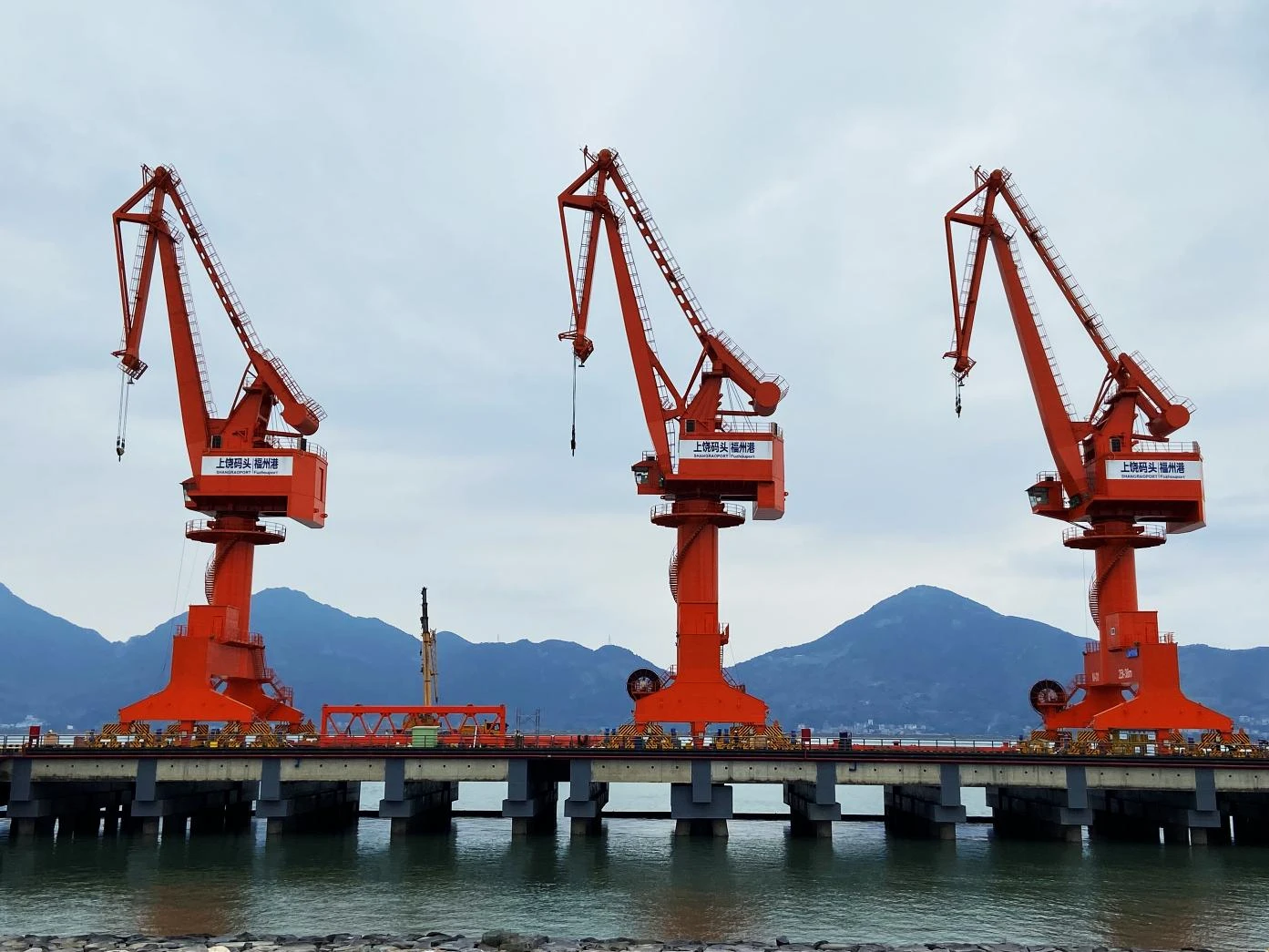
Causes of Gate Queues
Gate congestion happens when many trucks wait at the terminal gate. This can happen for several reasons that slow down container handling:
If there is a sudden increase in cargo, the terminal gets crowded and lines get longer.
When vessel schedules change, it causes delays at the gate for loading and unloading.
If equipment breaks or there are not enough machines, containers cannot move smoothly and lines grow.
Sometimes, workers must dig out containers from stacks, which makes things slower.
If the terminal is open for fewer hours or closes for breaks, more trucks have to wait.
Manual checks and no digital systems make the gate process slower.
Not enough workers or machines makes it hard to keep up with all the trucks.
If people do not know where containers are or when they will arrive, it causes confusion and more delays.
Sometimes, ocean carriers do not give the right times for arrivals or departures, which adds to the problem.
Truck appointment systems and just-in-time service can help a little. But if you do not have the right equipment, gate congestion is still a big problem.
Impacts on Terminal Operations
If operations are disrupted, the terminal may stop working. This can mess up schedules and cause money loss. More paperwork is needed if there are accidents or legal issues. The company might have to pay workers, cargo owners, or carriers if someone gets hurt. Insurance and repair costs can go up, and the company could lose business if its reputation is hurt.
Gate congestion slows down every part of the terminal. Loading and unloading take longer, and sometimes the terminal is too full for more containers. Long lines at the gate mean higher costs, more overtime, and more pollution from trucks that are not moving. Even small problems at the gate can make the whole terminal work less well.
Operational Area |
Impact of Gate Congestion |
|---|---|
Yard Operations |
Productivity drops because containers move unpredictably and the yard gets crowded |
Equipment Utilization |
Machines are used less because they wait for trucks |
Container Management |
Containers stay longer because pickup and delivery are late |
Operating Costs |
Costs go up because of overtime and longer gate hours |
Vessel Operations |
Service gets worse because yard work is slowed down |
Environment |
More pollution happens because trucks idle in long lines |
Truck appointment systems and just-in-time service can help reduce lines. But the best way to fix the problem is to upgrade your gate equipment and use better digital systems.
Optimization with Container Handling Equipment That Cuts Gate Queues
Automated Gate Systems and Digital Documentation
Automated gate systems help trucks get in and out faster. These systems use special technology to read truck and container information. Drivers do not have to wait for people to check their papers. Self-service kiosks let drivers do their own paperwork. This makes the gate process quicker and keeps lines short. Automated gate entry scans tags on trucks. This helps track trucks better and keeps the terminal safe. You get fast decisions about who can enter and if cargo is correct. This makes everything run smoother.
Benefit |
Description |
|---|---|
Automated Gate Entry/Exit |
Tags on trucks are scanned, so manual checks are not needed. Tracking is more accurate. |
Reduced Queues |
Automation makes document checks and entry faster. Waiting times are shorter. |
Improved Security |
Better tracking stops people from entering without permission. |
Digital documentation means you do not need paper forms anymore. This makes work easier and helps manage cargo better. Gate automation lets drivers plan when they arrive. This keeps truck flow steady and reduces lines.
Optical character recognition reads container data automatically.
RFID tag equipment finds trucks coming in and going out.
Kiosk machines give entry slips and show drivers where to go.
Advanced Yard Cranes and Anti-Sway Control
Advanced yard cranes with anti-sway control make work safer and faster. Load sway makes it hard to put containers in the right spot. This can slow things down and cause accidents. Anti-sway systems use smart controls to stop sway quickly. This helps place containers more accurately and keeps workers safe.
The control algorithm stops sway in three seconds.
Tests show sway time drops by 10%-15%.
Heave compensation and anti-sway features work together for safety.
You can change these cranes to fit different sizes and jobs. This helps match equipment to what your terminal needs. Anti-sway control makes resource use more steady. Quay crane productivity goes up. This means more containers move and the yard is less crowded.
Horizontal Transport Vehicles and Motion Coordination
You can make the terminal work better by using horizontal transport vehicles wisely. These vehicles move containers between the yard and the gate. When you match their movements with crane cycles, you cut down on waiting. Containers keep moving and lines stay short.
Evidence |
Explanation |
|---|---|
Makes vehicle movements match crane work. Terminal efficiency improves. |
|
Reducing unladen travel distance |
Cuts extra trips that cause delays and crowding. |
Aligning vehicle arrivals with crane cycles |
Cranes wait less. Operations are smoother and gate lines are shorter. |
Modern autonomous tractors and terminal trucks use sensors and cameras to find their way. You can use these vehicles without changing your terminal much. This makes it easy to handle more containers. Smart dispatching and motion coordination help keep productivity high and lines low.
Autonomous tractors work with other traffic without big changes.
Automated terminal trucks set new standards for moving containers.
Smart dispatching sends vehicles to the right spot at the right time.
Predictive Maintenance and Energy Efficiency
Predictive maintenance keeps equipment working well. Monitoring systems check temperature, vibration, and electrical parts. This helps find problems early and stops sudden breakdowns. Reliable equipment keeps lines short and the gate moving.
Energy efficiency is important too. Electric or hybrid machines use less energy and make less pollution. These machines are quieter and help meet environmental rules. Optimization algorithms help decide when to use equipment and when to fix it. This makes the terminal work better and keeps productivity high.
Optical character recognition helps at key checkpoints.
Optimization algorithms make dispatching and scheduling smarter.
Electric machines lower noise and pollution, helping the community.
Real-World Optimization Examples
Real-world cases show how optimization helps. Coordinated job sequencing raised equipment use from 65% to over 85%. Integrated planning cut delays by at least 10%. Freightliner used more automation and made the terminal less crowded. SMITCO used planning to reach record productivity.
Evidence Description |
Improvement Achieved |
Source |
|---|---|---|
Coordinated job sequencing raised average equipment utilization from around 65% to above 85%. |
Efficiency went up and delays went down. |
|
Integrated planning reduced delays by at least 10% in practice. |
Coordination among workers improved. |
|
Freightliner increased automation and efficiency, easing terminal congestion. |
Terminal operations got better. |
|
SMITCO ramped up operations with integrated planning, achieving unprecedented productivity. |
Productivity went up a lot. |
You can check how well optimization works by looking at key performance indicators. These include truck turn time, dwell time, and queue time. When you focus on dispatching, coordination, and automation, gate congestion gets better and terminal performance improves.
Truck turn time is the total time from entry to exit.
Dwell time is how long containers stay in the terminal.
Queue time is how long trucks wait at the gate.
Using these strategies helps you get more done, move more containers, and keep operations smooth. The right equipment and smart dispatching will help you cut gate queues and make your terminal work better.
You make gate flow and terminal work better by improving container handling equipment. The table shows crane work and yard use get higher with better systems.
Improvement Type |
Average Gain |
Maximum Gain |
|---|---|---|
Crane Productivity |
30% |
|
Yard Utilization |
18% |
30% |
New solutions help work faster and safer with real-time tracking, safety sensors, and automated systems.
Better equipment helps your team do well, manage risks, and protect the environment.
Check your equipment now to see how much better things can get.
FAQ
How does container handling equipment reduce gate queues?
You use advanced equipment to move containers fast at the gate. This means trucks do not wait as long. The gate process is easier for everyone. Your terminal has fewer delays and things move better.
What safety features help at the gate?
You get anti-sway control and safety sensors at the gate. These features keep workers and containers safe. The gate stays safe for everyone. Your terminal has fewer accidents and less downtime.
Why should you upgrade your gate systems at the terminal?
You upgrade your gate systems to make things faster and more accurate. The gate can handle more trucks at once. Your terminal has less crowding. You get more work done and spend less money.
Tip: Check your gate equipment often. Upgrades help your gate and terminal work their best.
Gate Feature |
Benefit for Terminal |
|---|---|
Anti-sway control |
Safer gate operations |
Automation |
Faster gate processing |
Predictive alerts |
Fewer gate breakdowns |


