
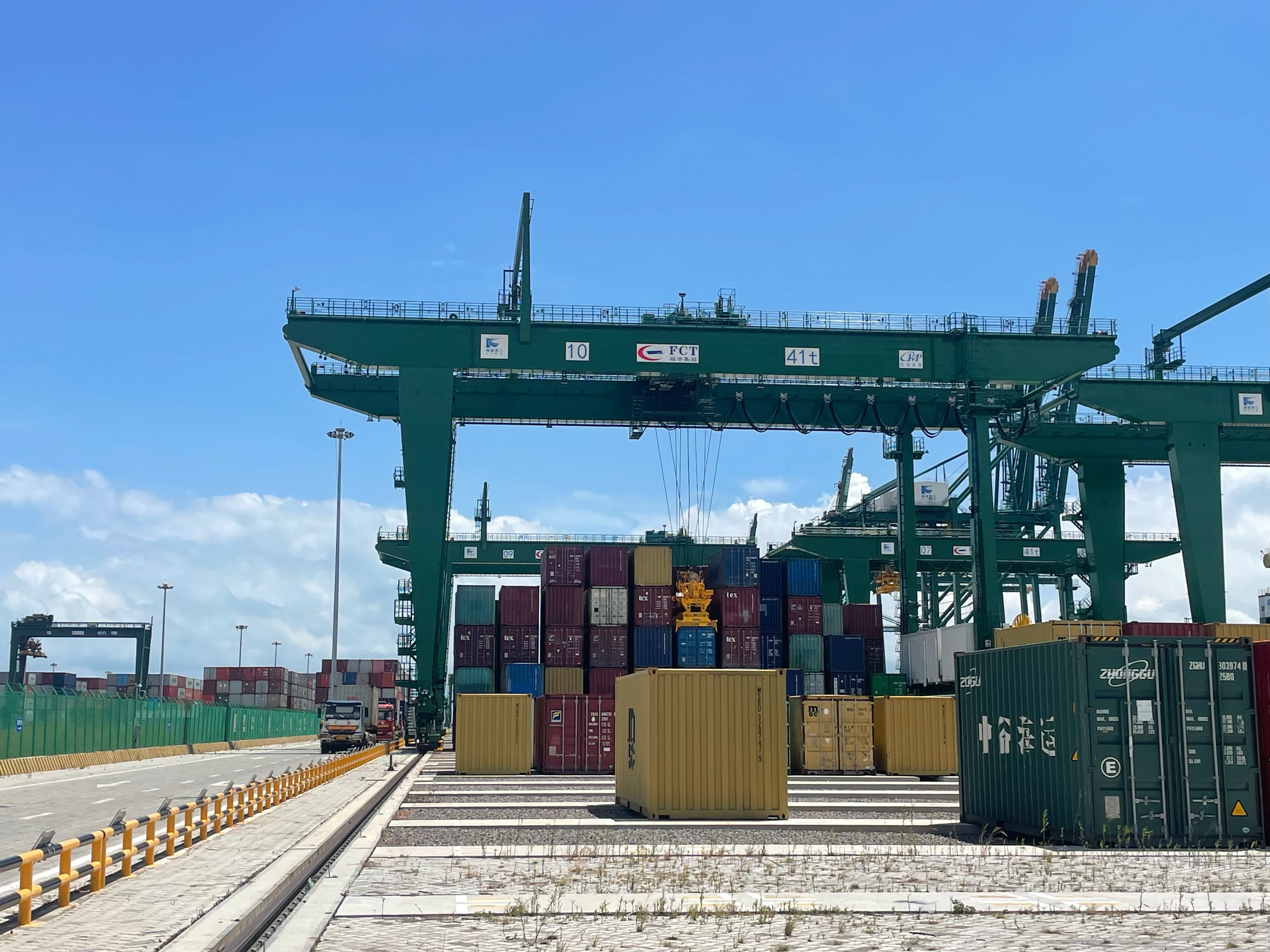
You achieve faster, safer, and more predictable operations when you implement container vessel tracking and automated container crane systems. Many port workers face safety risks, load sway, and inconsistent work speeds. CEGC addresses these challenges with market-standard solutions. The table below highlights how integrating container vessel tracking and automated container crane technology can significantly enhance port performance:
|
Improvement Type |
Percentage Gain |
|---|---|
|
Big data and automation trials |
15–25% |
|
Optimized equipment use with automation |
Up to 30% |
Key Takeaways
-
Using container vessel tracking and automated cranes helps ports work faster. It cuts down on waiting times and makes things safer. - Automation means fewer mistakes by people. This helps ships arrive on time and uses yard space better. - Real-time data with terminal systems helps people make better choices. It also keeps everything running smoothly.
Container vessel tracking + automated container crane
Key Functions and Role in Port Operations
Container vessel tracking + automated container crane systems change how ports work. These systems help move containers between ships and trucks with great accuracy. You do not have to worry about delays or mistakes. The cranes use sensors and smart controls to do their job. This technology lets you track every container, so you always know its location.
Automated container cranes are important for loading and unloading containers from big ships. They work all the time, so vessels leave faster and more containers move through the port. You can use remote control or full automation to manage many cranes at once. This lowers accident risks and keeps workers safe. The cranes use anti-sway systems and motion control to keep loads steady, even when the weather is bad or the port is busy.
Tip: Using container vessel tracking + automated container crane solutions lets you handle more containers in less time. This helps you bring in new shipping lines and bigger ships.
Here are some main benefits of these systems:
-
You can run port operations day and night.
-
You lower human error and make the port safer.
-
You get more predictable vessel schedules, which makes shipping companies happy.
-
You use yard space better and avoid bottlenecks.
Modern ports use different types of automation to work better. The table below shows how each type helps your port:
|
Automation Type |
Description |
|---|---|
|
Crane Automation |
Solutions from semi-automatic to fully automatic operations, making work safer and faster. |
|
Yard Automation |
Systems for container identification and efficiency, improving safety and speed. |
|
Gate Automation |
Tracks containers at port gates, making entry and exit faster and safer. |
|
Rail Automation |
Makes container tracking for trains easier, improving visibility and speed. |
|
Automation Management |
Uses data analytics and fleet management to boost performance and efficiency. |
|
Automated Tracking |
Connects terminal operations for accurate location tracking, improving equipment use and speed. |
You can pick from CEGC’s port machinery, like portal cranes, container cranes, container handlers, and reach stackers. These machines have options like wireless controls, RFID tags, and IoT sensors. You can also choose features like hook height, lifting mechanisms, and anti-roll systems. This helps you handle different cargo types and work in tough port conditions.
Integration with Terminal Systems
You need strong integration between container vessel tracking + automated container crane systems and your terminal operating system (TOS). The TOS is the digital backbone of your port. It collects real-time data from cranes, trucks, and other equipment. This data helps you track every container and make smart decisions fast.
When you connect cranes to the TOS, you can:
-
Watch crane and truck activities in real time.
-
Send movement instructions to cranes and get telemetry data.
-
Use predictive analytics to plan maintenance and avoid downtime.
-
Share data with shipping portals, customs, and logistics platforms using open APIs.
Note: Real-time data from cranes lets you spot problems early and schedule repairs during slow times. This keeps your port running smoothly and lowers unplanned downtime.
You can see how integration works in the table below:
|
Feature |
Description |
Benefit |
|---|---|---|
|
RFID tags |
Show where containers are right now |
Stops containers from getting lost or misplaced |
|
Automated cranes |
Can be sent to certain spots |
Makes container handling faster and easier |
|
IoT sensors |
Give real-time data on crane and container status |
Helps solve problems and plan ahead |
|
Integration with terminal systems |
Connects machines to terminal operating systems |
Makes port work smoother and reduces delays |
You can also connect your TOS to outside systems, like ERP and port community platforms. This makes your port more flexible and ready for growth. Reliable APIs and real-time data capture are important for smooth integration.
CEGC gives you project-based customization for all your automation needs. You can pick the power solution, anti-corrosion grade, and automation level for your port. You can also choose special features like remote operation, flexible layouts, and modular designs. This means you get a solution that fits your port’s size, cargo types, and workflow.
When you use container vessel tracking + automated container crane systems, your port becomes safer, faster, and more reliable. You can handle more containers, spend less money, and keep your customers happy.
Container terminal automation and port efficiency
Technical Solutions for Automation
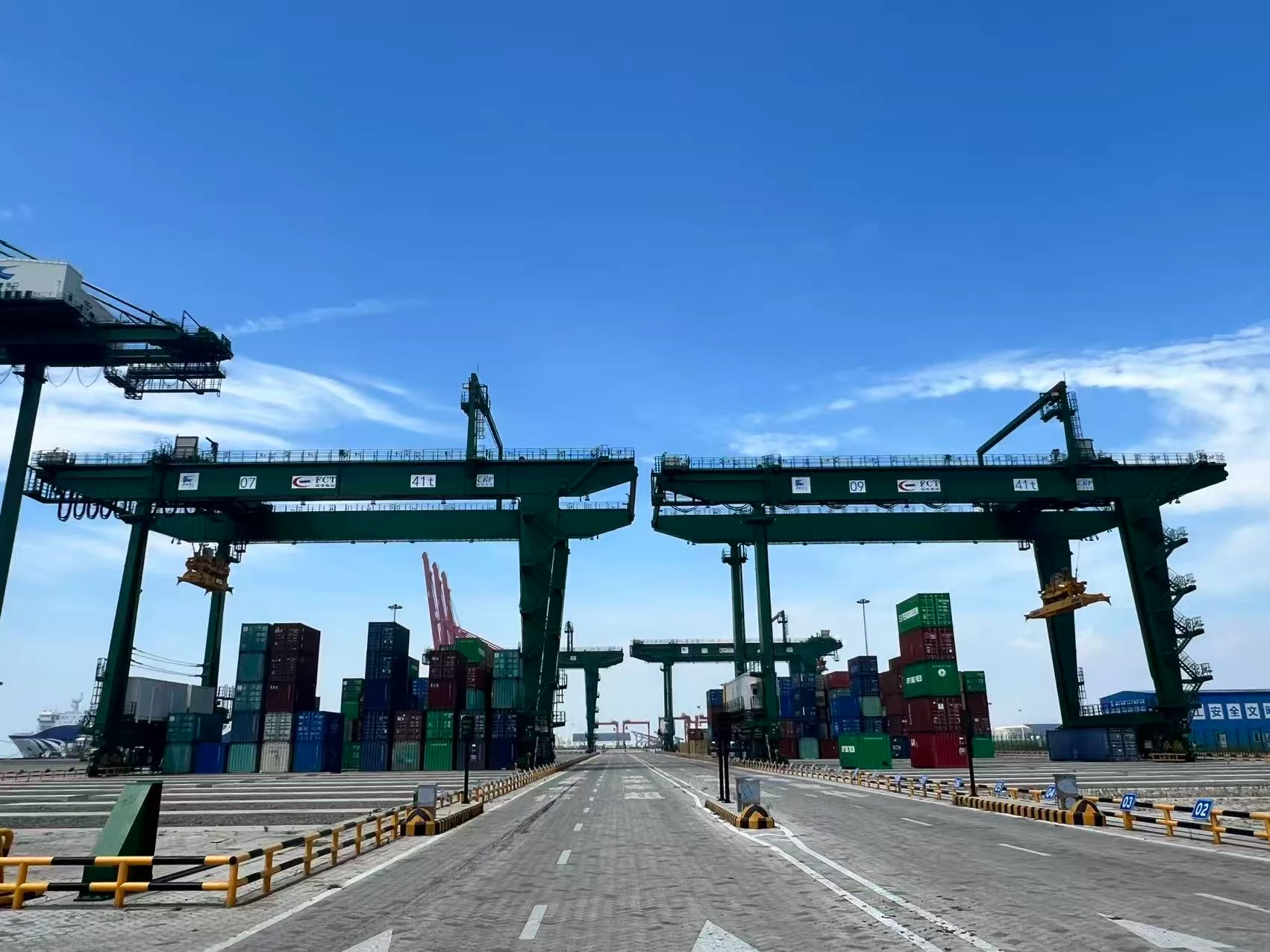
Container terminal automation helps solve many problems at ports. Modern automated terminals use advanced anti-sway systems and safety interlocks. These keep work safe and smooth. The systems work together to stop drift and make cycles faster. Smart motion control lets you lift and place cargo very accurately. This makes sudden moves less likely and keeps containers steady.
-
Anti-sway technology can make cycles over 30% faster.
-
Safety interlocks stop lifting when the gantry is not safe, block travel at the end, and stop moving if there is too much weight.
-
Two-way flexible resistance anti-sway systems make cranes resist swaying better.
-
Automatic running positioning and smart landing between containers help work go faster.
You also need to protect your machines from tough sea weather. Marine-grade coatings and strong designs help cranes last longer. Predictive maintenance uses sensor data to find problems early. This keeps downtime low and helps you plan repairs.
The predictive maintenance system uses wireless monitoring to check important things during crane work. You can find problems before they happen and have less downtime.
Proactive maintenance keeps workers and cargo safe. Using data to care for machines makes them last longer and saves money. You can use these solutions with CEGC’s portal cranes, container cranes, and container handlers. This gives you reliable work at all terminals.
Measurable Benefits for Port Efficiency
You will see clear improvements in port efficiency with automation. Technologies like OCR and ANPR help find containers and trucks faster and more accurately. This means better accuracy and faster turnaround times. If you break down vessel turnaround times, you can find and fix delays. This helps move more containers and makes your port stronger.
|
Improvement Type |
Measurement |
Impact on Throughput |
|---|---|---|
|
Vessel Turnaround Time Reduction |
8% increase in throughput |
Terminals with advanced yard technology can keep crane rates above 30 moves per hour, even in small spaces. The Port of Melbourne reached 31 moves per hour when things were best. If the yard is crowded, crane rates can drop by 10-15% because it takes longer to move containers. You can stop this by using automation to use space better and cut down on crowding.
Automation also helps you reach green goals. You can lower CO₂ emissions for each container moved. Smart scheduling cuts idle time and helps the environment. Working all the time raises how many containers you can move. Using space well and having less change in work makes everything more efficient. Automated systems give you better planning, so you can be sure about your schedule. Smoother container flow and no bottlenecks keep your terminal working its best.
Implementation Challenges and Considerations
You may have some problems when you start using automation at your terminals. System integration can be hard because different systems may not use the same rules. High starting costs and work slowdowns can also make your project take longer.
You need to work with labor unions and other important people. Labor unions help protect workers’ rights when you add automation. Talking to everyone helps make sure things are fair and workers can adjust. Labor objections can slow down automation, so talking openly is important.
|
Aspect |
Description |
|---|---|
|
Labor Union Role |
Labor unions talk about how workers will change jobs and protect their rights during automation. |
|
Stakeholder Engagement |
Talking to everyone is important for helping workers adjust and making sure things are fair. |
|
Barriers to Implementation |
Labor objections can slow down automation, so talking is needed. |
You must also think about maintenance. Build a good relationship with your crane maker for help. Train your operators and maintenance teams well. Keep spare parts ready to stop long waits. Follow regular maintenance plans for better long-term work.
You can pick project-based customization with CEGC. Choose the right size, span, work cycle, power, and automation level for your port. This helps you reach your port goals and keep making your terminal better.
You make your port work better with container vessel tracking and automated container cranes. Automation helps you save money and keep people safe. It also helps you use machines in a smarter way.
-
Digital tools show you what is happening right now and help you decide faster.
-
Experts say you should plan ahead, protect your systems, and pick flexible options like CEGC for your next steps.
FAQ
How do automated container cranes improve port operations?
Automated container cranes help move containers faster. They make the port safer by lowering accident risks. Ships can leave sooner, and schedules are more steady.
What is container vessel tracking and why does it matter for port operations?
Container vessel tracking lets you see where each container is. You can check this at any time during port work. This helps stop delays and mistakes. It keeps everything running well and on time.
Can you customize port machinery for different container operations?
You can pick features for your port machines. You choose things like how high cranes go or how they handle containers. You can match machines to what your port needs. This makes moving containers easier and keeps the port safer.
Using container vessel tracking and automated container cranes makes your port better. You will have fewer mistakes and things will run more smoothly.
|
Benefit |
How It Helps Your Port Operations |
|---|---|
|
Faster container flow |
Containers move quickly and safely |
|
Safer port environment |
There are fewer risks for workers |
|
Better scheduling |
Port work is easier to plan and predict |


