
At many ports, trucks often experience long waiting times—sometimes 30 to 60 minutes—leading to wasted fuel and lost productivity. With CEGC’s port crane auto dispatch: reduce truck idle time solutions, these delays are significantly minimized. CEGC leverages advanced automation in their container handling equipment to optimize operations and reduce truck idle time. Some ports have reported idle time reductions of up to 91% after implementing these systems. The table below highlights the impact of smart scheduling and port crane auto dispatch: reduce truck idle time initiatives:
|
Case Study |
Impact on Truck Idle Time |
|---|---|
|
Virtual Arrival systems |
|
|
AI-driven scheduling pilots |
25-50% productivity improvement |
As a leader in port machinery and container handling equipment, CEGC supports port authorities, terminal operators, and EPC contractors with innovative solutions like port crane auto dispatch: reduce truck idle time, driving efficiency and productivity across the industry.
Key Takeaways
-
Using port crane auto dispatch can cut truck idle time by 91%. This helps workers do more and work better.
-
Real-time scheduling connects cranes and trucks. This lowers delays and makes loading and unloading faster.
-
Automation makes things safer and lowers accidents. It also helps follow environmental rules and saves fuel and money.
Causes of Truck Idle Time
Manual Scheduling Issues
Delays happen when people schedule trucks by hand at ports. Schedulers use their own experience to make fast choices. This can cause trucks to wait for heavy-load transport nodes.
Traditional truck companies usually use manual experience to schedule pickups and deliveries. They focus on heavy-load transport. Most schedulers pick the closest heavy-load node that is open right now. If there are no heavy-load nodes open, the truck waits. It will try again later until all jobs are done.
This way of working makes trucks sit still and slows down logistics. Trucks often wait more than they move containers. This slows down the whole logistics chain.
Poor Crane-Truck Coordination
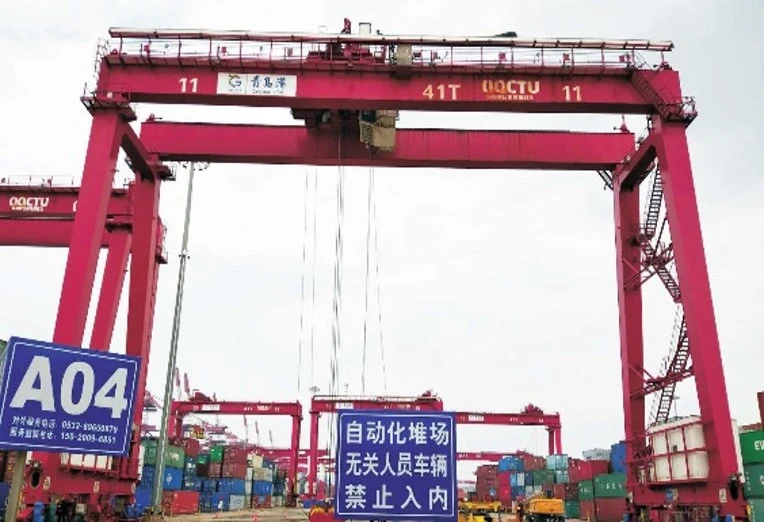
Good teamwork between cranes and trucks is important for smooth logistics. When quay cranes and yard cranes do not match their work, problems start. Trucks have to wait for containers, and delays get worse.
-
Quay cranes and yard cranes must work together to stop delays.
-
If scheduling or doing tasks is slow, bottlenecks happen.
-
Yard space and land-side work depend on crane-truck teamwork.
-
Yard cranes should match their work with quay crane unloading.
-
Bad yard crane scheduling makes trucks wait longer and causes more delays.
-
Linking quay crane and yard plans helps trucks wait less for containers.
Logistics slow down if these systems do not work together. Bad planning causes traffic jams and longer truck idle times.
Safety and Environmental Factors
Safety rules and environmental laws affect how ports work. You must follow these rules to avoid fines and keep workers safe.
|
Regulation |
Description |
|---|---|
|
6 NYCRR Subpart 217-3 |
Heavy-duty vehicles cannot idle more than five minutes. Fines go from $500 to $18,000 if you break this rule. |
Idle management systems help lower idle time by themselves. These systems help you follow rules, save fuel, and make logistics better.
-
EPEQ® Idle Management lowers idle time by itself.
-
Helps fleets follow environmental rules.
-
Saves money on fuel and repairs.
Logistics get better when you follow safety and environmental rules. These rules help you keep work smooth and good for the environment.
Port Crane Auto Dispatch: Reduce Truck Idle Time
How Auto Dispatch Works
Port crane auto dispatch: reduce truck idle time systems can change how ports work. These systems help cranes and trucks move together at the same time. This makes moving containers faster and safer. When you use automated dock solutions, cranes and trucks talk to each other right away. This teamwork helps trucks spend less time waiting and loading.
Here is how working together helps ports:
|
Aspect |
Description |
|---|---|
|
Integrated systems like TOS and ECS align crane movements with truck schedules to minimize delays. |
|
|
Resource Utilization |
Synchronized operations optimize the use of cranes and trucks, reducing idle time significantly. |
|
Traffic Management |
Advanced systems manage vehicle flow, coordinating RMG movements with truck operations for efficiency. |
There are fewer slowdowns and yards run better. CEGC’s container handling equipment uses anti-sway technology and sensors to keep loads steady. Smart programs change crane moves if the load swings, so containers go in the right spot and work is safer.
-
Anti-sway technology and real-time checks stop accidents and help put containers in the right place.
-
CEGC’s reach stacker uses anti-sway control to keep loads steady, even if there is wind or sudden moves.
-
Safety interlocks, like limit switches and emergency stops, keep workers safe by stopping overloads and crashes.
-
The operator HMI shows alarms and updates, so workers learn fast and do their jobs well.
Real-Time Scheduling and Integration
With port crane auto dispatch: reduce truck idle time, you get real-time scheduling and integration. These systems always tell you where containers are. You can plan better and pick the best routes. Real-time data helps you use your trucks and cranes in the best way and avoid delays.
GPS and IoT sensors help you track containers and trucks. You can see when things will arrive and where they are. This means you can fix problems before they get big. Automated loading systems and dock solutions help you load trucks faster and keep the yard running smoothly.
|
Process Type |
Loading Time (minutes) |
|---|---|
|
Manual Forklift Loading |
30–60 |
|
Automated Truck Loading |
5–10 |
|
Reduction in Time |
You can make trucks spend less time waiting and move more containers. Real-time scheduling matches cranes and trucks, so trucks do not sit still and waste time.
Automation and Predictive Maintenance
Automation and predictive maintenance are important in port crane auto dispatch: reduce truck idle time systems. You get smart loading tools, like anti-sway systems, that keep cargo steady and speed up loading. Operators see alarms and updates on screens, so they know what to do.
Predictive maintenance uses real-time data to check crane health. You can find problems early and fix them before something breaks. This makes cranes work more often and cuts down on surprise stops.
|
Metric |
Improvement |
|---|---|
|
Crane Availability |
|
|
Unscheduled Downtime |
25% reduction |
You can also pick options from CEGC to fit your needs. You can choose how much automation, safety, and strength you want. CEGC gives special equipment and engineering help for hard jobs. These choices help you meet rules and keep your yard working well.
|
Customization Option |
Description |
|---|---|
|
Tailored Equipment Solutions |
Designed to meet the specific requirements of tunneling, port, and mining projects, potentially exceeding industry standards. |
|
Comprehensive Engineering Support |
Provides assistance for complex operations like HDD, pipe jacking, and microtunnelling, enhancing safety and efficiency. |
Recent numbers show how port crane auto dispatch: reduce truck idle time systems help:
|
Company |
Reduction in Truck Idle Time |
Increase in Dock Speed |
Reduction in Load/Unload Time |
|---|---|---|---|
|
ABC Automotive |
N/A |
N/A |
|
|
Valeo |
N/A |
6x |
N/A |
|
Four Hands |
N/A |
N/A |
50-75% |
You can see how automated dock solutions and loading systems help trucks load faster and work better. With CEGC’s port crane auto dispatch: reduce truck idle time, ports are safer, faster, and more reliable.
Benefits and Results
Reduce Truck Idle Time
Automated port crane systems help ports work better. These systems match crane and truck schedules. Trucks do not wait as long at the dock. This lets them move more containers each day. Some ports have cut idle time by up to 91%. This means there are fewer traffic jams at the docks. Dock and yard work goes more smoothly. Trucks use less fuel and need fewer repairs because they do not idle as much.
|
Evidence Type |
Value Range |
|---|---|
|
Fuel Savings |
10–20% |
|
Empty Trip Reductions |
15–30% |
Throughput and Cost Savings
Automated systems help you move more containers every hour. You use your space in a smarter way. This means you can move more goods with the same amount of work. The table below shows how automation helps important numbers go up:
|
KPI |
Description |
Impact on Throughput and Cost Savings |
|---|---|---|
|
Container Throughput |
Number of TEUs handled per hour, shift, or day |
Higher throughput, less delay, lower manual work, cost savings |
|
Yard Utilisation Rate |
Percentage of storage capacity used |
Better space use, less congestion, more efficient, cost savings |
|
Gate Throughput |
Trucks passing through terminal gates per time period |
Fewer queues, lower emissions, better efficiency, cost savings |
You also have fewer empty trips and spend less on fuel. These savings help your budget and make your work more steady.
Safety, Asset Utilization, and Sustainability
Automation makes ports safer and helps you use equipment better. You can see what is happening around cranes and trucks. This lowers the chance of accidents. Automated systems help stop mistakes by workers. You can check equipment health and fix things before they break. This keeps your warehouse and trucks working well.
-
Fewer mistakes mean safer work.
-
Real-time tracking helps you use equipment in the best way.
You also help the planet. Energy management systems use less energy and cut carbon emissions. Smarter scheduling means trucks idle less and pollute less. When you plan container moves well, trucks drive less and make less pollution.
|
Strategic Advantage |
Description |
|---|---|
|
Efficiency |
Faster processes, fewer manual errors |
|
Maintenance |
Proactive strategies, less downtime, better asset use |
|
Operational Transparency |
These solutions help your port work better and be more green.
You can make ports work better with CEGC’s port crane auto dispatch solutions. Automated systems help trucks wait less, make things safer, and save money.
-
Changing how you assign jobs helps trucks wait less.
-
Using both people and machines together makes work faster.
|
Indicator |
Benefit |
|---|---|
|
Truck Turnaround Time |
Trucks load and unload faster |
|
Crane Availability |
Cranes can work more often |
You can talk to CEGC for help with your project and get solutions that fit your needs.
FAQ
How does port crane auto dispatch reduce truck idle time?
You can see schedules as they happen. Cranes and trucks work at the same time. This means trucks do not wait as much. More containers move faster.
Can you customize CEGC’s port crane automation for your project?
|
Option |
Benefit |
|---|---|
|
Automation Level |
Works with how you do things |
|
Safety Features |
Matches what you need to be safe |
|
Durability Grade |
Can handle hard work |
What safety features do CEGC container cranes offer?
-
Anti-sway control helps keep loads from moving too much.
-
Safety interlocks stop accidents before they happen.
-
Operator HMI gives clear alarms and updates to workers.


