
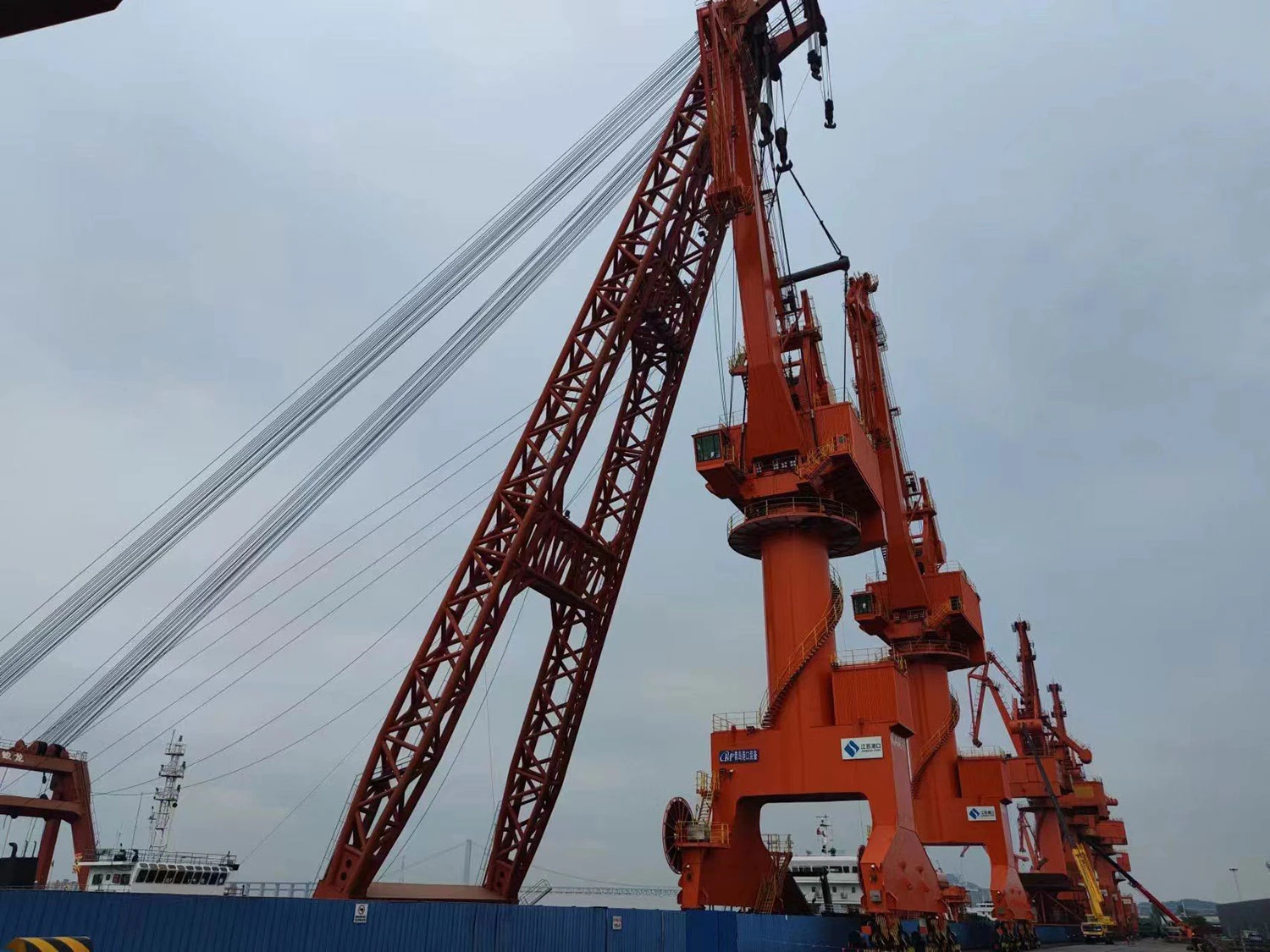
Keep your port crane protected with CEGC’s top recommendations: Port crane: 3 upgrades for salt fog endurance. These essential upgrades include marine-grade coatings, sealed systems, and predictive maintenance. Salt fog rapidly accelerates rust and can damage portal crane, container crane, and ship loader equipment. CEGC delivers market-standard solutions and customizable options to ensure your port crane operates reliably, even in harsh coastal environments.
Key Takeaways
-
Upgrade your port crane with marine-grade coatings to stop rust. This helps your crane last longer. Pick coatings with epoxy primers and polyurethane topcoats for best protection.
-
Use sealed parts to keep electrical and mechanical pieces safe from salt fog. Choose IP66-rated boxes and stainless steel to make sure they last in tough places.
-
Use predictive maintenance to check your crane’s condition. Try tools like vibration analysis and thermal monitoring. These tools help you find problems early and save money on repairs.
Salt Fog Risks for Port Cranes
Corrosion and Structural Fatigue
When you use a portal crane, container crane, or ship loader near the ocean, there are many dangers. Salt spray and wet air can hurt metal parts. After a while, rust forms, and the metal gets weaker. Sometimes, the shape of the crane can even change. The table below lists the main problems:
|
Type of Issue |
Description |
|---|---|
|
Caused by chloride ions in salt fog, leading to metal rust, reduced strength, and structural deformation. |
|
|
Structural Fatigue |
Results from prolonged exposure to heavy loads and fluctuating stresses, causing microscopic internal damage and metal cracks. |
Hot and cold weather changes make things worse. Water drops can appear on metal and wires. This makes rust happen faster and can cause cracks. Cranes near the sea need strong protection. CEGC uses Q345B or better low-alloy steel for important parts. They also use special coatings that meet HG/T 3656-2008 rules. If you want your crane to last longer, you can ask for extra upgrades. These include C5-M coating systems or zinc-aluminum thermal spray. These help cranes work well for many years, even by the sea.
Electrical and Mechanical Failures
Salt fog does not just hurt metal. It can also damage wires and moving parts. You might see these issues:
-
Electrical contacts rust faster
-
Different metals can corrode each other
-
Seals can break down, letting in water
Salt spray can make tiny electric paths. This can cause short circuits or problems. The table below shows more risks:
|
Hazard / Environment |
Port Crane Exposure |
Chloroprene Resistance Level |
Consequence of Failure |
|---|---|---|---|
|
Continuous in marine terminals; salt crystals corrode unprotected materials |
Excellent — polychloroprene is impermeable to dissolved ions |
Cable sheath degradation accelerates without chloroprene; insulation exposed to corrosive paths |
You can lower these risks by using sealed boxes for wires and strong materials. CEGC can add special parts, like stainless steel fasteners and IP65+ sealed pieces. These upgrades help your crane stay safe in tough marine places.
Port Crane: 3 Upgrades for Salt Fog Endurance
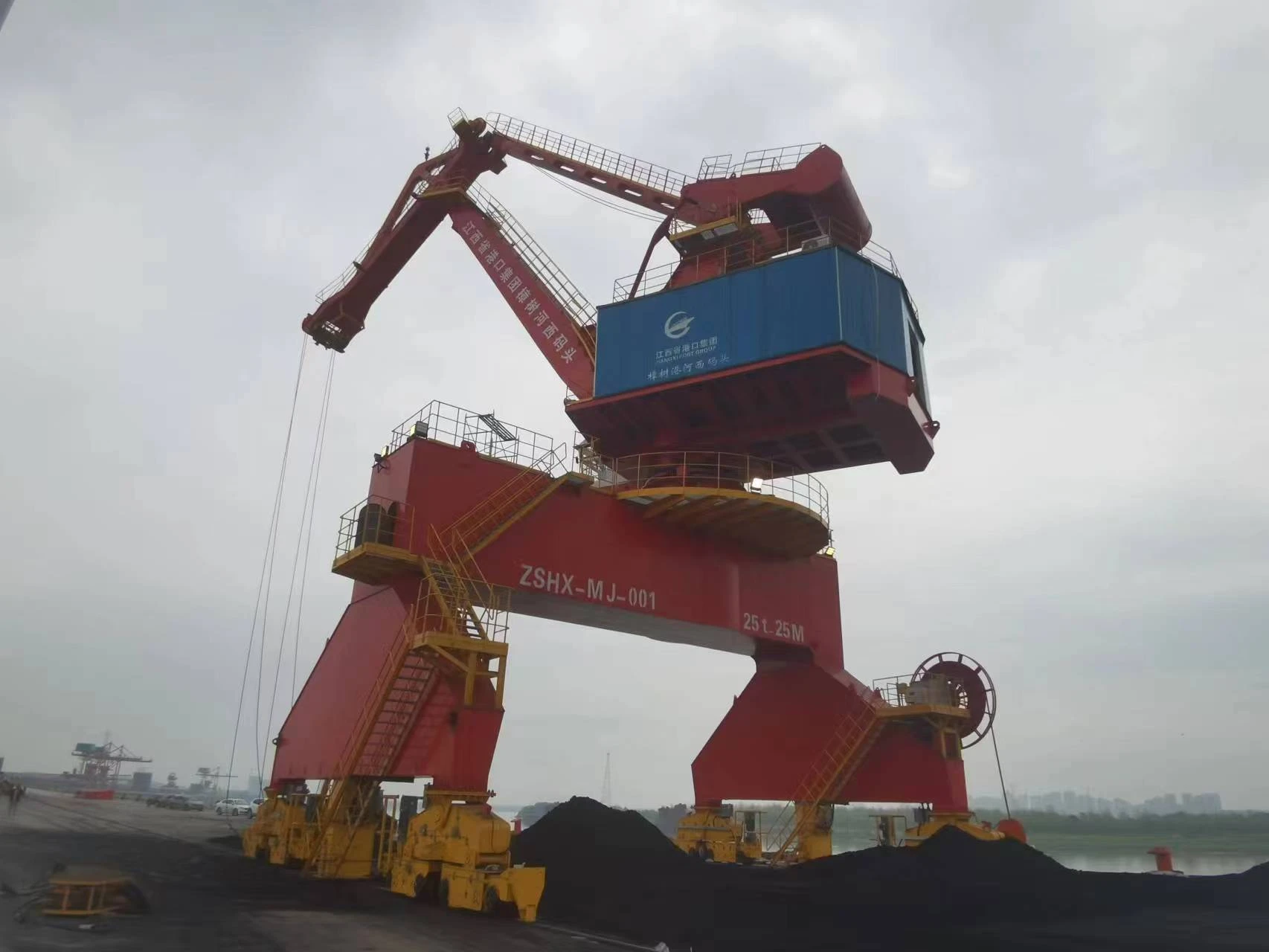
Marine-Grade Coatings and Materials
Port cranes near the ocean need strong protection. Marine-grade coatings and materials are the first defense against salt fog. These coatings help stop steel and other metals from rusting. You can pick coatings with many layers. The first layer is an epoxy primer that sticks well. The next layer adds strength and lasts longer. The top layer is polyurethane, which protects from sunlight. Hot-dip galvanization puts a thick zinc layer on important parts. This helps them last longer in salty air. Stainless steel and weathering steel do not rust easily. They make a shield that keeps the metal safe.
-
Epoxy primers keep out water and polyurethane topcoats block sunlight.
-
Hot-dip galvanization covers parts evenly and lowers how often you need repairs.
-
Stainless steel and weathering steel slow down rust.
|
Layer |
Function |
|---|---|
|
Primer layer |
Helps the coating stick and stops rust with special chemicals. |
|
Intermediate |
Makes the coating thicker and stronger, keeping out water. |
|
Topcoat |
Protects from sunlight, scratches, and dirty air. |
CEGC lets you pick how strong you want your anti-corrosion protection. You can choose tough coatings and materials for your portal crane, container crane, or ship loader. These upgrades help your machines last longer in salty and rough weather. They also help you save money over time. The first step for salt fog endurance is picking the right coatings and materials.
Sealed Components and Safe Lifting Systems
Electrical and moving parts need to stay dry and safe from salt. Sealed components use boxes with IP66 or better ratings. These boxes stop water and salt from getting inside. Control units made from stainless steel or treated aluminum do not rust and work in hot or cold weather. Good ventilation and ways to stop water drops help keep things dry.
-
Sealed boxes keep wires safe from salt fog.
-
Stainless steel and treated aluminum last longer and do not rust.
-
All parts are made for tough marine places.
Safe lifting systems help prevent accidents. Anti-sway systems use smart controls to slow down and stop swinging, even when it is windy. Safety locks, overload protection, and emergency stops make the crane safer and more reliable. Picking the right materials and surface treatments makes the crane last longer and need fewer repairs.
|
Evidence Description |
Impact on Operational Failures |
|---|---|
|
Anti-corrosion design is needed for cranes near the sea. |
Stops rust problems and helps cranes last longer. |
|
Checking and fixing cranes often slows down rust and saves money. |
Keeps cranes working well and stops sudden breakdowns. |
|
Using the best materials and coatings makes cranes stronger. |
Lowers surprise repair costs a lot. |
CEGC can make sealing and safety systems just for your equipment. This works for container handlers, ship cranes, and offshore platforms. The second upgrade for salt fog endurance is sealed parts and safe lifting systems. These help your work go smoothly.
Predictive Maintenance and Monitoring
You should check your port crane for early signs of damage. Predictive maintenance uses special tools to find problems before they get worse. Vibration analysis finds worn bearings early. Acoustic sensors listen for tiny cracks in sheave flanges. Thermal monitoring uses IR sensors to find hot spots in bearings. Hot spots mean there could be a problem with oil or grease.
|
Technology |
Function |
|---|---|
|
Vibration Analysis |
Finds worn bearings before you can hear them. |
|
Acoustic Emissions |
Hears small cracks in sheave flanges with special sound sensors. |
|
Thermal Monitoring |
Uses IR sensors to find hot spots in bearings, showing oil problems. |
Watching your crane’s condition helps it last longer at the port. Health monitoring lets you fix things before they break. This makes your crane safer and stops surprise breakdowns. Machine learning helps you know when to do repairs. You get better information and can plan ahead. This helps your crane last longer.
|
Benefit |
Description |
|---|---|
|
Predictive maintenance helps cranes work better. |
|
|
Reduced Unplanned Downtime |
It helps you find problems early and avoid surprise stops. |
|
Enhanced Equipment Reliability |
Machine learning makes cranes more reliable by predicting repairs. |
|
Extended Equipment Life |
Predictive maintenance helps cranes last longer. |
|
Optimized Maintenance Schedules |
You can plan repairs at the best times using data. |
CEGC gives you special plans and tools to watch and care for your cranes. This works for container gantry cranes, ship loaders, and offshore platforms. The third upgrade for salt fog endurance is predictive maintenance and monitoring. This keeps your crane working well and safely.
Tip: You can use all three upgrades together for the best salt fog protection. CEGC helps you pick coatings, sealing, and maintenance plans for your port crane, container handler, or ship crane. These three upgrades help protect your crane and keep your work safe.
You make port cranes last longer with special coatings. Sealed systems and predictive maintenance also help. These upgrades make cranes safer and more reliable. Look at the table to see how each upgrade changes your costs. Ask CEGC for solutions made just for you. Check your crane to see if it is ready for salt fog.
|
Upgrade Type |
Impact on Lifecycle Cost |
|---|---|
|
Crane Drives and Control Systems |
Reduced maintenance costs, increased productivity |
|
Energy Efficiency Improvements |
Lower energy expenses, improved profitability |
|
Modernized Components |
Easier maintenance, access to latest features |
FAQ
How does endurance affect port crane performance in salt fog environments?
Making cranes last longer helps them work better. Endurance keeps metal parts safe from salt fog. It also helps cranes stay strong and need fewer repairs.
Why should you upgrade for endurance in container handling equipment?
Upgrading makes container handling equipment safer. Endurance protects cranes from salt fog. It lowers repair costs and makes cranes more reliable.
What steps can you take to maximize endurance for ship loader and offshore platform cranes?
You can use marine-grade coatings to help cranes last. Sealed parts make endurance stronger. Predictive maintenance also helps cranes work well. These steps keep cranes safe in tough places.
How does CEGC customize endurance solutions for different port machinery?
CEGC gives special endurance solutions for each crane. They match upgrades to your crane type. Upgrades include anti-corrosion, sealing, and maintenance plans. Endurance keeps portal cranes, container cranes, and ship loaders safe.
Can endurance upgrades reduce lifecycle costs for cargo cranes?
Endurance upgrades help lower costs over time. They make repairs happen less often. Cranes become more reliable. You save money and work better.
What are the main benefits of endurance for container gantry cranes?
Endurance stops rust on container gantry cranes. It helps cranes last longer. It lowers downtime and makes cranes safer. Productivity goes up with endurance.
How often should you check endurance levels in port cranes?
You should check endurance levels often. Monitoring helps find problems early. Checks keep cranes safe. Inspections stop surprise failures.
Why is endurance important for reach stacker forklifts and ship cranes?
Reach stacker forklifts and ship cranes need endurance. It protects them from salt fog. Endurance makes equipment more reliable. It keeps lifting and handling safe.
What technologies help you monitor endurance in loading shipping container systems?
Vibration analysis helps check endurance. Acoustic sensors also help. Thermal checks are part of endurance monitoring. These tools help plan maintenance.
How does endurance impact offshore platform crane safety?
Endurance makes offshore platform cranes safer. It protects cranes from salt fog. It lowers accident risks. Endurance helps cranes work well and safely.


