
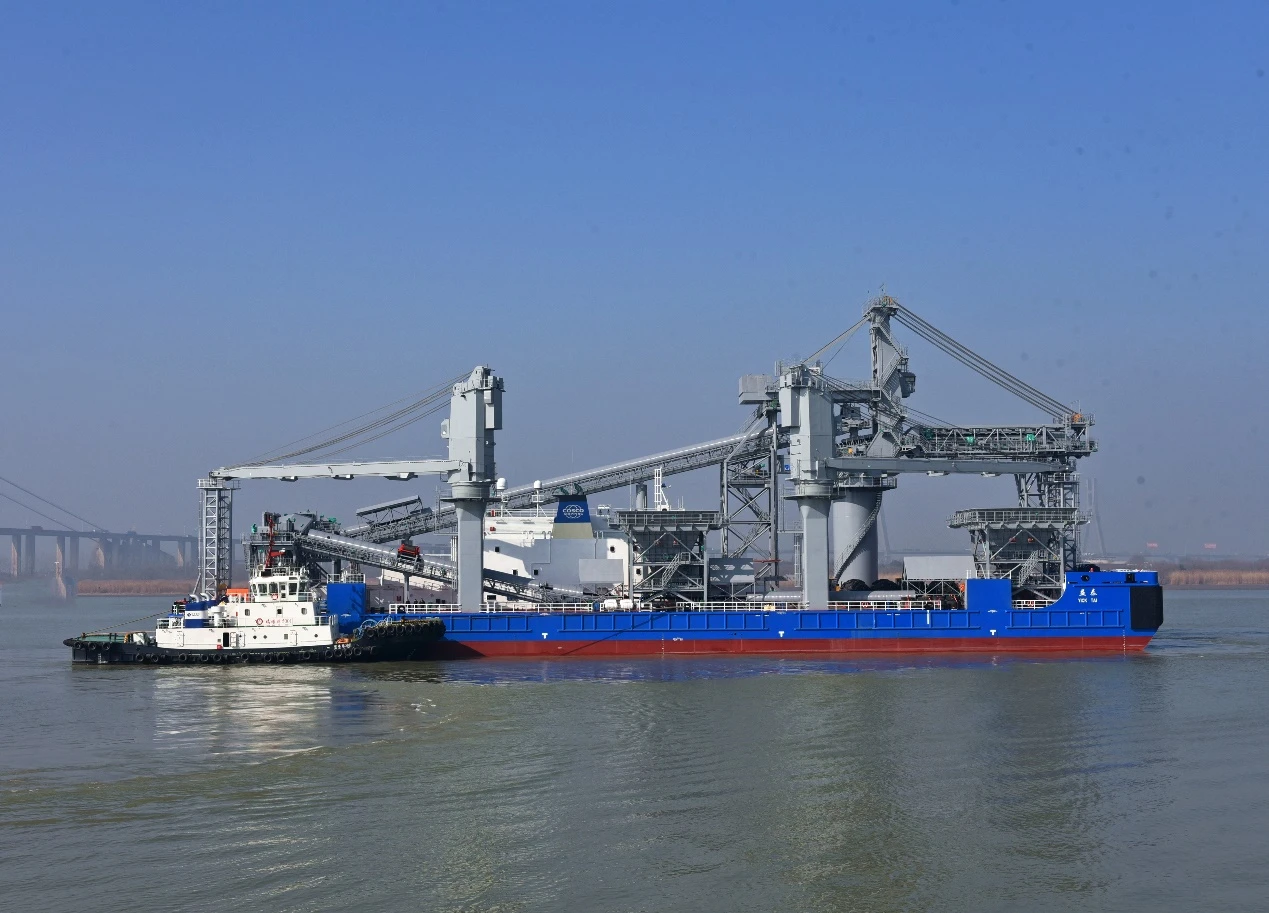
Container crane corrosion: inspect these 7 zones every day at your port to ensure safety and reliability. Corrosion commonly appears on the boom, hinge points, trolley rails, leg bases, machinery houses, cable trays, sheaves, and platforms. These areas are critical for crane performance, and corrosion can lead to safety risks, load sway, unexpected downtime, and increased operational costs. CEGC provides advanced solutions to help you combat corrosion effectively. Early rust inspections are essential for identifying issues before they escalate. Corrosion weakens cranes, increases maintenance needs, shortens equipment lifespan, raises repair expenses, and causes more downtime, ultimately impacting port productivity. By regularly inspecting these 7 zones for container crane corrosion, you can protect your port operations and maintain a safe working environment with CEGC’s support.
Key Takeaways
-
Check the seven important parts of your container crane every day to find corrosion early. These parts are the boom, hinge points, trolley rails, leg bases, machinery houses, cable trays, and access ladders.
-
Use easy tools like wire brushes and hammers to look for rust and damage. Doing regular maintenance can stop expensive repairs and help your crane stay safe.
-
Use CEGC's rust protection solutions to make your crane last longer. Finding and fixing rust early can save money and cut down on time when the crane cannot be used.
7 critical zones for container crane corrosion
Boom and hinge points
The boom and hinge points sit at the top of the crane. These parts move a lot and lift heavy things. Salt air, rain, and humidity can make metal rust here first. If you do not check for rust, the boom might get weak and break.
Start by looking for rust, small holes, or paint that is coming off. Shine a flashlight into the hinge joints to see inside. Tap the metal with a hammer and listen for hollow sounds. Hollow sounds can mean there is hidden rust. Use special tests like ultrasonic thickness checks to find damage inside. Look at the coating to see if it is cracked or peeling.
Rust shows up as orange or brown stains, rough spots, or loose bolts. If you see these signs, fix them quickly. CEGC has ways to protect the boom from rust. Checking your crane often helps you avoid big repairs and stops.
Trolley rails and supports
Trolley rails and supports help the trolley move along the crane. These rails need to stay smooth and tight. Rust can make them shake, wear out, or get crooked.
Check trolley rails often.
-
Make sure rails are straight and tight.
-
Look for rust, worn places, or missing bolts.
-
Clean the rails with a wire brush to find hidden rust.
-
Check if the coating is damaged.
-
Follow the maker’s inspection plan.
-
If you find problems, ask an expert if repairs are needed.
-
Taking care of rails keeps the trolley working well and stops failures.
CEGC’s rust protection helps rails last longer. Good maintenance keeps your crane running and avoids sudden stops.
Leg bases and mounting points
Leg bases and mounting points keep the crane standing tall. These parts face saltwater, wet air, and dust. Rust here can make the crane unsafe.
Look at leg bases for rust, cracks, or bubbles in the paint.
-
Use special tests like ultrasonic checks for hidden rust.
-
See if the coating is peeling or bubbling.
-
Watch for salt or water on the metal.
Saltwater and wet air make rust happen faster. If you see damage, fix it fast.
Crane makers use strong steel and coatings to fight rust. CEGC gives you tools to protect and watch for rust. These tools show you problems right away and help you plan fixes.Coating System
Description
Seaconomy
Stops sea growth for 24 months with one coat.
Protecsol-100
Makes a film on tank surfaces, protects steel even when empty.
Splashtron
Sticks well and bends, protects metal in splash areas.
Carbo Zinc 11
Zinc primer, works better than other coatings on clean metal.
Rust protection at leg bases keeps your crane safe. Good maintenance helps you find problems early.
Machinery house and enclosures
Machinery houses and enclosures cover electrical and machine parts. These places get salt, wet air, and chemicals. Rust here can break machines or cause power problems.
Check machinery houses for rust, color changes, or broken coatings.
-
Look for salt or water inside the covers.
-
Use special tests to find hidden rust.
-
Check where different metals touch each other.
Salt and wet air make a thin layer that speeds up rust. -
When metals touch, galvanic rust can happen.
-
Rust can hide in gasket channels.
-
Air can also wear away protective layers.
If you see rust or small holes, fix them fast. CEGC’s rust protection keeps machines safe. Good maintenance lowers the chance of breakdowns.
Cable trays and festoon systems
Cable trays and festoon systems hold cables on the crane. Rust here can make power less safe and less reliable.
Check cable trays and festoon systems by following a set schedule.
-
Look at cables every month in tough places and every few months in safer spots.
-
Check for cuts, scrapes, or swelling on cables.
-
Watch parts that bend or stretch a lot.
-
Write down any rust you see on metal parts.
Rust makes it harder for power to flow and can break cables.Factor
Impact on Electrical Reliability and Safety
Mechanical Stress
Pulls on copper wires, makes them hard and break.
Localized Corrosion
Raises resistance, weakens wires.
Cable Failure
Wires break from damage, not from bad insulation.
CEGC’s rust protection keeps cables safe. Good maintenance makes sure the crane works well.
Sheaves, pulleys, and wire ropes
Sheaves, pulleys, and wire ropes help lift and move containers. Rust makes these parts weak and unsafe.
Check wire ropes before and after every shift.
-
Look for broken wires, bends, or rust spots.
-
Check for color changes, white dust, or small holes.
-
Feel if the rope is stiff or uneven.
-
Brown dust between wires means wear.
Use special tests to find rust inside the ropes.NDT Technique
Description
Magnetic Flux Leakage (MFL)
Finds surface and inside problems, like broken wires.
Electromagnetic Testing (ET)
Spots damage from wear or rust.
Ultrasonic Testing (UT)
Finds inside cracks or holes in ropes.
CEGC’s rust protection keeps lifting parts strong. Good maintenance helps you stop accidents and delays.
Access ladders, platforms, handrails
Access ladders, platforms, and handrails help people reach crane parts safely. Rust here can cause slips, falls, or injuries.
Check these parts for rust, loose bolts, or broken coatings.
-
Look for weak or thin metal.
-
Make sure ladders and platforms use rust-proof materials.
-
Check if everything is strong enough to be safe.
Evidence Source
Description
Integrated Safety and Elevated Platforms for Manufacturing
Safety tools lower risks from rust, keep ladders and platforms strong.
eCFR
Metal ladders must use rust-proof materials to stay safe.
Top 5 Safe Access Platforms and Maintenance Stands
Strong materials stop rust damage, keep workers safe up high.
CEGC’s rust protection keeps access points safe. Good maintenance makes sure everyone can work safely.
Tip: Check all seven zones often. Finding rust early saves money, stops delays, and keeps your crane safe. CEGC’s rust protection and smart tools help you fix problems before they get worse.
Rust inspection checklist and rust treatment tips
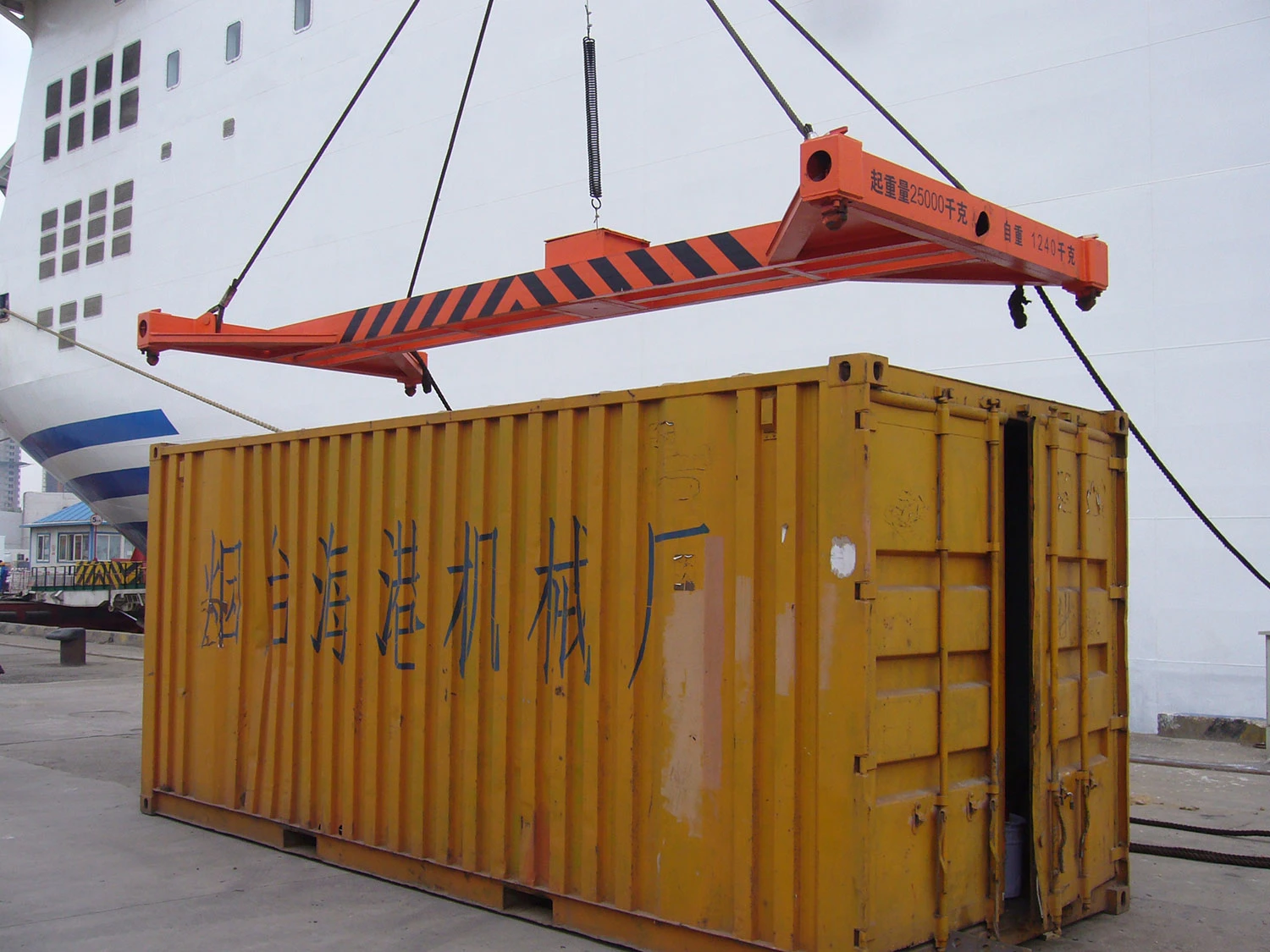
7-zone inspection summary
Check these seven zones to keep your container crane safe from corrosion. Use this checklist every day to help you:
-
Boom and hinge points: Look for rust, cracks, or paint coming off. Tap the metal to find hollow places.
-
Trolley rails and supports: Make sure rails are straight and bolts are tight. Watch for rust or worn spots.
-
Leg bases and mounting points: Check for bubbles in the paint, cracks, or salt on the surface.
-
Machinery house and enclosures: Look for rust, color changes, or broken paint on covers.
-
Cable trays and festoon systems: Check cables for cuts, swelling, or rust on metal parts.
-
Sheaves, pulleys, and wire ropes: Look for broken wires, rust, or brown dust between wires.
-
Access ladders, platforms, handrails: Make sure all parts are strong, free of rust, and safe.
Doing regular maintenance helps you find corrosion early. Preventive care can catch hidden problems before they cause big trouble. Getting help from experts makes things last longer and stops problems from coming back.
Rust treatment and prevention steps
Act quickly when you see corrosion. Here are easy steps to treat and stop rust:
-
Take off loose rust with a wire brush or grinder.
-
Use a rust converter to make rust into a safe layer.
-
Put on a primer that fights salt and makes a strong base.
-
Use a cold galvanizing spray for more protection near the sea.
-
Seal surfaces to keep out water and rain.
-
Keep crane parts dry by letting air move and removing wet air.
-
For small rusty spots, grind and fix them. For bigger areas, sand and repaint with a special coating about 100 µm thick.
Smart tools and sensors help you find rust early. These tools can spot problems before you notice them. This helps you avoid sudden stops. Predictive care can cut downtime by half and lower costs by up to 30%. CEGC’s strong coatings help protect your crane and make it last longer.
Checking for corrosion often helps keep your container cranes safe. Doing this regularly means you spend less money fixing things. It also stops accidents from happening. Planning ahead helps you avoid crane stops and makes cranes last longer. CEGC uses special coatings and simple care to stop corrosion. This keeps your port safe, working well, and strong.
FAQ
How often should you inspect your container crane for corrosion?
You should check your crane every day. Early checks help you find rust before it causes big problems.
What is the best way to treat small rust spots on cranes?
Use a wire brush to remove loose rust. Apply a rust converter and then paint with a marine-grade coating.
Why does corrosion happen faster at ports?
Salt air, humidity, and rain speed up rust. You need strong coatings and regular checks to protect your crane.


