
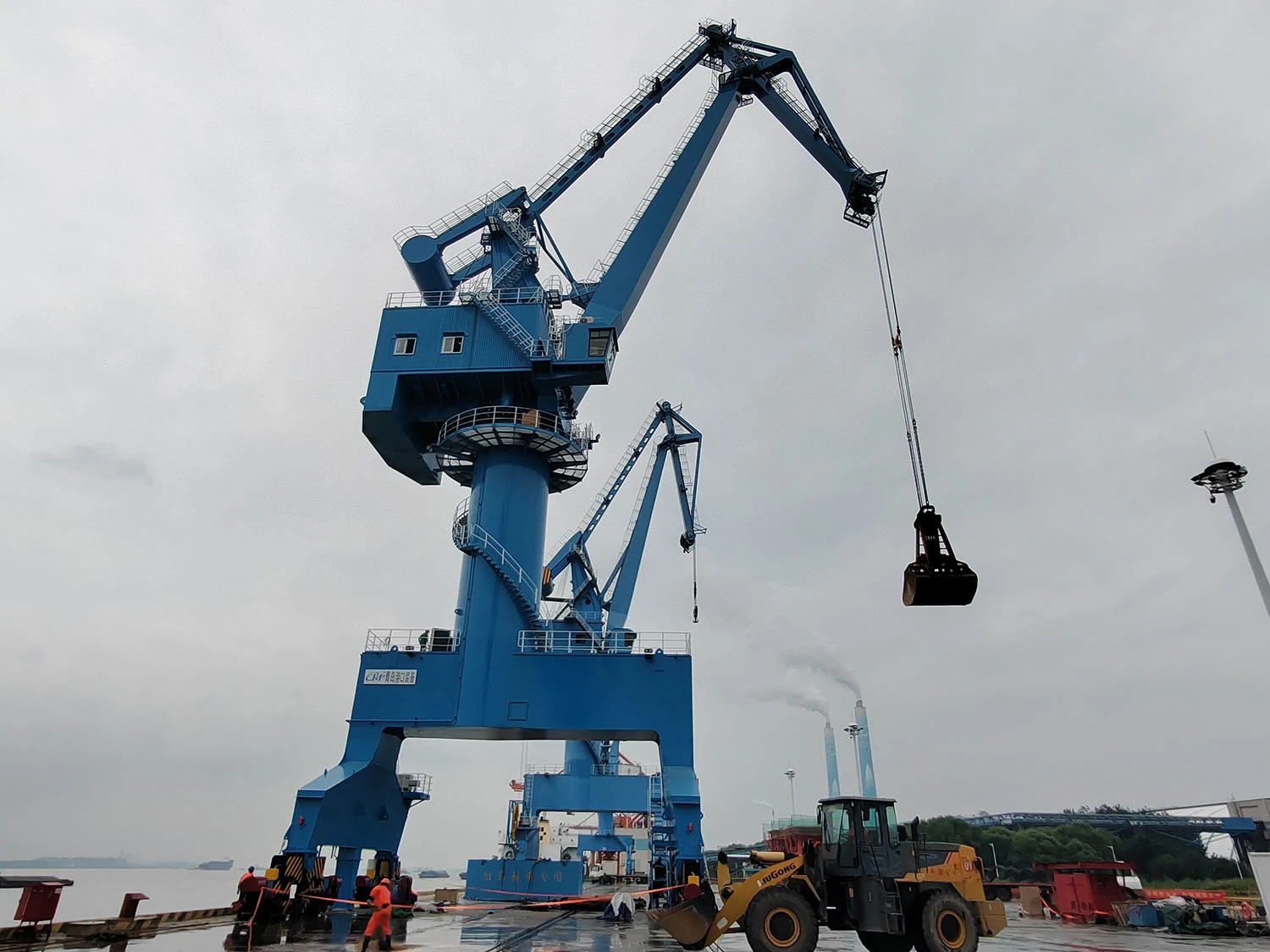
You can keep ship loading systems: corrosion protection on cables safe by using CEGC’s new solutions for port machines. Ship loading systems: corrosion protection on cables stops corrosion, so your cables stay safe from salt water, wetness, and sunlight. Ship loading systems: corrosion protection on cables helps with safety problems, load movement, and marine electrical system corrosion. Ship loading systems: corrosion protection on cables and regular care make sure things work well in tough sea weather. If you protect ship loading systems: corrosion protection on cables, your equipment lasts longer and your team stays safer.
Key Takeaways
-
Use marine-grade wire to keep ship loading systems safe from corrosion. Tinned copper wire stays good longer and stops saltwater from hurting it.
-
Check cables often for damage and corrosion. Look at them before you use them and at least once every year to stay safe.
-
Put anti-corrosion sprays and coatings on electrical connections. These products cover wires and stop water from causing harm.
Corrosion risks in ship loading systems
Environmental factors affecting cables
Operating ship loading systems in ports is hard. Humidity, temperature changes, and pollution make corrosion happen faster. The table below shows how these things affect your equipment:
|
Environmental Factor |
Impact |
Common Settings |
|---|---|---|
|
Humidity |
Starts reactions between cable strands |
Coastal regions, tropical climates |
|
Temperature Fluctuations |
Makes cables expand and crack protective layers |
Places with freeze-thaw seasons |
|
Industrial Pollution |
Brings acid-forming chemicals like sulfur dioxide |
Near factories or busy roads |
Salt fog and saltwater keep surfaces wet. Marine chemicals attack the metal. Fine dust and particles get inside cable layers and make corrosion worse. These problems happen a lot in busy ports and offshore platforms. When moisture stays on cables, corrosion spreads more easily. You must know your local environment to protect your cables.
Operational and safety impacts
Corrosion in ship loading systems causes big risks for your work. Saltwater and moisture make pitting and crevice corrosion. This weakens cables and makes them last less time. You may need more repairs and spend more money because of these issues. Corrosion can raise electrical resistance in connectors. This causes sensors and control systems to send wrong signals. It can lead to unsafe situations or delays.
Moisture can break insulation and cause ground faults. If corrosion harms sensor circuits, you may have trouble with load monitoring and anti-sway controls. This can make load sway worse and raise accident risks. Collisions from fishing gear or ship anchors can damage cables and make corrosion more likely. You must watch for these dangers to keep your equipment safe and working well.
Technical solutions for marine electrical system corrosion
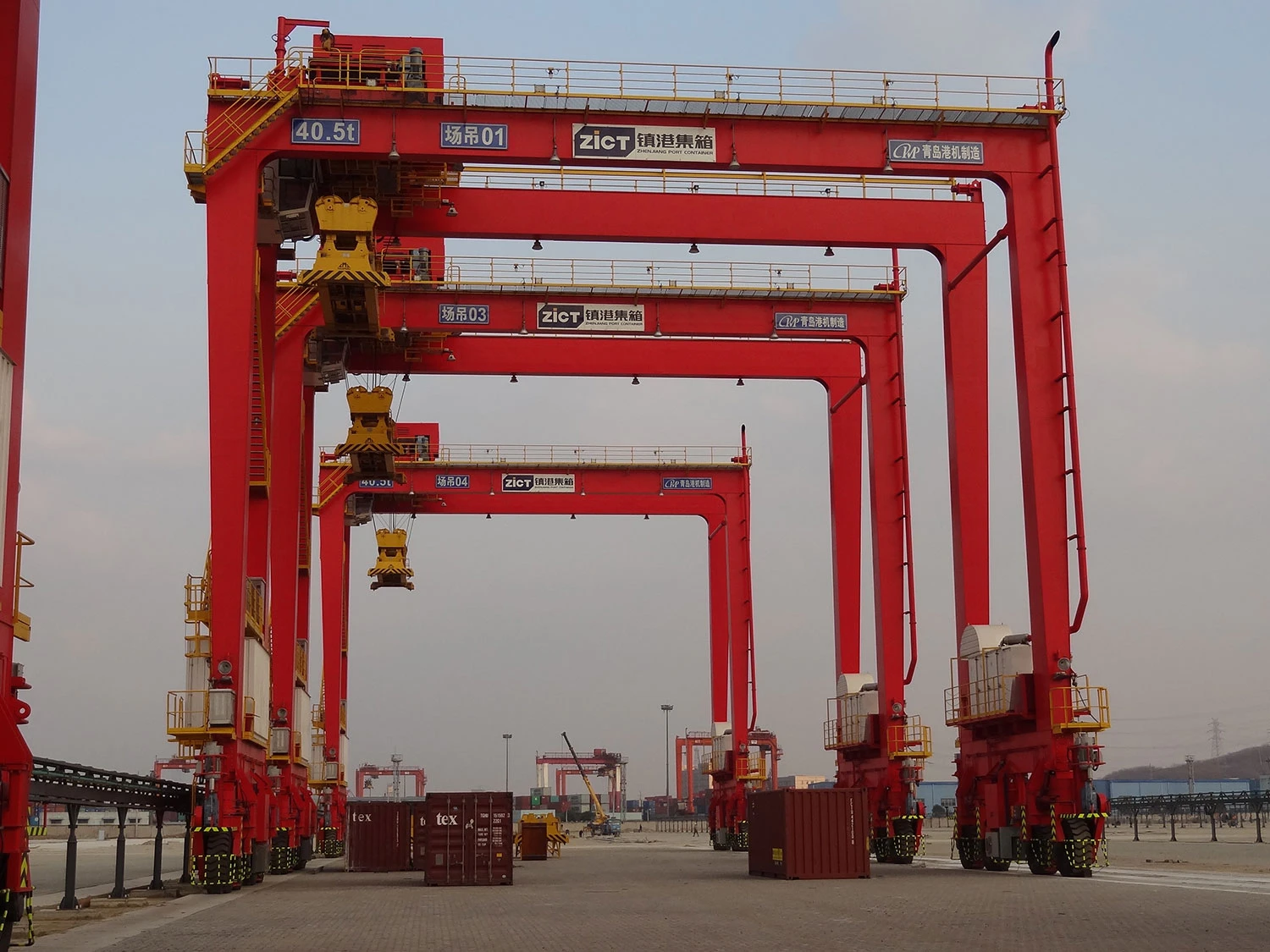
Marine-grade wire and materials
You need strong wire to keep ship loading systems safe from marine corrosion. Tinned wire is the best choice for these places. The tin coating on the wire helps stop corrosion. It keeps your cables safe from saltwater and wetness. Regular copper wire rusts fast in marine areas. Tinned copper wire lasts longer and fights off corrosion. You can count on tinned wire to protect electrical connections on portal cranes, container cranes, and offshore platforms.
-
Tinned copper wire fights corrosion better than regular copper wire in marine places.
-
The tin coating blocks saltwater and wetness.
-
Regular copper wire rusts fast, but tinned marine wire stays strong in tough weather.
You should use marine-grade wire for all ship loading systems. This wire passes the marine wire corrosion test. It keeps the wire cover strong and stops water from getting inside. CEGC sells marine-grade wire and cables for container machines and ship cranes. You can pick different wire types for your port machines. Marine-grade wire protects electrical connections and keeps your equipment safe.
Protective installation techniques
You must install marine wire the right way to keep electrical connections safe. Use heat-shrink tubing to make wire insulation waterproof. Dual-wall tubing with sticky lining seals wire ends and keeps out wetness. Put dielectric grease on wire ends before you connect them. This grease protects electrical connections and stops rust. Waterproof wire nuts give extra safety. You should use marine-grade clamps and cable ties to hold cables in place. These parts fight corrosion and keep cables steady when ships move.
-
Marine-grade stainless steel clamps fight corrosion and last in saltwater.
-
UV-resistant plastic ties handle sunlight and stop wire cover damage.
-
Marine-grade nylon and polyester ties work well in hot or cold weather.
Good cable management stops damage and makes repairs easier. You should use conduits to shield cables from hits and scrapes. CEGC’s anti-corrosion system has clamps, ties, and conduits for container cranes and reach stackers. You can change how you install things for your port machines. These steps protect electrical connections and keep your ship loader safe.
Tip: Always check wire covers for cracks or damage before you install them. Change any broken wire to keep your system safe from marine corrosion.
Coatings, sealing, and maintenance
You need sprays or coatings to keep electrical connections safe from marine corrosion. Special anti-corrosion sprays and marine corrosion inhibitor products work best. These coatings seal wire covers and stop wetness from reaching the wire. You can use products like Boeshield T-9, Corrosion Block, CorrosionPro Lube, CorrosionX, CRC Heavy Duty Corrosion Inhibitor, CRC QD, LPS 1, Strikehold, TC-11, and WD-40. These coatings protect electrical connections and keep your cables safe.
|
Product Name |
Effectiveness Description |
|---|---|
|
Boeshield T-9 |
Stops corrosion well on sensitive circuits. |
|
Corrosion Block |
Gives good protection against corrosion. |
|
CorrosionPro Lube |
Helps stop corrosion in marine places. |
|
CorrosionX |
Protects electrical parts from corrosion. |
|
CRC Heavy Duty Corrosion Inhibitor |
Gives strong corrosion resistance. |
|
CRC QD |
Dries fast, works against wetness-related corrosion. |
|
LPS 1 |
Good for stopping general corrosion. |
|
Strikehold |
Protects against corrosion in tough places. |
|
TC-11 |
Top choice for stopping corrosion in marine electrical systems. |
|
WD-40 |
Used a lot, but not as strong as special products. |
You must check cables often to stop corrosion. Look at crane and rigging hardware before each use. Do regular checks at least once every 12 months for normal use. In harsh marine weather, check cables every month or every few months. Recoating all hardware is a good idea every 12 months as part of a marine rust prevention plan.
|
Inspection Type |
Frequency |
|---|---|
|
Before each use |
Check crane and rigging hardware |
|
Regular checks |
At least once every 12 months for normal use |
|
Tough conditions |
Monthly or every few months checks needed |
Regular checks help you find loose connections, rust, and signs of wear. Finding problems early stops big failures. Clean parts that touch saltwater, like sensors and connectors, to keep electrical connections safe. Change rusty parts fast to keep your system safe. CEGC’s marine-grade anti-corrosion system has care plans and marine corrosion inhibitor choices. You can change coatings, sealing, and check schedules for your port machines.
Note: Advanced anti-corrosion systems, like nanocoating, cost more at first. You save money later because you need fewer repairs and less care. These systems protect your equipment and keep your ship loading systems working well.
You can trust CEGC to give you top solutions for marine places. You can get custom plans for port bosses, terminal workers, and care teams. You protect your ship loader, container ship, and offshore platform from marine corrosion when you use the right wire, ways to install, and coatings.
You keep ship loading system cables safe by using CEGC’s marine-grade solutions. These cables can handle saltwater, shaking, and fire dangers. Doing regular maintenance helps you find problems early. It also keeps your system working well. Planning ahead saves money on repairs and stops big failures.
-
Marine-grade cables stay strong for a long time and follow safety rules.
-
Checking cables often makes them last longer and work better.
FAQ
What is the best way to stop cable corrosion in ship loading systems?
You should use marine-grade wire, heat-shrink tubing, and anti-corrosion sprays. CEGC offers these solutions for portal cranes, ship loaders, and offshore platforms.
How often should you check cables for corrosion?
You should check cables before each use. In tough marine weather, inspect them every month. Regular checks help you find problems early.
Can you use regular copper wire in marine environments?
No. Regular copper wire rusts fast. You should use tinned copper wire for ship loading systems. It lasts longer and protects your equipment.


