
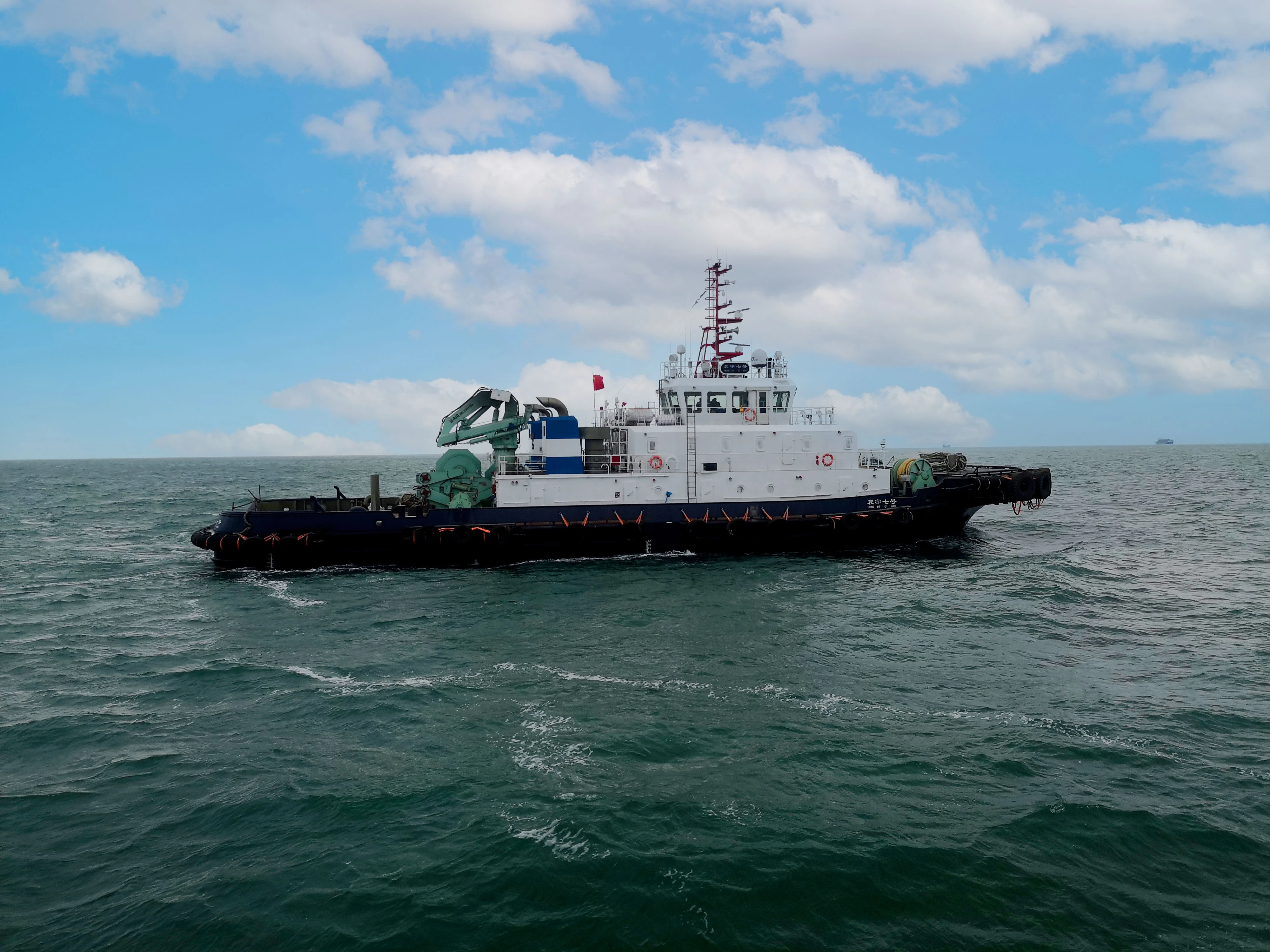
You see how tough weather affects ship cranes every day. Saltwater hurts metal parts, but stainless steel fasteners help stop rust and secret damage. Ship crane: why stainless fasteners matter is about safety, less time fixing things, and good performance. CEGC follows market rules and makes special solutions for your marine needs.
Key Takeaways
-
Stainless steel fasteners keep ship cranes safe from rust and corrosion. Saltwater can cause a lot of damage. These fasteners help cranes last longer and stay safe.
-
316 stainless steel fasteners are very important for ships. They work best in tough places with salt and water. They also help you do less maintenance.
-
Checking and fixing fasteners often can stop big problems. This helps you avoid expensive repairs and keeps your crane working well.
Marine challenges for ship cranes
Saltwater corrosion risks
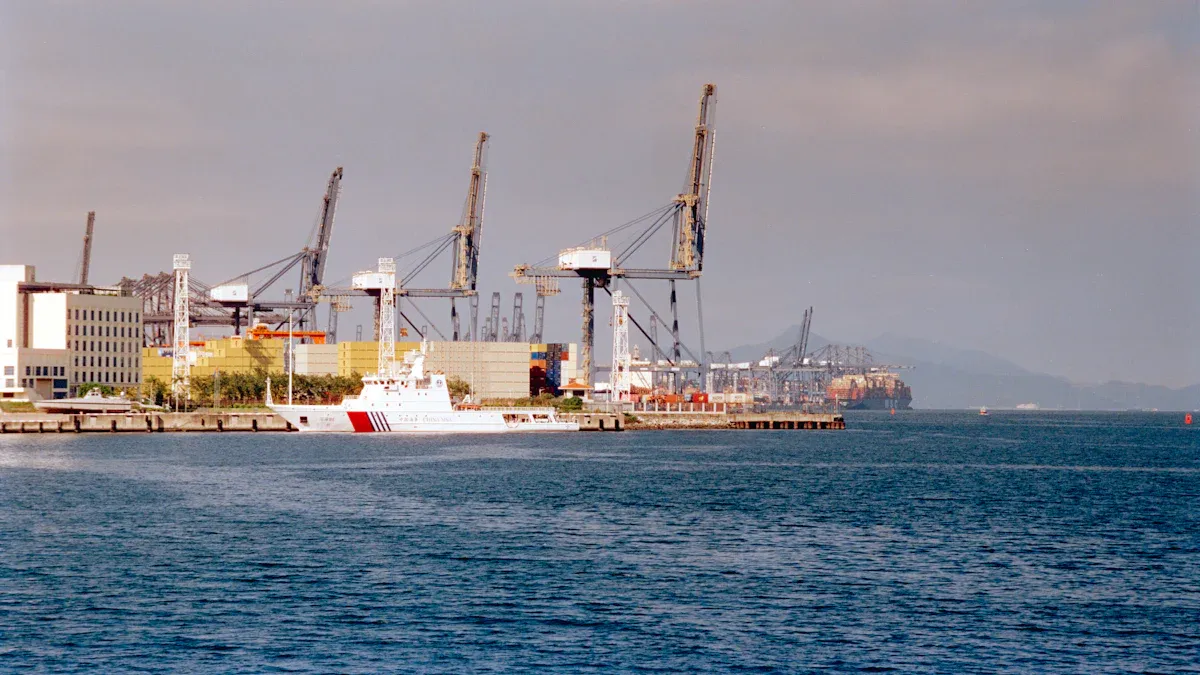
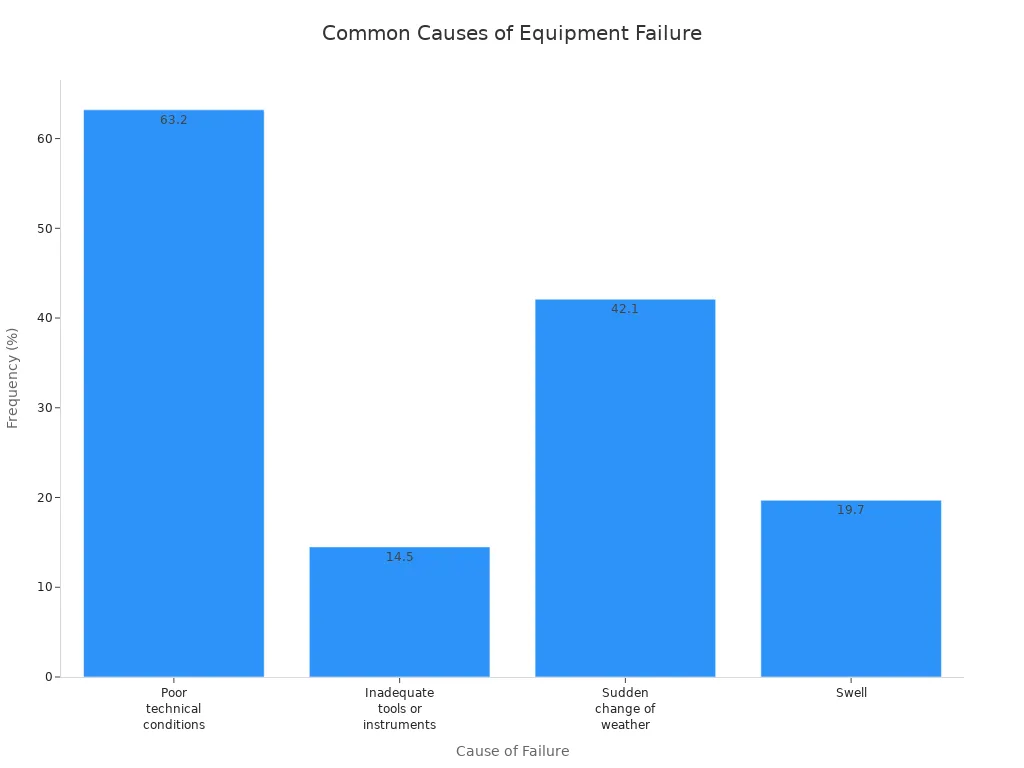
Operating ship cranes near the ocean brings many problems. Saltwater makes metal parts rust quickly and become weak. Salt fog and wet air make corrosion happen even faster. When salt gets on fasteners and joints, it can make cranes unsafe. You need strong protection against corrosion to keep your equipment safe. Stainless steel fasteners help stop saltwater from hurting your crane. CEGC gives you marine-grade systems with coatings and stainless steel parts. These solutions help prevent your crane from getting weak and keep it working well in tough marine conditions.
|
Cause of Failure |
Frequency (%) |
|---|---|
|
Poor technical conditions |
|
|
Inadequate tools or instruments |
14.5 |
|
Sudden change of weather conditions |
42.1 |
|
Swell |
19.7 |
Load sway, wind, and safety concerns
Wind and load sway are big challenges every day. Strong winds push loads sideways, making them swing and tip over. Unstable loads mean you must stop work, which lowers efficiency and makes things less safe. Wind pressure gets stronger as wind speed goes up. When wind and water forces mix, old dock hardware can get overloaded. CEGC’s anti-sway controls and safety interlocks help lower these risks. Wind speed monitors warn you about dangerous weather so you can react fast.
-
Wind and water forces together make loading more difficult.
-
Even moderate wind can pull mooring lines tighter.
Maintenance and downtime issues
Missing maintenance causes downtime and problems. If you skip inspections, small issues can turn into big failures. Repairs take longer, so you lose time and money. In marine areas, regular checks and preventive maintenance are very important. You should use marine-grade lubricants and corrosion protection to keep your crane working. CEGC helps you with easy access and spare-part kits. These features let you fix problems faster and cut downtime in marine jobs.
|
Solution |
Description |
|---|---|
|
Corrosion Protection |
Use anti-corrosion coatings and stainless steel parts to stop weakening. |
|
Operator Training |
Training often helps reduce mistakes that damage cranes. |
|
Load Testing |
Test loads to make sure cranes can handle heavy weights safely. |
|
Spare Parts Management |
Keep important spare parts ready to lower downtime during repairs. |
|
Hydraulic System Management |
Check and maintain hydraulic systems often to stop failures. |
|
Electrical System Upgrades |
Upgrade old electrical systems to keep cranes working well. |
|
Proper Storage Practices |
Protect cranes from weather by covering or sheltering them when not used. |
Stainless steel fasteners in high-performance marine applications
Corrosion resistance and durability
Stainless steel fasteners are important for ship cranes. Saltwater makes regular metal rust and weak. Stainless steel screws protect your crane from bad weather and salt spray. The metal has chromium inside. Chromium builds a shield that stops rust. If the shield gets scratched, it fixes itself. This means your crane works well for a long time. You do not have to worry about hidden damage.
Different grades of fasteners work better in tough places. Some are stronger than others. Here is a table showing common grades for marine jobs:
|
Grade |
Key Alloy Element |
Saltwater Resistance |
Best Use Case |
|---|---|---|---|
|
304 (18-8) |
18% Cr, 8% Ni |
Moderate (Can pit) |
Cabin interiors, freshwater boats |
|
316 (Marine) |
16% Cr, 10% Ni, 2% Mo |
Excellent (Resists chlorides) |
Hull fittings, docks, offshore rigs |
You should pick 316 stainless steel for ship cranes. It works best against corrosion. Your crane stays strong for many years. Marine-grade fasteners last longer and need less fixing. You can trust them in salt fog and humidity.
Safety and structural integrity
You want your ship crane to be safe and strong. Stainless steel fasteners help you reach this goal. They do not rust or pit like carbon steel. Crane joints stay tight and secure. Stainless steel screws hold up under heavy loads and vibration. You do not have to worry about sudden breaks or loose bolts.
-
Stainless steel fasteners give you high strength and durability.
-
They keep your crane safe, even when wind and waves shake the structure.
-
Marine-grade stainless steel fasteners lower the risk of accidents from weak or corroded parts.
These fasteners make cranes safer. They last longer and need fewer checks. You feel better knowing your crane will not fail because of hidden rust.
Cost savings and low maintenance
Stainless steel fasteners help you save money. They cost more at first, but you spend less on repairs and downtime. You do not need to replace them as often as carbon steel or galvanized fasteners. Stainless steel screws last up to 25 years. Carbon steel lasts only 10 years. You also cut your yearly maintenance costs.
Here is a table showing the cost difference:
|
Category |
Carbon Steel |
Stainless Steel (304) |
|---|---|---|
|
Initial Material Cost |
1.0 |
2.5 |
|
Annual Maintenance |
5% |
1% |
|
Expected Lifespan |
10 years |
25 years |
|
Lifecycle Cost |
≈1.5× initial |
≈1.1× initial |
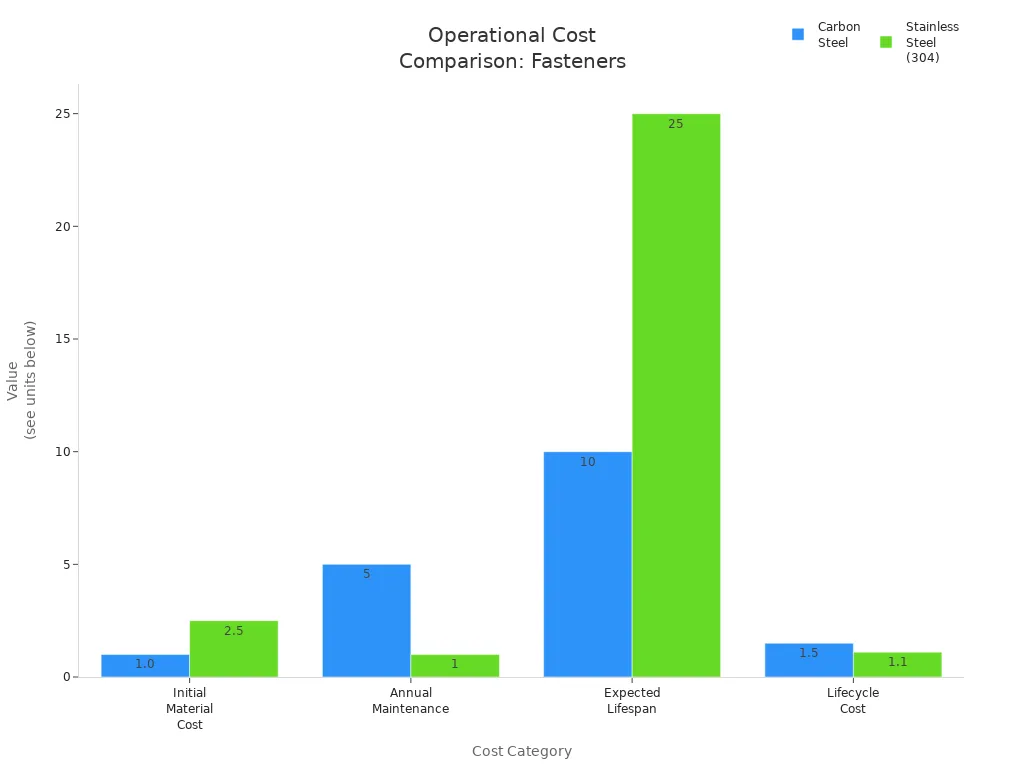
Stainless steel screws give you more value over time. You avoid sudden breakdowns that stop your work. CEGC offers custom plans for anti-corrosion grade and maintenance. You can pick the right fasteners for your port machinery.
Stainless steel screws vs. other materials
You may wonder how stainless steel screws compare to other fasteners. Stainless steel fasteners, especially 316, beat carbon steel and even 304 in saltwater. Carbon steel rusts fast and loses strength. 304 stainless steel can pit in saltwater. 316 stainless steel resists chlorides and lasts longer.
Here is a table showing the main differences:
|
Material |
Key Alloy Elements |
Corrosion Resistance |
Typical Applications |
|---|---|---|---|
|
304 Stainless Steel |
18% Cr, 8% Ni |
Moderate (Can pit) |
Cabin interiors, freshwater boats |
|
316 Stainless Steel |
16% Cr, 10% Ni, 2% Mo |
Excellent (Resists chlorides) |
Hull fittings, docks, offshore rigs |
|
Carbon Steel |
None (Iron/Carbon) |
Poor (Rusts rapidly) |
Indoor / Painted structures only |
You should use high-grade stainless-steel fasteners for marine projects. They give you the best resistance to corrosion and strength. CEGC can customize your fasteners with special coatings or select duplex stainless steel for offshore platforms.
Tip: Always choose 316 stainless steel screws for ship cranes, cargo cranes, and container handling equipment. They give you the best durability and safety.
You can trust CEGC to deliver corrosion-resistant stainless hardware for your port machinery. You get reliable, long-lasting fasteners that keep your equipment safe and efficient.
You need your ship crane to be safe and reliable. Stainless steel fasteners help your crane last longer. They also mean you fix things less often. Marine repair shops use grade 316 for repairs. Look at how stainless steel stacks up:
|
Fastener Type |
Corrosion Resistance |
Recommended Grade |
|---|---|---|
|
Stainless Steel |
High |
316 |
|
Other Metals |
Low |
N/A |
-
Stainless steel fasteners are best for tough marine jobs.
-
Experts say to use them for all port equipment.
FAQ
What grade of stainless steel fastener should you use for ship cranes?
You should use 316 stainless steel. It resists saltwater and lasts longer in marine environments.
How often should you check stainless steel fasteners on port machinery?
Check them every three to six months. Regular inspections help you spot early signs of wear or corrosion.
Can you mix stainless steel fasteners with other metals?
Tip: Avoid mixing metals. You can cause galvanic corrosion if you use stainless steel with carbon steel or aluminum.


