
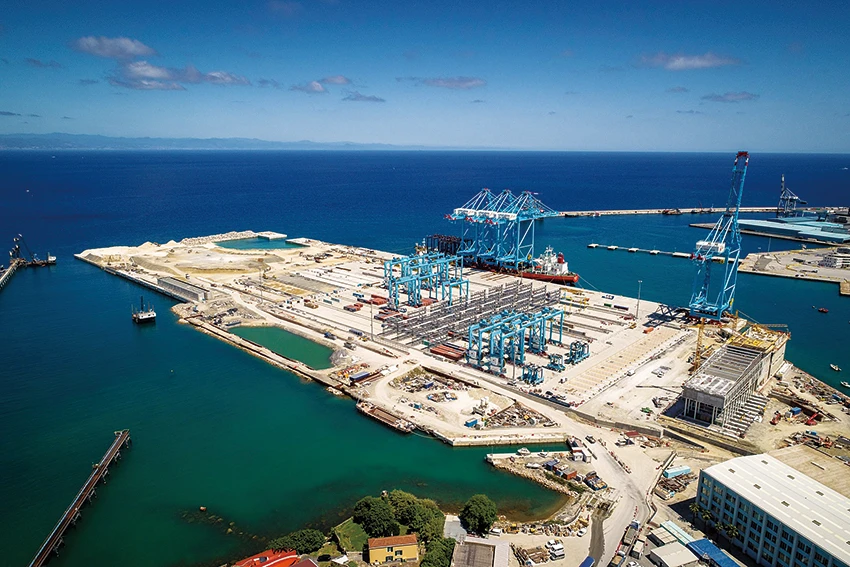
You see cargo crane: corrosion downtime kills peak season at ports everywhere. When corrosion happens, cargo crane: corrosion downtime kills peak season for your work. CEGC knows cargo crane: corrosion downtime kills peak season hurts your profits. You cannot forget cargo crane: corrosion downtime kills peak season. Do something before cargo crane: corrosion downtime kills peak season shuts down your business.
Key Takeaways
-
Corrosion is a big problem for cargo cranes. It happens more in places that are humid and salty. Checking cranes often and fixing them can stop expensive delays.
-
Using strong marine-grade materials helps cranes last longer. Protective coatings also make cranes work better. Spend money on these to help cranes during busy times.
-
Use sensors to find corrosion before it gets bad. This helps fix problems early and saves money. It keeps the cranes working well and stops big repairs.
Corrosion Threats to Cargo Crane Performance
Why Cranes Are Vulnerable to Corrosion
Cargo cranes work in very tough places. At seaports, there is a lot of humidity, salt, and dirty air. These things attack metal every day. Bad weather makes corrosion happen faster. This can hurt your equipment. When you use a portal crane, container crane, or ship crane, you put it in danger.
-
Humidity over 60% keeps metal wet. This helps corrosion spread.
-
Salt in the air sticks to crane parts. It breaks down the protective layer.
-
Pollutant gases like SO2 and NOx mix with water. They make acids that eat metal.
These bad conditions happen all year. Storms and high tides make them worse. If you do not protect your cranes, corrosion will damage them quickly.
Key Components at Risk
Not every crane part has the same risk. Some important parts get hurt more by bad weather. Wire ropes, hoist drums, and big metal pieces need extra care. The table below shows why wire ropes are in danger:
|
Contributing Factors to Wire Rope Deterioration |
|---|
|
Ineffective inspection technique |
|
Inadequate lubrication, especially internally |
|
Inappropriate lubrication that traps moisture |
|
Corrosive or abrasive cargo particles |
|
Contact damage with cracked or broken sheave |
|
Chafing damage against ship's structure |
|
Exposure to detrimental environmental conditions |
|
Improper winding under load |
|
Crushing or chafing damage from jamming |
You also need to check hoist drums and the main structure for corrosion. Salt and humidity can cause small holes, cracks, or even breaks. If you ignore these problems, your crane might stop working when you need it most.
How Corrosion Causes Downtime
Corrosion does not just make cranes look old. It makes metal weak and parts can break. This puts your team in danger. If you let corrosion spread, your crane may stop working. The table below shows how corrosion hurts your work:
|
Evidence Type |
Description |
|---|---|
|
Structural Integrity |
Corrosion makes crane parts weak. You need more repairs. |
|
Safety Risks |
More repairs and broken parts can cause accidents. Your team is less safe. |
|
Operational Delays |
Broken parts from corrosion slow you down. Your port loses time and money. |
You do not want these problems during busy times. Corrosion in bad weather means more downtime, higher costs, and weaker cranes. To keep your cargo crane working, you must fight corrosion every day.
Peak Season Impact: Downtime and Costs
Why Downtime Peaks in Busy Seasons
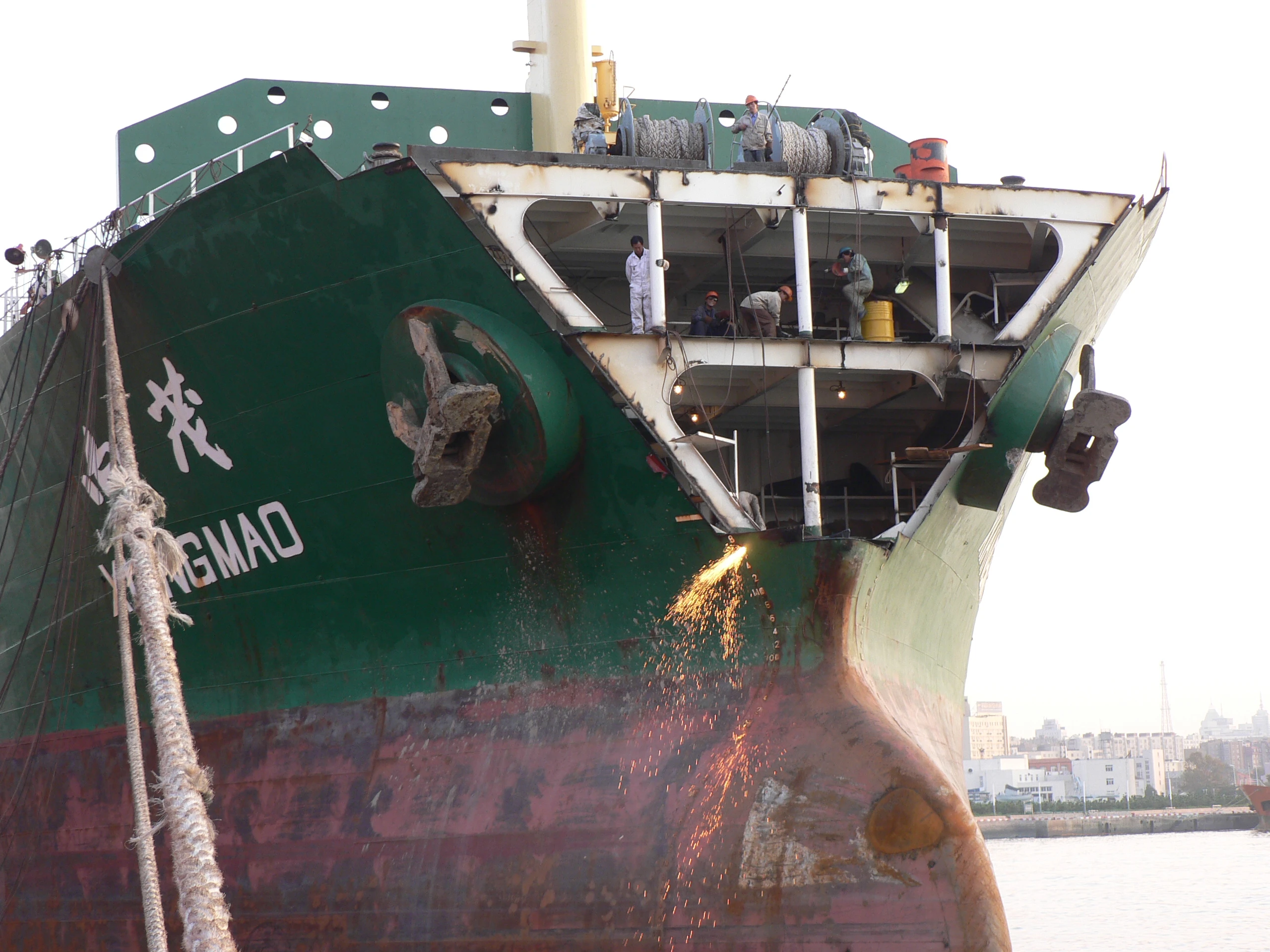
Peak shipping seasons are very busy. More ships come, and time matters a lot. If corrosion hurts your crane, you lose time. Salt spray and humidity make rust happen faster. You use your crane more often during these times. Slowdowns cost money when ship schedules are tight. Even small failures can stop your work and cause big delays.
Operational and Financial Consequences
Downtime in busy times causes big trouble. You pay extra fees while ships wait. Your team must work longer to fix problems. Less time means fewer containers move through the port. This lowers your performance and can hurt your reputation. Repairs cost more because they must be quick. If you do not fix things, you may lose business to other ports.
Real-World Examples in Port Operations
Corrosion causes real problems at ports every day:
-
Boom collapses happen if you skip maintenance.
-
Dropped loads put your crew in danger.
-
Brake failures can lead to accidents.
-
Wire rope parts snap and cause injuries.
-
Hydraulic leaks stop work and harm nature.
-
Rust on walls makes cranes weaker.
-
Weak floors can cause cargo to fall.
-
Leaks from corrosion damage goods.
Many ports now use special projects to cut downtime. Custom layouts and modular designs help cranes last longer. Climate-specific features protect cranes from bad weather. Automated systems and real-time checks keep equipment working during busy times.
Corrosion Resistance and Crane Performance Solutions
Marine-Grade Protection Systems
You need strong protection to keep your crane safe from salt spray and tough weather. CEGC uses special marine-grade systems to help stop corrosion and make your equipment last longer. Here are some good ways to protect your crane:
-
Picking the right materials is important. Stainless steel, aluminum alloys, and galvanized steel do not rust easily and last longer.
-
Special surface coatings, like epoxy primers and polyurethane topcoats, make a hard shield against salt spray.
-
Hot-dip galvanizing puts a zinc layer on steel parts. This gives long-lasting protection from rust.
-
Cathodic protection uses sacrificial anodes to guard underwater parts.
-
Covers and shields keep water away from important spots.
-
Regular cleaning and using marine-grade lubricants help stop corrosion.
You can also use advanced PVD coatings. These coatings protect for up to 12 years and need fewer repairs. This saves you money and helps you avoid expensive downtime. Protective coatings lower the chance of sudden problems and help you meet world standards for weather-proof cranes.
Maintenance and Predictive Monitoring
Regular maintenance is very important for stopping corrosion and keeping your crane working well. You should check your crane often, especially after storms or heavy use. Finding corrosion early stops small problems from getting worse.
New predictive maintenance uses sensors like accelerometers and strain gauges. These tools watch for stress and tired parts all the time. Machine learning can find faults with over 85% accuracy. This way, you have less downtime and your crane works better.
You can also change your maintenance plan when the weather is bad. More checks after salt spray or heavy rain help you find problems early. Training your team is important too. Well-trained workers know how to spot corrosion and keep your crane in good shape.
Customization for Anti-Corrosion
Every port has its own problems. CEGC gives you custom solutions to fit your needs. You can pick special materials, coatings, and control units that resist corrosion for your portal crane, container crane, or ship crane.
Here is how CEGC handles common weather problems:
|
Environmental Challenge |
Description |
|---|---|
|
Corrosive Atmosphere |
Saltwater and sea air make metal parts rust fast. |
|
Abrasive Contaminants |
Dust and sand from cargo can wear down crane parts. |
|
Extreme Loads and Shock Loading |
Heavy loads and sudden hits can make parts weak or break. |
|
Wide Temperature Variations |
Hot and cold weather can change material strength and oil quality. |
|
High Humidity and Water Ingress |
Water can wash away oil, causing rust and making parts brittle. |
|
Continuous Operation |
Using the crane all the time means less time for repairs and more wear. |
CEGC’s modular features make repairs easier. You can reach worn parts quickly, which means less downtime and longer life for your crane. Custom options include anti-corrosion grade, sealing level, and spare-part kits. These upgrades make your crane more reliable and cost less to keep running.
When you invest in corrosion resistance, you keep your crane safe from salt spray and tough weather. You also make your crane work better and last longer during busy times. CEGC’s solutions help you get weather-proof performance and keep your port working fast.
You need to move quickly to stop corrosion from hurting your equipment. The table below shows how taking care of your equipment keeps it strong and safe:
|
Maintenance Practice |
Impact on Performance |
|---|---|
|
Use of protective coatings |
Prevents rust and extends crane lifespan |
|
Regular maintenance checks |
Reduces breakdowns and repair costs |
|
Cathodic protection |
Protects exposed parts from corrosion |
|
Annual and bi-annual checks |
Ensures cranes are strong for bulk handling |
If you use better solutions, your equipment will work longer and better. Real-time monitoring and smart tools help you find problems early. This keeps your equipment working during busy times. You should use special anti-corrosion treatments on your equipment. CEGC can help you pick the best plan so your port stays safe and works well.
FAQ
What are the main types of controls used in cargo cranes?
You use controls like joysticks, push buttons, and touchscreens. Modern marine crane controls help you work with more accuracy. These systems let you move loads safely and fast.
How do marine crane controls improve safety and performance?
Marine crane controls let you change speed and direction. You get feedback right away from control systems. This makes crane control more reliable and helps you stop accidents when it is busy.
Why should you upgrade your control systems for peak season?
You need advanced controls to move more cargo. Upgraded marine crane controls and control systems help you make fewer mistakes. You keep your equipment working and avoid expensive downtime.


