
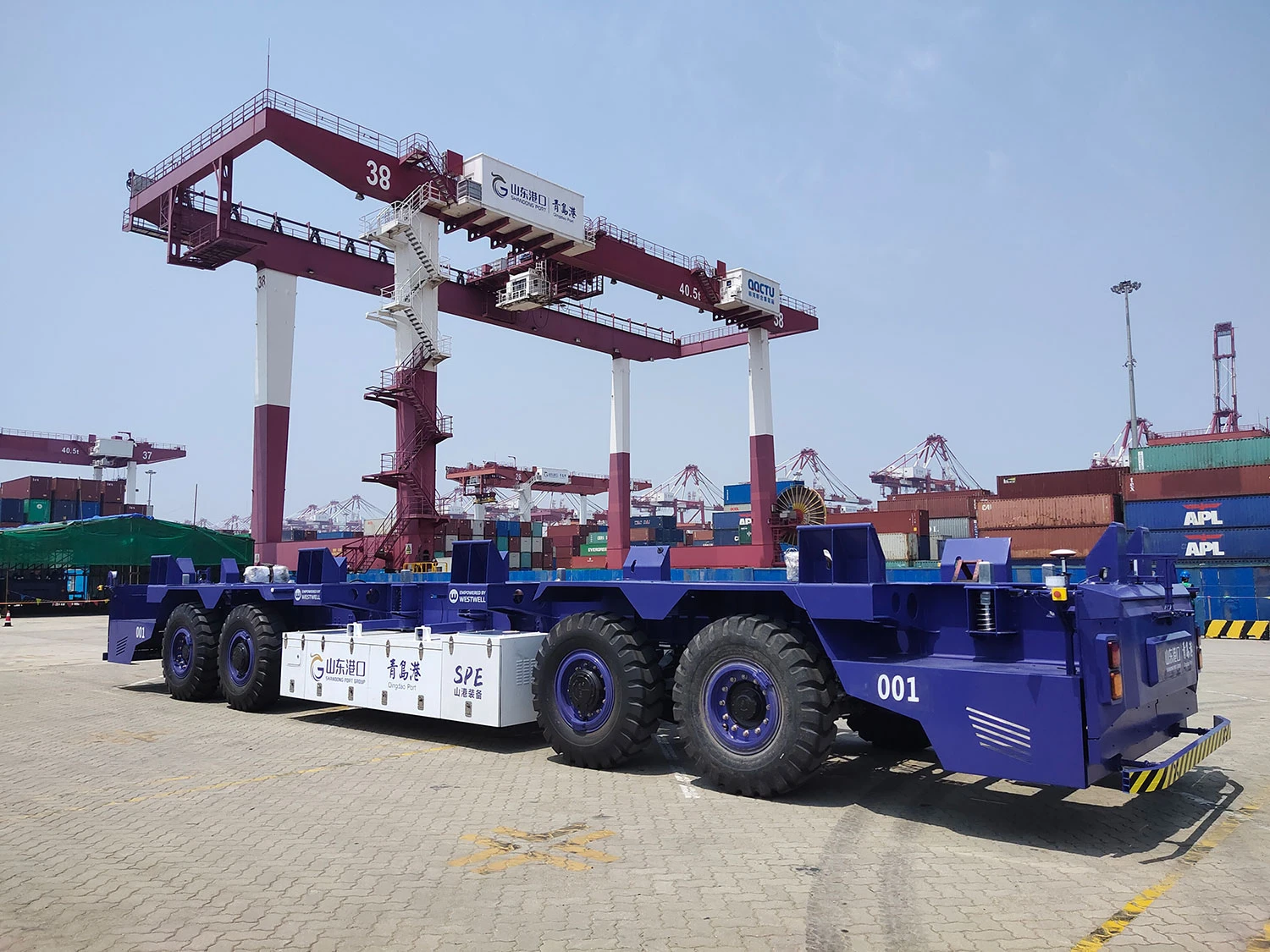
You can improve container handler throughput: reduce rehandles first. Every unnecessary rehandle slows down operations and increases costs at your intermodal freight terminal. CEGC offers smart solutions to boost container handler throughput: reduce rehandles first with these proven strategies:
-
Leverage real-time data to monitor equipment status
-
Position equipment strategically near ships
-
Implement AI-driven scheduling for optimal workflow
With CEGC, container handler throughput: reduce rehandles first becomes a reality. Focus on reducing rehandles, and you’ll see container handler throughput: reduce rehandles first improve across your terminal. Trust CEGC to help you maximize container handler throughput: reduce rehandles first.
Key Takeaways
-
Cutting down on rehandles is very important for better container handler throughput. Each extra move makes work slower and costs more money.
-
Use real-time data and smart planning to make the yard layout and container stacking better. This helps stop extra moves and makes things work faster.
-
Spend money on operator training and automation technology. Skilled workers and new systems can lower rehandles a lot and make things safer.
Rehandles and container handler throughput
What are rehandles in container handling?
Rehandles happen when you move a container more than once before it gets to where it should go. This can happen if you need to move one container to reach another or to fix how the stacks look. These extra moves make your work slower and give your team more to do. If you use a container handler or a container crane from CEGC, you want to stop rehandles as much as you can. Every rehandle takes more time, uses more energy, and makes your equipment wear out faster. Rehandles are like hidden problems that stop containers from moving smoothly in your yard.
How rehandles reduce efficiency and throughput
Rehandles make many things harder in container handling. They make load sway more likely, so it is harder to put containers down safely. There is a bigger chance of crashes, especially when stacks are close together. Every rehandle changes how long each job takes, so it is hard to know how much time you need. These problems slow down your whole operation and make your throughput lower.
Tip: If you cut down on rehandles, you save time, spend less money, and keep your team safer.
Modern container handling equipment, like CEGC’s container gantry crane or reach stacker forklift, has features that help you do fewer rehandles. Look for these common features:
|
Feature |
Description |
|---|---|
|
Gently puts containers down, so there is less noise and less bumping. |
|
|
Automatic Cycle |
Runs hydraulic parts in order, so handling is faster. |
|
Proportional Speed |
Lets you control speed well for quick and safe moves. |
|
Advanced Rapid Motion |
Makes the arm move out faster, so jobs take less time. |
|
Rapid Motion |
Makes the cylinder move out faster, so you handle containers quicker. |
|
Soft Sliding |
Makes loading quieter and easier for people using the machine. |
You can also use equipment that works well in small spaces and fits different yard shapes. CEGC can change equipment for your project, so you get the right size, how often you use it, and how much it does by itself.
Optimization strategies for reducing rehandles
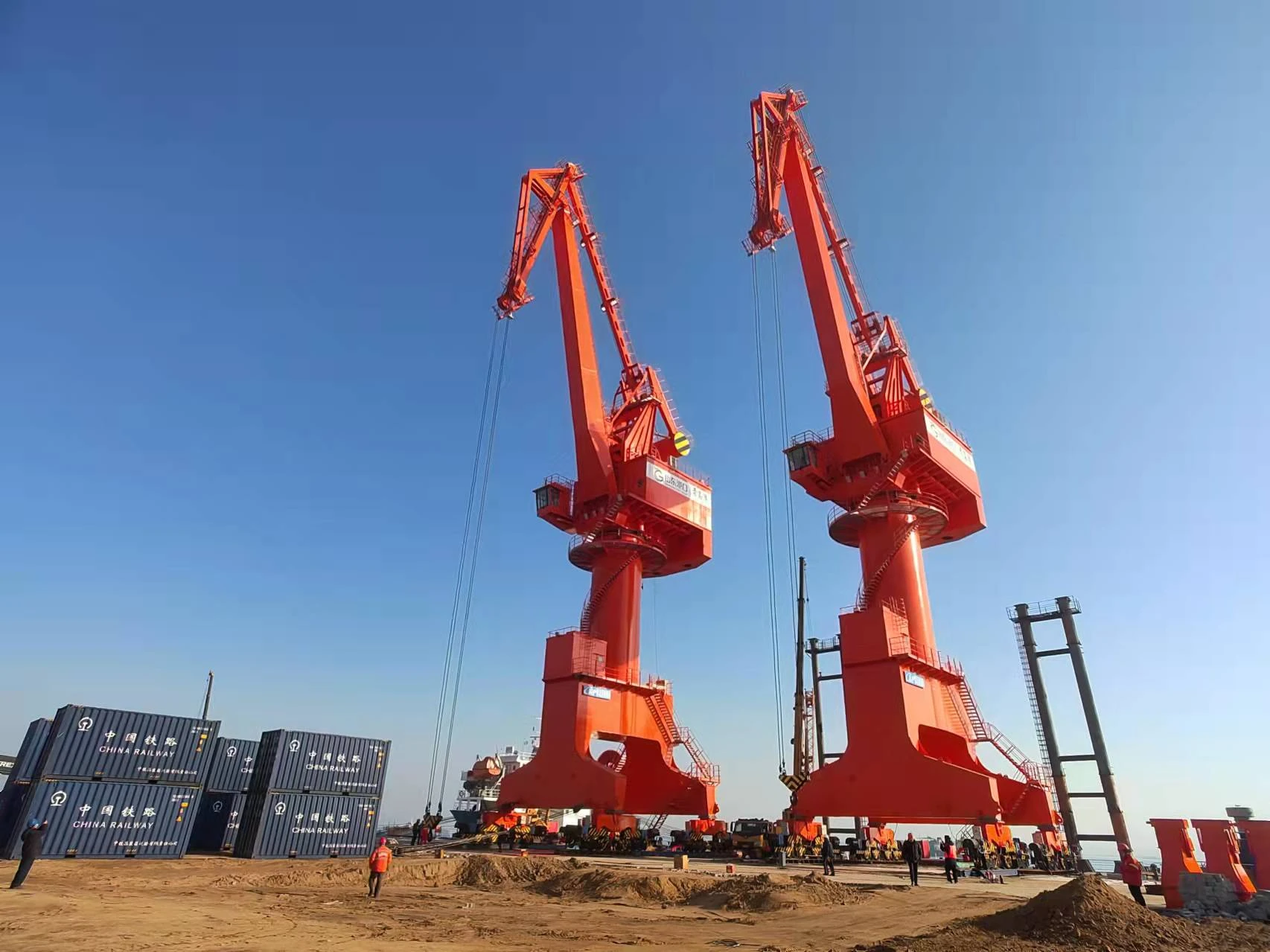
Reducing rehandles starts with smart planning. You can use different strategies to make your container yard work better. These strategies help your team, use technology, and train operators. Each one cuts down extra moves, saves time, and boosts throughput.
Yard planning and stacking optimization
You can plan where containers go before they arrive. Good yard planning stops unnecessary moves. Here are some ways to help:
-
Set areas for certain container types. This makes finding containers easier.
-
Group containers in special zones. This keeps your yard neat and simple.
-
Guess which containers need service before ships come. This helps you plan ahead.
-
Estimate how long containers will stay. Put short-stay containers near service spots.
-
Stack containers by when they leave. This stops you from moving other containers first.
APM Terminals' Pier 400 used a system with 48-hour warnings for toppling risks. This cut rehandles by 90%. Risk checks and good yard space management help a lot. Yard space management means planning storage and re-marshalling. These steps keep containers organized and cut extra moves.
Team coordination and communication
Your team is important for reducing rehandles. Better teamwork and talking help planning and stop mistakes. Real-time data keeps everyone updated on container locations and schedules. This stops bottlenecks and keeps things moving.
-
Share updates about truck arrivals and container status.
-
Hold briefings to set daily goals.
-
Use digital tools for real-time talks between crane operators, truck drivers, and yard planners.
When your team works together and shares info, you avoid errors and delays. Bad planning from poor teamwork slows cargo rotation and raises costs. Real-time talks make sure everyone knows their job.
Container handling automation and technology
You can use automation and new technology to make your terminal better. Automation helps schedule moves, track containers, and cut mistakes. Many automated terminal operators see big gains in productivity and savings.
-
One-third of operators say automation can boost productivity by up to 50%.
-
About 20% think automation could cut costs by more than half.
AI scheduling checks vessel and container details to make good stowage plans. Reinforcement learning tries different ways to cut rehandles and boost productivity. Digital replicas let you test stowage options before moving containers. This makes things more predictable and cuts disruptions.
CEGC gives technical solutions like anti-sway control and safety interlocks. These features help stop accidents and place containers safely. Safety chain logic and motion enable control check all safety rules before any move. This lowers rehandle risks and keeps operations safe.
Operator training for efficiency
Trained operators make fewer mistakes and handle containers better. Training with lashing rules cuts container damage by 30%. Less damage means fewer rehandles and smoother work.
-
Teach operators to use real-time data and scheduling tools.
-
Give hands-on training with new automation systems.
-
Focus on safety steps and best container handling practices.
When operators know the latest tech and follow good steps, your terminal runs better. CEGC supports operator-centered HMI systems with clear alarms, updates, and guided operation. This helps your team learn fast and work well.
Note: Customizing your container handling equipment can make things even better. You can change hook height, pick lifting types, and add wireless controls or safety upgrades. These changes help your equipment fit your needs and cut rehandles.
|
Customization Aspect |
Description |
Impact on Efficiency |
|---|---|---|
|
Hook Height |
Changes lifting height for precision. |
Makes container placement more accurate, cutting rehandles. |
|
Lifting Mechanisms |
Options like wire rope or electric chain hoists. |
Changes lifting speed and capacity, affecting rehandle rates. |
|
Additional Features |
Includes wireless controls and safety upgrades. |
Makes operations easier and safer, boosting efficiency. |
By using these strategies, you can cut rehandles, improve scheduling, and boost throughput in your terminal. Real-time data, automation, and teamwork all help make your container operations better. CEGC gives you the solutions and customization you need to reach these goals.
Tracking throughput improvements
Key performance indicators for container handler efficiency
You must measure the right numbers to know how your container operations are doing. Key performance indicators help you see progress and find problems. Use these KPIs to check how your container handler is working:
|
KPI Name |
Description |
|---|---|
|
Total moves divided by all time, including delays. |
|
|
Net moves per hour (NMPH) |
Total moves divided by crane working time, not counting big stoppages. |
|
Productive moves per hour (PMPH) |
Total moves divided by active moving time, not counting delays or rehandles. |
|
Crane availability (%) |
Shows the percent of scheduled time cranes are ready to work. |
|
Moves per vessel hour |
Measures how many moves happen per vessel hour, showing overall terminal operations performance. |
You can use real-time data to get these numbers. Real-time updates let you see changes quickly and make smarter choices. CEGC systems help with predictive maintenance and condition monitoring. These tools cut downtime and keep your container handling equipment ready. You can also lower energy costs and boost performance with energy optimization systems.
Monitoring rehandle rates and automation impact
You should watch rehandle rates to check if your strategies are working. Simulation models help you track container handling steps and find bottlenecks. You can use real-time data and updates to compare different scheduling models. This helps you change your terminal operations for better results.
Automation makes a big difference. Automated terminals often reach over 40 gross moves per hour. Manual terminals usually reach only 20–30. DNV says modern ship management apps let you manage vessels in a smarter and safer way. This boosts operational efficiency and container throughput. Predictive maintenance and AI-driven models can cut downtime by up to 35%. They also help with scheduling and resource planning. When you use automation and watch your KPIs, you see better performance and smoother container flow.
You can make container handler throughput better by cutting down rehandles. Using CEGC’s smart tools and plans helps your work be safer and faster. Real stories show that good planning and using machines make things quicker and save money.
|
Case Study |
Description |
Measurable Gains |
|---|---|---|
|
Wallace Investments Ltd |
Used planning tools together. |
Moved more cargo and made ships leave faster. |
|
European Retailer |
Used AI to help with logistics. |
Lowered logistics costs by one-third. |
Watch your KPIs and keep making things better. You will notice your terminal gets better over time.
FAQ
What is a rehandle in container handling?
A rehandle means you move a container more than once before it leaves the yard. You want to avoid rehandles to save time and money.
How can CEGC equipment help reduce rehandles?
CEGC gives you anti-sway control, safety interlocks, and smart planning tools. These features help you place containers right the first time.
Which KPI should you track to measure throughput?
-
Gross moves per hour (GMPH)
-
Net moves per hour (NMPH)
-
Rehandle rate
You can use these numbers to see how well your terminal works.


