
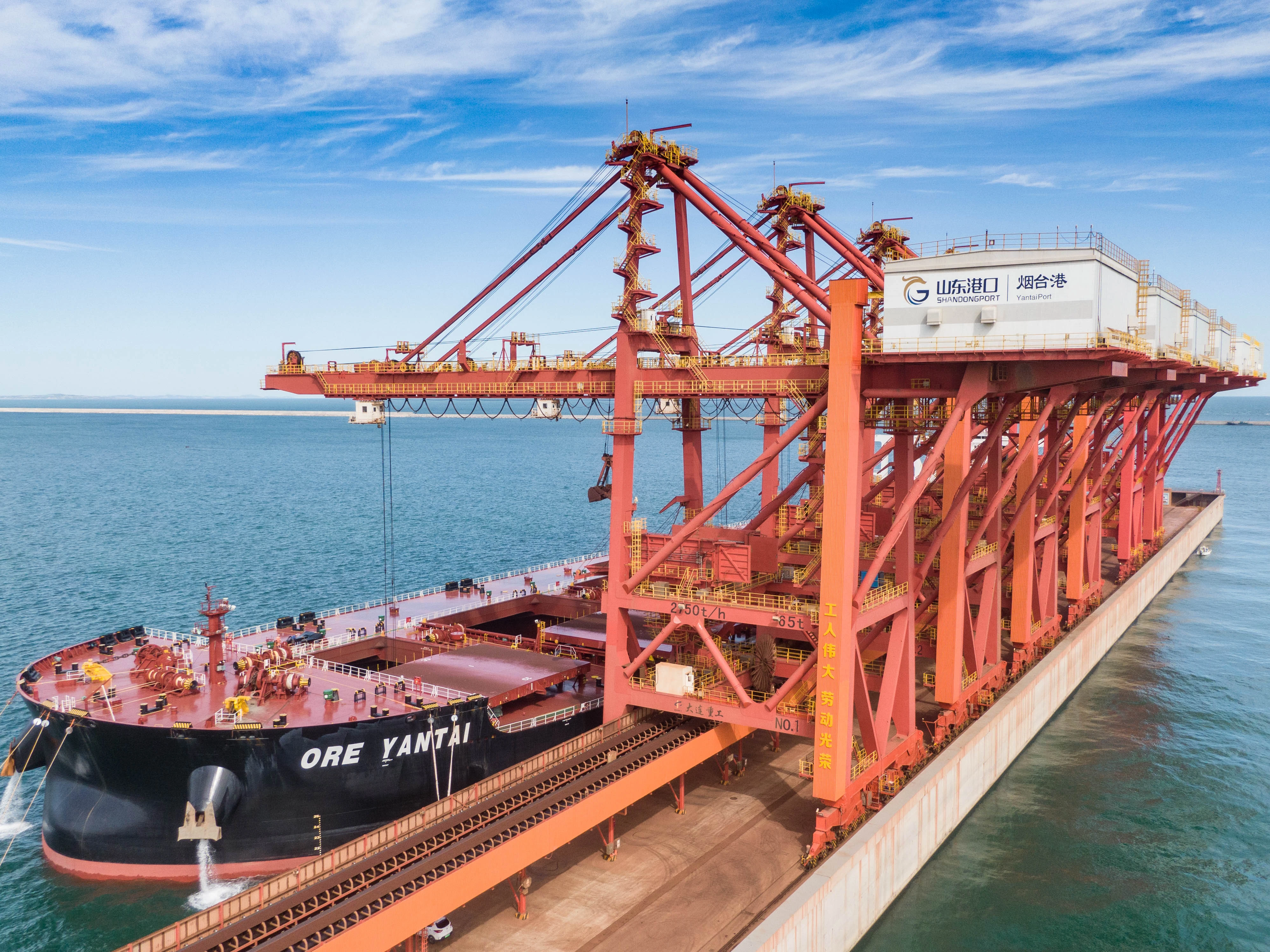
You deal with the container handling equipment: precision vs speed tradeoff every day. This tradeoff affects your safety, how well you work, and your costs when you handle containers. CEGC gives you technical solutions to help with these problems. Double-trolley cranes can move 36.2 containers each hour. This is a 16.8% increase compared to single-trolley cranes.
|
Crane Type |
Throughput (moves/hour) |
Improvement (%) |
|---|---|---|
|
Double-Trolley QC |
36.2 |
16.8 |
|
Single-Trolley QC |
31 |
N/A |
You have to choose between speed and precision every time you handle containers.
Key Takeaways
-
It is important to balance speed and precision in container handling. This helps keep people safe and work efficient. Use controlled speed to lower accident risks.
-
Use automation and anti-sway systems to make handling safer and faster. These tools help move containers quickly and with more accuracy.
-
Check and upgrade your equipment often to stop breakdowns and make it last longer. Predictive maintenance can cut costs and make equipment more reliable.
Why precision vs speed matters in container handling equipment
Safety risks and collision exposure
Every time you use container handling equipment, you face safety risks. Moving containers fast can make accidents more likely. If you do not control the equipment well, things can go wrong. Loads can sway when you move them too quickly. This makes it hard to place containers where they need to go. You might see more crashes or close calls. The risk gets worse if operators have different skills. Wind and sudden stops can also make loads move in dangerous ways.
CEGC’s anti-sway and safety control systems help lower these risks. These systems use special motion profiles and braking to keep sway down. You get more stable placement and better control. Multi-layer safety interlocks add extra protection. Overload protection and emergency stop logic are some examples. You can see alarms and updates on HMI screens. This helps you react fast when something goes wrong.
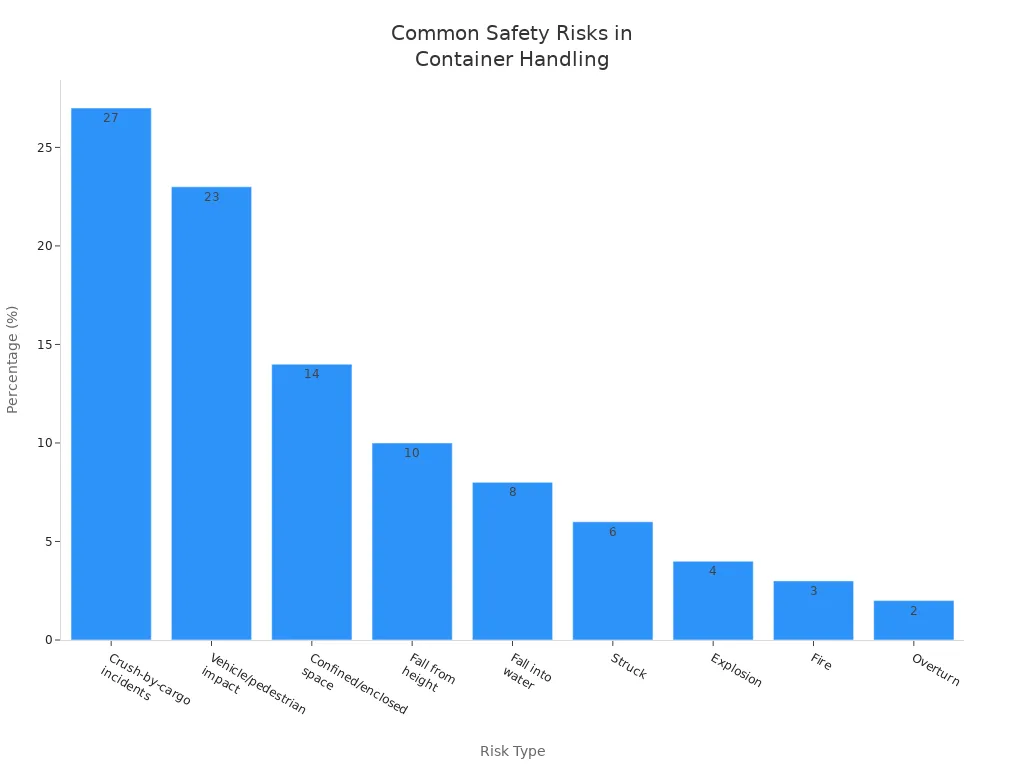
Here is a table showing the most common safety risks in high-speed container handling:
|
Risk Type |
Percentage |
Description |
Containment Measures |
|---|---|---|---|
|
Crush-by-cargo incidents |
27% |
Happens when containers or cargo trap people. |
Make sure no one is under loads, secure cargo, set up exclusion zones. |
|
Vehicle/pedestrian impact |
23% |
Deadly crashes between equipment and workers on foot. |
Separate walkways, control access, set speed limits. |
|
Confined/enclosed space |
14% |
Deaths from entering toxic or flammable spaces. |
Only allow entry with permits, test for gas, have trained staff present. |
|
Fall from height |
10% |
Workers fall from high places. |
Reduce work at height, use guardrails, require harnesses. |
|
Fall into water |
8% |
Workers die from falling into water. |
Secure edges, use guardrails, wear flotation devices. |
|
Struck |
6% |
Workers hit by moving equipment or loose tools. |
Set up exclusion zones, tie down tools, improve communication. |
|
Explosion |
4% |
Deadly events from dangerous cargo or equipment problems. |
Follow IMDG Code, inspect often, keep emergency plans ready. |
|
Fire |
3% |
Deaths from fires started by flammable materials. |
Use fire detection, store safely, train for firefighting. |
|
Overturn |
2% |
Equipment tips over and causes deaths. |
Maintain equipment, train operators, check ground conditions. |
When precision drops, collision exposure goes up. More container traffic and changes in ports cause more accidents. Many ports now have more workers with less experience. For example, in Genova, low-experience workers went from 28% to 74% in thirty years. This led to more injuries at work. Bad loading and unloading often damage containers and raise crash risks.
Impact on throughput and costs
You want to move containers fast to handle more each day. Speed helps you finish jobs quicker. But if you lose precision, costs can go up. Poor control leads to more damage, downtime, and repairs. You may need extra training or upgrades to meet market needs.
Automation helps balance speed and precision. With upgrades, you can improve service and control costs. Predictive maintenance and energy-saving systems cut downtime. These upgrades keep your equipment working well.
Here is a table showing the economic consequences of vessel delays caused by imbalanced speed and precision:
|
Economic Consequence |
Description |
|---|---|
|
Increased Charges |
Delays mean higher fees for shipping lines. |
|
Opportunity Costs |
Shipping lines lose money when shipments are late. |
|
Congestion Impact |
Delays cause port congestion and raise logistics costs. |
Delays also make it harder for road carriers to get paid. Scheduling container pickups becomes tough. Shipping lines must choose between using containers well and avoiding delays. If you do not control operations, congestion and costs go up.
Market demands affect what you focus on. Cargo owners want speed to save money on inventory. Shipping lines want precision to avoid delays. Supply chain partners want fast and efficient work. You need to find the right balance to keep throughput high.
Asset protection and reliability
Precision helps you protect assets and improve reliability. Tracking container use and conditions keeps assets safe. You can watch shock, temperature, and humidity to stop damage. This helps you follow rules and hygiene standards, which matters for healthcare and food.
Automation acts as a safety partner. It lowers human error and gives real-time monitoring. Automated systems spot problems early and control equipment to prevent accidents. You get better asset protection and fewer surprise repairs.
Container cranes and reach stackers show why precision matters. Telescopic booms help reach high stacks and speed up loading. Reach stackers move well in tight spaces, lowering accident risk. High lifting lets you handle loaded and empty containers easily. This boosts efficiency and keeps operations reliable.
You must follow regulatory standards. ISO and OSHA set rules for control and safety. TCVN 8855-2:2011 sets rules for steel wire ropes to lower lifting risks. These standards require precise control and safe speed.
If you only focus on speed, you may see more waste and higher costs. Poor control wastes resources and does not match real demand. Speed without precision causes more downtime and waste. You need upgrades and control systems to keep equipment reliable.
To balance precision and speed, try these strategies:
|
Strategy |
Description |
|---|---|
|
Robust Data Strategy |
Use data to make better decisions and work smarter. |
|
Terminal Operating System with Real-Time Visibility |
Watch operations live to spot problems early. |
|
User-Friendly Technology |
Pick tools that are easy to use to cut training and mistakes. |
|
Optimize Terminal Assets |
Use equipment and staff well to boost productivity. |
You can improve container handling with these strategies and upgrades. This helps you control costs, cut downtime, and keep throughput high.
Technical solutions to improve container handling and throughput
Anti-sway and safe lifting systems
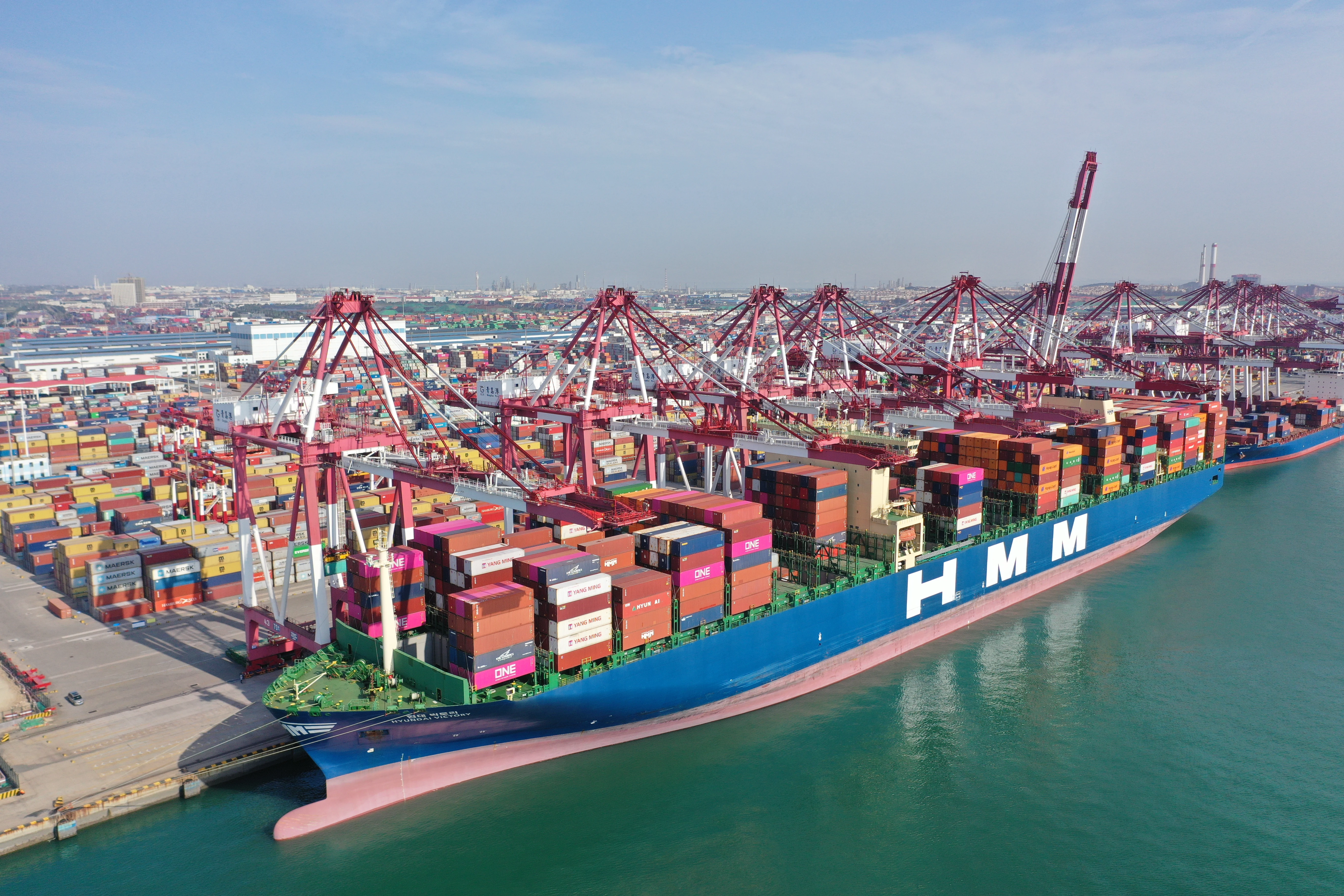
Moving containers fast can be hard. Loads might swing, and accidents can happen. Anti-sway and safe lifting systems help you stay safe. These systems use special motion controls and brakes to keep loads steady. You can move containers faster because you do not have to wait for them to stop swinging. This helps you put containers in the right spot and finish work sooner.
Here is how anti-sway and safe lifting systems help you balance speed and precision:
|
Benefit |
Description |
|---|---|
|
Safety |
Reduces the risk of collisions with containers, infrastructure, or personnel in busy terminals. |
|
Higher Speed |
Allows cranes to operate at increased speeds without compromising load stability. |
|
Increased Throughput |
Reduces idle time by eliminating the need to wait for containers to settle. |
|
Improved Precision |
Ensures accurate placement of containers, minimizing damage and enhancing operational efficiency. |
|
Integration with Automation |
Enhances precision for seamless operation with automated systems like AGVs. |
Anti-sway systems can make cranes work 20-30% better. Operators move loads faster and place them more accurately. This upgrade makes container handling safer and helps your team.
Safety interlocks are important too. They stop loads from dropping by mistake and keep the lifter from tipping too far. Good designs make operators less tired, so they make fewer mistakes. This means safer and more reliable work every day.
Motion coordination and workflow integration
Modern container handling needs everything to work together. Motion coordination technology helps all parts move at the same time. It lines up hoists, trolleys, and gantries. This cuts out extra moves and saves time.
You get real-time data sharing. Port community systems let everyone share information. Vessel planners decide where containers go and how to load them. Yard planners pick storage spots to cut down on moves. Equipment controllers use live data to give out jobs. This teamwork makes everything run smoother.
Edge AI and IoT tools handle data right away. Autonomous cranes and AGVs change their paths to avoid traffic. These systems help you work better during busy times.
With advanced motion coordination, you see real results:
-
Faster time-to-market from reduced commissioning times.
-
Higher throughput through synchronized systems.
-
Labor savings from less manual handling.
-
Enhanced safety with intelligent routing.
-
Scalability with modular platforms for business growth.
You also save time and work more evenly. Costs go down, and you get good results from the start.
Predictive maintenance and energy efficiency
You want your machines to work well and use less power. Predictive maintenance helps you do this. Sensors and smart tools watch your equipment. They find problems before things break. You can fix things early and avoid surprise stops.
Predictive maintenance gives you these benefits:
-
Minimizes unplanned downtime, which improves energy efficiency.
-
Optimizes maintenance schedules, reducing wear and tear.
-
Extends the life of your equipment, lowering lifecycle costs.
-
Identifies failures early, boosting operational efficiency.
Many ports have seen big improvements. For example, Midwest Steel cut surprise stops by 30% with predictive maintenance. They saved $850,000 each year and made their work more reliable. You can get these results too by upgrading your systems.
Energy-saving options, like special drives and smart standby modes, help you use less power. These upgrades make your container handling systems work better and cost less.
Customization and automation in container handling solutions
Every port is different. You might need faster lifting, more space, or better protection from rust. Customization lets you pick what fits your port best. CEGC offers custom options for all kinds of port machines, like portal cranes, container cranes, and reach stackers.
You can choose things like faster hoists, better positioning, and remote control. Anti-corrosion treatments protect your machines from sea air. Automated control systems let you watch cargo and plan paths in real time. These upgrades make container handling faster and cut down on delays.
Connecting your machines with terminal workflows is important too. Terminal Operating Systems (TOS) link your equipment with planning and tracking tools. You get better use of resources, less wasted time, and more teamwork. Customer portals let clients check cargo and schedules, so you do not need as many calls or emails.
Here is a table showing the benefits of integrating container handling solutions with terminal workflows:
|
Benefit |
Description |
|---|---|
|
Improved Resource Allocation |
More accurate ETA predictions and resource management. |
|
Enhanced Equipment Utilization |
Real-time status prevents idle time and shortages. |
|
Automated Coordination |
TOS automates deployment, improving efficiency. |
|
Increased Customer Access |
Clients track cargo and schedules directly. |
|
Reduced Communication Overhead |
Fewer calls and emails, streamlined interactions. |
|
Integrated Infrastructure |
Efficient data movement alongside container handling. |
You can upgrade old machines or buy new ones. Both ways help you handle containers better, work faster, and meet what the market wants. Customization and automation keep your port strong and dependable.
You have to find the right mix of precision and speed in container handling. This keeps your team safe, helps them work well, and saves money. The table below shows how this balance helps you:
|
Benefit |
Explanation |
|---|---|
|
Minimising Risk of Accidents |
Controlled speed gives workers more time to react and lowers the chance of crashes, making things safer. |
|
Protecting Valuable Goods |
Smooth driving stops goods from getting damaged, so quality stays high and costs stay low. |
|
Extending Equipment Lifespan |
Using equipment at a steady pace means it does not break down as much, so it lasts longer and costs less to fix. |
When you use CEGC’s technical solutions, you make container handling better and keep your things safe. You also spend less money and your equipment works well. To get the best results, try these steps:
-
Use digital tools to watch and manage containers as they move.
-
Make your systems better for early repairs and to save energy.
-
Check your technology and how you work often so you do not fall behind.
Checking your systems all the time helps you find problems early and keeps your container handling ready for what comes next. You can stay ahead and give the market what it needs.
FAQ
What is anti-sway technology in container handling equipment?
Anti-sway technology helps stop loads from swinging. It makes placing containers easier and safer. You can work better in busy ports.
How does automation improve container handling speed and precision?
Automation helps you move containers quickly and accurately. It lowers mistakes and keeps workers safe. Automated cranes and reach stackers boost throughput.
Can you customize container handling equipment for your port?
You can pick options for lifting speed, anti-corrosion, and automation. CEGC gives solutions that match your port’s needs and workflow.


