
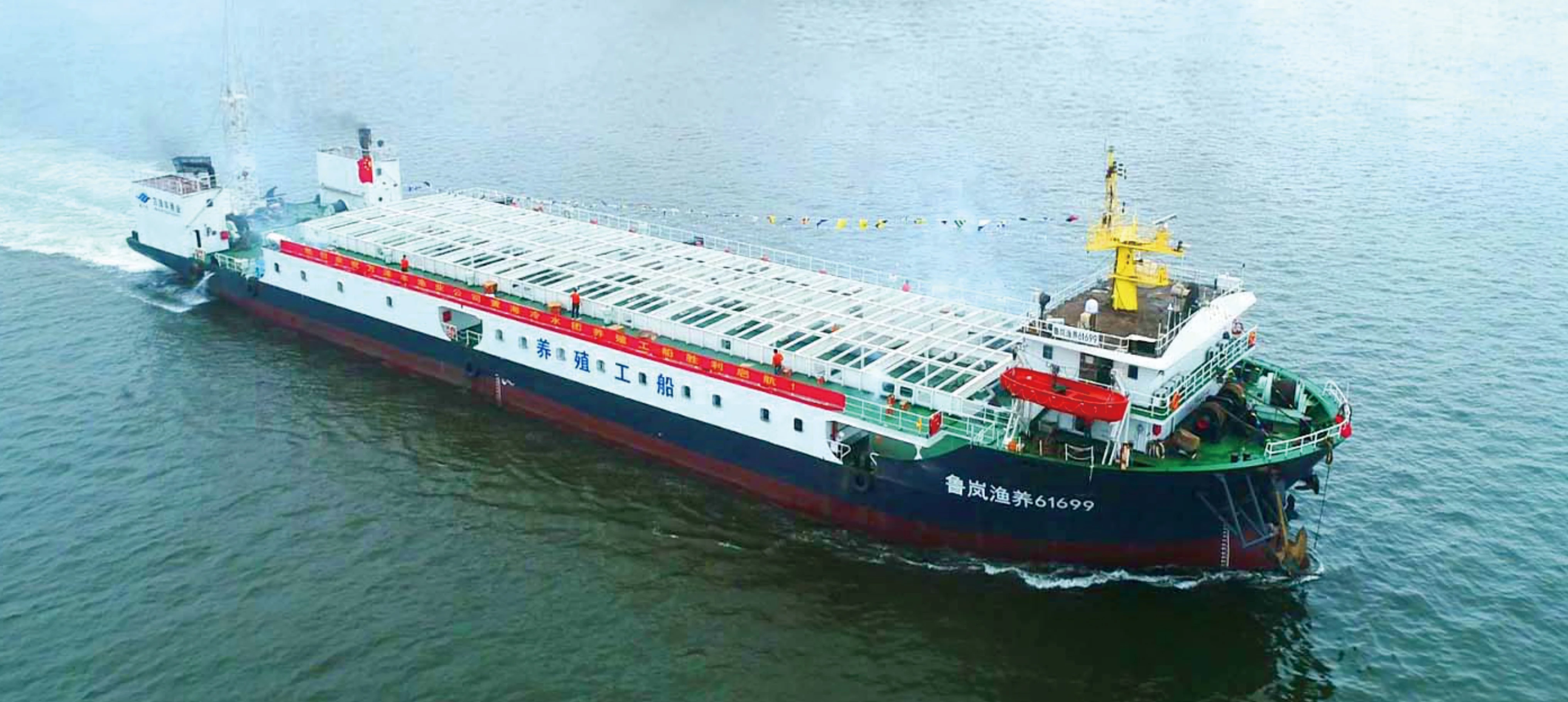
You see that new tracking technology is changing how you handle shipping containers. Real-time tracking helps you stay in control and keeps things safe. Tracking is getting more important because ports want to work faster. Container vessel tracking pairs well with remote monitoring in your daily work. The table below shows how much different places use it:
|
Region |
Market Share (%) |
Projected CAGR (%) |
Year |
|---|---|---|---|
|
North America |
N/A |
2024 |
|
|
Asia-Pacific |
N/A |
8.5% |
2024-2030 |
|
Port Authorities |
42% |
N/A |
2024 |
You keep data safe and private with CEGC solutions.
Key Takeaways
-
Watching vessels and containers in real time helps people have more control. It also makes shipping safer. - IoT gives important data about how containers are doing. This helps make moving goods better and keeps customers happy. - Using remote monitoring with port machines makes work faster. It also cuts down on waiting time and keeps everyone safer.
Container vessel tracking pairs well with remote monitoring
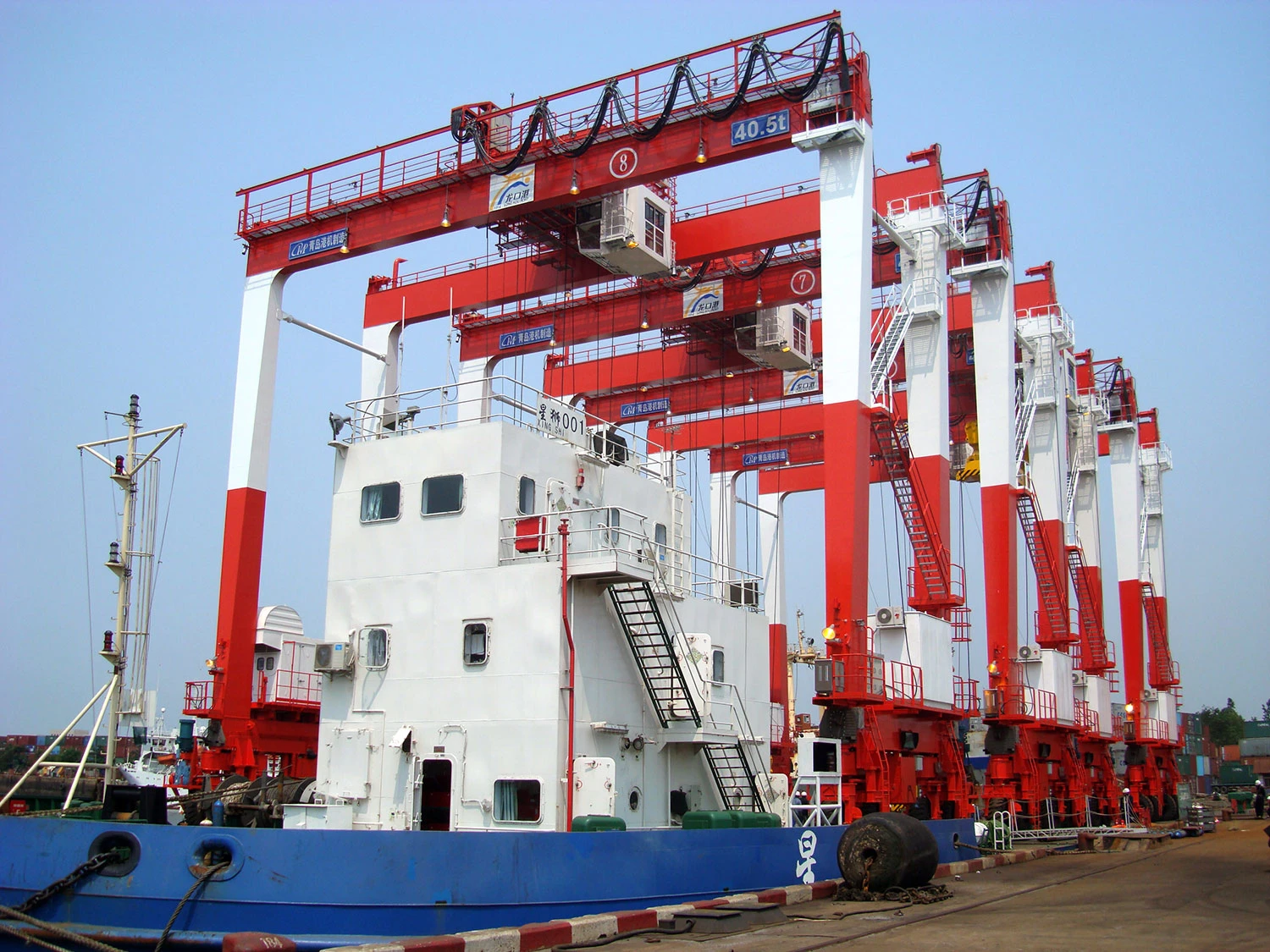
Shipping container tracking and IoT integration
You notice that shipping container tracking and IoT container tracking change how you run port operations. These tools work together to give you more control and let you see what is happening. You use GPS, AIS, and smart sensors to follow vessels and containers as they move in the supply chain. This teamwork helps you watch incoming vessels, so there is less crowding and waiting at the dock. You can guess delivery times better, which makes your logistics easier and more trustworthy.
IoT container tracking lets you get data from sensors inside containers. These sensors check temperature, humidity, and location. You get this information right away, so you can watch over fragile goods and keep cargo safe. You also use satellite-based tracking to follow vessels even when they are far from land and signals are weak. Using asset tracking and monitoring together gives you a full view of your operations.
-
You get these benefits:
-
Real-time tracking of vessels and containers
-
Better visibility across the supply chain
-
Easier moves from dock to warehouse
-
Happier customers because shipping container tracking is clear
-
You see that container vessel tracking works well with remote monitoring because it links every part of your logistics chain. You can act fast when things change, stop delays, and keep your assets safe.
Real-time visibility and data flow
You depend on real-time visibility to make good choices in your port. IoT container tracking and asset tracking tools give you quick updates about where each container is and its status. RFID tags, GPS, and AIS send data to your control center. You can see each container’s spot, speed, and when it will get there.
Note: Real-time visibility lets you find problems before they get worse. This way, you fix things early and keep your port running well.
You use this data to make your work better. You can plan your workers, machines, and yard space more easily. You also cut down on waiting and traffic jams, which helps you move more containers. Your customers like the openness because they can follow their shipments at every step.
-
Main benefits of real-time data flow:
-
Faster answers to surprises
-
Teams work together better
-
Fewer delays and lost containers
-
Better supply chain visibility
-
You see that container vessel tracking works well with remote monitoring because it gives you the facts you need to improve your logistics and asset tracking.
CEGC port machinery and remote monitoring
You use CEGC’s port machines, like portal cranes, container cranes, and container handlers, to move containers safely and quickly. These machines do better with remote monitoring and IoT container tracking. You can check how each crane and handler is working in real time. You watch load sway, cycle time, and machine status using smart sensors and data analytics.
You face problems in port operations, like load sway, safety risks, and slow cycle times. CEGC’s anti-sway and safe lifting control systems help you fix these issues. The technology cuts down on load swing, so you can place containers more easily. You also keep workers and equipment safe by using safety interlocks and emergency stop logic.
Here is how anti-sway systems help your work:
|
Benefit |
Description |
|---|---|
|
Personnel Injury Prevention |
The crane stops fast to keep loads away from workers. |
|
Load Swing Minimization |
Quick braking keeps load swing small and easy to handle. |
|
Structural Impact Prevention |
The crane slows or stops before hitting things, so nothing gets damaged. |
|
Machinery Damage Prevention |
Stops crashes with tools and equipment, keeping work safe. |
|
Intelligent Movement Control |
Automation makes crane moves smoother and easier for operators. |
|
Enhanced Operator Confidence |
Less stress helps operators focus on safe lifting. |
|
Consistent Performance |
Stabilizing logic changes for different loads to keep things safe. |
You also make your work better by using motion coordination and speed profiles that match the load and wind. These features help you pick the right speed and acceleration for each job. You use less energy and save money, which is good for your business and the environment.
-
With CEGC’s port machines and remote monitoring, you:
-
Get better operational efficiency
-
Cut downtime and maintenance costs
-
Make things safer and more reliable
-
See your asset tracking and logistics more clearly
-
You see that container vessel tracking works well with remote monitoring because it connects your machines, data, and people. You build a smarter, safer, and more efficient port.
IoT container tracking: technologies and benefits
Key technologies: sensors, GPS, AIS, and connectivity
You use smart tools to help with container tracking. Sensors inside containers check things like temperature and humidity. They also notice if the container gets bumped. GPS shows you where containers are in real time, even in other countries. RFID tags let you find containers fast when they are close by. IoT sensors send information to your control center, so you always know about your cargo. You need strong connections for tracking, so you use cellular, satellite, and local networks. This keeps data moving no matter where your containers go.
Enhanced visibility and operational efficiency
IoT container tracking lets you see every part of your cargo’s trip. Real-time tracking helps you find delays and fix them early. You can plan your workers and machines better. This stops traffic jams in the yard. Automated tracking systems cut down on mistakes and keep things running well. You get alerts if a container is late or if something changes. This helps you act quickly and tell your customers what is happening.
Predictive maintenance and safety improvements
IoT tracking helps you take care of port equipment. Sensors watch cranes and trucks and check things like temperature and shaking. They also check pressure. AI tools look for problems and warn you before something breaks. Predictive maintenance means you fix things early, so you save money and have less downtime. Real-time tracking also makes things safer. It sends alerts if something moves when it should not. This helps stop theft or loss.
Addressing challenges: data security and connectivity
You have some problems with data safety and network strength in tracking. People can make mistakes, and cyberattacks can hurt your tracking systems. To keep your data safe, you use secure networks. You also teach your team how to use tracking systems the right way. For connections, you use Bluetooth, LPWAN, cellular, and satellite solutions. This keeps your tracking working even in faraway places. Adding new tracking technology to old port systems may need extra work, but it helps you build a smarter and safer port.
You get real-time updates when you use container vessel tracking with remote monitoring and IoT. This helps you see where containers are, keeps things safe, and makes your work faster. CEGC’s port machines can be changed to fit your needs. They help your port run better.
|
Benefit Description |
Impact |
|---|---|
|
You do not need to search for containers by hand |
|
|
Automated berth scheduling |
Cranes are assigned automatically |
-
Predictive maintenance systems help stop machines from breaking.
-
Smart port automation makes containers move faster.
FAQ
How does container vessel tracking help your port operations?
You always know where each container is. This makes it easier to plan your work. You can stop delays before they happen. Your cargo stays safe.
What equipment from CEGC works with remote monitoring?
You use portal cranes, container cranes, and container handlers. These machines work with remote monitoring for better safety. They also help you do your job better.
Tip: You can talk to CEGC about custom solutions. They can help you find what works best for your port.
Is IoT container tracking secure?
You keep your data safe by using secure networks. You also update your systems often. This helps protect your tracking from cyber threats.


