
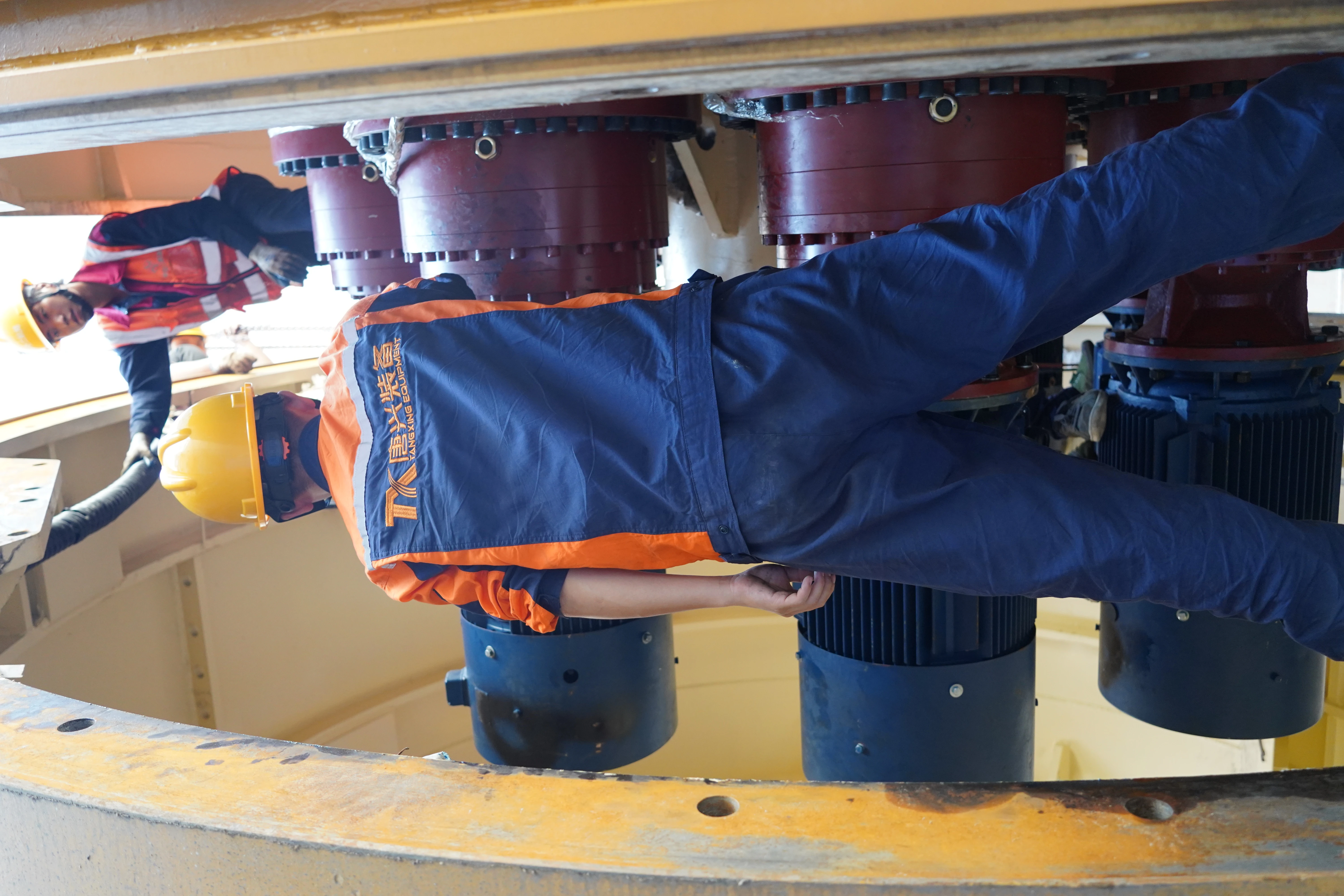
To ensure your tunnel machine operates efficiently, cooling alarms on a TBM machine should stop advance immediately. This critical safety feature protects your equipment and helps you avoid costly repairs. CEGC provides advanced TBM and Microtunnelling Machine systems designed with these safeguards in mind. By integrating cooling alarms that halt machine advance, CEGC helps prevent equipment failure, minimize project delays, and enhance worker safety. These systems also play a key role in reducing ground settlement, preventing cutterhead wear, and minimizing expensive downtime on your tunneling projects.
Key Takeaways
-
Cooling alarms on a TBM machine are very important for safety. They must stop the machine right away to stop overheating and expensive fixes.
-
Checking the cooling alarm system often can save time and money. Always make sure it works before you start your TBM machine.
-
Move fast when a cooling alarm goes off. Stopping the machine lets it cool down. This keeps the equipment and your team safe.
Cooling alarms on a TBM machine should stop advance: Safety and Performance
What Are Cooling Alarms in Tunnel Boring Machines
It is important to know what cooling alarms do in your tunnel boring machine. These alarms watch the temperature of important parts like the cutterhead drive, hydraulic systems, and main bearings. If the temperature gets too high, the system sends out an alert. This alert warns you that the machine might overheat.
CEGC builds its TBM and Microtunnelling Machine systems to meet top performance standards. You can also ask for changes to fit your project. Cooling alarms on a TBM machine should stop advance to keep the machine safe from harm. When you use a CEGC tunnel machine, you get sensors and controls that help you avoid big repairs and lost time.
Tip: Always make sure your cooling alarm system works before you start your TBM machine. This easy check can help you save time and money.
Why Stopping Advance Is Essential for TBM Safety
You need to stop your tunnel machine when a cooling alarm goes off. If you do not listen to the warning, the machine could get too hot. Too much heat can break the cutterhead, drive motors, and hydraulic pumps. Cooling alarms on a TBM machine should stop advance to stop these problems.
Stopping the machine lets it cool down. This keeps the tunnel face and ground above safe. CEGC’s closed-mode face support design helps keep the tunnel stable during stops. You can avoid ground settlement, face problems, and water leaks by following this rule.
-
You keep your TBM machine safe.
-
You lower the chance of accidents for your team.
-
You help your project finish on time.
Impact on Equipment, Project, and Personnel
Cooling alarms on a TBM machine should stop advance to protect more than just the machine. You also keep your project on track and your team safe. If you let the machine get too hot, you might have to pay for repairs and wait longer. Broken parts can cause surprise stops and cost more money for each meter.
CEGC’s wear management system and modular design make fixing things easier. You can check and change worn parts fast if you act when alarms go off. This keeps your tunnel machine working well and cuts down on lost time.
Note: Using cooling alarms the right way helps you follow strict settlement rules in city projects. You can avoid claims and stops from ground movement.
You also make the work site safer. Your team can trust the machine will not break without warning. You show you care about safety and quality by making sure cooling alarms on a TBM machine should stop advance every time.
Responding to Cooling Alarms: Procedures and Best Practices
Immediate Actions When a Cooling Alarm Occurs
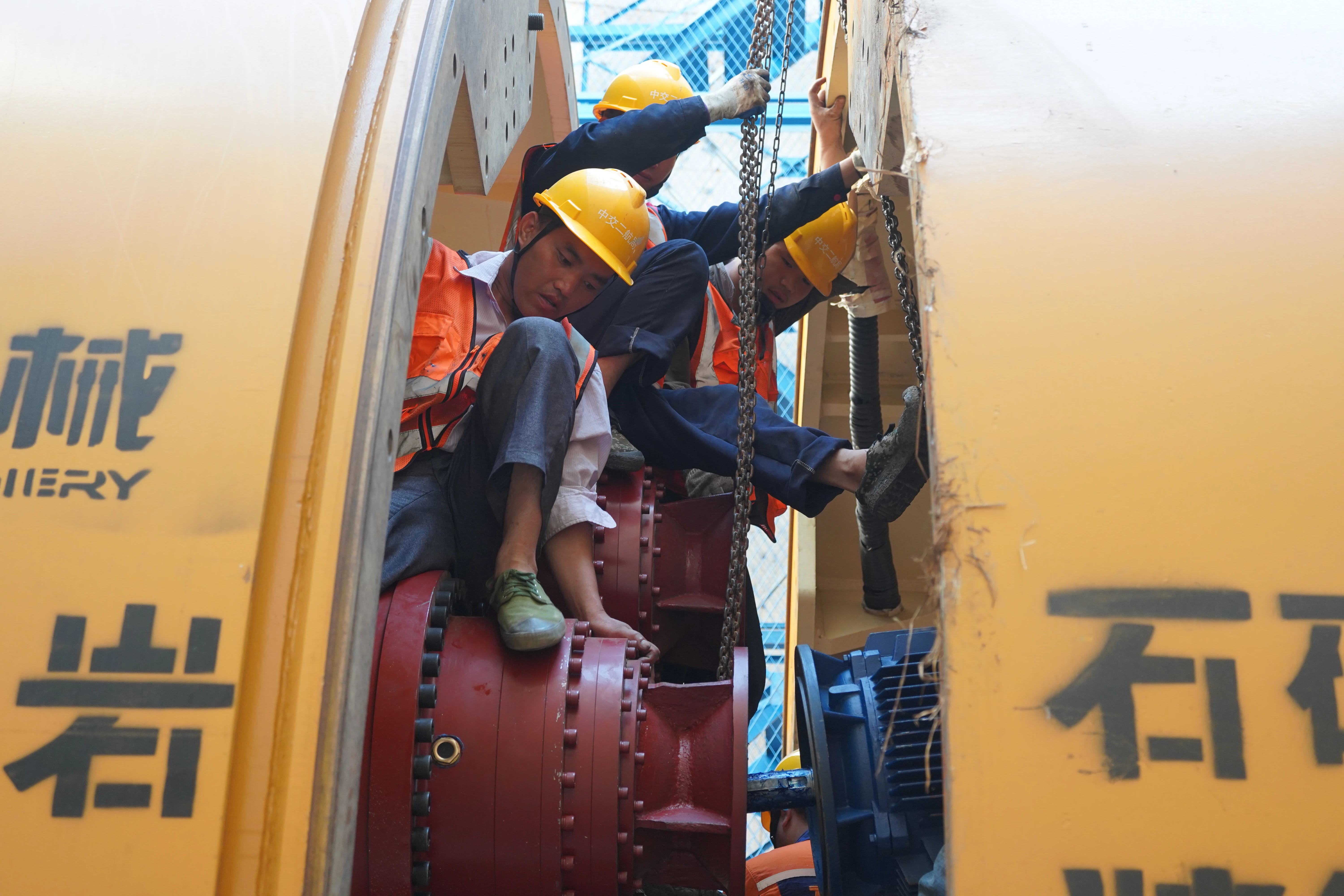
If you see a cooling alarm, act quickly. Cooling alarms on a TBM machine should stop advance right away. Stop the machine first. Check the control panel for temperature numbers. Look for signs of overheating in the cutterhead, main bearings, or hydraulic systems. Review the temperature data to find sudden changes. Mud cake buildup or ground changes often cause high temperatures. To check, follow these steps:
-
Look for mud cakes on the cutterhead.
-
Check thrust and torque settings.
-
Watch for strange readings or sudden spikes.
These steps help you find the problem and keep your tunnel machine safe.
Safety Protocols for TBM Operators and Contractors
You must follow strict safety steps when a cooling alarm sounds. Cooling alarms on a TBM machine should stop advance to protect people and equipment. Always wear safety gear before checking the machine. Make sure the power is off before you go in to inspect. Use CEGC’s modular design to reach parts safely and fast. Talk with your team so everyone knows what is happening.
Tip: Write down each incident and what you do. This record helps you spot patterns and make safety better.
Integrating Alarms with Maintenance and Training
Cooling alarm checks should be part of your regular maintenance plan. Train your team to notice warning signs and act fast. CEGC gives a project support package with training, diagnostics, and spare parts planning. Regular system checks help you find problems early. Following these best practices keeps your TBM machine working well and cuts downtime.
You have to stop the tunnel machine if a cooling alarm goes off. CEGC’s smart systems help keep your machine and team safe. If you ignore the alarms, you could break the machine and lose time.
Always use safety rules. Pick CEGC for a tunnel machine you can trust. Make sure you act fast when a cooling alarm sounds to keep your project safe and on track.
FAQ
What should you do when a cooling alarm sounds on your TBM machine?
You must stop the machine right away. Look at the control panel for heat numbers. Check the cutterhead and hydraulic systems for hot spots.
How does CEGC help you manage cooling alarms in tunnel machines?
-
CEGC gives you smart sensors and easy controls.
-
You get lessons and help from their team.
-
These tools help you act fast and keep your project safe.
Why is stopping advance important for tunnel machine safety?
You stop the machine from getting hurt. You keep your team out of danger. You save money and time by acting fast when alarms go off.


