
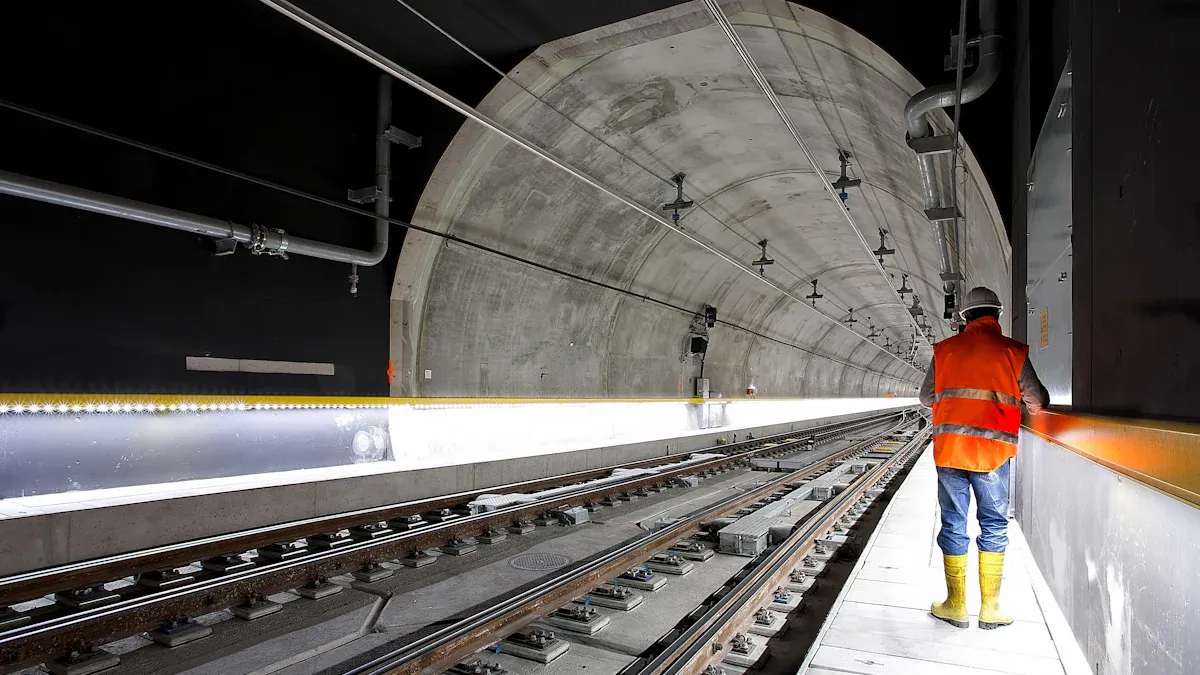
You need to work fast to finish your projects on time. Directional Boring Machine Fast Transit Never Waits. Tunnel boring machines can dig more than 700 meters each week. Directional boring machines usually drill at a slower speed. The right changes can help you get better results. CEGC gives you standard choices and special options for good, fast work.
|
Machine Type |
Average Speed (meters per week) |
|---|---|
|
Over 700 |
|
|
Directional Boring Machine |
Slower than Tunnel Boring Machine |
Key Takeaways
-
Pick the best boring machine for your job. The right machine works better with the ground. This makes drilling faster and easier.
-
Use smart guidance systems to keep the drill straight. These systems help you avoid errors. They also help you finish on time.
-
Check your tools and equipment often. Take care of them the right way. This stops delays and keeps drilling steady.
Directional Boring Machine Fast Transit and Speed Factors
Geological and Site Conditions
When you start a boring project, you face many problems. The ground under you decides how fast you can drill. Some soils let you go fast. Other soils make you slow down. The table below shows how the ground changes your drilling speed.
|
Geological Condition |
Effect on Drilling Speed |
|---|---|
|
Formation Hardness |
Softer formations (sand, clay) allow faster drilling (5-15 m/h), while hard rock reduces speed (0.5-2 m/h). |
|
Formation Stability |
Unstable formations may collapse, requiring slower drilling to prevent issues, while stable formations allow faster speeds. |
|
Groundwater Level |
High groundwater levels soften formations, reducing speed and increasing collapse risk; low levels allow faster drilling. |
Soil type is important too. You might find sticky clay or loose sand. Wet clay can make your job harder. You need the right tools for each kind of soil. For example:
-
Clay needs tools that mix well.
-
Rock needs strong cutting teeth.
-
Wet soil can cause equipment problems.
You must change your plan for tricky ground. If you do, you keep your drilling speed high. Directional boring machine fast transit never waits for easy jobs. You must get ready for every kind of soil.
Equipment Specs and Drilling Speed
Your machine’s design controls how fast you work. The right specs help you finish faster. The table below shows what matters most for drilling speed.
|
Equipment Specification |
Impact on Drilling Speed |
|---|---|
|
Rig Type |
Sensitivity to performance, with RSS showing significant improvements over PDM |
|
Bit ROP |
Higher with RSS due to elimination of sliding intervals |
|
Inclination |
Affects the relationship between Bit ROP and Average ROP, with lower inclinations showing higher sensitivity |
|
Rotary Speed |
Increased in PDM can lead to higher ROP in some cases |
You want a Trenchless Drilling Rig that fits your project. CEGC has horizontal directional drilling machines with standard specs. You can also get custom options. These machines help you keep drilling speed high, even in tough ground.
High-speed boring needs machines with strong frames and smart controls. You want high-speed spindles, balanced bearings, and good systems. These features keep your machine steady and accurate. Smart controls help you guide tools and make quick changes. This keeps your speed up and your work correct.
Tooling fit is important too. If your tools fit well, you avoid delays. You stop tool damage and keep your directional boring machine fast transit never waits. CEGC’s machines work with many tool types. You can switch tools fast and keep going.
Operator Skill and Process Control
You control how well the job goes. Skilled operators make a big difference. You must watch for bore mistakes, stuck pipe, and tool damage. These problems slow you down. You need good process control to keep your drilling speed high.
Precision guidance systems help you stay on track. These systems use smart tech to guide the drill. They make quick changes to keep the bore straight. You avoid mistakes and finish faster. Directional boring machine fast transit never waits for errors.
-
Precision guidance cuts human mistakes.
-
It makes fast changes for better drilling.
Closed-loop guidance systems have helped since the 1980s. They make boreholes better, even in hard ground. Anti-deflection features cut down on bore mistakes. You get better control and higher speed.
You must also manage your tools and fluids. Good hole cleaning stops stuck pipe. The right mud keeps the bore safe. You avoid downtime and keep your directional boring machine fast transit never waits.
You can trust CEGC’s horizontal directional drilling machine for steady speed. With the right skills and tools, you finish your project on time.
Overcoming Obstacles in Tunnel and Directional Boring Machines
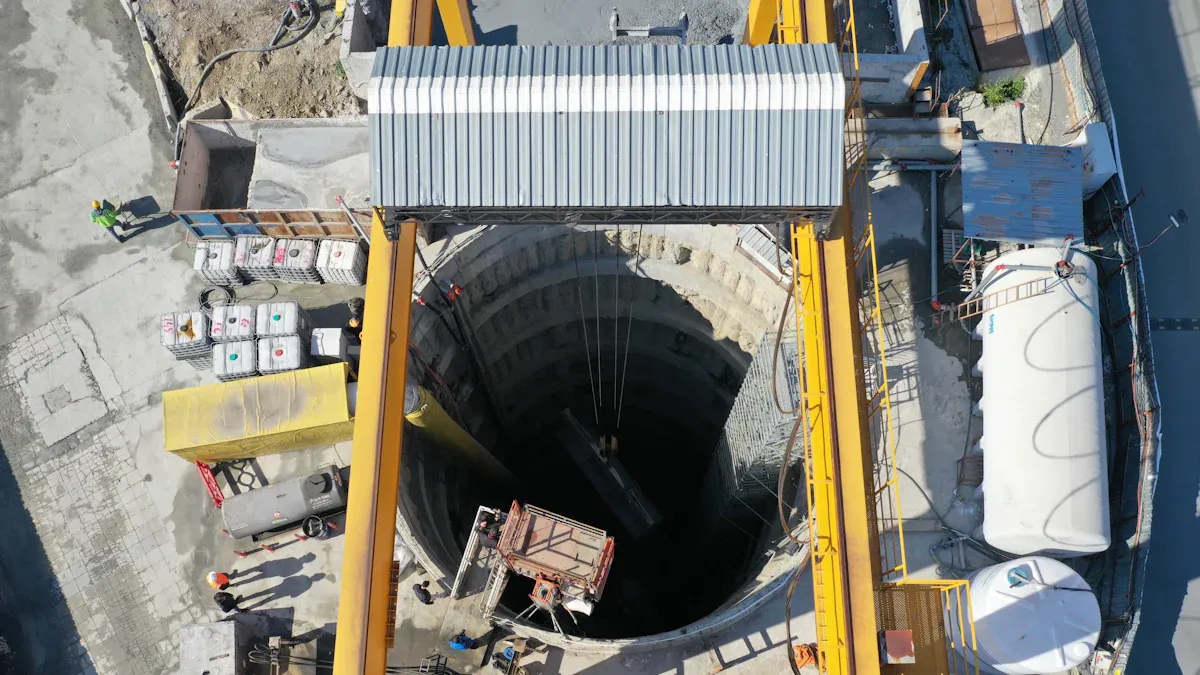
Common Slowdown Causes in Tunnel Boring Machines
Tunnel boring machines can sometimes move slowly. Many things can make them slow down. Some main reasons are problems with underground shafts, teamwork issues, and hard ground. The table below lists these causes and tells how they affect your work.
|
Cause of Slowdown |
Explanation |
|---|---|
|
Unavailability of underground shafts |
The shafts needed for retrieving the TBMs are not ready, leading to slower operations. |
|
Coordination issues between contractors |
Delays in communication and collaboration between different contractors can hinder progress. |
|
Geological challenges |
Difficult geological conditions can slow down the tunneling process significantly. |
You might see slow tunnel boring machines when torque and thrust change a lot. These changes can mean jamming or other machine problems. The table below shows some signs you should watch for during tunnel jobs.
|
Indicator |
Description |
|---|---|
|
Torque Fluctuations |
Significant fluctuations in torque are observed near jamming sections, indicating potential issues. |
|
Thrust Variations |
High thrust fluctuations are noted, serving as indicators of challenges like jamming. |
|
PRnet Trends |
A drop in PRnet values below the mean is a strong indicator of impending jamming events. |
Slow tunnel boring machines can make your project late and cost more money. You need to spot these warning signs early to keep your tunnel job on track.
Solutions for Consistent Drilling Speed
You can fix slow speed by using the right tools and features. CEGC has special features that help you keep your machine working well, even in tough spots. Anti-stall powertrains and overload protection systems keep your machine safe. These features stop drill rod damage and lower the chance of jamming.
A good mud system helps keep the tunnel face strong. Mud balance systems move cuttings away and stop the tunnel from falling in. Measuring fluids the right way keeps your tunnel safe, especially in cities where the ground can move.
Strong tools are important for steady work. When you use tough tools, you do not have to stop often. This means your tunnel boring machines can keep working without long breaks.
"This use case shows how precision boring and digital tools can turn city tunneling into a process with no stops — even in busy places."
You can also use ultra-slow speed control. This feature gives you better control over power and thrust. It helps you avoid stalls and keeps your drilling settings just right. Your tools last longer and your work gets better.
Here are some steps to keep your drilling speed high:
-
Pick the right drill bit for the ground.
-
Check and change worn bits often.
-
Change drilling settings to match the ground.
-
Make mud better by changing the formula if needed.
-
Take care of your equipment often.
-
Use smart guidance systems to watch your drilling path.
Good planning and drilling habits help you avoid stuck pipe. You should pick the right drilling fluid and watch the wellbore. Tools like downhole sensors and drilling jars can help you stop problems before they start.
"We see a change from using force to using smart boring — where sensors, automation, and green design lead the way." — R&D Lead, TBM Maker in Japan
Best Practices for Fast Transit
You can get fast transit in your tunnel jobs by following good steps. Start by picking a tunnel boring machine that matches your ground. Careful planning of tunnel size and path helps you avoid delays.
-
Pick a tunnel boring machine that fits the ground.
-
Plan tunnel size and path with care.
-
Use real-time monitoring and predictive maintenance to work better.
You should also focus on guidance. Smart guidance systems help you keep your drilling path right. These systems let you make quick changes and avoid big mistakes.
Regular care and good mud use keep your machine in good shape. When you use strong tool packages, your tools last longer and you have less downtime.
"Smart modeling cuts cutterhead wear by 20% by making better boring paths, saving a lot of money."
By following these steps, you keep your tunnel boring machines moving at the right speed. You avoid the problems that slow down other jobs. With the right guidance and tools, you finish your tunnel work faster and better.
You can make metro projects go faster with the right horizontal directional machine. Metro rail jobs need boring that is quick and works well. Metro tunnels finish on time when you use better tools. CEGC’s horizontal directional machine helps you finish metro and metro rail work fast. Check out CEGC for your next metro project.
FAQ
What makes drilling faster in tough tunneling projects?
You pick the best drilling machine and tools. You change the settings to match the ground. You use guidance systems to help you drill. These steps make tunneling and drilling go faster.
Tip: Always look at your drilling equipment before you start. This helps you stop delays.
How do you avoid stuck pipe during drilling?
You watch your drilling speed. You use the right mud for the job. You clean the hole many times. You pick the best tools for drilling. These steps keep tunneling safe.
-
Use sensors when you drill.
-
Change the mud formula for each job.
-
Check your tools after every drilling session.
Can you use horizontal directional drilling for tunneling under roads?
You can use horizontal directional drilling to tunnel under roads. You plan the path for drilling. You pick strong tools for the job. You watch the drilling to keep it safe.
|
Step |
Action for Safe Drilling and Tunneling |
|---|---|
|
Plan |
Draw the path for drilling |
|
Select Tools |
Pick tools for tunneling |
|
Monitor |
Watch how drilling is going |


