
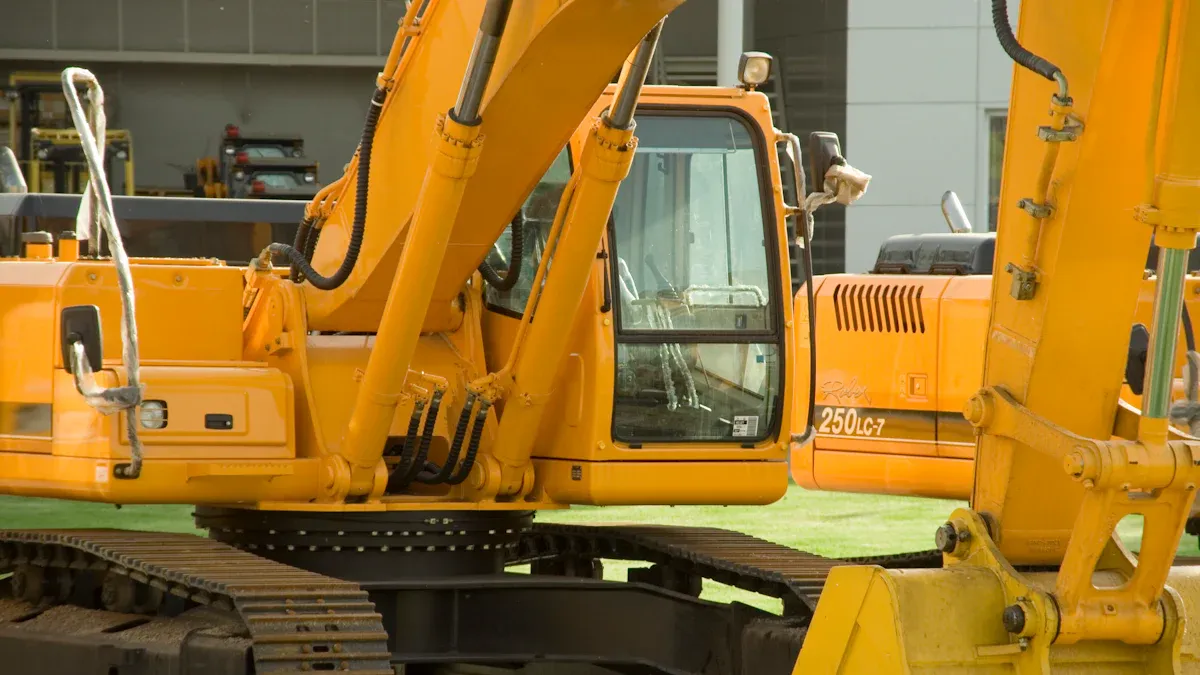
You can use less fuel and work better with the new CEGC horizontal directional drilling machine. Directional Drill Machine Adaptive Output Saves Fuel by using smart technology. This technology gives the right power for each job as you work. You use less energy and help the environment on every project.
Key Takeaways
-
Adaptive output technology in directional drilling machines helps save fuel. It changes power based on what is needed at the moment. This means less energy is wasted and costs go down.
-
The system uses sensors and AI to make drilling more accurate and efficient. This causes fewer problems and makes work smoother. It is good for the environment and saves you money.
-
Using adaptive output can make projects safer and easier to plan. You can set your drilling machine to match what your project needs. This helps the machine work better.
Directional Drilling Technology Overview
What Is Directional Drilling?
Directional drilling helps you reach targets that are not straight down. This method lets you drill along curved paths. You can go around things like roads, rivers, or buildings. Directional drilling is good for trenchless projects. It causes less damage to the surface than old methods. Many industries use this technology. Mining, oil and gas, and infrastructure all use it. You can put in pipelines and cables without digging up big areas.
Here is a table showing the global market share for directional drilling technology:
|
Region |
Market Share (%) |
|---|---|
|
North America |
31% |
|
Europe |
20% |
|
Asia-Pacific |
39% |
|
Rest of the World |
10% |
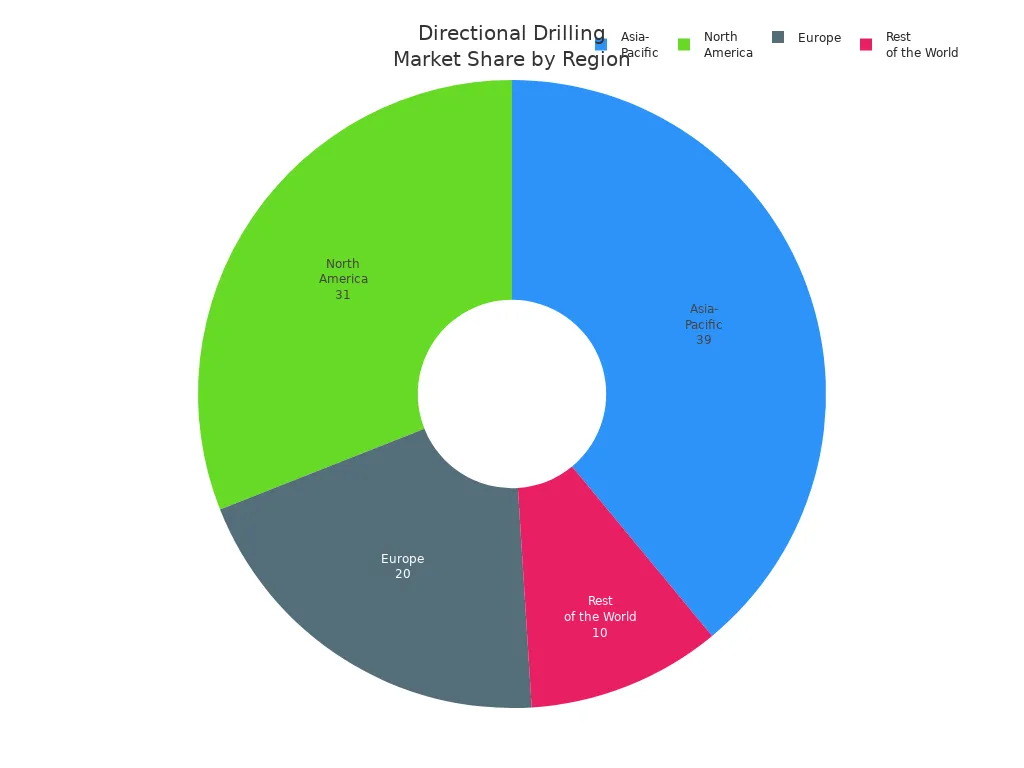
The market for horizontal directional drilling is growing quickly. It may reach over 25 billion dollars by 2034.
Adaptive Output Technology Explained
Adaptive output technology helps you save fuel and work better. This system uses sensors and real-time checks to match power to the job. Sensors collect data about torque, vibration, temperature, and pressure. Telemetry sends this data to the control system. The system uses artificial intelligence to study the information. It changes drilling settings like weight-on-bit and RPM. You get more accuracy and fewer problems. CEGC’s horizontal directional drilling machine uses this technology to help you work smarter.
Key Components and AI Integration
An adaptive output system has several important parts. Sensors are very important. They measure torque, vibration, temperature, and pressure. Telemetry systems send this data to the surface right away. Monitoring tools let you see what happens inside the drill rig. AI modules and machine learning software look at the data. They make fast choices to keep drilling safe and efficient. Rotary steerable systems help you control the direction with high accuracy. Digital twins let you test and fix things before you drill.
Here is a table of key hardware and software components:
|
Component Type |
Description |
|---|---|
|
AI Modules |
Used for various drilling operations to enhance decision-making and efficiency. |
|
Rotary Steerable Systems |
Allow for precise control of the drill's direction, improving accuracy in drilling operations. |
|
Digital Twins |
Enable simulation and troubleshooting, providing predictive insights for engineers. |
|
Machine Learning |
Algorithms that optimize drilling parameters in real-time based on formation responses. |
With these tools, you can use monitoring and telemetry to keep your directional drilling projects on track and meet your goals.
Directional Drill Machine Adaptive Output Saves Fuel
Real-Time Power Adjustment
You can control how much power your directional drilling machine uses. Adaptive output technology helps you do this. Sensors and AI check the load as you drill. They adjust the power right away. You get just the right force for each step. The system matches thrust, pullback, and rotation to the ground. This stops energy waste and lowers fuel use. CEGC’s horizontal directional drilling machine uses load-matched control. You see fewer torque spikes and less vibration. The anti-stall powertrain keeps your drill moving in hard spots. Overload protection stops damage before it starts. Your project stays safe and steady.
Mechanisms for Fuel Savings
Directional drill machine adaptive output saves fuel with smart controls. The system knows when you need more power or less. You do not run the engine at full speed all the time. You only use what is needed. This cuts fuel use and saves money. You help the environment by lowering emissions. CEGC’s precision guidance and stability system keeps your bore on track. You do not have to redo work, so you save fuel and time. Smoother torque delivery and less tool wear give you better performance. Hydraulic load sensing and pressure management help you drill longer with less downtime.
Here is a table showing how adaptive output technology helps you save fuel:
|
Feature |
How It Saves Fuel |
|---|---|
|
Load-matched control |
Uses only needed power |
|
Anti-stall powertrain |
Prevents wasted energy from stuck pipe |
|
Overload protection |
Reduces shock loads and engine strain |
|
Precision guidance |
Avoids rework and extra drilling |
You can see real results from field data. H&P, a big drilling contractor, used adaptive output technology in the Eagle Ford shale. They cut diesel use by about 65% over nine months. Sometimes, they reached 75% diesel savings. They saved over 94,500 gallons of diesel on one rig with 4,500 engine hours. Using natural gas, like field gas or compressed natural gas, helped them save even more money.
Operational Benefits for Contractors
Directional drill machine adaptive output saves fuel and gives you many benefits. You get better efficiency. Your results stay steady and predictable. You follow standard steps with less risk. Safety is better for your team and equipment. CEGC’s horizontal directional drilling machine has market-standard specs and project-based customization. You pick the right torque, thrust, and rod system for your job. You get tracking-system ready integration and optional data logging. You work smarter and finish projects faster.
Tip: You can spend less on tools and parts by using the right tooling compatibility and durability package. Smoother torque delivery means less chatter and longer tool life.
You see gains in every project. You spend less on fuel and maintenance. You help the environment by lowering emissions. Directional drilling with adaptive output technology gives you a clear advantage.
Implementation and Future Trends
Supporting Technologies
You can make your drill rig work better with extra technology. Sensors watch torque, vibration, and pressure as you drill. Analytics software helps you find patterns and spot problems early. Mud management systems keep drilling fluid moving right. These tools help you control the drill and stay safe. When you use them together, you get better data and smoother drilling. You can decide fast and stop mistakes that cost money.
Adoption Challenges
You might have some problems when you start using adaptive output. These problems fit into three main groups:
|
Challenge Category |
|
|---|---|
|
Technical Infrastructure |
Robust data management systems, high-bandwidth communication networks, integration platforms, cybersecurity frameworks |
|
Human Capital Development |
Training programs, data analysis capabilities, change management processes, collaboration skills |
|
Strategic Investment |
Capital allocation, partnership development, risk management, long-term vision for digital transformation |
Here are some ways to solve these problems:
-
Begin with small steps to add automation and give your team time to learn.
-
Use engineering-while-drilling math to check wellbore pressure.
-
Set safe limits for your tools using real-time data.
-
Switch to automated controls after your crew feels ready.
Future of Fuel-Efficient Drilling
You will see more fuel-saving and green technology soon. The industry is using new materials, AI, and machine learning to work better and pollute less. Companies are making electric and hybrid rigs to help the planet. Artificial intelligence will help by picking the best drilling settings. This means less waiting and faster drilling. You will save fuel, time, and resources as AI changes settings right away. The future of directional drilling will be even smarter with these new ideas.
You save fuel and work better with adaptive output. This helps your horizontal directional drilling machine use less energy. You also help the environment by making less pollution. CEGC lets you save money and pick what you need for each project. You will notice less stress on your machine and better results:
|
Metric |
Adaptive Output |
Traditional |
Improvement |
|---|---|---|---|
|
0.27 times |
Baseline |
Significant reduction |
|
|
Over-Under Break |
-50% |
Baseline |
Less disturbance |
-
AI will make trenchless drilling safer. It will help with planning and watching the work as it happens.
FAQ
How does adaptive output improve fuel efficiency?
The system gives the right amount of power for your drilling. This helps you use less fuel and not waste energy. Your project keeps going without problems.
Can I monitor performance in real time?
You can watch how the machine works as you drill. Sensors send data right away. You get updates fast and can make choices quickly.
Is CEGC’s horizontal directional drilling machine customizable?
You can pick the torque, thrust, and rod system you want. CEGC lets you change the machine to fit your project.


