
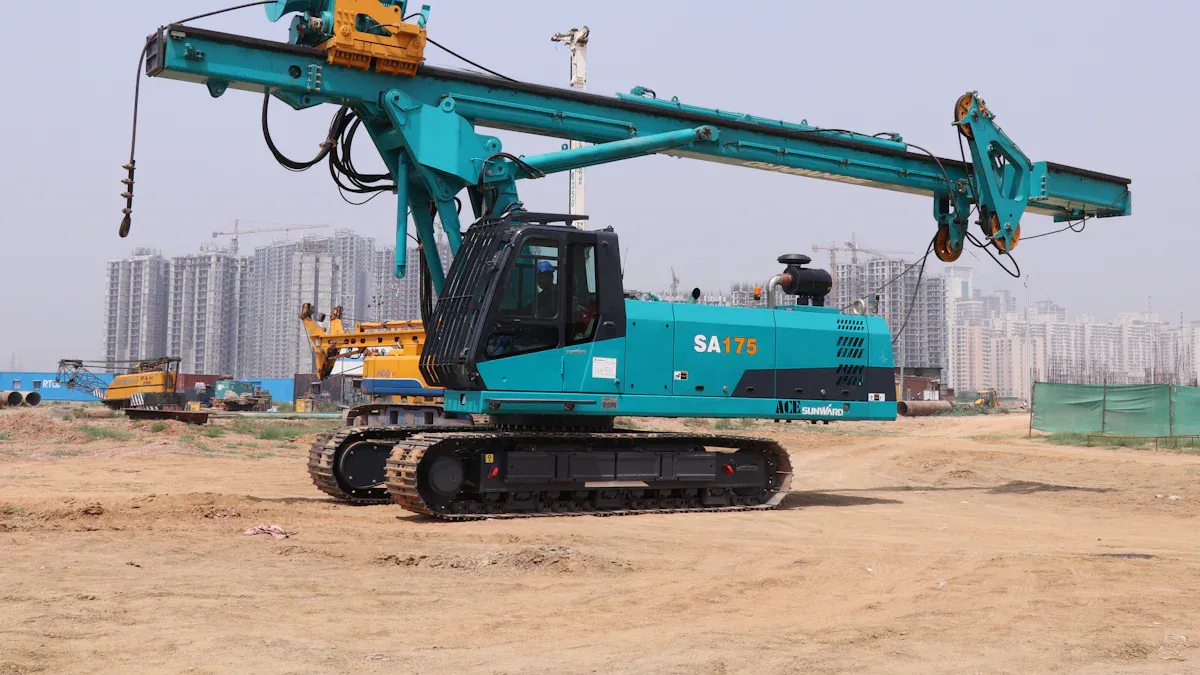
Directional drilling projects often encounter significant challenges. Machine jams and other issues can severely impede progress and escalate costs. To prevent your directional drill machine from getting stuck, proactive planning is essential. This blog offers valuable insights to help you avoid jams and resolve common drilling problems, making the process smoother. CEGC provides solutions to ensure a Directional Drill Machine Jam Free System Stops Issues.
Key Takeaways
-
Good planning and the right tools stop drilling problems. This includes checking the ground and using strong equipment.
-
Proper drilling mud and skilled workers are important. They help keep the drill working smoothly and prevent it from getting stuck.
-
Advanced systems, like CEGC's, help avoid jams. They use smart power and fluid control to make drilling easier.
Understanding Core Issues: Preventing Pipe Sticking and Operational Failures
You face many challenges in directional drilling. Knowing why common problems happen helps. It helps you avoid costly delays. These issues cause rework. They lead to expensive recovery. They also lower daily output. A directional drill machine jam free system stops issues before they start.
Ground Conditions and Borehole Instability
The ground you drill affects your work. Different soil types cause problems. For example, loose sand and gravel-sand can cause borehole instability. These conditions make a stable borehole hard to keep.
Soft soils are like dirt. Sandy loam is also soft. They are usually stable. Tools do not stick in them. These conditions are good for directional drilling.
But other soils are harder. High clay makes soil sticky. This sticky soil is hard to remove. It increases torque. It raises the risk of bit balling. This is a type of pipe sticking. Clay and reactive soils cause sticking. This means a higher risk for pipe sticking. This happens during your work. Hard or mixed ground also lowers your daily output. You need to change your drilling techniques. Do this for these different conditions.
Tooling Mismatch and Wear
Picking the right tools is key. Using wrong tools causes problems. Worn-out parts also cause issues. Fast reamer and cutter wear costs more. It costs more per meter. Wrong tools can cause bad hole cleaning. They can cause under-gauge bores. This raises the risk of pipe sticking. This happens during pullback.
Bits and blades wear fast. This happens in sandy soil. It also happens in loose soil. Reamers need strong wear protection. This is true in sandy conditions. When drilling in abrasive shale, use hard soil bits. They need carbide teeth. The reamer's cutting action is important. Sandstone is abrasive. Bits, blades, and reamers need carbide. They need hardfacing protection. This is for this material. This makes them last. It stops early failures.
Operator Error and Planning Gaps
Your operator's skill helps projects succeed. Mistakes can cause serious failures. Bad care of drill pipe threads causes damage. Bad use or inspection also causes damage. Wrong rig alignment causes drill pipe issues. Over-torque also causes them.
Over-torque happens often. It happens when the drill pipe is undertorqued. This is before going downhole. This causes continued tightening. It can cause over-tightening. You control this action. Do this by tightening properly. Tighten to set levels. A twist-off is a serious drill pipe failures. The drill string breaks. This can happen if you over-tighten. This is the drill string. Equipment failures can be less. This is like stuck drill stems. Proper operator training helps. Lack of training can cause failures. Not following rules can also cause them.
Fluid Performance and Frac-Out Risks
Drilling fluid is mud. It is important for directional drilling. Bad fluid performance creates risks. Low fluid flow increases torque. Low pressure also increases it. This raises the risk of pipe sticking. When you lose returns, you have issues. When you have a frac-out, you have issues. These are compliance and cleanup issues.
Unstable mud properties make the borehole less stable. This makes the borehole unstable. Lost circulation means fluid escapes. It goes into the ground. This can cause pipe sticking. It can cause other problems. Good fluid management stops these issues. You must keep mud properties right. Do this to avoid lost circulation. This ensures smooth downhole drilling.
Mechanical Stress and Overload
Your equipment works hard. This is during directional drilling. Mechanical stress can cause damage. Overload can also cause damage. Torque spikes are sudden increases. They are in rotational force. These spikes damage rods. They damage threads and tooling. This causes costly repairs. It causes downtime.
When your machine overloads, it can cause pipe sticking. This happens because the system cannot handle resistance. Controlled ramp-up reduces shock loads. Controlled ramp-down also reduces them. This is on rods, swivels, and tooling. This stops early wear. It stops failures. Knowing these stresses helps. It helps prevent sticking. It helps keep equipment good. Avoiding lost circulation helps. Managing torque helps. These are key to stopping mechanical stress.
Implementing Preventative Measures for a Jam-Free Directional Drilling System
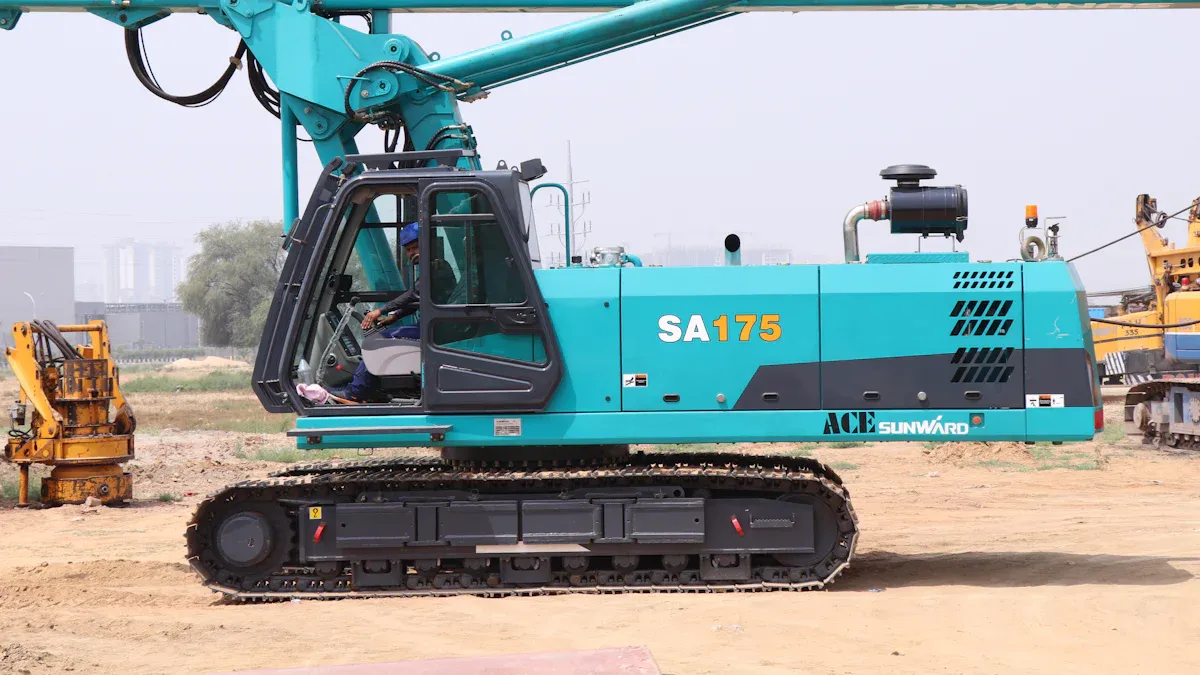
You can stop directional drill machine jam free system stops issues. Take steps before problems start. This means smart plans. Use the right tools. This section shows how. It makes your directional drilling smoother.
Precision Bore Planning and Rig Alignment
Good planning helps you succeed. Hold meetings before you drill. These meetings cover important details.
-
-
Find buried utilities. Map them. Use GPR and EM tools. Mark them. Check their depth.
-
Make sure all power lines are marked.
-
Check soil conditions. Use tests. This helps pick tools. It helps pick fluids.
-
Dig up underground utilities. Use hand tools. Use vacuum tools. Do this in work areas.
-
Check sewer lines. Use electronic tools. Or look at them. You can use cameras.
-
Walk the path you will drill. Look at the site. Check utility marks.
-
Plan drill paths. Do not harm the environment. Avoid existing utilities.
-
-
Pre-Operational Equipment Inspection:
-
Check fluid levels. Look at drilling fluid. Check hydraulic fluid. Check engine oil. Check coolant and fuel. Make sure they are full.
-
Look at the drilling rig. Check for leaks. Look for worn parts. Look for dangers. Check hoses. Check belts. Check fittings. Check wires.
-
Fix or replace key parts. This includes drill pipe connections. It includes hydraulic seals. It includes tracking sensors.
-
Make sure safety guards work. Check emergency stops. Check alarms.
-
-
Permits and Regulatory Compliance:
-
Get permits. Get them from local, state, and federal groups. This includes environmental permits. It includes digging permits.
-
Do all work safely. Follow rules from OSHA. Follow EPA rules. Follow DOT rules. Follow local rules.
-
Protect the environment. Do not disturb soil too much. Protect water. Stop pollution.
-
Check equipment daily. Give clear jobs to your team. Make sure the rig is straight. CEGC has a special system. It helps guide and stabilize. It matches power to needs. It controls thrust. It controls pullback. It controls rotation. It controls feed. A strong frame helps. It reduces shaking. This system helps you be accurate. This is key for roads. It is key for rails. It is key for rivers. It is key for utilities. This system stops bad bores. It stops rework. It stops fines.
Advanced Fluid Management and Mud Programs
Drilling fluid, or mud, is very important. It helps with directional drilling. You need good fluid management. This means smart mud plans. Follow pump size guides. Match flow and pressure. Match them to bore length. Match them to diameter. Match them to ground type. Make sure your circulation path is ready. Make sure filters are ready. Keep mud plans strict. Mix mud correctly. Watch it. Adjust it often.
Special mud additives help a lot. They make fluid work better. They reduce rubbing. This is in tough ground.
-
They make mud thicker. This stops fluid loss. It makes the borehole stronger.
-
They act like oil. This reduces rubbing. It is between the drill bit and the ground. It makes drill bits last longer. It lowers damage risk.
-
They stop shale from swelling. This prevents shale pieces. It makes the borehole stronger.
-
They stop fluid from going into the ground. This keeps the ground strong.
Synthetic muds use man-made stuff. Like esters or olefins. They are very good at oiling. They stay stable in heat. You often pick them. This is for hard directional drilling. They mix good things. They mix water-based muds. They mix oil-based muds.
Mud cleaning tools help you:
-
Remove unwanted dirt. This stops dirt from building up. Dirt makes mud thicker.
-
Make mud lighter.
-
Control filtering better.
-
Make mud thicker. Make it more like oil. This helps reduce rubbing.
-
Make drilling fluid last longer.
Friction Reducer is a mud additive. It lowers rubbing. Thixotropic additives help mud flow. They make it thinner when moving. They get thick again when still. This can lower pump pressure. It can lower it by 20-30%. This makes work better. It lowers costs. It helps manage rubbing. It helps manage fluid. CEGC has a Mud Integration & Fluid Management Solution. This helps you manage your mud well. It stops low flow. It stops low pressure. It lowers the risk of pipe sticking. It also helps avoid frac-outs.
Optimal Tooling Selection and Durability
Picking the right tools is key. It helps stop directional drill machine jam free system stops issues. You need tools that fit your ground. They must also be strong. Studies show special layers on tools. They make them much stronger. For example, a certain powder layer. It was 11 times stronger than AR400 steel. This layer also handled hits. It showed no damage. This was after 20 hits. Each hit was 200 J. Its structure helps it last. It has tungsten carbides. It has man-made metal-diamond. The layer was hard. Tungsten carbides were very hard.
Special layers often use hard parts. Like carbides of metals. Tungsten carbide is one. They are in a metal mix. Like cobalt, nickel, or iron. This makes them much stronger. They resist rubbing. They resist hits. Hard carbide parts mix with soft metal. This makes them work better. This is in rough places. These carbides are hard. They melt at high heat. They are stable. This is important.
Steel tooth bits are also very strong. Their special steel helps. Good heat treatment helps. Surface hardening helps. Top-grade steel uses chromium. It uses molybdenum. It uses vanadium. It uses nickel. It also has carbon. This makes it hard and tough. These parts form carbides. This happens during heat treatment. This makes them resist wear. They stay flexible. Heat treatment uses exact heat. For example, heating to 850-950°C. Then cooling to 200-400°C. This makes them hard. It makes them stable. Surface treatments make them harder. These include carburizing. They include gas nitriding. They include plasma nitriding. They include ion implantation. They include coatings. Examples are titanium nitride. Also diamond-like carbon. These make them last longer. They resist wear.
You need tools that work with many reamers. This includes blade reamers. It includes fluted reamers. It includes rock reamers. It includes barrel reamers. Smooth power delivery stops shaking. This stops uneven wear. Easy access helps with quick fixes. CEGC has a Tooling Compatibility & Durability Package. This gives you the right tools. It lowers high costs. It lowers tool wear.
Anti-Stall Powertrain and Overload Protection
Your horizontal directional drilling machine works hard. It needs to handle tough ground. An anti-stall engine stops your machine from getting stuck. It gives a lot of power. It works at many speeds. Hydraulic sensors help. Pressure control helps. They stop sudden power surges. Controlled start-up helps. Controlled slow-down helps. This reduces shocks. This protects rods. It protects swivels. It protects tools. This system stops stuck pipe. It lowers repair costs. It stops delays. It also protects your equipment.
CEGC has an Anti-Stall Powertrain & Overload Protection system. This system has "rock package" options. These options give better cooling. They give better filtering. They give more power. They also have strong parts. This means steady work each day. Even in hard ground. This system is key. It makes drilling operations work well.
Comprehensive Maintenance and Operator Training
Good care and skilled workers are vital. They make sure a directional drill machine jam free system stops issues. You must keep the drillstring strong. This means taking care of drill pipe threads. This is key for drill pipe protection. Too much or too little tightening can cause drill pipe issues. Check hydraulic parts often. This is also very important.
Check hydraulic parts often. Fix them. This stops leaks. Leaks come from worn seals. They come from bad hoses. They come from loose parts. Leaks make hydraulic systems work worse. They also cause dangers. These include fires. They include harming the environment. You can stop leaks. Replace worn parts early. Tighten loose parts. Do this during checks. This stops sudden problems. It lowers downtime.
Buy drill pipes with holes. This helps with drill pipe protection. It stops fluid from building up. Train your workers well. Teach them to follow rules. Follow the best ways to drill. This includes good drilling techniques. This full plan makes downhole drilling smooth. It gives great drill pipe protection.
You now know how to stop problems. This is for directional drilling. Use a full plan. It mixes planning and care. It uses skilled workers. It uses new technology. This makes directional drilling work well. It makes things faster. It saves money. It helps projects finish. Buy good CEGC Horizontal Directional Drilling Machines. Use good methods. This makes a directional drill machine jam free system stops issues. It works for all your directional drilling. This makes horizontal directional drilling good.
FAQ
How can I avoid pipe sticking during drilling?
You can avoid pipe sticking. Use proper mud. Match tooling to ground. Plan your bore carefully. Train your operators well.
What is a frac-out, and how do I prevent it?
A frac-out is when drilling fluid escapes. It goes into the ground. Prevent it with good mud programs. Control fluid pressure. Monitor returns closely.
How does CEGC's system help prevent jams?
CEGC's system uses precision guidance. It has anti-stall power. It offers advanced fluid management. These features work together. They stop jams.


