
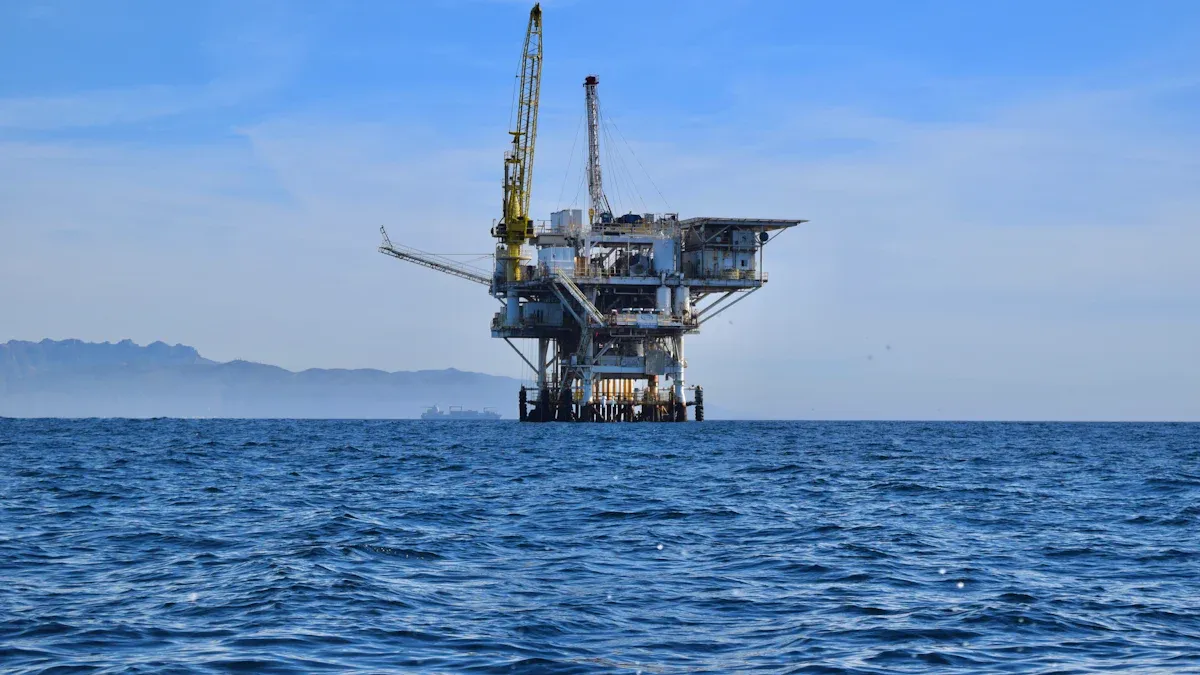
Big flow rates are key for good drilling in 2026. They help remove cuttings well. This stops them from piling up. This keeps the hole steady. It makes drilling better. We need to rethink old ways. This is for best drilling today. CEGC's flow helps drilling a lot. It makes drilling work better. The drill rig large flow rate beats cuttings buildup.
Key Takeaways
-
Big flow rates are important for good drilling. They help remove rock pieces, called cuttings, from the hole. This stops cuttings from piling up and causing problems.
-
Cuttings buildup can make pipes get stuck and slow down drilling. Old ways of cleaning the hole do not work as well now. New methods need better fluid flow.
-
Using the right amount of fluid flow and good drilling mud helps keep the hole clean. This makes drilling safer and faster. New tools and technology help find the best flow rates.
What is Cuttings Buildup and What Does It Do?
What is Cuttings Buildup? What Happens Because of It?
Cuttings buildup is when drilled rock pieces gather. These pieces are called cuttings. They collect in the wellbore. This happens when fluid flow is not enough. Or the drilling fluid is not good. In slanted wells, gravity makes cuttings pile up. This buildup makes things rub more. It causes more twisting or pulling. The drill string moves hard. Twisting or shaky movement shows the drill string is pushing through cuttings. Extra pull when moving pipes also means cuttings are building up. Bad hole cleaning causes cuttings to gather. This can lead to big problems.
Cuttings buildup causes big problems for drilling. It blocks things. Pipes get stuck. A bigger drill bit makes more cuttings. This makes the risk higher. Heavy cuttings sink and pile up. This makes pipes more likely to get stuck. If drilling fluid is too thin, it cannot hold cuttings up. This causes blocks and stuck pipes. Bad hole cleaning can also make the drill bit go off course. This buildup hurts the whole drilling process. It slows down how fast cuttings move. It also uses more drilling fluid. Pollution is another worry. Chemicals in cuttings can harm nature. They can also harm people nearby.
Old Ways of Managing Cuttings Don't Work Well
Old ways to manage cuttings are not working as well. New drilling problems need better answers. Water-based muds (WBM) do not drill as well. They have trouble keeping the ground steady. They also have trouble lubricating in very slanted wells. They are too costly for deeper, hotter wells. Oil-based muds (OBM) harm the environment for a long time. They hurt sea life badly. They break down slowly. Synthetic muds were supposed to be good for nature. They have not done this. Their use is limited by heat.
These old ways also have money and public image problems. Synthetic muds cost a lot. They have not been as good for the environment as hoped. This makes them hard to keep using. People are paying more attention to drilling waste. This leads to complaints about rules. There is also a big problem with future responsibility. This is about cleaning up dirty cuttings already on the seabed. Current methods have long-term effects. Good cuttings management needs new ways.
Best Flow Science for Moving Cuttings in 2026
Moving cuttings well is a science. It needs knowing how drilling fluid moves. This part looks at the main ideas. It also shows how they work in today's drilling.
Fluid Movement and Annular Speed
Drilling fluid flow rate changes annular speed. Annular speed is how fast fluid moves up. This is between the drill pipe and well wall. This upward move lifts cuttings out. Faster annular speed moves cuttings much better. Tests show faster speed removes almost all cuttings. The quickest fluid speeds always removed the most cuttings. This was true in angled holes. It was also true with thicker fluids. More flow means less space for cuttings to pile up.
Flow rate, hole size, and pipe size are linked. They set the annular speed. Here are ways to figure it out:
-
Annular Velocity (AV) in feet per minute (ft/min) is: AV = 24.51 * GPM / (Dh^2 – Dp^2).
-
GPM is gallons per minute.
-
Dh is the Hole Diameter.
-
Dp is the Pipe's Outside Diameter.
-
-
Another way for AV in ft/min is pump output (bbl/min) divided by Annular Volume (bbl/ft).
These math problems show hole and pipe size are key. A bigger gap between hole and pipe means slower annular speed. This is for the same pump power. For good cuttings removal, turbulent flow is often needed. A minimum annular speed of 115 ft/min is best. This is at the BOP's riser. This makes sure cleaning is good while drilling.
Rheology and Cuttings Hanging
Drilling fluid traits work with flow rate. They help cuttings hang and move well. This is called rheology. It tells how fluids move and change shape.
|
Impact on Cuttings Suspension and Flow Interaction |
|
|---|---|
|
Yield Point (YP) |
Crucial for suspending cuttings, especially when the fluid is static. If too low, cuttings fall; if too high, it can cause excessive pump pressures. |
|
Plastic Viscosity (PV) |
Influences resistance to flow once circulation begins, affecting the fluid's carrying capacity. Excessively high PV is undesirable as it can reduce drilling speed. |
|
Gel Strengths |
Determines the fluid's ability to suspend cuttings during non-circulating periods, requiring progressive rather than fragile gelation. |
The Yield Point (YP) is very important. It helps cuttings stay in the fluid. If YP is too low, cuttings drop. If YP is too high, pumps work too hard. This changes how well the flow works. Plastic viscosity moves cuttings when fluid flows. Good drilling fluid traits are a must. They make drilling work well.
Things That Change Best Flow in 2026
Best flow rates always change. Deeper wells, tricky paths, and new rocks affect them. New drilling tools also matter. These things mean we must check best flow rates for 2026. Normal best flow is from 35 to over 100 gallons per minute (gpm). This big range means careful tuning is needed.
For example, horizontal drilling has special issues. Long, flat parts need steady high flow. This stops cuttings from building up. New ground might need different fluid. Or higher flow for good cleaning. The goal is always to make it better. This makes drilling work well and safely.
Determining and Implementing Optimal Flow Rates
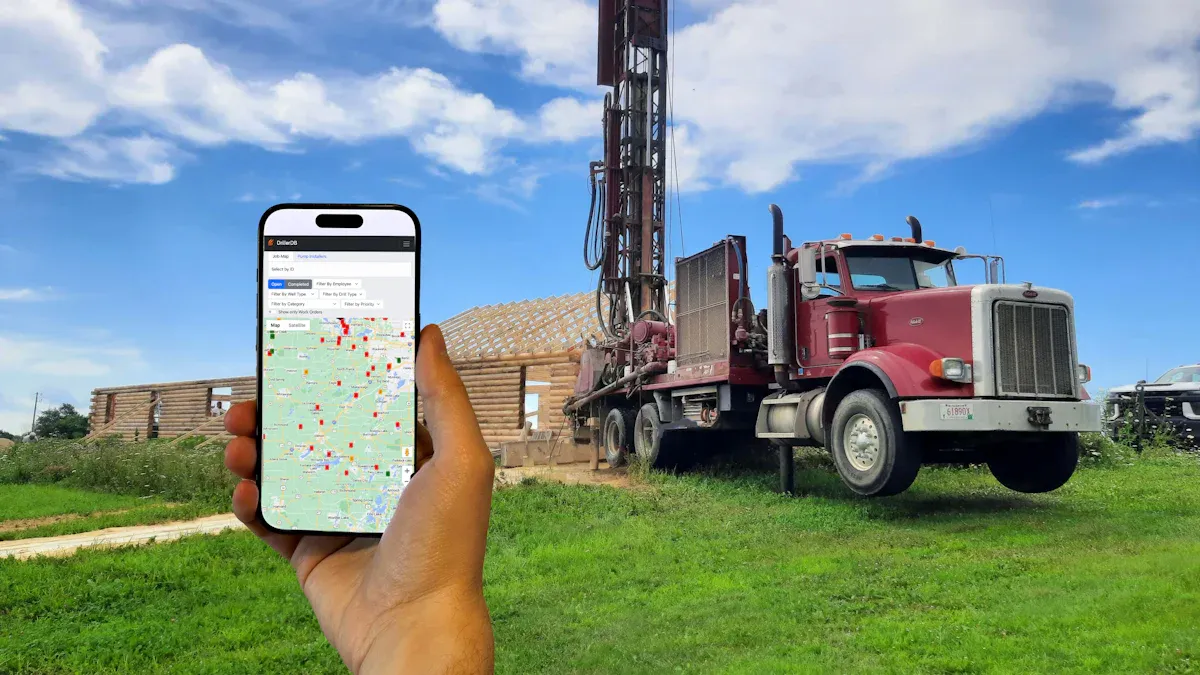
Getting the right flow rate is key. It helps with good drilling. This part shows how to find the best flow. It also tells how to use it. This is for real drilling.
Key Parameters for Flow Rate Calculation
Many things help decide the best flow rate. These include the hole size. They also include the drill pipe or collar size. The drilling fluid density matters too. The cuttings density also matters. How fast you drill (ROP) is important. You need to know the desired annular velocity. These parts work together.
Drillers control the weight on the drill bit (WOB). They also control how fast the drill spins. They control the mud flow rate. They do this while drilling. If there is no mud motor, flow rate does not change ROP much. So, drillers focus on WOB and RPM. If you push too hard, you make too many cuttings. The mud flow cannot carry them all. This can trap cuttings. These cuttings then hold up the WOB. How fast cuttings are made depends on how deep the bit cuts. If too many cuttings are made, you must cut less deep.
Other things limit the flow rate. Equipment has limits. This includes what the pump can do. It also includes the drill pipe size and strength. Surface pressure ratings also limit it. Downhole tools have limits. Safety rules are important. They cover the lowest pressure. They cover the highest pressure. This is at the bottom of the hole. They also cover the fastest annular velocity. They cover how fast things wear. Environmental worries are also considered. These include the fluid type. They include how to get rid of it. They include emissions. Money matters too. Drilling cost is important. How long the drill bit lasts is important. Rig time is important. How much oil or gas the well makes is important.
The drilling fluid's properties are very important. These include its density. They include its viscosity. They include how it flows. They also include how much solid material is in it. These properties control how the fluid moves. They also control how much pressure is lost. This is in the drill string. It is also in the space around it. Enough flow rate and speed are vital. They move cuttings. They also keep the right pressure. This is at the bottom of the hole. This stops too much wear. It stops sudden pressure changes. The nozzle size affects how hard the jet hits. It also affects how well the bit cleans. It changes the pressure drop. This is across the bit. Fluid properties must match the chosen flow rate. They must match the nozzle size. This means adjustments are needed. This is for good hydraulic performance.
Technology for Flow Rate Optimization
Modern tools and software help find the best flow rates. They help keep them. This is for today's drilling. Neural Concept uses deep learning. It helps engineers. It uses physics simulations. This helps them make better designs. They make them faster. Ansys AI also helps. It combines simulations. These are for structure, heat, and fluid. This gives quick feedback. This is when designing. This makes design faster.
Hysopt helps with HVAC projects. It can quickly compare ideas. This lets engineers try more designs. They do this without more work. It also shows clear proof. This is of how well things work. This software is good for 2026. It helps with HVAC trends.
A 'Flow Rate & Internal Diameter Calculator' is also available. This tool helps with hydraulic systems. It helps with pumping projects. It figures out flow rates automatically. It also finds the best pipe sizes. This is based on how fast the fluid moves. It creates professional reports. This helps choose the right pump. It helps choose the right pipes. It stops problems. These are like high pressure loss. It stops extra costs. These are from wrong pipe sizes.
For a drilling rate of 75 feet per hour, DrillAhead simulations suggest specific flow rates. They suggest pipe rotation speeds.
|
Parameter |
Range (for 75 ft/hour ROP) |
|---|---|
|
Flow Rate |
540 to 600 gpm |
|
Pipe Rotation |
120 to 130 rpm |
These numbers show the precision needed. This is for performance. Hydrodynamic effects also help. These are from drill pipe designs. The Hydroclean drill pipe uses these effects. It breaks down cuttings. These are sitting still. It scoops cuttings. This is from the low side of the hole. Then it lifts them. This is into the fast-moving fluid. This is around the pipe. This new drill pipe makes hole cleaning better. It scoops cuttings. It wears away cuttings beds. Each tool joint helps with this. It keeps cuttings moving. This is in the fast-moving space. This helps with transport. This is an example of how drill rig large flow rate beats cuttings buildup.
Integrated Strategies for Cuttings Management
Optimal flow rate works best. It works with good drilling fluid properties. These include a high yield point. They include low plastic viscosity. This helps move cuttings better. Other good practices also help. These include wiper trips. They include proper circulation times. Special hole cleaning tools also add to high flow rates.
Tip: Keeping proper flow rates is key. Drillstring rotation is also key. This ensures enough annular velocity. It also provides stirring. This keeps solids suspended.
Monitoring drilling fluid properties is key. Adjusting them is key. This means controlling how the fluid flows. It means controlling its density. It means controlling its solids content. This is vital for the mud's ability. It carries and holds cuttings. Keeping the ROP within limits is also important. This stops too many solids. This is in the mud system. Circulating long enough is also important. This is before making connections. It is before starting trips. This makes sure most cuttings are removed. This is before pumps stop. Watching for warning signs is also essential. Reacting to them is essential. This stops big hole problems.
Optimizing drilling fluid properties is a core part. This is for cuttings management. Adjusting fluid density helps. Adjusting viscosity helps. Adjusting gel strength helps. This helps the fluid carry cuttings. High-performance muds are often used. They are stable in heat. They provide lubrication. Managing drill string rotation is also important. Continuous rotation stirs up cuttings. This stops them from forming beds. This is true in complex wells.
Using downhole tools helps too. Tools like reamers help. Hole openers help. Jetting subs help. They remove stubborn cuttings. They make the hole bigger. They break up beds. They use high-pressure fluid. Or they use mechanical vibrations. High-viscosity sweeps are also used. Cleaning pills are also used. These thick fluid slugs can dislodge debris. This is from narrow parts. It is from horizontal parts. This is in the well. Sweeps can include chemicals. They are useful when circulation is low.
Real-time monitoring is a modern solution. Predictive modeling is a modern solution. Sensors give constant data. This is on cuttings size. It is on drag. It is on torque. It is on pressure. Advanced software looks at this data. It predicts how cuttings beds will grow. This lets operators change drilling parameters. This is before problems start. Techniques must fit the well's shape. Angled wells need special ways. Horizontal wells need special ways. These might combine higher flow rates. They might combine mechanical stirring. They might combine special mud systems. Continuous drill string rotation also helps. Spiral stabilizers can improve cuttings transport. Eccentric tools can improve cuttings transport. This is in long horizontal sections.
CEGC's "Mud Integration & Fluid Management Solution" helps. It helps with "Poor Fluid Performance & Frac-Out Risk." It guides pump sizing. It ensures the circulation path is ready. It ensures filtration is ready. It promotes good mud program discipline. This includes mixing goals. It includes monitoring. It includes adjustments. This ensures effective cuttings management. This approach to solids control is vital. This is for efficient drilling. Proper solids control is a cornerstone. This is for successful drilling.
Large flow rates are very important. They make drilling good. They make it safe. They save money. Good flow stops cuttings from piling up. This makes drilling work better. CEGC's tools help with this. They make sure drill rigs have big flow. This beats cuttings buildup. This helps drilling work best. It makes drilling faster. This is true for all drilling. This good flow means drill rigs beat cuttings buildup. It moves cuttings out well.
FAQ
What is the main reason for using a large flow rate in drilling?
A large flow rate helps remove drilled material. This prevents cuttings from piling up. It keeps the wellbore stable. This makes drilling more efficient.
What are the negative effects of cuttings buildup?
Cuttings buildup can cause pipes to get stuck. It increases friction and wear. This leads to more time spent not drilling. It can also make the wellbore unstable.
How do drilling fluid properties help manage cuttings?
Drilling fluid properties, like yield point, suspend cuttings. This allows them to be carried out of the well. Proper solids control is a key part of this process.


