
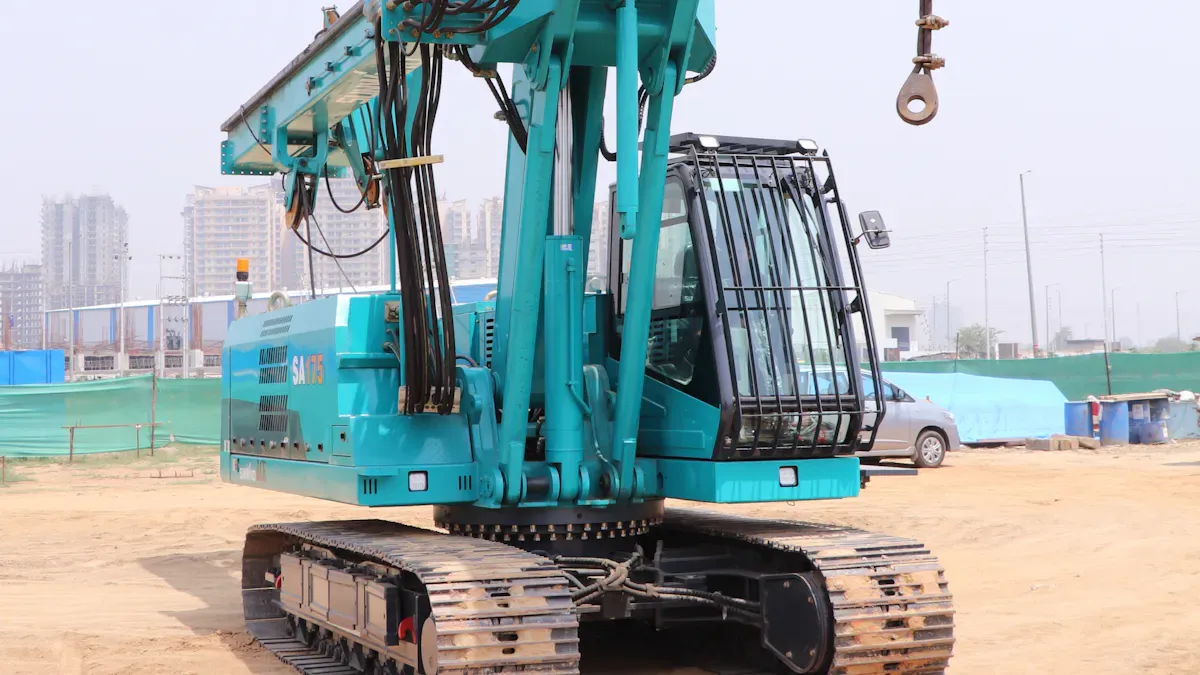
You can get hurt when you use drilling equipment in very hot places. Studies show that heat stress makes it hard to focus and react fast.
-
High heat makes people less alert and less able to move well.
-
Hard drilling work with heat causes more accidents and injuries.
Drilling Equipment Cool Shield Handles Heat by CEGC keeps you and your tools safe during tough drilling jobs.
Key Takeaways
-
Managing heat is very important in drilling. It helps tools work better. It also stops accidents from happening.
-
Using special materials and insulation can keep handles safe from heat. This keeps workers safe and comfortable.
-
Cooling technology can make tools last longer. It also lowers maintenance costs. This makes drilling work better.
Heat Risks in Drilling Equipment
Friction and Temperature Rise
There are many heat dangers when using drilling equipment. When drilling parts rub together, they get much hotter. This happens more when spindle speeds and feed rates go up. The heat gathers where the tool touches other parts. The shape of the tool, like the cone angle, changes how much heat is made. You need to notice these things. Then you can use heat management and cooling to keep tools and wells safe.
-
Heat recovery systems use exhaust gases, jacket cooling water, and fuel oil purifiers to control heat.
-
Waste heat recovery systems help use less energy and lower CO2 on drilling rigs.
-
New ways now replace old heat-making methods, like steam boilers and electric heaters.
Effects of Thermal Expansion
Heat makes drilling equipment handles get bigger. The Coefficient of Thermal Expansion matters when designing. Some materials, like P91 Martensitic Steel, help stop too much expansion. This keeps handles from bending and helps them stay strong in tough wells. You need good heat management to keep your equipment safe.
Tip: Pick materials that do not expand much. This helps handles stay strong in deep wells.
Impact on Tool Accuracy and Longevity
Heat changes how well drilling tools work and how long they last. You should watch for heat and use cooling to protect tools. The table below shows how different things affect tool accuracy and life in wells.
|
Factor |
Impact |
|---|---|
|
Heat Buildup |
Too much heat wears tools out early and makes cutting worse. |
|
Cutting Speed |
Going too fast makes too much heat. Going too slow causes rubbing. Both make tools wear out faster. |
|
Feed Rate |
Feeding too slow causes rubbing and shortens tool life. |
|
Chip Flow |
Bad chip flow causes tiny welds and cracks. This lowers tool life. |
|
Cutting Fluid |
Using good cutting fluid lowers heat and friction. This helps tools last longer. |
You can use cooling and heat management to help tools work better and keep wells safe.
Downhole Heat Management Science
Heat Generation Mechanisms
There are many heat problems when using drilling equipment. Friction between the drill bit and rock makes things very hot. Spinning the bit and adding weight makes even more heat. Mud systems, how thick the mud is, how fast it moves, and its starting temperature also change how much heat builds up. When you drill deeper, the temperature can go over 200°C. Old cooling methods do not work well in these very hot places. Sensitive electronics need to be kept safe from heat and high pressure. You have to use strong pressure vessels to protect electronics. Managing heat is important for tool safety and how well they work.
Note: In geothermal drilling, the heat is even higher. You need special ways to manage heat so tools and electronics keep working.
Heat Treatment and Material Strength
Drilling needs strong materials to handle the heat. Heat treatment makes equipment tougher and more reliable. These methods change metal structure to make it stronger and last longer. Here are some common ways to manage heat in drilling equipment:
-
Case hardening makes the outside hard but keeps the inside tough.
-
Induction hardening makes certain spots harder to resist wear.
-
Flame hardening uses heat to make the surface stronger.
-
Hardening (quenching) makes steel harder but can make it break easier.
-
Annealing makes steel softer so it is easier to shape.
-
Tempering makes steel less likely to break after hardening.
-
Normalizing makes the metal grains better and improves strength.
-
Precipitation hardening makes metal stronger and harder as it ages.
You need to pick the right heat treatment for each part. This helps handles and tools last longer and work better in tough places.
Innovative Heat Extraction Technologies
New cooling ideas help control heat in drilling. These technologies keep tool handles and fluids at safe temperatures, especially in geothermal drilling. Here is a table with some good techniques:
|
Technology Type |
Description |
|---|---|
|
Closed-loop geothermal systems |
Fluids move in pipes to take in heat and make electricity at the surface. |
|
Supercritical fluids |
Use carbon dioxide to carry more heat and make more power. |
|
Thermoelectric generators |
Change heat differences into electricity deep underground. |
|
Non-rotary drilling technologies |
Use water hammers or energy beams to drill hot rocks better. |
|
Downward-facing fracture networks |
Move heat from deep rocks with fluids, making drilling easier and cheaper. |
You can use mud chillers and special coatings to make things even cooler. For example, mud chillers can lower surface mud temperature by almost 30°C. Coated drill pipes can make bottom-hole temperatures drop to 159°C. These cooling ideas help protect equipment and make drilling safer in very hot places.
Tip: Always plan how you will manage heat before you start drilling. This helps stop problems and keeps your tools working longer.
Drilling Equipment Cool Shield Handles Heat Technology
Thermal Barriers and Insulation
When you drill deep wells, you deal with a lot of heat. The handles need strong barriers to stop heat from reaching your hands and inside parts. Insulation is very important for keeping things cool. Closed-cell spray foam blocks air well and has a high R-value. Open-cell spray foam works for inside walls but needs extra vapor barriers. Fiberglass insulation can work if you put it in right, but it does not block air well. Cellulose insulation is thicker than fiberglass and works okay with extra sealing.
|
Insulation Type |
R-Value per Inch |
Air Sealing Performance |
Suitability for Extreme Heat |
|---|---|---|---|
|
Closed-Cell Spray Foam |
6.0 to 7.0 |
Superior |
Excellent |
|
Open-Cell Spray Foam |
3.5 to 3.7 |
Good |
Good |
|
Fiberglass Insulation |
3.2 to 3.8 |
Poor |
Adequate |
|
Cellulose Insulation |
3.2 to 3.7 |
Moderate |
Fair |
You must pick the best insulation for your drilling equipment cool shield handles heat. Closed-cell spray foam is great for extreme heat and gives the most protection. These barriers stop heat from getting into the handles and keep your tools safe.
Tip: Pick insulation with a high R-value and strong air sealing. This helps you cool things better.
Cooling Channels and Heat Dissipation
Cooling channels help move heat away from drilling equipment cool shield handles heat. Cool fluids flow through the handles and take heat out quickly. Mud chillers and two-stage cooling lower the fluid temperature before it goes back downhole. The Tundra Max mud chiller uses a special process to cool the drilling fluid. This keeps the fluid cooler and helps you manage heat in geothermal drilling.
These cooling methods make drilling safer and help tools last longer. You can use good cooling strategies to keep handles from getting too hot. Sensitive electronics stay safe and the drilling equipment cool shield handles heat works well.
Note: Cooling channels and mud chillers help you control heat and make drilling jobs better.
Advanced Materials for Handle Protection
Strong materials protect drilling equipment cool shield handles heat from high temperatures. You use high-strength alloys, composites, ceramics, and engineered polymers. Ceramics handle very high heat and resist wear. Engineered polymers give good insulation and chemical resistance. High-temperature seal materials like PTFE keep seals strong and stable.
-
High-strength alloys
-
Composites
-
Ceramics
-
Engineered polymers
-
Ceramics for high heat and wear resistance
-
Engineered polymers for insulation and chemical resistance
-
PTFE seal materials for stability in hot and cold places
Advanced materials make handles last longer and safer. Polycrystalline diamond compacts and high-strength alloys help handles resist heat. Wear-resistant coatings on drag bits lower friction and stop wear. You get better performance and safer tools with these materials.
Drilling equipment cool shield handles heat technology uses NOV's TK Drakōn coating. This coating has low thermal conductivity, only 0.162 W/m·K, while carbon steel is 45 W/m·K. Less heat flows into the drilling fluid, so it stays cooler. This is very important in geothermal drilling. Mud chillers also lower fluid temperature before it goes back downhole. These heat management methods help you handle high temperatures and keep your drilling equipment cool shield handles heat safe.
Callout: Advanced materials and cooling strategies help protect your drilling equipment cool shield handles heat in very hot places.
Heat Management Benefits
Enhanced Tool Performance
You want your drilling tools to work well everywhere. Good heat management keeps tools strong and accurate. Cooling stops tools from getting too hot. This helps tools last longer and work better. It is important in deep or hot wells. Using less diesel and making less CO2 helps the environment. The table shows how heat management helps performance:
|
Benefit |
Measurement |
|---|---|
|
Diesel consumption reduction |
|
|
CO2 emissions reduction |
5,400 tonnes of CO2 per year |
These methods really help drilling work and save resources.
Operator Safety and Comfort
You need to be safe and comfortable in hot wells. Cooling keeps handles cool and stops burns. You can focus better when you are not hot. This helps you avoid accidents and work longer. Your hands stay safe from hot handles. Good design and cooling make your job safer every day.
Tip: Always check your tools before you drill. Safe tools help you work better and avoid getting hurt.
Reduced Maintenance and Costs
Good heat management saves money and time in drilling. Sensors find problems before things break. You fix tools only when needed, not on a set schedule. This lowers downtime and helps equipment last longer. You spend less on repairs and keep wells working well.
-
Sensors use real-time data to find problems early.
-
You fix tools only when needed, not by the calendar.
-
This saves time, cuts costs, and makes equipment last longer.
These methods help you get more value from your tools and wells.
Real-World Applications in Geothermal Drilling
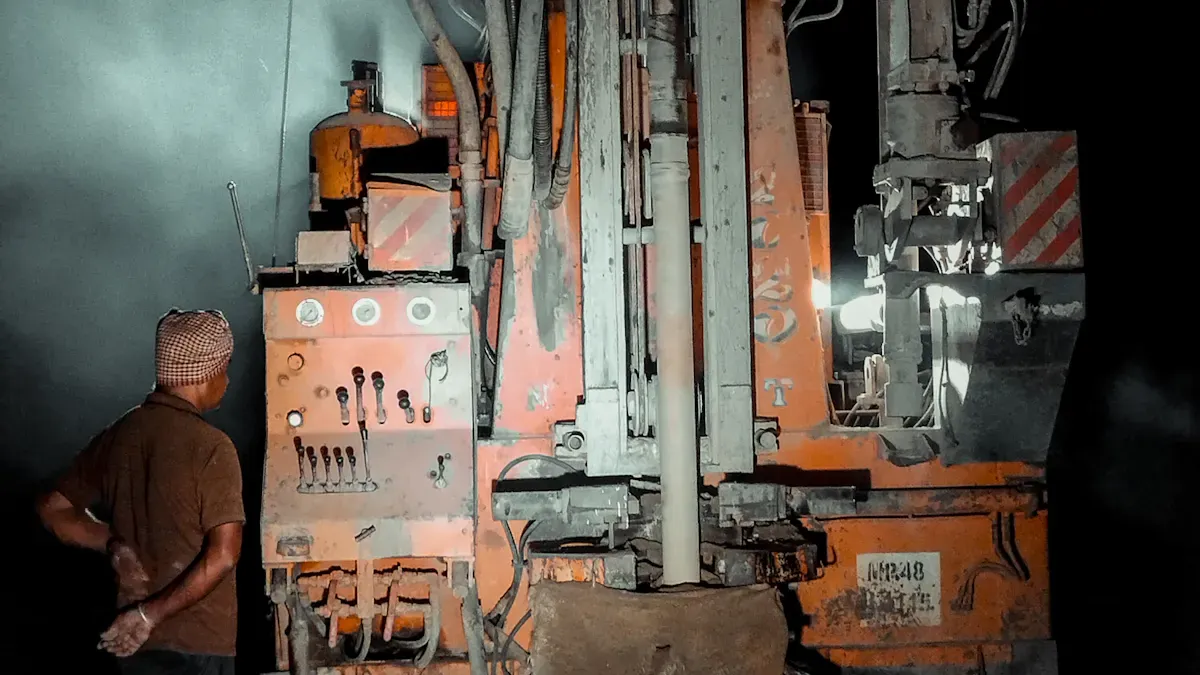
Case Studies and Field Results
You can see how drilling equipment cool shield handles heat in real geothermal projects. In Iceland, workers used these handles to drill deep into hot rock. The temperature went over 200°C. The tools stayed safe and strong because of good heat management. California also has geothermal drilling with high heat every day. Crews used advanced insulation and cooling to protect their hands and tools.
Here are some field results that show how well these techniques work:
-
The Temp-Shield™ Insulation System uses Phase Change Material (PCM) to keep temperatures steady. This helps you move sensitive tools safely during drilling.
-
PCM absorbs and releases heat energy. This keeps the handles cool without needing extra power for cooling.
-
Vacuum Insulation Panels (VIPs) work better than regular insulation. They keep the inside of the handles at a safe temperature for longer.
These results show you can drill in hot places and still keep your equipment safe.
User Feedback and Measured Outcomes
Operators say drilling with cool shield handles feels safer and more comfortable. You do not get burned when you grab the handles. Many users report fewer injuries and less downtime. You can focus on your job instead of worrying about heat. Some teams measured tool life before and after using these handles. They found tools lasted up to 30% longer. This means you spend less time fixing or replacing equipment.
You can trust these solutions to make your drilling work better. Good heat management and cooling help you drill deeper and safer. These real-world results prove that advanced strategies really help in geothermal drilling.
You fix tough drilling problems with Cool Shield and good heat management. This keeps tools strong and workers safe. New ideas will change drilling in the future:
-
AI helps watch wells and spot issues early.
-
New ways help drill faster and better.
FAQ
What makes Cool Shield handles safer for drilling?
You get extra protection from heat. Insulation and cooling channels keep handles cool. You avoid burns and work safely in hot drilling environments.
How do you clean Cool Shield handles?
-
Use a soft cloth and mild soap.
-
Avoid harsh chemicals.
-
Dry handles before use.
Can you use Cool Shield handles in geothermal drilling?
|
Environment |
Suitability |
|---|---|
|
Geothermal wells |
✅ Yes |
|
Oil wells |
✅ Yes |
You use Cool Shield handles in both geothermal and oil wells.


