
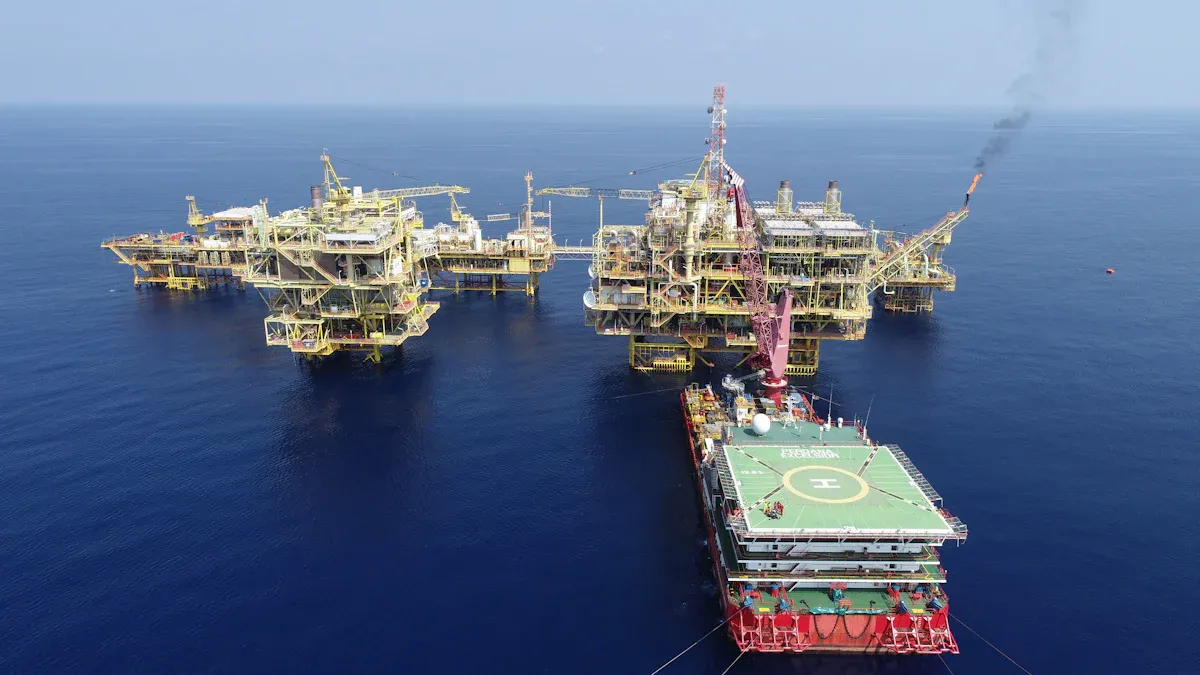
Pipelines are crucial for the efficient and safe operation of drilling rigs, directly impacting profitability. Maintaining a large volume flow guarantees cleaning and is essential, as clogs lead to significant issues like "Stuck Pipe, Torque Spikes & Downtime." Stuck pipes are a common and costly problem, resulting in financial losses, schedule delays, and increased well expenses. Furthermore, poor fluid performance and the risk of frac-out are exacerbated by inadequate flow. Effective pipeline cleaning is vital for drilling rigs, ensuring optimal liquid flow and peak performance for any horizontal directional drilling machine. CEGC understands the importance of thorough cleaning in these operations.
Key Takeaways
-
Clean pipelines are very important for drilling rigs. They stop problems like stuck pipes. They keep work running smoothly.
-
Many things can clog pipelines. These include rust and radioactive materials. Regular cleaning helps remove these. It keeps fluids flowing well.
-
Choosing the right cleaning method depends on the type of dirt. It also depends on the pipe's size. How much time you have matters too. Advanced tools and careful planning make cleaning better. They also make it safer.
I. Importance of Pipeline Cleaning for Drilling Rigs

A. Impact of Clogged Pipelines on Drilling Operations
Not taking care of pipelines on drilling rigs causes big problems. Clogged lines make drilling less effective. This means slower work. It also costs more money. Pumps use more energy. They push fluids through tight spaces. Equipment breaks down faster. This leads to more repairs. Safety risks also go up. A directional drilling machine needs steady fluid flow. Blockages stop this. This hurts the machine's performance. Good cleaning makes things run well. It also removes waste.
B. Common Contaminants in Drilling Rig Pipelines
Many things can clog drilling rig pipelines. Knowing them helps with good cleaning.
-
Black Powder: This is a mix of rust. It has iron, dirt, and other bits. It comes from chemicals. It also comes from germs. Wetness, H2S, and heat changes make it form faster. Rust from new pipes adds to it. Germs like Desulfovibrio desulfuricans make iron rust.
-
Technologically Enhanced Naturally-Occurring Radioactive Material (TENORM): These are natural radioactive things. Drilling brings them up. They include radium. They also include radon and uranium. They come from drill bits. They come from water. They come from pipe rust and mud.
-
Internal Corrosion Contaminants: Oxygen, hydrogen sulfide, carbon dioxide, salts, and water cause rust. These react with the pipeline material. This happens when they are in oil or gas.
C. Benefits of Regular Pipeline Cleaning
Regular cleaning has many good points. It keeps flow rates high. This stops expensive breaks. It makes work performance better. Clean pipelines make equipment last longer. They cut down on repairs. This saves money and time. Regular cleaning also makes things safer. It stops clogs that can cause accidents. It makes sure drilling works well and is dependable.
Hydro-jetting uses high-pressure water. This water stream blasts away tough blockages. Hydro-jetting is very effective. It can remove scale, grease, and hardened mud. Hydro-jetting works well where other methods fail. The powerful water stream breaks apart even the most stubborn deposits. Hydro-jetting is a key part of industrial pipeline cleaning. It ensures a clear pipeline. Hydro-jetting helps maintain good flow. Hydro-jetting is often used for pipes with complex bends. Hydro-jetting can reach areas that are hard to access. Hydro-jetting is a powerful cleaning solution. Hydro-jetting is essential for heavy-duty cleaning.
III. Selecting Optimal Pipeline Cleaning Solutions
Choosing the best way to clean a pipeline is very important. This choice affects how well a Trenchless Drilling Rig works. It also impacts how long the rig lasts. Different situations need different solutions. This section helps you pick the right pipeline cleaning method.
A. Key Factors for Method Selection
Many things help decide the best cleaning approach. Each factor plays a big role.
1. Contaminant Type and Buildup Severity
The kind of dirt inside the pipe matters a lot. Is it soft mud or hard scale? Is it sticky paraffin? Light buildup might need simple flushing. Heavy, hard deposits need stronger cleaning methods. For example, a thick layer of rust needs different solutions than a thin film of oil. Knowing the contaminant helps choose the right tools.
2. Pipeline Material, Diameter, and Configuration
The pipe itself affects the choice of cleaning tools. What is the pipe made of? Is it metal or plastic? How wide is it? Does it have many bends or turns? Some cleaning methods are too harsh for certain materials. A small, curvy pipe needs different tools than a large, straight one. The pipe's design guides the selection of solutions.
3. Operational Constraints and Downtime Considerations
How much time can the drilling operation stop for cleaning? Some cleaning methods take a long time. Others are quick. If downtime is very costly, a faster method is better. Sometimes, cleaning must happen during a short break. This means the chosen pipeline cleaning method must be efficient.
4. Environmental Regulations and Waste Management
Disposing of waste from cleaning is a big concern. All waste must follow strict rules. Water returned to the environment must meet regulatory standards. Permits are needed for many activities. Companies use current construction rules and good management practices. They make sure environmental control devices meet standards. Water and waste management are part of the plan from the start. Environmental procedures are checked often. This keeps them up-to-date with rules. Wastewater from operations and daily needs is managed by permits. Environmental procedures help with wastewater management. This includes sending water to treatment plants or disposing of it offsite. Waste containers are labeled correctly. They are stored and recycled or disposed of by federal and state rules. Companies look for ways to reduce, reuse, or recycle waste. Waste management practices are written down and checked. Environmental specialists help ensure rules are followed. They inspect waste handling. Training on waste management is given to employees every year. Most waste with hydrocarbons, like from pipeline pigging, is reclaimed. The environmental department watches water use for testing. A checklist helps identify needs for pipeline testing. Samples of tested water go to labs. This ensures they meet permit rules. Discharges are permitted and watched by federal or state rules. This includes company policies. The environmental department uses this information for reports to the EPA. These careful steps ensure responsible waste management.
5. Cost-Benefit Analysis of Cleaning Options
Before choosing a cleaning option, look at the costs and benefits. This helps find the best solutions. A good analysis considers several points. It looks at reducing drilling fluid costs. This means less new mud is needed. It also lowers costs for getting rid of waste fluids. It helps recover expensive additives. The analysis also aims to reduce non-productive time. This happens by keeping drilling fluids good. It prevents damage to the formation and stuck pipes. It also reduces wear on equipment. Environmental compliance and waste reduction are key. This means less drilling waste. It lowers the risk of fines. It also makes the company look better. Life-cycle costs are also important. This includes how much energy is used. It covers operating costs and maintenance needs. It looks at spare parts and how long equipment will last. Upgrade options are also part of this review. This full review helps pick the most cost-effective cleaning methods.
B. Case Studies in Horizontal Directional Drilling
In horizontal directional drilling, choosing the right cleaning approach is vital. For example, a project drilling under a river might use pigging. This is for removing soft mud. A project through hard rock might need hydro-jetting. This breaks up tough rock cuttings. Each project has unique needs. The best solutions come from careful planning. This planning considers all the factors above. It ensures the pipeline stays clear. This helps the drill rig work without problems.
IV. Best Practices for Drilling Rig Pipeline Cleaning
This part talks about good ways to clean pipelines. These ways help drilling machines work well. They also make sure lots of fluid flows. This keeps things clean.
A. Regular Inspection and Monitoring Programs
Checking often is very important. It helps find problems fast. Watching the pipes helps. It stops big clogs. It keeps fluid moving. This makes things work best. Finding problems early saves money.
B. Developing a Proactive Cleaning Schedule
Planning cleaning is better. It stops problems before they start. This plan stops dirt from building up. It keeps the pipe clear. This way, lots of fluid flows. It keeps things working well. It stops unexpected stops.
C. Safety Protocols and Personnel Training
Safety is most important. This is true when cleaning pipes. All workers need safety training often. This means workers, bosses, and managers. Training helps everyone learn. It makes them aware. It follows national rules. Good industry ways are also used. A strong safety culture means anyone can stop unsafe work. Special safety gear is a must. This includes safety glasses. It also includes hard hats and gloves. Machine operators get good training. They learn how to do jobs right. Manuals are always there to use. Tools are checked often for wear. Broken tools are fixed or replaced. Heavy machines are handled correctly. A risk check tells workers dangers. This is done before any work.
D. Leveraging Advanced Technologies for Pipeline Maintenance
New tech makes pipe care much better. AI helps find leaks. It looks at sensor info. It also uses pictures. This finds strange things. Computer vision looks at drone photos. It finds gas clouds or pipe leaks. AI programs look at sound, heat, and pressure data. This comes from smart sensors. These sensors are all over. They send alerts for changes. This helps fix things fast. It stops costly shutdowns. Predicting problems uses constant data. It gets alerts from smart sensors. This helps guess and fix issues. It makes stops very short. Smart sensors check machine states. They also track worker health. They check outside conditions. AI and machine learning look at this data. This finds things that don't work well. It warns about broken machines. It suggests better ways to use things. This makes everything work better. These new cleaning ways make things run well.
Being proactive in cleaning industrial pipelines is very important. It makes sure drilling rigs have a large volume flow guarantees cleaning. This helps them work well. Picking the correct pipeline cleaning method is key. You can use mechanical or chemical ways. These cleaning methods have different chemical options. Good practices make things work better. They help fluid flow well for any Horizontal Directional Drilling Rig. Watching pipeline maintenance closely is crucial. CEGC offers good cleaning solutions. These help with the best flow. They also help with good chemical cleaning. These chemical options are needed for strong pipelines.
FAQ
What is pigging used for in pipelines?
Pigging helps clean pipelines. It removes soft debris like mud or wax. A device called a pig travels through the pipe. This method keeps flow rates high.
When is hydro-jetting the best cleaning choice?
Hydro-jetting works well for tough blockages. It uses high-pressure water. This blasts away hard scale or stubborn deposits. It is good for complex pipe shapes.
Can pigging and hydro-jetting be used together?
Yes, these methods can combine. Pigging often removes loose material first. Then, hydro-jetting tackles any remaining hard buildup. This ensures a very clean pipeline.


