
You count on reinforced connections to keep your drilling rig safe. These strong connections help stop failures and cut down on downtime. CEGC gives you standard specs and can change them for your project. This helps you deal with bore deviation from uneven ground. It also helps with stuck pipe from pressure changes. Tool wear from corrosion is less of a problem. You can also handle fluid issues like bad mud circulation. Drilling Rigs Reinforced Connection Guarantees Hold.
Key Takeaways
-
Reinforced connections help keep everyone safe. They stop breaks and leaks. This keeps your team and tools safe.
-
Anti-stall powertrain systems help you work longer. They cut down on waiting time. This lets you drill without stopping. You save time and money.
-
Customizing specs for your drilling project helps you do better work. It lets you handle tough ground. You can get good results even in hard places.
Drilling Rigs Reinforced Connection Guarantees Hold
Connection Integrity and Safety
You need strong connections to keep drilling safe. Drilling rigs reinforced connection guarantees hold when you use good parts and follow rules. These connections help stop breaks or leaks. You keep your team and tools safe by making sure every joint is tight. Safety gear works best when connections stay strong. You lower accident risk and keep work going well. CEGC gives you standard specs and custom choices for your project. You trust these connections for important jobs because they work well every day.
Tip: Always check your connections before you start drilling. This easy step helps stop problems and keeps your crew safe.
Reducing Failure and Downtime
You want drilling rigs reinforced connection guarantees hold for every job. Strong connections help stop stuck pipe and tool damage. You avoid downtime by using anti-stall powertrains and overload guards. These features help you keep drilling without stopping. You save money and time by not fixing things often. CEGC lets you pick specs for your ground and bore length. You cut downtime by choosing the right torque and thrust. You also lower crossing failure risk with strong frames. These ideas keep your project on time and help you finish fast.
-
Strong connections stop stuck pipe.
-
Anti-stall systems cut downtime.
-
Custom specs fit your drilling needs.
Precision Guidance and Stability
You need drilling rigs reinforced connection guarantees hold when drilling under roads, rivers, or tracks. Precision guidance helps you avoid bore mistakes and crossing problems. You use steady frames and good alignment to keep your drill on track. These connections help your drilling stay correct. You lower rework and fines by hitting your target each time. CEGC gives you tracking and data tools to watch your work. You get top accuracy and control for every bore. You can change torque, thrust, and rods for your ground. These features give you the results you need.
|
Feature |
Benefit |
|---|---|
|
High-rigidity frame |
Cuts vibration and movement |
|
Precision guidance |
Stops bore mistakes |
|
Custom specs |
Fits your project needs |
You see drilling rigs reinforced connection guarantees hold in every part of your work. You trust these connections to keep you safe, cut downtime, and help you drill right. You know strong connections lower risk and help you get good results.
Types and Benefits of Reinforced Connections
High-Rigidity Frames
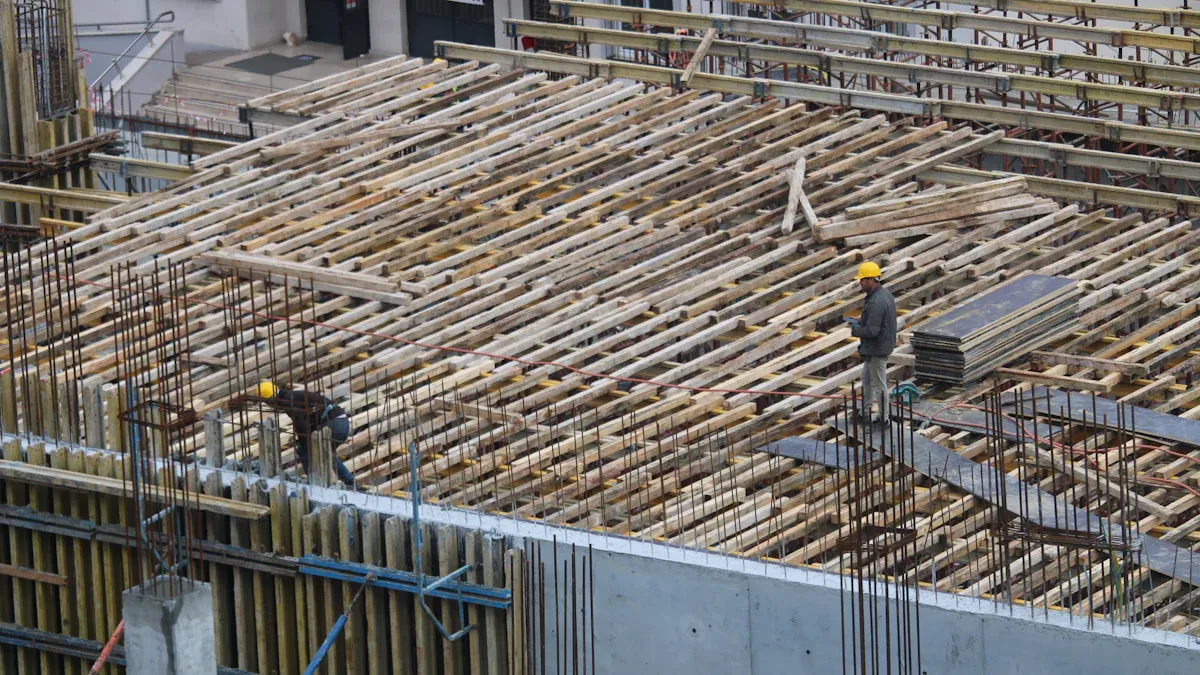
Many drilling rigs have high-rigidity frames. These frames keep the drill steady and cut down on vibration. A strong frame helps protect your tools from wearing out fast. The frame takes in cutting forces, so your bore stays steady. This gives you better results and makes your tools last longer. In oil and gas, high-rigidity frames help you drill more accurately. You make fewer mistakes and keep your project safe. Checking these frames often helps you find problems early and keep your rig working well.
Note: High-rigidity frames make drilling steadier and help stop tool damage.
Anti-Stall Powertrain
You need anti-stall powertrain systems to keep your rig moving. These systems help stop stuck pipe and downtime. In oil and gas, anti-stall technology gives you more control over torque and speed. You can drill through tough ground without stopping. The powertrain senses load changes and changes pressure to stop stalling. You get steady work and fewer delays. Daily checks and clean filters keep your powertrain working well.
|
Specification |
Description |
|---|---|
|
Operating Pressure |
Handles heavy loads without stalling |
|
Torque Output |
Gives you power for tough drilling |
|
Output Speed |
Keeps your drilling efficient |
|
Power Rating |
Prevents stalling with enough energy |
|
Connection Methods |
Fits with your rig for reliable performance |
|
Efficiency Ratings |
High efficiency reduces energy loss |
|
Filtration |
Clean fluid protects parts |
|
Regular Inspection |
Daily checks prevent failures |
You see less stuck pipe when you use anti-stall systems. These systems help you finish your project faster and safer.
Tooling Compatibility
You need tools that fit your reinforced connections. In oil and gas, you use premium threads and tight fits for better work. You talk to equipment makers to pick the right connections for your job. Offshore jobs need special threads for corrosion and tough spots. Standardized interfaces make your rig more flexible. You can switch tools fast and keep your project going. Modular designs help you handle new problems and get better results.
|
Evidence |
Explanation |
|---|---|
|
Decision-support tools |
Help you put parts together faster and better |
|
Modular design |
Lets you change tools and plans easily |
|
Standardized interfaces |
Lower risks and make your rig more flexible |
Tip: Use clean lubricants and caps to protect your connections and tools.
Fluid Management Solutions
You manage fluids to keep your rig safe and working well. In oil and gas, you use reinforced screens and shakers to separate solids from fluids. DURAFLO screens have strong frames and steel cages. These screens touch the fluid and help with separation. You get more capacity and better work with dual-deck shale shakers. Field tests show these screens last longer and help you avoid downtime. Good fluid management keeps your connections strong and your rig running well.
-
DURAFLO screens use polypropylene frames and steel cages.
-
MD-2 dual-deck shakers help control solids and work better.
-
Regular checks and upgrades keep your fluid system working.
Callout: Strong fluid management protects your connections and helps you finish your project on time.
Types of Connections and Their Properties
You use different connections in drilling rigs. Each type has special mechanical properties. In oil and gas, you pick the right connection for your needs.
|
Connection Type |
Description |
Mechanical Properties |
|---|---|---|
|
Meets API standards, includes round and buttress threads |
Round threads support less than 80% of pipe body resistance |
|
|
Premium |
Better than API, often proprietary, threaded or integral |
Double shoulders give more torque and load resistance |
Advantages Over Traditional Methods
Reinforced connections give you many good things. You get more strength, faster setup, and better reliability. In oil and gas, these connections help you save time and money.
|
Advantage |
Description |
|---|---|
|
Strength and Reliability |
Connections are as strong as the rebar, spreading stress evenly |
|
Faster Construction |
You install connections quickly and boost productivity |
|
Space Efficiency |
No lap splicing means you use space better |
|
Cost-Effectiveness |
You save money over time with less labor and better material use |
|
Seismic and Structural Integrity |
Strong connections help in earthquake zones |
|
Reduced Material Waste |
You waste less steel and build more sustainably |
Automated Systems and Connection Integrity
You use automated systems like iron roughnecks to keep connections safe. Sensors watch position and torque. You set limits with cloud platforms. The system checks and resets tools during drilling. Iron roughnecks use the right torque and lower human mistakes. You avoid thread damage, leaks, and costly failures. Automation helps you keep connections strong and your rig safe.
Tip: Automated systems make drilling safer and help you avoid mistakes.
Real-World Results and Case Studies
Municipal Utility Crossings
Drilling under busy streets or rivers is hard. CEGC horizontal directional drilling machines help you do these jobs with fewer problems. Reinforced connections keep your drill steady and on target. You avoid bore mistakes and crossing failures. Many cities use these rigs for water and power lines. You see fewer delays and less extra work. Your team is safer because strong connections lower accident risk. You finish jobs on time and meet city rules.
Reduced Maintenance in Hard Ground
Hard ground can make your equipment wear out fast. CEGC rigs have reinforced connections that last longer and need fewer repairs. You save money and time because you do not stop for repairs often. The table below shows how these features help you:
|
Feature |
Description |
|---|---|
|
Reinforcements |
Inextensible HA steel strips or ladders bolted to panels |
|
Panel Types |
Cruciform, Square, Rectangular |
|
Thickness |
5 ½” structural thickness |
|
Corrosion Protection |
Galvanization for a design life of 75 years or more |
|
Installation |
Secure, simple, and quick |
|
Performance |
Proven for extreme loading and complex jobs |
You get good results even in the hardest soils. Your tools last longer, and you spend less on fixing them.
Enhanced Reliability for EPC Contractors
EPC contractors need rigs that work every day. CEGC reinforced connections give you this reliability. You use automated systems to check and fix connections. New technology helps you inspect rigs safely and fast:
-
AI tools do checks and give you the same results each time.
-
Drones and MR goggles let you check dangerous spots safely.
You keep your rigs working and your team safe. You finish more jobs with less downtime and lower costs.
You notice reinforced connections help with your partners' hardest drilling problems. They give extra help when the ground is soft or rough. These connections keep the holes from falling in. Grout fills weak places and makes them stronger. This means drilling is safer, works better, and is more dependable. CEGC gives you answers you can count on for every horizontal directional drilling or Trenchless Drilling Rig job.
-
Reinforced connections help drilling in loose or old ground.
-
They hold up slopes when other ways do not work.
-
Grout goes in during drilling to make weak spots stronger.
-
Hollow drill rods work like anchors and stop holes from caving in.
FAQ
What makes reinforced connections important for drilling rigs?
You rely on reinforced connections to keep your rig safe. These connections help you avoid accidents and reduce downtime. Strong joints protect your tools and your team.
How do CEGC rigs handle tough ground conditions?
You use CEGC horizontal directional drilling machines with anti-stall powertrains. These rigs give you steady torque and protect your tools in hard or mixed ground.
Tip: Check your powertrain daily to keep your rig running smoothly.
Can you customize reinforced connections for your project?
You choose custom specs with CEGC. You match torque, thrust, and rod size to your bore length and geology. Customization helps you get the best results.


