
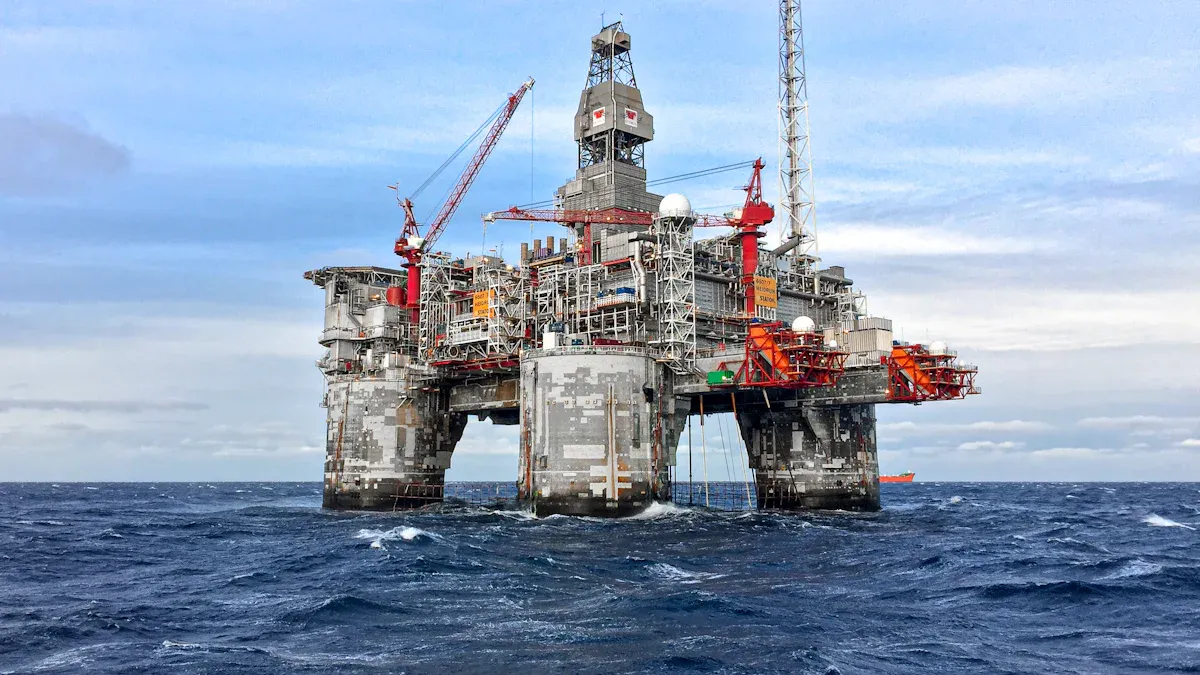
Drilling rigs thermal protection guarantees runtime, ensuring your machines operate efficiently for extended periods. By utilizing drilling rigs thermal protection, you minimize financial losses associated with downtime. Preventing overheating is crucial for B2B contractors, utilities, and municipal projects. CEGC provides market-standard specifications and offers customization tailored to your specific project needs. With the implementation of drilling rigs thermal protection, issues such as stuck pipe, tool wear, and fluid performance are significantly improved, leading to fewer operational challenges. Overall, drilling rigs thermal protection enhances the longevity and reliability of your machines.
Key Takeaways
-
Using thermal protection on drilling rigs stops them from getting too hot and helps the machines work better.
-
Doing regular maintenance, like looking at coolant levels and cleaning filters, is important so the rigs do not break down and cost a lot of money.
-
Special solutions from CEGC can make rigs work better and help them run for a longer time.
Overheating Risks in Horizontal Directional Drilling Rigs
Engine and Powertrain Overheating
Running a horizontal directional drilling machine is not easy. One big problem is overheating. The engine can get too hot if you use the wrong coolant. Not changing coolant often enough also causes trouble. Blocked radiators or dirty filters make overheating worse. If you do not clean these parts, your machine can stop working. This means your team must pause work. You might pay more for labor and lose time. CEGC’s anti-stall powertrain and top specs help stop overheating. These features help your drill rig last longer.
Hydraulic System Heat Issues
Hydraulic oil can also get too hot. When the hydraulic system does not work well, it wastes power. This wasted power turns into heat. If the cooling system cannot handle the heat, the oil gets too hot. Hot oil can break seals and ruin the fluid. You can use a water spray cooling system to help. Air/oil and water/oil heat exchangers also help control temperature. The table below shows how these cooling methods compare:
|
Cooling Method |
Advantages |
Disadvantages |
|---|---|---|
|
Air/Oil Heat Exchangers |
Lower costs, easy maintenance |
Sensitive to air temperature, noise |
|
Water/Oil Heat Exchangers |
Quiet, stable temperature |
Higher cost, needs clean water, risk of corrosion |
Drilling Fluid and Circulation Challenges
If drilling fluids get too hot, they do not flow well. High heat makes the fluid thick and hard to move. This can wear out tools and cause more friction. Always use the right fluid and check its temperature. CEGC’s systems help keep things cool and running well.
Tip: Change coolant often and use the right kind to stop engine and hydraulic oil from getting too hot.
Cooling and Thermal Protection Strategies to Prevent Overheating
Advanced Cooling Systems and Maintenance
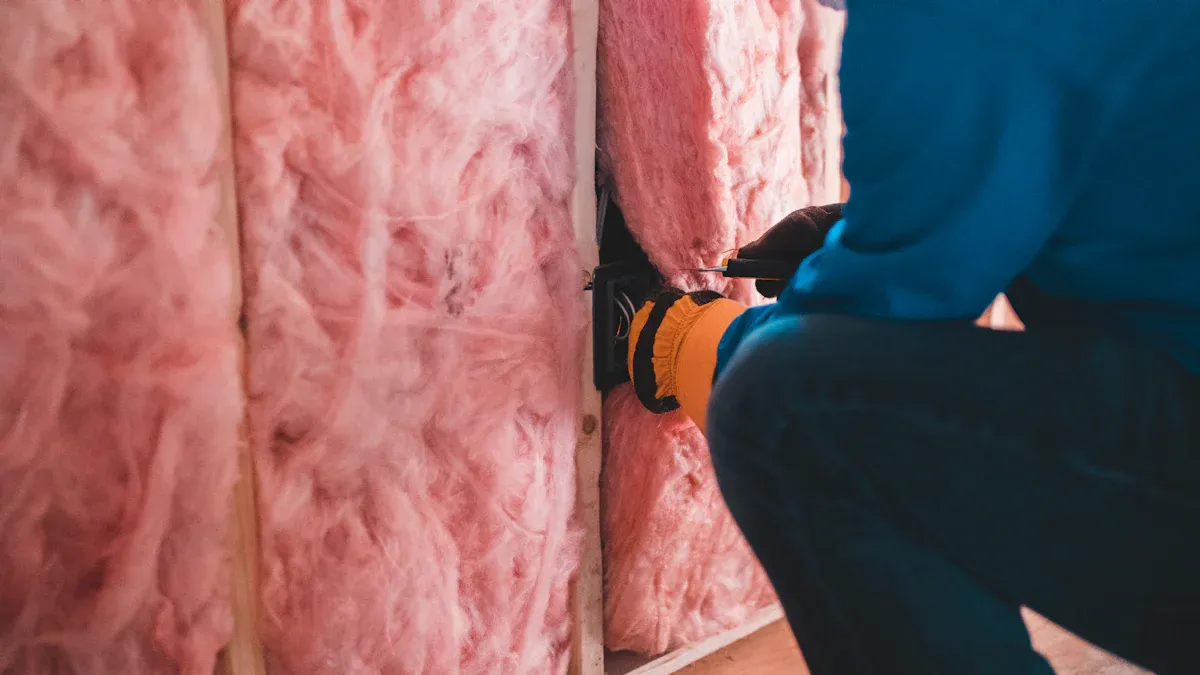
A strong cooling system helps your drilling machine stay cool. Cooling systems move heat away from the engine and other parts. Many rigs use air/oil or water/oil heat exchangers to cool things down. Some rigs have insulated drill pipes that lower the bore’s temperature by up to 62 K. Ground-level cooling for drilling mud uses plate heat exchangers or mobile coolers. These can drop fluid temperatures by as much as 25 K. These cooling methods stop overheating and keep your equipment safe.
Taking care of your cooling system is important. You should check coolant levels every day. Clean radiators and filters often. Change coolant when it is time. These steps help stop overheating and make your rig last longer. Using energy-saving cooling can cut maintenance costs by up to 35%. You also use less energy, so your rig works better and longer.
|
Cooling Strategy |
Description |
Temperature Reduction |
|---|---|---|
|
Insulated Drill Pipe |
Lowers bore temperature, protects downhole tools |
Up to 62 K |
|
Ground Cooling (Mud Coolers) |
Reduces drilling fluid temperature at the surface |
Up to 25 K |
|
Advanced Circuit Board Design |
Improves heat transfer in control systems |
Up to 5°C |
Temperature-Controlled Drilling Fluids
Drilling fluids, also called mud, help cool your drill bit and borehole. Using temperature-controlled fluids stops overheating and protects your tools. Water-based mud with water-cooled heat exchangers can lower fluid temperatures by 20–50 °C. This keeps your tools safe and helps your rig work in hot jobs.
How coolant moves through the drill bit matters a lot. Changing the waterway angle in the drill bit helps coolant carry away more heat. This makes cooling better and helps your drill bit last longer. Additives in drilling fluids can cool things down by up to 15 K. Always check fluid temperature and change your mud plan if needed.
Tip: Pick the right coolant and check its flow to keep your drill bit cool and make it last longer.
Protective Coatings and Material Upgrades
Protective coatings help your rig parts handle high heat. The thermal spray process puts a ceramic topcoat and a metallic bond coat on parts. This double layer protects your equipment from very high temperatures. The thermal spray process also makes your rig stronger and less likely to break.
Some rigs use special materials like graphene oxide-zinc oxide nanocomposites. These materials move heat away from the drill bit, so it does not get too hot. The thermal spray process builds a strong shield that works in tough drilling jobs. Special coatings like HPC® and HPC®-HT can handle heat up to 600°C and keep working.
|
Feature |
Description |
|---|---|
|
Molecular Density |
High-density coatings last longer and resist heat better |
|
Chemical Structure |
Three-dimensional bonds block heat and protect parts |
|
Environmental Resistance |
Coatings survive where standard ones fail, improving thermal resistance |
Routine Inspections and Monitoring
You should check your drilling rig every day. Daily checks help you find problems before they cause overheating. Look for leaks, check coolant levels, and make sure cooling parts work. These checks help you avoid shutdowns and keep your team safe.
Modern rigs use real-time monitoring systems. These systems watch temperature, pressure, and coolant flow. They can find early signs of overheating or voltage changes. Some systems use thermal video to spot hot spots on your rig. You can set alerts to warn you if things get too hot. This helps you act fast and stop overheating before it causes damage.
|
Benefit |
Description |
|---|---|
|
Continuous Live Monitoring |
Watch hazardous zones in real time and act quickly |
|
Early Detection of Hazards |
Find gas leaks and overheating machinery before they become serious |
|
Faster Emergency Response |
Give emergency teams live data for better decisions |
CEGC Custom Solutions for Runtime Guarantees
CEGC gives you custom cooling and thermal protection for your drilling rig. You can pick market-standard specs or ask for upgrades for your project. CEGC rigs use anti-stall powertrains, advanced coolant systems, and the latest thermal spray process to keep your rig running. You can get insulated drill pipes, special coatings, and real-time monitoring for your horizontal directional drilling hdd.
With CEGC, you can stop overheating and make your rig run longer. Custom solutions fit your job site, ground, and drilling needs. You get more uptime, lower costs, and safer work. CEGC helps you meet the needs of B2B contracting, utility work, and city projects with good cooling and thermal protection.
-
Strong thermal protection keeps your drilling rig safe and working longer.
-
Doing regular maintenance and using good cooling helps your machine stay safe.
-
Upgrading your rig makes it work better and stops it from breaking down.
Reach out to CEGC if you need standard or custom thermal protection for your horizontal directional drilling machine.
FAQ
What causes overheating in a horizontal directional drilling machine?
Overheating can happen if coolant is low. Clogged filters also cause heat problems. If the cooling system breaks, the machine gets too hot. Checking your machine often helps stop these issues.
How can you prevent overheating during drilling operations?
You should clean the radiators often. Watch the fluid temperature while you work. Use better cooling systems to keep things cool. These steps help your machine last longer and stay safe.
Why does CEGC offer custom thermal protection solutions?
Custom solutions fit your project best. CEGC helps you stop downtime. Your drilling rig can run longer with these solutions.


