
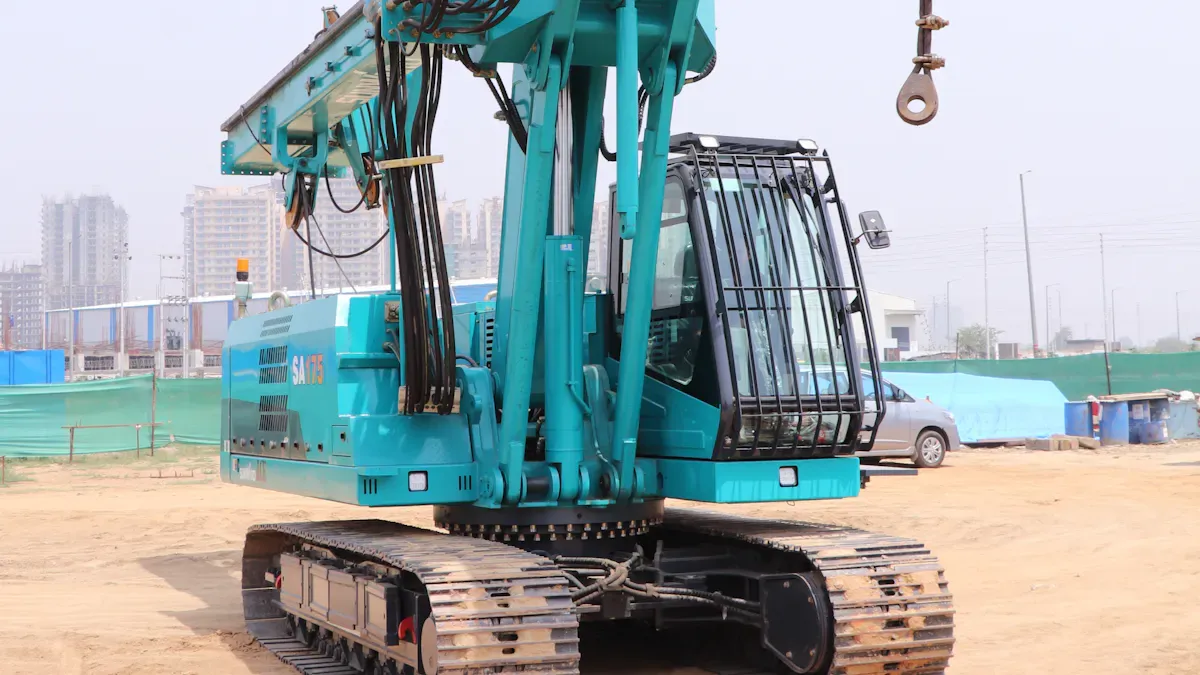
With CEGC, you can take advantage of Driven Piles 4min Rate Guarantees Fast Work, installing each driven pile in just 4 minutes. This rapid pace means your project moves quickly when you use the right tools and methods. CEGC ensures you save money, follow the correct driving rules, and collaborate efficiently. By using solid plans and maintaining quality checks, you’ll achieve the best results.
Key Takeaways
-
Choose the best equipment for your soil to make pile installation faster. Impact hammers are good for hard soils. Vibratory drivers are better for soft clays.
-
Teach your crew well to help them work faster. A skilled team can spot problems and fix them quickly. This stops expensive delays.
-
Plan your site and get the ground ready with care. Good preparation helps you avoid mistakes. It keeps your project on track.
Key Factors for Fast Installation
Equipment and Tools
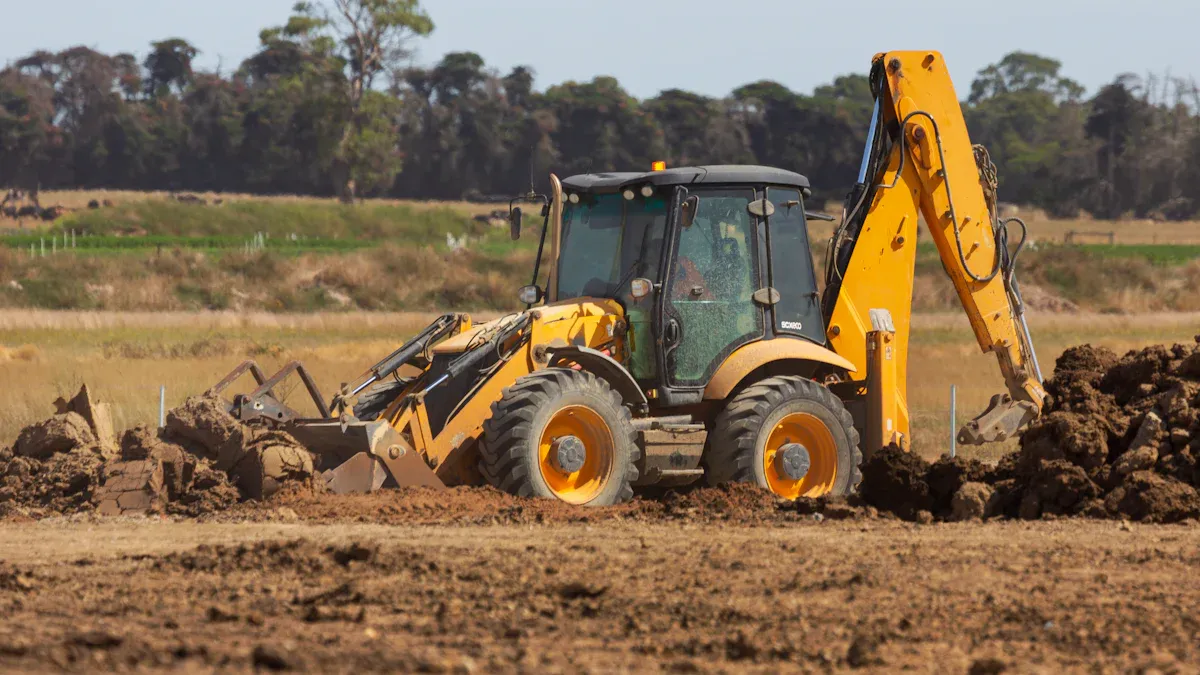
Having the right equipment helps you install piles quickly. Some machines work better in certain soils. Impact hammers are good for hard soils. Vibratory drivers work best in soft clays. Movax piling hammers and telescopic leader rigs help you work faster and more accurately. The table below shows how each hammer and rig changes how fast you can install piles:
|
Hammer Type |
Description |
Efficiency in Installation Rates |
|---|---|---|
|
Impact Hammers |
Work well with many pile-soil types. |
Changes with soil type |
|
Vibratory Drivers |
Best for soft clays and dense ground. |
Very fast in the right soil |
|
Movax Piling Hammers |
Advanced controls make work fast and accurate. |
Very productive |
|
Telescopic Leader Rigs |
Good for deep piles with great stability and accuracy. |
Best for fast production |
Crew Skills and Collaboration
A trained crew helps the job go faster. Your team should have the right training. Many workers finish long apprenticeships with lots of practice and classes. Safety training is also needed. When contractors and engineers work together, they fix problems early and make better plans. This teamwork stops delays and saves money.
Site and Subsurface Preparation
Getting ready before you start makes things go faster. Check the soil and look for things underground. Make sure piles are not damaged and keep everything clean. Use templates to keep piles straight. Lift and move piles carefully. These steps help you avoid errors and keep the job on track.
Driving Criteria and Monitoring
You need to follow clear rules for driving piles. These rules include hammer size, pile length, and keeping piles straight. Real-time monitoring systems watch pile position and tilt. They help you fix problems fast and keep quality high. Good monitoring helps you meet the Driven Piles 4min Rate Guarantees Fast Work goal.
Driven Piles 4min Rate Guarantees Fast Work: Step-by-Step Process
Pre-Installation Planning
You need a good plan before you start working. Planning helps you reach the Driven Piles 4min Rate Guarantees Fast Work goal. Check the ground and see if it matches your geotechnical report. Look at the borehole to make sure it is clean. This step keeps piles strong and makes the job safe. Always put piles in as the design shows. Load testing checks if piles can hold the weight. The table below lists the main planning steps and how they help control risks:
|
Step |
Verification |
Risks Controlled |
Acceptance Data |
|---|---|---|---|
|
Subsurface Conditions |
Depth, verticality, and subsurface match assumptions |
Inadequate embedment, reduced capacity, soil variability |
Drilling logs, verticality checks |
|
Borehole Quality |
Meets diameter, depth, and cleanliness |
Poor bond, voids, necking, weak load transfer |
Inspection records, spoil removal |
|
Installation of Pile |
Follows design geometry and load needs |
Misalignment, capacity shortfall |
Placement records, concrete logs |
|
Load Testing |
Piles perform under real loads |
Missed capacity issues, settlement |
Test results, engineer reports |
Tip: Careful planning helps you avoid delays and keeps your project on track.
Efficient Pile Handling
You can work faster if you handle piles the right way. Pick the best method for your soil and site. Vibratory hammers are fast in sandy or loose soils. Jetting works well in soft clays and sands. Press-in or hydraulic methods are good for city sites with noise rules. The table below shows which method fits your needs:
|
Technique |
Best Suited For |
Advantages |
Limitations |
|---|---|---|---|
|
Driving with Vibratory Hammers |
Sandy soils, Silts, Loose granular |
Fast, low noise, little soil movement |
Not for dense soils, may not embed deep |
|
Jetting Method |
Soft soils, Clay, Sand formations |
Less resistance, faster installation |
Not for dense soils, can cause instability |
|
Press-in or Hydraulic |
Urban, noise-sensitive areas |
Low vibration, high accuracy |
Slower, higher cost, not for hard soils |
Keep your staging area neat and organized. Put piles and tools where you can get them fast. If you do not plan your staging, you waste time looking for things. Clutter can block paths and cause safety problems. A clear staging plan keeps your work moving and helps you reach the Driven Piles 4min Rate Guarantees Fast Work target.
-
Decide where each pile will go.
-
Keep incoming and outgoing materials apart.
-
Make sure walkways stay open for forklifts and workers.
-
Clean up clutter right away.
-
Check your space plan often.
Note: Good staging means you spend less time moving piles and more time installing them.
Optimized Driving Methods
Machines and technology can help you work faster. Robotic automation helps you drive piles with more accuracy. Automated rigs can drive piles deeper and keep them straight. New machines have better power and use less energy. Advanced vibration and hammer systems can make you work up to 20% faster than old machines.
-
Robotic systems help you make fewer mistakes.
-
Automated rigs give you steady results every time.
-
New machines drive piles faster and use less fuel.
-
Balanced machines save energy and keep the work smooth.
Always pick the right machine for your soil and pile type. This step helps you meet the Driven Piles 4min Rate Guarantees Fast Work promise.
Quality Assurance and Documentation
You must check your work to keep it safe and strong. Quality assurance stops problems before they get worse. If you install piles with care, you avoid cracks and uneven settling. Misaligned piles can cause stress and damage. You should test your piles with Pile Integrity Testing (PIT). This test checks for cracks, voids, and other problems without hurting the pile.
-
Use PIT to check pile length and quality.
-
Look for cracks, necking, or bulges.
-
Keep records of every test.
Keep good records of your work. Certified welds and inspections show your work meets standards. Use AWS, AISC, and ISO 9001 certifications to prove your process is solid. Work with trusted engineers and labs. Field installation should be checked by experts.
|
Certification |
Description |
|---|---|
|
AWS |
Weld process and inspection |
|
AISC |
Structural fabrication quality |
|
ISO 9001 |
Consistent, repeatable process |
Tip: Good records and tests help you guarantee results and prove you met the Driven Piles 4min Rate Guarantees Fast Work goal.
Ensuring Consistency and Results
Performance Metrics
You can use performance metrics to track your work. These metrics help you know if you are saving money. They also show if you are finishing on time. The table below lists the main metrics and how to figure them out:
|
Metric |
What it measures |
How it’s calculated |
|---|---|---|
|
Planned value |
Approved value of work at a given point |
Planned % of project completed x total project budget |
|
Earned value |
Actual value earned at a given point |
Actual % of project completed x total project budget |
|
Cost performance index |
Cost effectiveness of a project |
Earned value / actual cost |
|
Schedule variance |
How ahead or behind schedule a project is |
Earned value – planned value |
Tip: Using these metrics helps you find problems early. This keeps your Driven Piles 4min Rate Guarantees Fast Work promise.
Troubleshooting and Verification
Sometimes, problems happen during fast pile driving. Quick troubleshooting helps you keep working. The table below shows common problems and ways to fix them:
|
Issue Description |
Solution |
|---|---|
|
Shifting Piles |
Remove things in the way or fix hammer-pile alignment. Try predrilling. |
|
Damage to Concrete Pile Near The Head |
Check stress at the pile head and add cushion if needed. |
|
Blow Count Lower Than Anticipated |
Look at field steps and check splice details. |
|
Displacement of Previously Installed Piles |
Change the order of installation or pull piles out. Predrilling helps. |
You can use verification methods to check speed and quality. These include dynamic measurements and automated systems. Reliability-based quality control also helps. These checks make sure your piles meet all rules.
Case Studies and Benefits
Many projects have shown the benefits of fast pile work. You can spend less on repairs and parts. Drilling cycles are faster, and projects finish sooner. The table below shows these benefits:
|
Benefit |
Description |
|---|---|
|
Reduced Maintenance Costs |
Fewer breakdowns and part replacements lower your expenses. |
|
Faster Drilling Cycles |
Special hammer designs speed up excavation and shorten timelines. |
|
Overall Project Timeline |
Better efficiency and less downtime help you finish construction faster. |
Note: Following these steps helps your team reach the Driven Piles 4min Rate Guarantees Fast Work goal. You will get strong results every time.
You can install a pile in 4 minutes if you plan ahead. Work with your team and check your work often.
-
Working together helps you fix problems before they get big.
-
Testing makes sure piles are strong and last a long time.
Give these steps a try and tell others how it goes!
FAQ
How do you achieve a 4-minute pile installation rate?
You use the right equipment, train your crew, and plan your work. Good preparation and teamwork help you reach this fast rate.
What equipment works best for fast pile driving?
-
Impact hammers for hard soils
-
Vibratory drivers for soft soils
-
Automated rigs for steady, quick work
How do you check pile quality during installation?
You use Pile Integrity Testing (PIT). This test finds cracks or voids. You also keep records and follow quality standards.


