
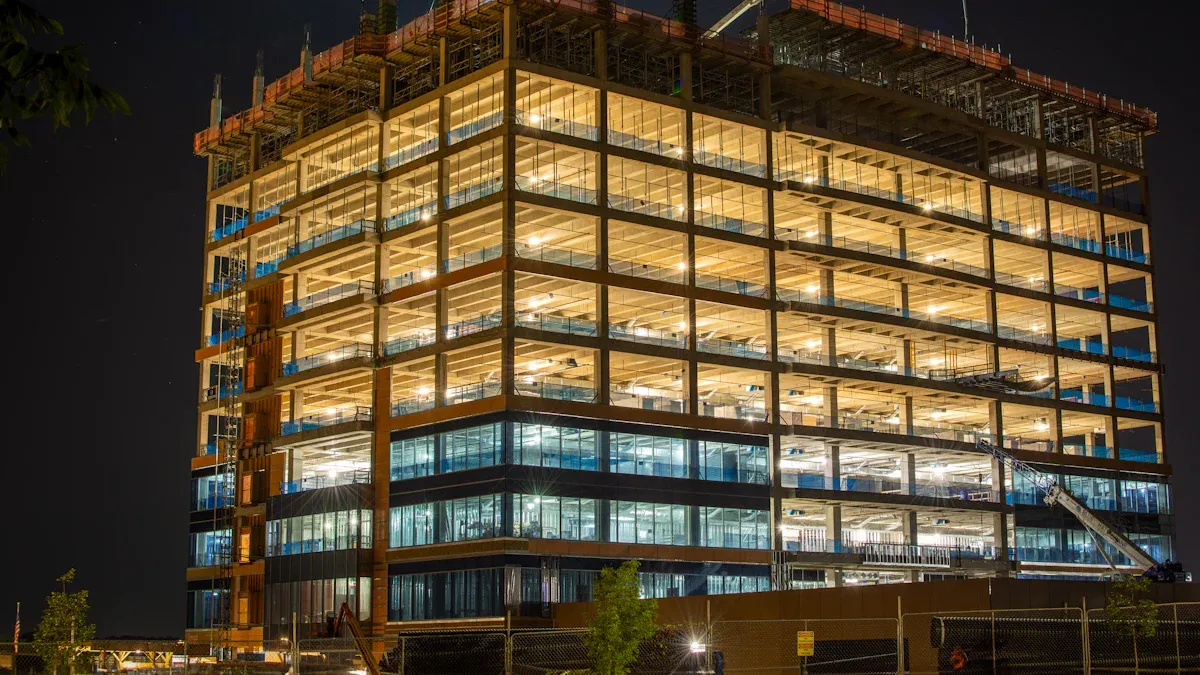
You need a steady frame to keep construction safe when putting in driven piles. CEGC engineering teams work hard and use the best ways to do things.
OSHA rules say you must check cables, sheaves, leads, and hammer parts every day before you start working.
Driven Piles Steady Frame Guarantees Safety by using the right tools, teaching workers, and caring for the environment.
-
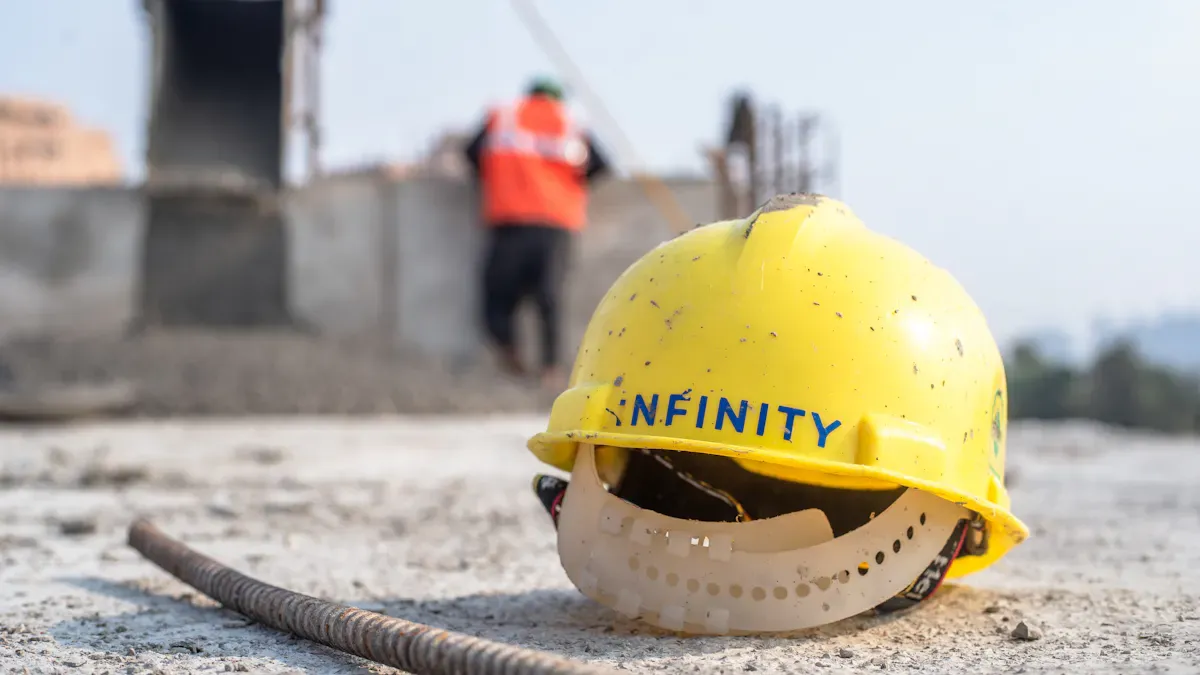
Hard hats, bright clothes, and gloves keep you safe.
Key Takeaways
-
A steady frame holds piles straight when they are put in. This stops expensive errors and keeps the structure safe. Daily checks of equipment are very important for safety. Always look at cables, hammer parts, and leads before you start work. Good planning and training make the job site safer. They protect workers and help the project go well.
Driven Piles Steady Frame Guarantees Safety
Preventing Misalignment
You need to keep every pile straight during installation. If you do not use a steady frame, piles can shift or tilt. This can cause problems for the whole structure. Driven piles steady frame guarantees safety by holding each pile in the correct position. You can trust the frame to guide the pile as it moves into the ground. When you use a steady frame, you avoid costly mistakes and delays. You also make sure the building will stand strong for many years.
Reducing Hazards
You face many hazards when you work with piles. Soil can shift or collapse. Equipment can fail. Weather can change quickly. Driven piles steady frame guarantees safety by reducing these risks. You can see the main hazards in pile driving below:
-
Soil can move and cause piles to lean or sink unevenly.
-
Equipment may break if not checked or used correctly.
-
Workers can get hurt if piles fall or shift.
-
Unexpected problems can lead to higher costs or delays.
You can plan for these problems before you start. Driven piles steady frame guarantees safety by helping you control the pile and keep it steady. You can use the frame to spot issues early and fix them before they become serious. Good planning and a steady frame help you finish the job safely and on time.
Tip: Always check your equipment and frame before you begin. This simple step can prevent many accidents.
Worker Protection
You want to keep every worker safe on the job site. Driven piles steady frame guarantees safety by creating a safer work area. When you use a steady frame, you lower the chance of piles falling or moving suddenly. Workers can focus on their tasks without fear. You also protect workers by making sure the pile stays in place during every step. Hard hats, gloves, and bright vests add another layer of safety, but the steady frame does the heavy lifting. You show you care about your team when you use the right tools and follow best practices.
Driven piles steady frame guarantees safety for every pile, every worker, and every project. You build trust and a strong reputation when you put safety first.
Steady Frame Role in Installation
Alignment and Stability
You need a steady frame to keep piles straight during installation. The frame holds each pile in the right spot. This helps you avoid leaning or shifting piles. When you use a steady frame, you improve the stability of the whole structure. You can trust the frame to guide the pile as it goes into the ground. This process gives you more control and better results.
Tip: Check the frame before you start. A strong frame means better stability for your project.
You also protect the work site. When piles stay in place, you lower the risk of accidents. You help your team feel safe and confident. Stability is not just about the piles. It is about the safety of everyone on site.
Quality Assurance
You want every pile to meet high standards. A steady frame helps you reach this goal. The frame keeps piles at the right angle and depth. You can use simple checks to make sure each pile matches the plan.
-
Use a checklist for each pile.
-
Measure the angle and depth.
-
Record your results.
When you follow these steps, you improve quality and stability. You also build trust with your team and clients. Good quality means your structure will last for many years.
Safety Practices for Installation
Pre-Construction Planning
You always plan before starting a project. Good planning helps stop mistakes and keeps everyone safe. You follow rules like ANSI/ASSP A10.19-2023 to guide your work. These rules tell you how to drive piles and stay safe. You check the site for dangers and write down any risks. You look for things like weak soil, power lines, and changes in weather. You also check local and federal rules to make sure you follow them.
You help the environment by planning ahead. You use pre-drilling to stop too much shaking in soft soil. You pick biodegradable lubricants for hydraulic pile drivers to keep water clean. You put up noise barriers to lower loud sounds. You also watch for marine mammals and stop work if you see them. You avoid breaking rules by always checking and reporting.
Tip: Make a checklist for each step of your project. This helps you stay safe and organized.
Equipment Selection
You choose the right equipment for every job. Safe equipment keeps your team and site safe. You check the piling attachment and loader before you start. You look for damage, wear, or things that do not work. You make sure all safety guards and devices are working. You clear the area and keep people away from danger.
You use restraint devices to stop the hammer from coming loose. You follow the maker’s instructions for safe speeds. You add guys, outriggers, thrust outs, counter-balances, or rail clamps to keep the pile driver steady. You stay away from the edge to stop falls or cave-ins. You watch out for power lines and other things in the way.
Critical Equipment Features Table
|
Feature |
Purpose |
|---|---|
|
Safety guards |
Protect workers from moving parts |
|
Restraint devices |
Prevent hammer disengagement |
|
Outriggers/thrust outs |
Maintain stability |
|
Inspection routines |
Detect wear or damage early |
You use these features to keep your site safe and your foundations strong.
Training and Protocols
You train every worker before the job starts. Training helps your team learn safety and follow rules. You teach workers how to use equipment and spot dangers. You show them how to wear hard hats, gloves, and bright vests. You explain what to do if you see marine mammals or hear loud noise.
You follow rules from ANSI/ASSP A10.19-2023 and other standards. You teach your team to watch for problems and report them. You make sure everyone knows what to do in an emergency. You tell your team to ask questions and report unsafe things.
Note: Training often helps your team get ready for any problem during construction.
You build safe foundations by planning, picking equipment, and training. You follow best ways to protect your workers, your site, and the environment. You make every job safer and stronger.
Installation Methods for Driven Piles
Jetting
You can use jetting as one of the main installation methods for driven piles. This method uses water or air to loosen the soil around the pile tip. Jetting lowers the friction between the pile and the ground. You will find this helpful when you need to reduce driving stresses and vibrations. Jetting can protect the pile from damage during installation. However, jetting works best in sandy soils. In clay or coarse gravel, you may face problems like soil plugging. You should always check the soil type before choosing this method.
Tip: Jetting can help you avoid structural damage to piles and nearby buildings by reducing vibrations.
Pre-Auguring
Pre-augering is another important method for pile installation. You use a drilling rig to create a narrow hole along the pile line. This process loosens the soil and makes it easier to drive the pile. Pre-augering helps you break through dense layers and reduces the risk of pile refusal. In stiff clays or dense sands, you can remove some soil to create a path for the pile. This method lowers skin friction and keeps the pile straight. You can use a leader-guided auger to remove up to 70% of the final embedment depth. Pre-augering also helps you keep wall stability and interlock friction.
Depth Control
You need good depth control for safe pile installation. You should work with geotechnical engineers early to check soil conditions. Choose the right drilling method for your site. Use real-time monitoring to track drilling parameters. Keep records of every step. Make sure you coordinate drilling with pile installation and load checks. Always plan for surprises and have backup methods ready.
-
Involve geotechnical experts at the start.
-
Select drilling methods based on soil.
-
Monitor drilling and keep records.
-
Coordinate drilling and installation.
-
Prepare for unexpected conditions.
Note: Stop pile driving just short of the final depth. This step helps you keep the pile stable and avoid over-driving.
Overcoming Challenges in Installation
Soil Conditions
You deal with many types of soil when installing piles. Some soils stop piles from going deep enough. Other soils make piles twist or lean. You must think about soil stability at every step. The table below shows common problems and ways to fix them:
|
Challenge |
Solution |
|---|---|
|
Pile refusal before designed depth |
Pre-augering |
|
Pile deflection or twisting |
Silent Pressing with Water Lubrication |
|
Excessive vibration or noise |
Specialized Piling Equipment |
|
Damage to equipment due to hard materials |
Use of adaptable piling methods |
Pick the right method for each soil type to help stability. Always check the ground before you start. Change your plan if you need to.
Equipment Issues
You need good equipment to install piles safely. Machine problems can slow your work or cause danger. Follow these steps to stop common issues:
-
Count how many hits it takes for the pile to reach the right depth.
-
Watch for extra hits. This can mean trouble with the soil or the driving system.
-
Match your driving system to the pile you use.
Modern machines like hydraulic hammers and silent piling tools help you work faster and safer. These tools also lower noise and vibration. This protects your team and the site.
Environmental Compliance
You must follow rules to keep the environment safe. Daily equipment checks, pile alignment, and stress monitoring are important. The table below lists key safety steps:
|
Safety Protocols |
Description |
|---|---|
|
Equipment Inspection |
Check cables, sheaves, leads, and hammer parts every day |
|
Pile Alignment Tolerances |
Keep piles straight to stop structural problems |
|
Driving Stress Monitoring |
Watch stress levels to stop damage |
|
Environmental Compliance |
Follow noise and vibration limits to protect nature |
You need permits and must follow laws. Good planning helps you meet these rules and keeps your project moving.
Case Studies and Examples
Urban Project Success
You can see the value of steady frames in many city projects. In one busy downtown area, workers used a steady frame to install piles for a new office building. The team worked near traffic and tall buildings. The steady frame kept each pile straight and secure. Workers felt safe because the frame did not shake or move. One worker said,
"I didn’t feel I was going to fall over or make any fall. Just went nice and steady."
You can trust a steady frame to help you finish work on time. The project did not have any major accidents. The building passed all safety checks. The team finished the job faster because they did not need to fix mistakes. You can see how steady frames help you work safely, even in busy places.
-
Workers felt safe and confident.
-
The project stayed on schedule.
-
The building met all safety rules.
Lessons from Incidents
You can learn from jobs where teams did not use steady frames. In one case, a crew tried to drive piles without a steady frame. The piles leaned and shifted. Workers felt nervous and unsafe. One person said,
"It feels more secure. Yeah,"
when comparing the steady frame to the old method.
You should always use a steady frame to avoid these problems. You protect your team and your project. You build trust with your workers when you choose the safest tools.
You keep your site safe when you use steady frames and follow safety rules. Always check your equipment and follow standards.
Stay alert and train your team often.
-
Use the right methods
-
Protect the environment
You build strong foundations when you put safety first.
FAQ
What does a steady frame do during pile installation?
A steady frame holds each pile straight. You get better safety and quality.
Tip: Always check the frame before you start work.
Why should you stop pile driving before final depth?
You stop early to keep piles stable. This step prevents over-driving and damage.
-
Protects the pile
-
Keeps the site safe
How often should you check your equipment?
You must check your equipment every day before work.
|
Check Item |
How Often |
|---|---|
|
Cables |
Daily |
|
Hammer parts |
Daily |
|
Leads |
Daily |


