
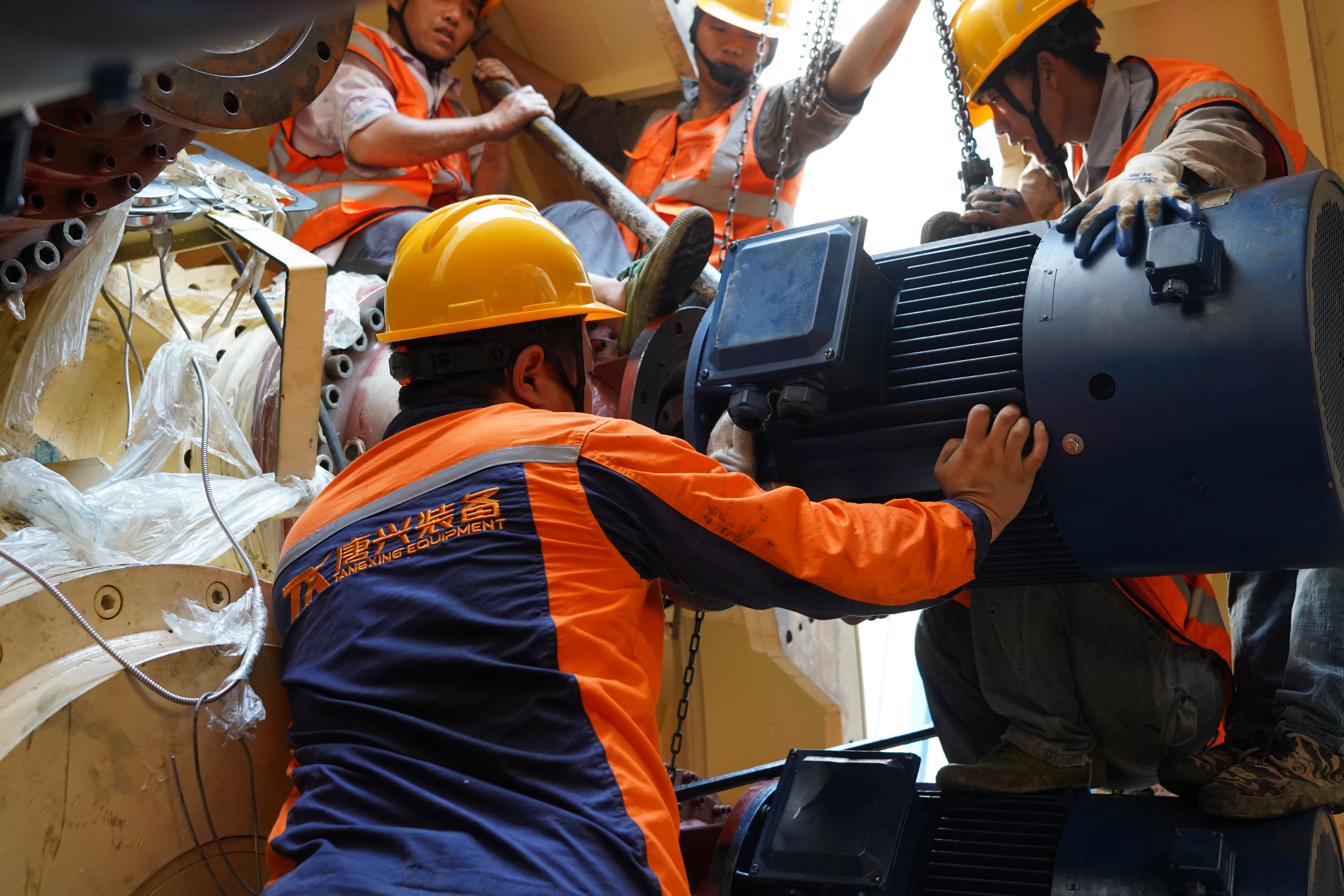
You need to use the same load on driven piles. This helps stop them from breaking. Uneven loads can cause damage. Bad equipment can also cause problems. Hard site conditions make things worse. CEGC experts understand that Driven Piles Uniform Load Prevents Breaking. Use correct steps and tools. This keeps piles strong and safe when you install them.
Key Takeaways
-
Put the same load on all driven piles to stop them from breaking. This makes sure every pile stays strong and spreads stress out evenly.
-
Watch how the load is spread while installing. Use sensors to find stress that is not even and fix problems right away.
-
Pick the correct equipment and follow the right steps to install. Careful planning and doing things the right way make the foundation safe and long-lasting.
Uniform Load In Driven Piles
What Is Uniform Load
Uniform load means the force is spread out the same on each pile. No pile should have more weight than the others. When you use the same load, all piles help each other. This stops one pile from getting too much stress. It keeps every pile steady and strong.
Tip: Always check how the load is shared before and during installation. You can use special tools to see if each pile gets the same force.
Why Uniform Load Matters
You keep your foundation strong when you use uniform load. Civil engineering research shows uniform load changes how the ground settles. If you spread the load evenly, you lower the risk of uneven settling. The soil around the piles can handle stress better too.
-
Uniform load stops too much stress from building up in pile groups. This helps prevent too much settling.
-
Longer piles move loads better. You get better results when you pick the right pile length and space them well.
-
Predictive methods use load sharing and how piles interact to guess settlement. You can plan your project more carefully.
You stop piles from breaking when you do these things. Your foundation stays safe and works well. Uniform load lets you control how stress moves in the soil. You make stronger buildings and avoid expensive fixes.
Causes Of Pile Breaking
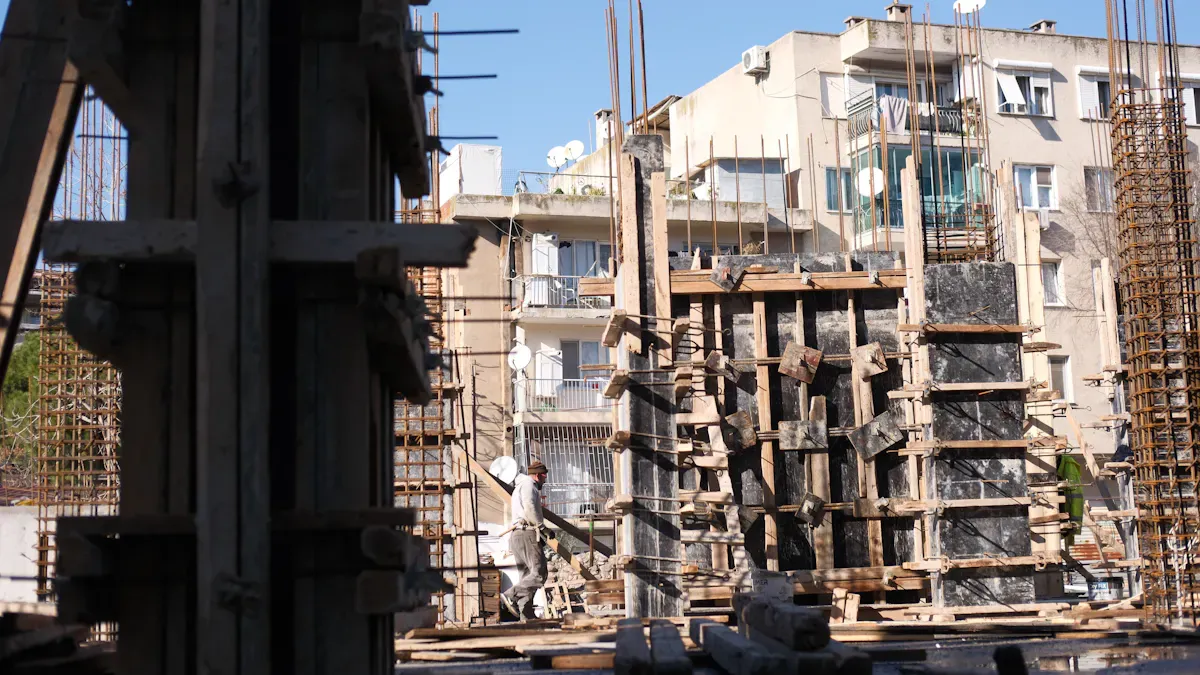
Uneven Load Distribution
Pile breaking happens when the load is not even. If some piles get more weight, they get stressed. These stress points can make cracks or break the piles. Here are ways uneven load causes problems:
-
Overlapping stress zones in pile groups make each pile weaker.
-
Soil changes or mistakes in building can give some piles too much load.
-
When stress fields overlap, the group does not work well. This can make piles settle too much or even fail.
Many builders make mistakes by not checking load balance. You should not use wrong pile design and always check for even load sharing.
Soil And Site Variability
Soil and site conditions are different everywhere. If you do not check the ground well, you can miss problems. Hard layers, soft spots, or things in the soil can move piles. When you drive piles into these places, you might see:
-
Things in the ground can push piles sideways and move them.
-
Hard or soft soil layers can make some piles settle more.
-
Moving piles can give uneven support and break piles.
Builders make mistakes if they ignore soil changes or do not plan for movement. You need to study the ground before you start.
Equipment And Installation Errors
Piles can break if you use the wrong equipment or make mistakes when building. Some common mistakes are:
-
Putting piles in the wrong place can give uneven load and wrong pile design.
-
Not enough cushion can cause spalling and high stress at the pile head.
-
Hitting things in the ground can push piles sideways and move them.
Tip: Always check your tools and steps before you start. Good planning helps you avoid wrong pile design and keeps piles safe.
Driven Piles Uniform Load Prevents Breaking
Stress Distribution Mechanics
You need to understand how stress moves through piles during pile driving. When you use a uniform load, you spread the force evenly across all piles. This keeps each pile safe from high driving stresses. If you do not use a uniform load, some piles get more force than others. These piles can crack or break because they cannot handle the extra stress.
Look at the table below. It shows how stress changes in piles before and after excavation, and under loading. You can see that piles with uneven loading face much higher stress. For example, pile P7 shows stress up to 2.4 times higher than before. This means uneven loading can make piles much weaker.
|
Pile |
SCR Pre-Excavation |
SCR Post-Excavation (No Loading) |
SCR Post-Excavation (Under Loading) |
|---|---|---|---|
|
P1 |
1.0 |
Significant increase |
N/A |
|
P7 |
Higher than P1 |
N/A |
Up to 2.4 times the pre-excavation value |
|
P14 |
Little variation |
N/A |
N/A |
You want all piles to act together. When you use driven piles uniform load prevents breaking, you lower the risk of one pile taking too much force. This helps your foundation stay strong. You also avoid sudden pile failure during pile driving.
Tip: Always check stress levels during pile driving. Use sensors to see if any pile gets too much force.
Prevention Of Structural Failure
You can stop piles from breaking by using a uniform load during pile driving. This method spreads driving stresses across all piles. You do not let one pile carry too much weight. When you do this, you protect your foundation from damage.
Let’s look at a real-world example. On a bridge project, workers used driven piles uniform load prevents breaking as their main rule. They checked each pile during pile driving. They found that when they kept the load even, no piles broke. The bridge stayed safe and strong. In another project, workers ignored load balance. Several piles cracked during pile driving. The team had to stop work and fix the damage. This cost more money and time.
You can see that driven piles uniform load prevents breaking is not just a rule. It is a proven way to keep your piles safe. You avoid costly repairs and delays. You also make sure your foundation lasts for many years.
-
Use the same pile driving force on each pile.
-
Watch for signs of uneven stress.
-
Fix problems right away to keep piles safe.
You control the outcome when you follow these steps. Driven piles uniform load prevents breaking and keeps your project on track.
Achieving Uniform Load During Installation
Hydraulic Torque Equipment Selection
Pick the right hydraulic torque equipment for screw pile installation. This tool gives steady force and helps control pile depth. Using the correct tools makes pile driving work well. It also stops pile penetration problems. Always check if your equipment fits the pile size and site conditions.
Monitoring Installation Torque
Watch the installation torque during screw pile installation. Real-time data shows how resistance connects to load capacity. This helps you change things fast if needed. You keep piles safe and make sure they follow design rules. Torque checks show if piles are deep enough and strong, which helps your foundation.
Tip: Use sensors and write down data during installation. This helps you find problems early and fix them quickly.
Cushioning And Driving Head Control
You can keep piles safe by using good cushioning and driving head control. Try these ideas:
-
Helmets and cushions take in impact energy and protect the pile head.
-
Many pick points and spreader bars share the load and stop piles from moving sideways.
-
Wide synthetic slings spread pressure and keep piles strong.
Verticality And Alignment Guides
Keep piles straight and lined up. Use guides and templates for screw pile installation. This stops bending and keeps the load even. Careful setup stops mistakes and keeps your foundation safe.
Trimming And Cutoff Practices
Follow these steps for trimming and cutoff:
-
Mark where you need to cut each pile.
-
Take off loose concrete to reach solid material.
-
Cut or break the pile head but do not hurt the steel.
-
Clean and get the reinforcement ready.
-
Build the pile cap to connect the trimmed piles.
Pre-Drilling And Installation Sequence
Use pre-drilling if the soil is hard. Plan your installation order to stop pile penetration problems. Teamwork is important. Work together, check the site, and plan well. Watch torque and look at piles to keep quality high.
|
Benefits |
|
|---|---|
|
Torque Monitoring |
Shows if piles are deep enough and strong, making the foundation last longer. |
|
Real-time Data |
Helps keep helical pile placement correct and lowers mistakes. |
|
Visual and Operational Checks |
Checks rotation, pressure, and angle, and gives good notes for reports. |
|
Early Problem Detection |
Lets you control quality right away and find problems early. |
|
Compliance and Reporting |
Records important things for client reports and future use. |
|
Consistent Quality Maintenance |
Helps you spot changes fast and fix how you work. |
Warning Signs Of Pile Breaking
Visual And Audible Indicators
You can spot early warning signs of pile breaking if you know what to look for. Watch for cracks or chips on the surface of piles. These cracks often appear near the pile head or along the shaft. You may also see concrete spalling or exposed steel. Listen for sharp snapping or popping sounds during installation. These noises can mean the pile is under too much stress. If you notice piles leaning or shifting, this can signal movement below the ground.
If you see any of these signs of overstress, stop work and check the piles right away. Quick action can prevent bigger problems.
Monitoring Data Alerts
You can use monitoring systems to help catch problems before they get worse. Modern systems, like MWD (Measurement While Drilling), give you real-time data during installation. These systems can show changes in force, angle, or depth. If you see sudden spikes or drops in the data, this can mean uneven load or weak spots in the soil. Sometimes, the data may not tell you everything. Experts say that current systems still have limits. They may not always show the full effect of non-uniform load on pile stability. Soil layers and pile-soil interaction can make readings hard to understand.
-
Use monitoring data as a guide, but always check piles with your eyes and ears.
-
Combine data alerts with regular site checks for the best results.
You can keep your project safe by watching for both physical and data warning signs. Early detection helps you fix issues before they lead to failure.
You keep piles safe when you use the right equipment and prepare the site well.
-
Level and compact the ground before you start.
-
Check your drilling rig often to keep it straight.
Follow these steps during installation:
-
Keep interlocks clean and use a template system.
-
Pause often to check alignment and stop if you see problems.
Stay alert and use these tips to prevent pile breaking.
FAQ
What happens if you do not use a uniform load on driven piles?
You risk pile cracking or breaking. Uneven load puts too much stress on some piles. Your foundation may fail or need costly repairs.
How can you check if piles get a uniform load?
You can use sensors to measure force on each pile. You should also watch for cracks, tilting, or strange sounds during installation.
Why do you need to monitor installation torque?
-
You see if piles reach the right depth.
-
You spot problems early.
-
You keep your foundation safe and strong.


