
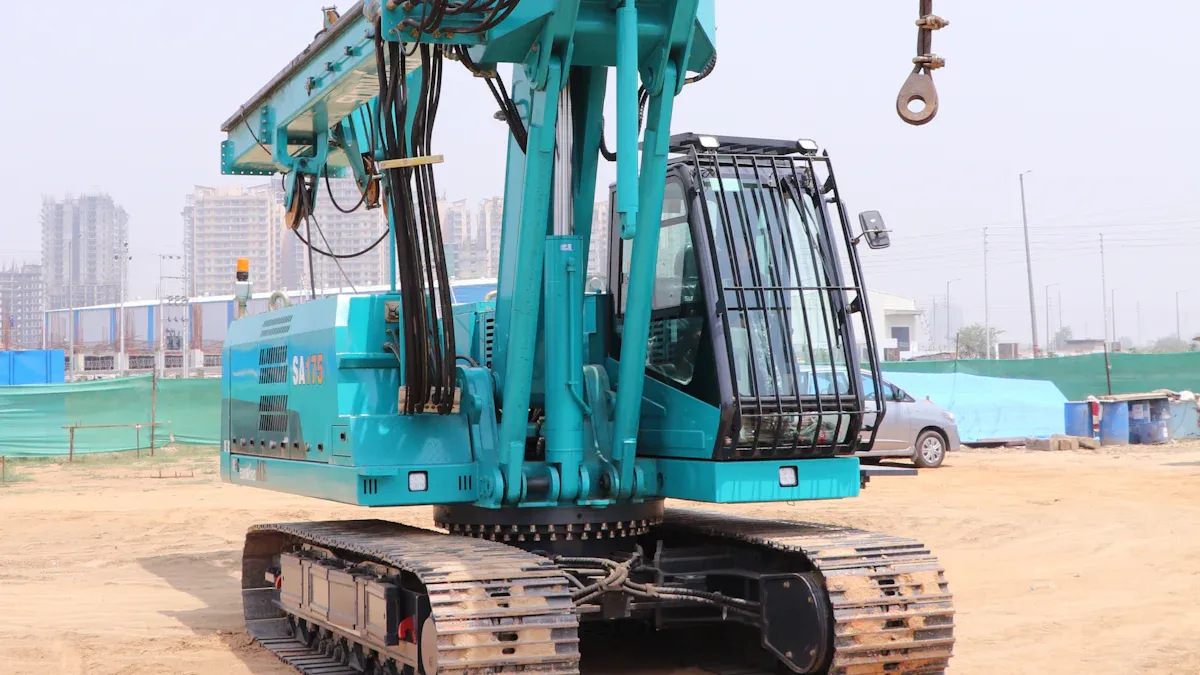
Putting things underground is hard. Old ways often fail. Damaged pipes cost the U.S. a lot, an estimated $50-$100 billion each year. Horizontal directional drilling (HDD) is a new way. This drilling works well underground, keeping things safe. A CEGC HDD Drilling Machine Steady Path Beats Obstacles. This horizontal directional drilling machine goes straight, getting past problems. This drilling uses smart guides and has strong designs, which keeps all HDD work safe. This careful horizontal directional drilling focuses on safety, making sure it is safe.
Key Takeaways
-
HDD is a clever way to place pipes and wires. It puts them under the ground. Special tools guide the drill. This avoids rocks or old pipes.
-
HDD machines have strong engines. They use smart systems. These drill through hard ground. The systems also protect the machine. They keep the path straight.
-
Good planning is key. The right tools are important. Careful mud handling matters. These steps keep the ground steady. They protect nature. They make the project safe.
Understanding Horizontal Directional Drilling
What is HDD Technology
Horizontal directional drilling (HDD) is a trenchless method. It installs underground pipelines and cables. This technology drills a pilot hole. It follows a planned path. A special drill bit leads. Operators use guidance systems. These are walkover electronic trackers or wireline steering. They control the drill bit. Gyro steering tools also help. They keep it accurate. Drilling mud is very important. It cools the drill bit. It carries soil to the surface. This method is very precise. It controls the borehole's direction well. This makes drilling effective and fast. It works in many ground types.
Key Components of an HDD Rig
An HDD machine has key parts. The power system is often a diesel engine. It gives energy for all work. The hoisting system lifts and lowers the drill string. This includes pipes and the drill bit. The rotary system spins the drill string and bit. The circulating system handles drilling fluid. It pumps mud through the string. It collects cuttings. The control system watches all rig parts. It makes sure they work right. The directional control system allows angled paths. It uses tools like downhole motors. Extra equipment handles drill pipes. It helps with upkeep. All parts work for good drilling.
The Trenchless Advantage of HDD
HDD is trenchless. This has many good points. It disturbs the surface very little. This is good in cities. It avoids digging up roads. It also helps the environment. It disturbs nature less. It helps prevent soil erosion. Setup costs might be more at first. But the total project cost is often less. This is because of less labor. Installation is faster. HDD is flexible. It works in different soils. It can cross rivers and railways. Better safety is another big plus. It lowers accident risk. This is compared to open trenches. It makes things safer for workers and people. This equipment keeps projects safe.
Going Around Things Underground When Drilling
Rocks, Dirt, and Water Problems
Drilling sideways underground hits many natural problems. Hard rocks like granite and basalt are tough to drill. They wear out drill bits fast. This can make the drill go off course. Loose dirt like sand and silt can make holes fall in. This makes it hard to keep a steady hole. Clay dirt can stick to the drill. It can also make the hole shrink. Areas with cracks in the ground are not steady. This makes drilling more risky. Lots of water underground can rush into the hole. This makes the project unsafe. Areas with caves can cause leaks and collapses. When hard and soft ground mix, tools get pushed unevenly. This makes the drill go the wrong way. Water in the ground changes how steady the dirt is. It also affects how drilling mud is used. Keeping the hole steady is very important for good drilling.
Things People Built: Pipes and Buildings
Old pipes and wires are big dangers when drilling. Not hitting these is very important for everyone's safety. Workers must call 811 to find underground lines. Looking at the path helps spot possible pipes and wires. Checking old maps confirms where things are. Digging small holes shows how deep lines are. This is a key safety step. Digging holes also lets you see the drill part. This helps the drill operator. Drilling slowly lets trackers find big blocks. Checking trackers often is very important during drilling. This stops unexpected dangers.
Nature and Surface Limits
Drilling projects must follow strict nature rules. These rules keep nature safe. They protect underground water and special natural places. Handling drilling mud and stopping dirt from washing away are important. Getting permission can take a long time. This causes delays and makes projects riskier. City areas have limits on the surface. Not having much room to work is a common problem. This often needs special tools for drilling. Working with city leaders makes projects safe. These limits affect how drilling is planned and done.
Precision Guidance for a Steady Path
A horizontal directional drilling machine needs exact control. This control makes sure the drill follows its planned way. It keeps away from things underground. Good guidance systems are key to this. They help the drill stay on a steady path. This is very important for hard projects.
Advanced Steering and Tracking Systems
New horizontal directional drilling uses smart steering and tracking. These systems guide the drill bit very well. Old tracking systems, like Radiodetection's RD300 from 1988, first fixed drill string wrap-up. They used a gravity switch. This switch sent a steady signal. This happened when the sonde was at the 12 o’clock spot. This helped make good fixes. Later, Ditch Witch's Subsite system joined a cable finder with digital signal work. It used a gravity roll sensor. This sensor completely stopped wrap-up steering mistakes. Digital Control's DigiTrak system, also from the early 1990s, used two antennas. This got rid of fake locators. It also showed depth all the time.
Today's tools have even better features. CAN bus systems link drill jobs to joystick controls. This makes the wire system simpler. It means the operator does less. It also makes the machine easier to fix. New Vermeer HDD models with CAN bus have 30% fewer wires. This makes finding problems easier. These systems also gather telematics data. This helps with fixing things before they break. It also tracks how much work is done. Automatic features make drills easier to use. For example, the Vermeer D24 drill has an Automated Rod Exchange (ARE) system. This system changes rods with little help from the operator. It cuts down on manual steps. It makes sure work is always the same. It also makes parts last longer. Better access to machine problem info is also there. Easy-to-use touch screens help operators fix problems. They give clear steps. This means less time wasted.
Newer systems include hybrid types. These mix wireline and walkover methods. A sender in the drill head sends information. This info includes pitch, roll, and direction. A surface receiver sends this info to a remote unit at the drill. This unit then figures out the spot. Other new systems use antenna cells near the drill path. These cells send info to a main station. This lets drilling go past antenna cells. This is good where it's hard to get to the surface. Old systems only gave rough direction and shallow depth. Today's systems show remote displays with roll, pitch, battery status, and heat. They give exact direction and warning of problems. They also record the bore path over 140 feet deep. Senders now work for a week or more. Drilling over 70 feet deep is common. Even runs deeper than 100 feet use the same receiving system. This is often with a cable-supplied sender. These monitoring tools make sure control is exact.
Maintaining Bore Accuracy and Grade
Keeping bore accuracy and grade is very important for any horizontal directional drilling project. The CEGC Precision Guidance & Stability System helps do this. It uses load-matched control. This system lines up thrust/pullback, spin, and feed. This makes sure the drill moves smoothly. A very stiff frame and carriage alignment lessen shaking and movement. This helps with overall steadiness. The system is also ready for tracking. It works with optional data logging and process control. This allows for constant bore path checking. Operators get real-time tracking data. This data helps them make quick changes. This constant checking makes sure the drill stays on its planned way. It stops it from going off course. This leads to a good drilling process.
Preventing Bore Deviation and Crossing Failure
Stopping bore deviation and crossing failure is a main goal. The CEGC Precision Guidance & Stability System offers answers. Special drill bits make work better. They lower the chance of failure. Examples are directional PDC drill bits and 'Varel High Energy Series bits'. These are for tough horizontal drilling spots. Mud Motors are placed near the drill bit. They use drilling fluid pressure to steer the bit. This happens when the drillstring is still. This allows for exact direction changes. Rotary Steerable Systems (RSS) let drilling and steering happen at the same time. They let us reach places we couldn't before. They also work better than mud motors.
Bottom Hole Assembly (BHA) setups are often bent. These parts help make turns by moving them. Custom whipstocks work with downhole motors. They mean you don't have to take them out between drilling. This makes drilling time longer. Connected or wired pipe systems, like Intelliserve, send real-time info. This info comes from downhole sensors to the surface. It helps with checking and control. Wellbore stability is key. This is true in deeper or longer directional drilling. More rubbing and uneven pressure can stress the drillstring. Good equipment handles high-pressure/high-temperature spots.
Directional well planning is also very important. Computer programs are used. These include 2D and 3D models. They plan the well path based on ground data. They use seismic info and real-time MWD data. This helps engineers guess and lower risks. This full approach makes sure the hdd drilling machine steady path beats obstacles. It promises a steady move forward. This focus on safety and exactness makes horizontal directional drilling a trusted method. The strong equipment and constant checking make projects safe.
Powering Through: Anti-Stall and Overload Protection
Preventing Stuck Pipe and Torque Spikes
Stuck pipes and sudden twists are big problems. They cause delays. They cost money. These issues can break machines. This happens if not handled well. A stuck pipe means the drill string is trapped. Drill cuttings can build up. Poor cleaning of the hole is a common cause. The ground can also be unstable. Sometimes, the drill string gets stuck. This is due to different forces. This happens in angled holes. Complex wells are harder to drill. They make these issues worse. Bad hole cleaning often causes stuck pipes.
Sticking happens when pressure is too high. This pushes the drill string into the mud. Mechanical problems also cause stuck pipes. These include keyseating. Packoff from bad cleaning can cause it. Shale swelling is another reason. The wellbore can also collapse. Bridging can trap the pipe too.
CEGC's Anti-Stall Powertrain helps stop these issues. It uses hydraulic load sensing. It also manages pressure. This system controls forces carefully. It also has slow ramp-up and ramp-down. This lessens shocks on parts. Managing drilling fluid is also key. Keeping good mud quality helps. Adjusting drilling fluid density can stop sticking. For example, make it thicker for swelling shale. Make it thinner for empty zones. Using oil-based fluids helps. They make things slippery. Treating water-based fluids also helps. It makes thin, strong mud. Watch for torque and drag increases. Look for too many cuttings. Watch for tight spots when pulling out. These are early warning signs. The CEGC system helps operators react fast. This stops costly stuck pipes. It keeps drilling safe. It also lowers machine breakdowns.
High-Torque Output for Hard Ground
Drilling through hard ground needs much power. The CEGC Anti-Stall Powertrain gives high torque. It also has a wide speed range. This lets the machine cut through tough ground. This power keeps drilling steady. It stops the drill from slowing down. For very hard ground, a "rock package" is an option. This package has extra cooling. It also has better filters. It gives more torque. Strong parts are in this package. These features help with tough conditions. They stop machine failures. They keep drilling smooth. This high torque is key. It makes drilling good and sure. This is true in hard places.
Protecting Equipment from Overload
Protecting drilling machines from too much work is vital. It stops damage. It prevents costly stops. It also helps avoid machine failures. The CEGC system has safety features. Fuse boxes are next to the relay panel. These boxes have fuses. They protect against electrical problems. They stop too much current. They cut off power. This protects electrical parts. It saves the drill rig. This happens during an overload.
An Overload Safety Protection Device is also built-in. This device stops problems. It stops drill pipe from sticking. It stops it from breaking. This can happen in tough ground. It avoids big losses. The Limit Power Control Function is another key part. This function changes engine power. It matches the work load. This stops the engine from overloading. It also makes it last longer. These safety parts keep machines safe. They also help the whole drilling project. They help stop machine failures. They help the HDD drilling machine steady path beats obstacles.
Making HDD Work Better: Tools and Mud
Strong Tools for Good Drilling
Picking the right tools is very important. It helps horizontal directional drilling work well. CEGC makes sure its tools work with many reamers. This helps drill in different kinds of ground. Smooth power delivery stops tools from shaking. It also stops them from wearing out unevenly. This makes tools last longer. Drag bits are best for soft ground. They are made of strong steel. This design helps them not break. Three-cone rolling cutter bits work well in harder dirt. How well they work depends on their cone angle. It also depends on what they are made of. Steel tooth bits are strong and not too expensive. Tungsten carbide parts are for very tough ground. PDC bits can handle very hard rock. They are very strong. To see how good a drill bit is, check how fast it drills. How well it resists wear is also key. Bits that last longer cost less to use. These strong tools help the HDD drilling machine stay steady. It helps it get past problems.
Handling Drilling Mud and Frac-Out Risk
Managing drilling mud well is very important. It helps stop frac-out risk. CEGC tells you how big your pump should be. This matches the mud flow and pressure. It matches the bore length and ground type. The path the mud takes is also important. How ready the filters are matters too. These things help keep the mud good. Following mud rules is key. This includes mixing it right. It also means watching it closely. This makes sure the mud works well. Low flow or pressure makes the drill twist more. It also makes the pipe more likely to get stuck. Losing mud or having a frac-out causes problems. It means more cleaning and rule breaking. Bad mud makes the hole less steady. Good mud handling makes HDD work safer.
Keeping the Hole Steady and Clean
Keeping the hole steady is very important. Cleaning the hole well is also key. This helps drilling be successful. Making the drilling mud right is important. Changing its thickness, stickiness, and gel strength helps. This moves the drilled bits out. Good mud systems stay stable in heat. They also make things slippery. Controlling how fast the mud flows helps. Spinning the drill string also helps. Faster mud flow lifts the drilled bits. Spinning the drill string keeps bits from piling up. Tools like reamers and hole openers make the hole bigger. They take out piled-up dirt. Jetting subs use strong fluid. This fluid breaks up drilled bits. Thick mud flushes out dirt. Watching in real-time gives info. It shows the size of drilled bits and pressure. This lets you make changes quickly. Good hole cleaning stops the hole from becoming unsteady. It stops the hole from falling in. This is very important in horizontal directional drilling. Drilled bits settling due to gravity is a big problem. This careful drilling makes projects safe.
Ensuring Safety and Success in HDD Projects
Mitigating Risks of Utility Strikes
Stopping utility strikes is very important. It keeps drilling projects safe. Good planning is a must. This means drawing the drilling path. It also means finding existing utilities. Digital tools help plan the path. They use GPS data. They use rig details. They use utility info. This makes things more exact. Vacuum excavators find and show utilities. This is the safest way. Putting a tracer wire with the product helps find it later. This lowers future risk. Find and map all utilities before drilling. This stops underground utility strikes. Call 811 for public lines. Find private lines too. This is very important. Good locating systems use many signals. This stops problems. It makes signals clear. Check equipment often. Watch it closely. This makes readings right. These steps make things safer.
Environmental Protection in HDD Operations
Protecting nature is a top goal. This is true in hdd operations. Rules affect if a project can happen. HDD helps clean energy. It does not harm the surface much. This makes it good for special places. Rules for chemicals stop leaks. A good system watches the environment. It finds spills fast. Working with local people builds trust. Checks look at how nature is affected. Picking the right spot helps stop water pollution. Special pipes and walls protect water. Check water quality often. This finds pollution early. It lets you act fast. This teamwork helps nature. It makes sure drilling is safe for nature. These steps lower hazards.
The Importance of Prior Planning and Expertise
Good planning and skill are key. They make horizontal directional drilling projects work. Check the route well. Look at the ground. Map utilities. Check nature. Make sure you can get to the property. Rules for nature mean handling drilling fluid well. They mean protecting animals. Getting permits is important. Following local rules is key. Set up the site carefully. Pick the right equipment. Place it well. Strong safety rules are needed. Experts in GPR and GIS are vital. Safety experts know about guards. They know about how to work. Follow OSHA rules. Follow nature rules. Keep learning new things. This helps teams stay current. This makes projects faster. It means fewer safety problems. It also means less equipment damage. These steps lower hazards.
Smart guides help the HDD drilling machine. Strong power helps it. Good fluid and tool control help it. This makes the machine go straight. It helps with exact drilling. This way of drilling is good for nature. It costs less money. It finishes projects on time. This makes it a key tool. It builds new things. It is a good drilling solution. It keeps projects safe. It makes drilling work well.
FAQ
How does HDD keep projects safe?
HDD plans ahead. It watches things all the time. This keeps the work site safe. It keeps workers safe too. This careful drilling lowers dangers. Safety rules are always followed. Project safety is most important.
How does technology stop drilling problems?
Technology guides precisely. It watches things live. This stops the drill from going off course. It makes drilling safer. Watching regularly is key for safe drilling.
Why is training important for HDD workers?
Good training helps workers. They learn about machines. They learn safety rules. This means fewer mistakes. Good training makes projects safer. Watching all the time helps safety.


