
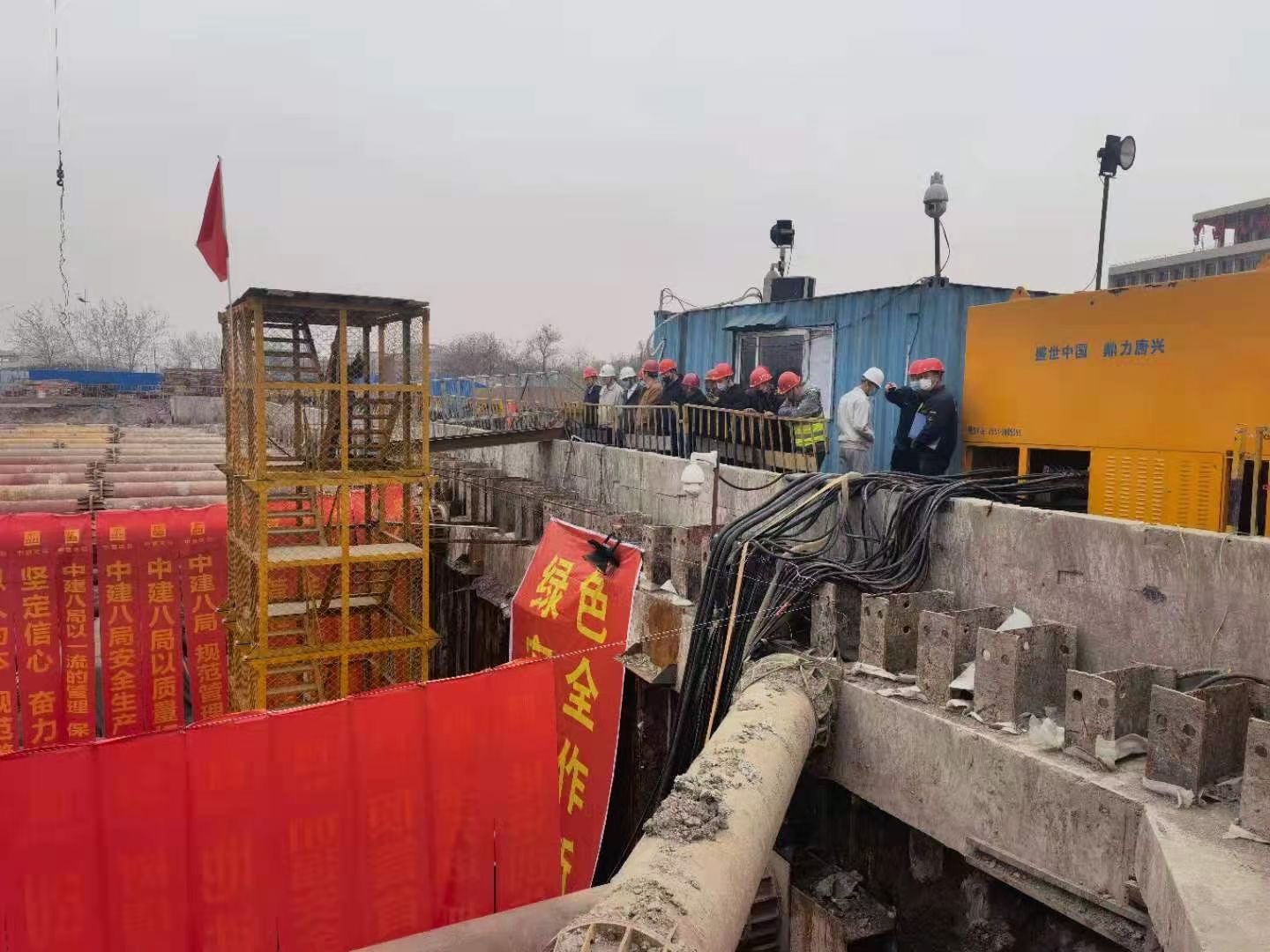
Sticky soil can slow down horizontal directional drilling, but with CEGC HDD Equipment Anti Stick Handles Sticky Soil, you get reliable solutions that prevent soil from sticking and keep your project moving efficiently. Understanding the soil type is key to selecting the right fluid and tools, and CEGC offers both standard options and custom choices to fit your specific needs.
Key Takeaways
-
Find out if the soil is sticky, like clay, before you drill. This lets you pick the best tools and fluids.
-
Use special reamers and drilling fluids to handle sticky soil well. This helps your project stay on time and stops delays.
-
Take care of your drilling equipment often. This stops damage and helps your tools work well in tough soil.
Sticky Soil Challenges in Horizontal Directional Drilling
Impact on Drilling Performance
Sticky soil can make drilling much harder. Clay and silt soak up water and get bigger. This slows the drill and can trap the drill stem. Sometimes, soil sticks to the drill bits and forms clumps. This makes it tough to clear out the cuttings. Fluted reamers help by moving cuttings out and stopping clogs. If you pick the wrong tools or fluids, you might spend more money and lose time. It is important to know how sticky soil affects your tools and plan for these problems.
-
Not enough slurry can let soil pile up in the hole.
-
When soil swells, it can close the borehole around the drill.
-
Clay has tiny particles that make it extra sticky.
Identifying Sticky Soil
You should spot sticky soil before you start drilling. Clay is a type of sticky soil with a high plasticity index. It is easy to shape when wet. These soils get thick and sticky, which makes drilling harder. Look for clay’s small size and heavy feel. Wet clay gets less dense but still sticks a lot. Special drill bits and fluids can help with sticky soil. You need to check soil types to pick the best tools and additives.
-
Mixing clay with drilling mud helps stop balling up.
-
Reamers should not have flat, solid surfaces to keep clay from sticking.
Bore Deviation and Stuck Pipe Risks
Sticky soil can make the bore go off track or trap the pipe. You need to use good methods to lower these risks. The table below lists some common ways:
|
Strategy |
Description |
|---|---|
|
Maintain low mud pressure |
Keep mud pressure just above the ground pressure to stop sticking. |
|
Use filter cake control additives |
Additives help control filter cake and stop sticking. |
|
Continuous rotation and reciprocation |
Move and turn the drill string often to avoid sticking. |
|
Avoid prolonged stationary periods |
Do not keep the drill in one spot for too long. |
|
Use oil-based muds |
Oil-based muds work better in tricky soils. |
|
Design BHA to minimize contact |
Make sure the drill touches the wellbore less. |
|
Use X-Tra Seal R |
This makes a strong filter cake for high pressure. |
You should also watch out for mistakes. Do not use too little drilling fluid. Change your mud mix if the ground changes. Use clay inhibitors to keep the borehole safe. If you compare soils, you can find the best way to drill.
HDD Equipment Anti Stick Solutions for Sticky Soil
Specialized Tooling and Reamers
You need special tools to work with sticky soil. Some reamers and backreamers are made for tough soils and sticky clay. A good reamer, like the Tornado reamer, mixes clay with drilling fluid. This keeps the soil loose and stops it from clumping. You should use reamers that spin fast. These reamers make sticky soil less thick and help you drill in clay. Regular fluted reamers do not work well because clay sticks to them.
Here are some features that help in sticky soil:
|
Feature Description |
Contribution to Performance |
|---|---|
|
Tall shark teeth in a spiral pattern |
Cuts smoothly and quickly |
|
Tapered packing section |
Mixes and pumps better |
|
Back-up blades |
Makes pushing back easier |
Picking the right bit and reamer helps you finish your hdd. It also makes your tools last longer and keeps your job on schedule.
Tip: Pick backreamers with less surface area to stop sticking in sticky soils.
Fluid Management and Clay Inhibitors
Drilling fluid is very important for hdd equipment anti stick handles sticky soil. You need to choose the right fluid for sticky, loose, or mixed soils. Clay inhibitors and detergents help with sticky clays. Detergents make water less sticky but do not stop clay from sticking. Clay inhibitors keep the hole safe and stop swelling.
Here are some common drilling fluid additives:
|
Product Name |
Description |
|---|---|
|
Oil-based lube that makes water-based fluids more slippery. |
|
|
CLAY CUTTER |
Stops clay from sticking, keeps the hole open, and lowers pressure. |
|
CLAY CUTTER PRO |
Safe clay inhibitor for sticky clays, works with polymer or bentonite. |
|
DRILL-TERGE |
Makes fluids clean better and lowers friction and drag. |
You must use the right amount of clay inhibitor. For HDD, water wells, and diamond drilling, use 2 to 8 liters per cubic meter of fluid. For oil, gas, and geothermal, use 11 to 23 liters per cubic meter. Always add clay inhibitors straight to the tank.
-
Use clay inhibitors to stop swelling in sticky clays.
-
Change your fluid for mixed or loose soils.
-
Check your fluid often for a good hdd.
Anti-Stall Powertrain Features
You need a strong powertrain to keep your drilling machine working in sticky soil. CEGC rigs have anti-stall features that sense heavy loads and control pressure. These features protect your rods and tools from sudden force. You get smooth starts and stops, which lowers shocks. This helps you avoid stuck pipes and delays in sticky and mixed soils.
-
Use rigs with hydraulic load sensing for better control.
-
Pick machines with overload protection for sticky clays.
-
Match power and torque to your soil for a good hdd.
Note: Anti-stall features help keep fluid moving and stop sticking in loose soils.
CEGC Customization and Market Specs
Every job is different. CEGC gives you hdd equipment anti stick handles sticky soil with standard and custom choices. You can get rigs made for sticky, loose, or mixed soils. CEGC checks your soil and job needs before giving advice. You get the right drilling machine for your work.
-
CEGC makes rigs for soft clay, hard gravel, and sticky clays.
-
You can pick torque, thrust, rod size, and controls.
-
CEGC helps you pick fluids and backreamers that fit.
When you use CEGC’s hdd equipment anti stick handles sticky soil, you get better results in all soils. You avoid stuck pipes, tool damage, and costly delays. You also have a better chance for a good hdd.
Tip: Always check your soil before picking your horizontal directional drilling hdd rig and fluid.
Prevention and Maintenance Methods
Soil Analysis Steps
You should always start with a careful soil analysis before using your horizontal directional drilling machine. This helps you avoid surprises and plan for sticky soil. Follow these steps:
-
Visit the site and look for any risks that could affect drilling.
-
Study the soil and rock types along your planned path. Different soils need different tools.
-
Use special equipment if you find hard rock or broken ground.
-
Place geotechnical borings no more than 500 feet apart along your route.
-
Make sure you have at least one boring on each side of the crossing, going at least 15 feet below your planned bore depth.
-
For tricky ground, add more borings to get better data.
Tip: Good soil data helps you choose the right CEGC directional drilling machine and avoid stuck pipes.
Adjusting Drilling Parameters
You can lower the risk of sticking by changing how you drill. Try these adjustments:
-
Change the weight on the bit and the speed of rotation to keep torque steady.
-
Use high-torque, low-speed motors to keep the bit moving smoothly.
-
Watch real-time data from downhole sensors to spot vibration early.
-
Adjust mud flow rate to keep cuttings moving and control pressure. Too much flow can wash out the hole, but too little can cause sticking.
-
Set the right reaming speed. Fast enough to move cuttings, but not so fast that you lose control.
The right mix of mud flow and reaming speed keeps your borehole clean and reduces the chance of stuck pipes.
Tool Wear and Maintenance
Keeping your tools in top shape helps you avoid downtime and costly repairs. Here are some best practices:
-
Clean rod threads with a steel brush and add fresh grease often.
-
Grease the sliding head shaft to stop it from sticking.
-
Check gearbox pads and replace them if they look worn.
-
Grease the water swivel every eight hours to prevent leaks.
-
Watch for leaks in the drill fluid system and fix them right away.
|
Maintenance Routine |
Benefit |
|---|---|
|
Regular inspections |
Tracks wear and damage, reducing downtime. |
|
Proper maintenance and cleaning |
Lowers repair costs and keeps tools accurate. |
|
Use of cutting fluids |
Reduces heat and wear, making tools last longer. |
|
Regular maintenance schedules |
Keeps performance high and extends tool life. |
|
Daily, weekly, and project-end checks |
Ensures tools stay in good condition. |
Note: A good maintenance routine with your CEGC trenchless drilling rig helps you finish projects on time and within budget.
You can deal with sticky soil by picking the right reamer. Use detergents to help stop soil from sticking. Test how thick your drilling fluid is before you start. Always check the soil first to choose the best fluid and tools.
|
Key Factor |
Why It Matters |
|---|---|
|
Soil Identification |
Helps you pick the right tools |
|
Fluid Management |
Makes drilling easier and smoother |
|
Equipment Selection |
Gets the best tools for tough soil |
CEGC gives you choices so you can work well in any soil.
FAQ
What makes CEGC HDD equipment handle sticky soil better?
You get anti-stall powertrain, clay inhibitor compatibility, and custom reamers. These features help you drill in sticky clay. They also help you have less downtime. You can work smoother when the soil is sticky.
Tip: Always check soil before picking your drilling machine.
How do you prevent stuck pipe during horizontal directional drilling?
You change mud flow, use clay inhibitors, and pick the right reamer. You keep the drill moving and do not stop for too long. This helps stop the pipe from getting stuck.
|
Method |
Benefit |
|---|---|
|
Clay inhibitors |
Reduce swelling |
|
Proper reamer |
Prevent sticking |
|
Mud flow control |
Keep borehole clean |
Can you customize CEGC rigs for different soil types?
Yes. You can pick torque, thrust, rod size, and controls. CEGC helps you match your rig to clay, gravel, or mixed soils.


