
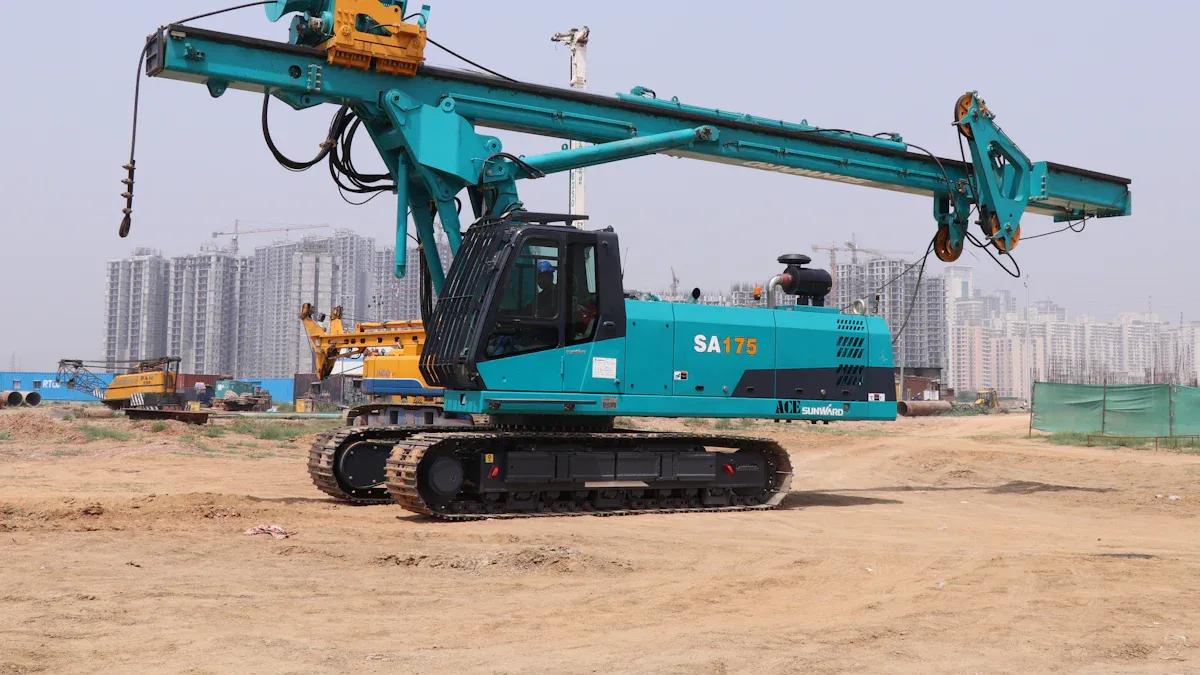
Trenchless projects demand increased speed and efficiency. The "sustained transfer rate" is a critical metric for success. This blog examines projected transfer rates for new Horizontal Directional Drilling (HDD) machines in 2026. We anticipate rates of 20 to 50 meters per hour. CEGC's superior power systems and advanced guidance systems will significantly enhance transfer speeds, optimizing operations and improving HDD Horizontal Directional Drilling High Transfer rates.
Key Takeaways
-
New Horizontal Directional Drilling (HDD) machines will work much faster by 2026. They will finish jobs quicker.
-
Better power, smart guidance, and strong tools help HDD machines drill faster. This makes projects more efficient.
-
Ground conditions, operator skill, and machine care affect how fast HDD jobs go. Good planning helps keep speeds high.
What is a Steady HDD Speed?
What "Steady Speed" Means
Knowing how fast an HDD job goes is important. We talk about two kinds of speed. One is "peak speed." The other is "steady speed." Peak speed is the fastest a drill can go. It's only for a short time. Think of a car's top speed. But a job almost never goes that fast.
The "sustained transfer rate" is different. It's the average speed. This is for the whole job. It includes all the steps. This speed shows real progress. It helps with planning. It makes the job more efficient. A high steady speed means finishing faster. It uses resources better. This leads to hdd horizontal directional drilling high transfer.
How We Measure Steady HDD Speeds
Measuring steady speeds looks at the whole drilling. It's not just how fast the drill bit moves. Many things affect the steady speed. This includes the first pilot hole. Then, there's the reaming. This makes the hole bigger. Last, there's pulling the pipe. This puts in the new line.
Each step takes time. The steady speed includes all this time. It also counts pauses. It counts adjustments too. For example, changing drill bits takes time. Adding new drill rods takes time. Tracking these things helps. It shows the real transfer speeds. This helps managers plan better. It makes work more efficient.
New Tech for 2026 HDD Speed
New Horizontal Directional Drilling (HDD) machines will be better. Many new technologies make this happen. These changes help drills work faster. They also make them more reliable. This leads to better project results.
Better Power Systems
Modern directional drilling machines have stronger engines. They use better hydraulic systems. More power goes to the drill bit. This helps drill faster. It works through tough ground. More rotary torque turns drill rods. This makes drilling quicker. It also makes it smoother. These powerful systems help reach higher transfer speeds.
Accurate Guidance Systems
Keeping the drill on track is key. Mistakes cause delays. They also cost extra money. CEGC's system helps avoid problems. It uses load-matched control. This system manages thrust. It also manages pullback. It controls rotation. It has a strong frame. This frame reduces shaking. It keeps the drill steady. The system connects with tracking tools. This keeps the drill on course. It stops it from going off-line. It also stops it from going off-grade. This is important for roads. It matters for rivers too. It helps with other utilities.
Anti-Stall and Overload Protection
A stuck drill pipe is a big problem. It costs time. It costs money. Torque spikes can damage rods. They can damage tools. CEGC's system stops these issues. It gives high torque. This helps the drill move. It has many speeds. The system senses hydraulic loads. It manages pressure. This stops sudden halts. It controls how power starts. It also controls how it stops. This reduces shock on rods. It reduces shock on tools. This means less damage. It means more steady output. This makes things more efficient.
Smart Fluid Management
Drilling mud is very important. Bad mud causes problems. Pipes can get stuck. Frac-outs can happen. This is when mud escapes. CEGC's system helps. It has better ways to mix mud. It recycles mud. It delivers drilling fluids. This system makes the bore stable. It removes cuttings. This stops bad fluid work. It lowers frac-out risk. Good fluid care is key. It helps with smooth drilling.
New Tools and Strength
Drilling tools are getting better. This includes drill bits. It includes reamers. Other downhole tools are better too. They are stronger. They work better. Companies use smart tools. They are automated. These tools have sensors. They use data. They even use machine learning. This helps them work better. It reduces problems. AI helps make drill bits better. It helps with MWD systems. These systems are now common. They track how things work. They make changes when needed.
Stronger materials are being used. These materials last longer. Advanced drill bits drill faster. PDC and TCI bits last longer. New smart hybrid bits are coming. They mix design with data. They can change how they work. This happens as ground changes. Modular drill bit platforms allow changes. This helps when rock changes.
AI-based drill bit systems are being made. Bit Sense Energy uses AI. It helps with real-time drilling. Their systems use digital sensors. They use machine learning. They watch for vibrations. They watch for torque. This helps reduce wear. It stops tools from breaking. Reconfigurable stabilizers are also being made. Deep Track Tools makes these. They can change shape. This helps control wells.
Reamers are also getting better. They are used more in drilling. They keep the wellbore stable. They stop vibrations. This is key for long bores. CEGC's package helps too. It works with many reamers. It gives smoother torque. This reduces tool wear. This package lowers costs. It makes tools last longer. This makes projects more efficient.
Real-World HDD Transfer Rates and Factors
Projected Rates by HDD Machine Class
New Horizontal Directional Drilling (HDD) machines will be very fast. This will happen by 2026. How fast depends on their size. It also depends on their power. Different machines will work at different speeds.
-
Compact/Small-Class HDD Machines (under 30,000 lbs thrust): These small drills are good for cities. They do shorter jobs. We think they will go 15 to 30 meters per hour (50 to 100 feet per hour).
-
Mid-Range HDD Machines (30,000-100,000 lbs thrust): These machines are useful. They work on many jobs. They should go 25 to 45 meters per hour (80 to 150 feet per hour).
-
Large/Maxi-Rig HDD Machines (over 100,000 lbs thrust): These big drills do the largest jobs. They work over long distances. They also handle big pipes. They could go 35 to 60 meters per hour (115 to 200 feet per hour).
These numbers show how fast hdd horizontal directional drilling high transfer can be. They show new technology helps.
Ground Conditions and Geology Impact
The ground itself changes how fast a drill works. Soil type matters. Rocks matter. Water in the ground matters. All these change the speed.
The ground can be rock, sand, or clay. This changes how well an HDD job goes.
For example, drilling in soft clay is fast. Sand can be hard. It can fall in. You need to manage fluids well. Rocks are the hardest. They make drilling slow. Workers must use special tools. They use special ways to drill.
To drill in hard ground, workers drill a small hole first. This helps them know the ground. Then they pick special drill bits. They choose the right methods. This helps the Horizontal Directional Drilling (HDD) work well. This is true even in tough ground. Water in the ground can also cause problems. It can make the hole weak. It can make drilling fluid get lost. Managing these things helps keep transfer speeds high.
Operator Skill, Maintenance, and Project Scope
People are important for machines to work best. A good worker makes a big difference. They know what the machine can do. They can change for different ground. This helps keep the work steady.
To make machines work best, HDD workers need good training. This training includes:
-
Learning in a Classroom:
-
Machine Parts: Learn about the 45 Ton HDD Drilling Machine. Know its parts. Know how they work together.
-
Drilling Rules: Learn different ways to drill. Learn about ground types.
-
Safety Rules: Follow all safety rules.
-
-
Hands-on Practice:
-
Using the Machine: Practice using the machine. A supervisor will watch.
-
Drilling Practice: Actually drill. Set up. Drill a small hole. Make the hole bigger. Pull the pipe. Fix common problems.
-
Taking Care of Machine: Check oil. Check hoses. Do small repairs. This makes the machine last.
-
-
More Training Options:
-
Hard Drilling: For experienced workers. Learn about drilling under rivers. Learn about long drills. Learn about hard ground.
-
New Machine Parts: Learn about new things in HDD. This helps use new machine features.
-
Taking care of machines is also key. Machines that are cared for work well. They break down less. This keeps work steady. It stops delays.
Lastly, the job size changes the speed. Longer holes take more time. Bigger pipes need more reaming. The type of pipe matters too. All these things together decide the real speed.
New HDD machines will be better by 2026. They will move faster. Better power helps. Good guidance helps. Anti-stall systems help. Strong tools help. Projects will be quicker. They will cost less. This helps CEGC clients. Knowing these things helps. It makes drilling better.
FAQ
What is the main benefit of a high sustained transfer rate?
Projects finish faster. This saves money. It makes things better for CEGC clients. 🚀
How do new technologies improve HDD transfer rates?
Better power helps. Good guidance helps. Anti-stall systems help. Better fluid care helps. These make drilling faster. They make it more reliable.
What factors can slow down HDD transfer rates?
Ground conditions matter. Operator skill matters. Machine care matters. Project size matters. All these change drilling speed. Manage them well.


