
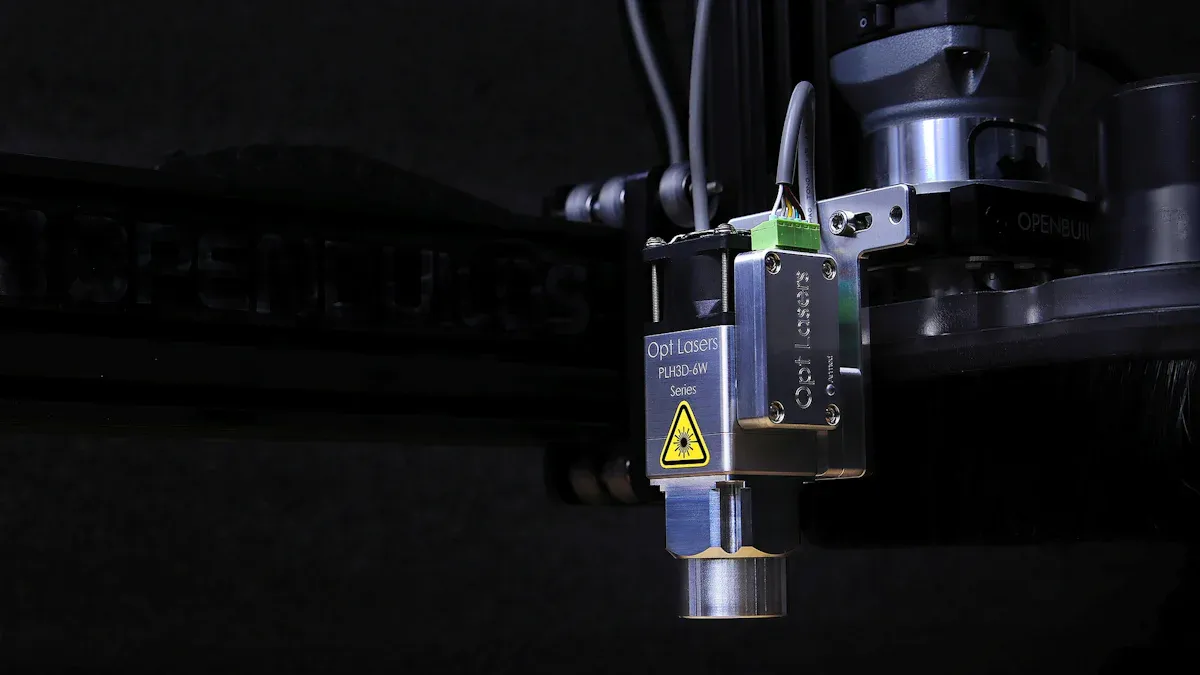
By 2026, you will see HDD Machine 0.1° Precision Hits Target Every Time. CEGC made big steps in angle control technology. This makes it very accurate. This accuracy means no more missed targets. It also means no expensive re-drills. This changes underground projects a lot.
Key Takeaways
-
New HDD machines will hit targets. They will have 0.1-degree accuracy. This will happen by 2026. Drilling will be very precise.
-
This high accuracy stops expensive mistakes. It also stops project delays. This saves money. It also saves time.
-
Advanced technology helps these machines. Smart sensors and AI are examples. They stay on track. They adapt to ground changes.
Why 0.1° Precision is Important for Today's HDD
Current Precision Problems and Their Effects
Today's HDD has big problems. Bores often go off track. They can also fail to cross correctly. A bore that is off causes trouble. You pay more for fixes. You also get penalties. Projects get delayed. This cannot be avoided. Think about crossing roads. Or railways, rivers, or pipes. These need great accuracy. Old ways depend on the operator. This makes results uneven. You need accuracy every time. Not just on good days.
Money and Work Benefits of Super Accuracy
Getting 0.1° precision changes your work. You stop bore problems. This accuracy stops expensive fixes. You avoid money penalties. Project times become clear. Imagine crossing tough spots easily. Your team will have fewer delays. This precision also lowers damage risk. You get a big edge over others. This accuracy makes every bore perfect. It hits the target always.
Advanced Angle Control: Achieving HDD Machine 0.1° Precision
Getting HDD Machine 0.1° Precision Hits Target Every Time needs new tech. Systems must work well together. These controls change how you drill.
Real-Time Sensor Fusion and AI Guidance
You can guide your drill very well now. CEGC’s "Precision Guidance & Stability System" does this. It uses load-matched control. It links thrust, pullback, rotation, and feed. This makes movement smooth. A strong frame and good alignment also help. They stop shaking and drifting. This keeps your drill straight. The system can add tracking. You can also add data logging. You can add process control too.
New guidance uses good sensors. These sensors work with wires. They fit into your work easily. GPS and GNSS give real-time location. This is for the drill head. It is also for start and end points. Gyrocompasses and inclinometers measure drill head angle. They measure tilt inside the hole. MW locators track buried pipes. This stops damage. 3D software puts all data together. It makes a virtual model. This shows your drill path. It shows the area around it.
EM telemetry systems work with many sensors. You can change how they work. You can change how fast they send data. You can pick what data to send. These systems save data. They store it in flash memory. You can get it later. They can even collect data faster. They send it in groups. Smart EM systems pick sensors. This includes magnetic sensors. You can use normal guidance. It uses math like wired systems. Checking pressure is a main use. An EM system with a pressure sensor tracks pressure. It tracks it all the time. This lets you act fast. You can act if pressure drops.
Next-Generation Steering and Actuation
You need more than smart sensors. You need good steering systems. You also need actuation systems. These turn guidance into movement. They react to data. They make small changes. This keeps your drill on path. New hydraulic systems are faster. They are more precise. They react fast to ground changes. They also react to steering commands. This quick response is key. It keeps 0.1° precision. You get smoother work. Your equipment lasts longer. This gives better results.
Predictive Modeling and Digital Twin Integration
You can know ground conditions early. This is before you drill. Predictive modeling helps you drill better. This is true in tough ground. A combined method is used. It uses PINN and DRL. This predicts wellbore stability. It also makes it better. This system gives very good predictions. It also controls drilling fluid. It handles problems like seepage. It handles heat, water, and mechanics. The STWM-PINN uses physics equations. It puts them in its loss function. This makes predictions correct.
A DRL system then uses network outputs. These include pore pressure. They include temperature and water content. They also include stress. You can change drilling fluid. You can change its density. You can change its thickness. You can change its temperature. A reward function combines things. It combines instability risk. It combines smooth control. It combines physical limits. This makes a physics-based goal. The DN-SAC algorithm makes policy better. This helps explore complex settings. This process creates a plan. It is for drilling fluid. It makes the open hole stable longer. It also lowers instability risk. This helps make smart drilling fluid choices.
Other ways also make drilling better. The NOA-LSTM-FCNN method combines things. It uses NOA. It uses LSTM. It uses FCNN. This predicts drilling path. This method uses LSTM. It finds long-term data patterns. FCNN handles complex mapping. It also finds features. NOA makes settings better. This method predicts very well. It works better than old ways. This improves path prediction. It works in complex ground. These methods ensure your HDD Machine 0.1° Precision Hits Target Every Time.
Stopping Misses: How 0.1° Precision Hits Target Every Time
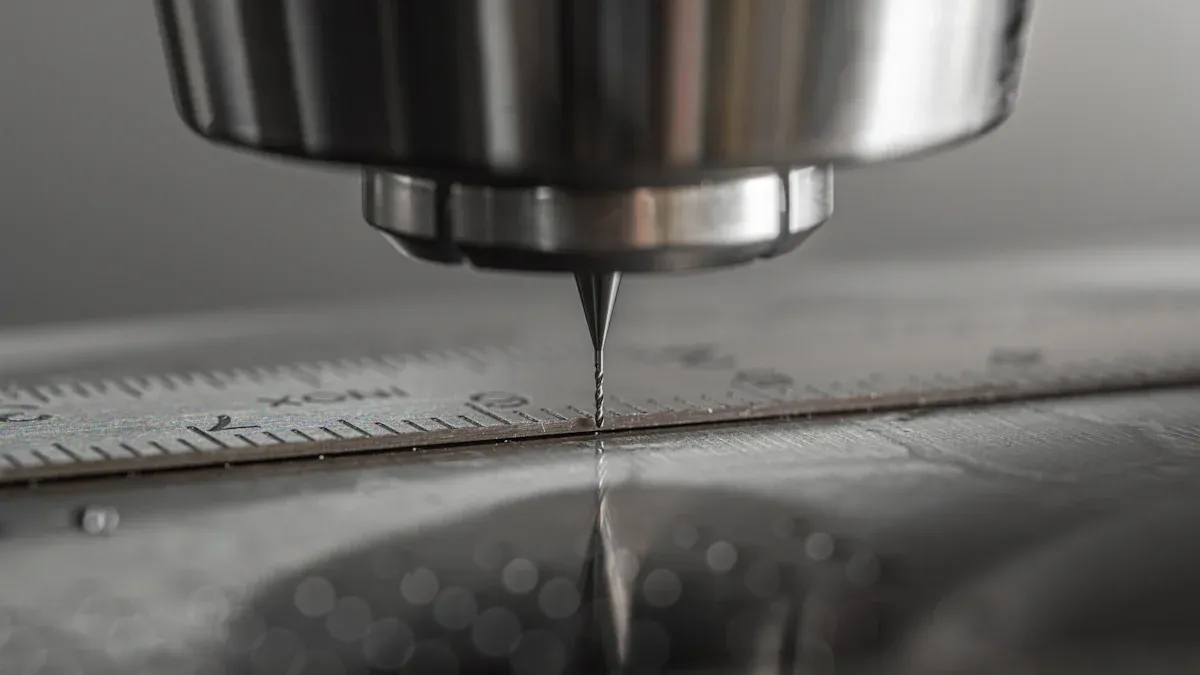
HDD Machine 0.1° Precision Hits Target Every Time. It solves many problems. This accuracy makes projects run well. You avoid costly mistakes.
Eliminating Cumulative Bore Error
Small errors cause big problems. This is true over distance. A tiny mistake can grow. It can cause a big miss. This happens without constant fixes. 0.1° precision stops this. Your machine watches its path. It makes small changes. This stops errors from adding up. The bore stays on track. The drill head arrives exactly right.
Dynamic Course Correction and Adaptive Drilling
Your drill system must change. It adapts to ground changes. The ground is rarely the same. Dynamic course correction helps here. The system watches conditions. It makes changes in real-time. This keeps precision.
You can use different tools. You can use adaptive teeth. These cut well in all conditions. You also watch for warning signs. Look for slipping. Look for vibration. Look for uneven cut depth. These show equipment problems. This stops bad work. It stops stress on parts.
Modern rigs use hybrid drill bits. These work in hard and soft ground. You must watch them closely. This stops early wear. Drillers can make changes fast. You change speed. You change pressure. You can even swap tools. This helps with changing ground. Real-time checks give instant feedback. You see pressure. You see how fast you drill. You see bit wear. This lets you change methods fast.
Your machine tracks things in real-time. It watches torque. It watches thrust. It watches rotation speed. It watches penetration rate. This finds blocks or soil changes. You can make changes right away. You also change drilling fluids. Use polymer fluids for loose sand. This stops collapse. Use bentonite for swelling clays. This fights pressure. Fluid thickness changes with soil. Hot fluids work in frozen soil.
Sometimes, you need temporary casings. Put these in unstable soil. This includes wet sand or soft mud. This stops collapse. It keeps things straight. Telescoping casings work for deep holes. This is for soil changes. You also change drilling speed. Go slower in sticky clay. This stops the hole from squeezing. Go faster in loose sand. Moderate speeds work in rocky soil. This saves the bit. In broken soil, use low-pressure grout. This makes holes stable. It fills gaps with cement. This happens before or during drilling.
CEGC’s "Anti-Stall Powertrain & Overload Protection" also helps. It gives high power. It has hydraulic sensing. It has controlled start and stop. This lessens shock on rods and tools. This system helps work smoothly. It stops stuck pipes. It stops power spikes. These could throw your bore off.
Enhanced Operator Interface and Automation
A good operator interface helps you. It helps you make decisions fast. This ensures HDD Machine 0.1° Precision Hits Target Every Time.
Your interface is easy to use. It makes drilling clear. Advanced analysis uses old data. This helps you drill faster. Real-time checks use live data. It tracks things like energy used. It tracks drilling speed. This allows fast changes. You drill better. A dashboard helps you manage data. You track work. You manage risks in real-time.
The screen shows important info. You see cycle count. You see head status. You see maintenance needs. Lights give visual clues. This helps you know more. RFID and sensors are also key. They recognize the head automatically. They ensure safe clamping. You can activate tools by location.
Touch screens offer easy access. You control machine functions. You change settings. You watch in real-time. Clear pictures show paths. They show machine status. They show process settings. This helps fast decisions. High-res screens have multi-touch. You move 3D models directly. This stops setup errors. It ensures correct placement.
Your easy interface helps engineers. You see data and ideas easily. Custom dashboards give fast access to key numbers. This lets operators make smart choices quickly.
CEGC’s "Tooling Compatibility & Durability Package" also helps. It works with many reamers. It gives smoother power. This reduces shaking. This reduces uneven wear. This package ensures good bore quality. It stops problems that cause misses. Also, CEGC’s "Mud Integration & Fluid Management Solution" is key. It helps size pumps. It ensures filter readiness. It promotes good mud use. This keeps the bore stable. It prevents frac-out. Frac-out can hurt precision. It can cause misses.
The Future of HDD: 2026 and Beyond
New Project Possibilities and Industry Standards
New drilling is coming. It is for horizontal directional drilling. The 0.1° precision helps a lot. It opens many new projects. You can drill in cities. You can drill through tough ground. You can do this with no worries. This accuracy makes paths tighter. It harms nature less. It causes less mess on top. You will meet strict rules easily. This precision will be the new normal. It will change building projects. CEGC machines will lead this. They set high standards. They are accurate and reliable.
Training and Adoption Challenges
Using this new tech has problems. You must pay for new training. Your workers need to learn these systems. They must read live data. They must learn new steering. Putting these machines into work needs thought. You will need to change how you work. Getting past these issues helps you. It helps you use all the benefits. This makes sure your team can drill well. It keeps you ahead of others.
By 2026, HDD machines will be very precise. They will hit targets with 0.1° accuracy. This is a big change. New tech helps. It uses better angle control. It mixes sensor data. It uses AI. This stops missed targets. This new accuracy makes work better. It opens new chances. You can build more things. Every drill will hit its spot. It will hit it every time.
FAQ
What does 0.1° precision mean for my HDD projects?
You get exact bore paths. This stops mistakes. Your drill hits the target. It does this every time. This makes projects better.
How does this precision impact project costs and timelines?
You avoid expensive re-drills. You avoid penalties. This lowers project costs. You finish projects faster. They are more predictable.
How does CEGC technology contribute to this accuracy?
CEGC's "Precision Guidance & Stability System" uses smart controls. It links thrust, rotation, and feed. This gives you great stability. It gives you accuracy.


