
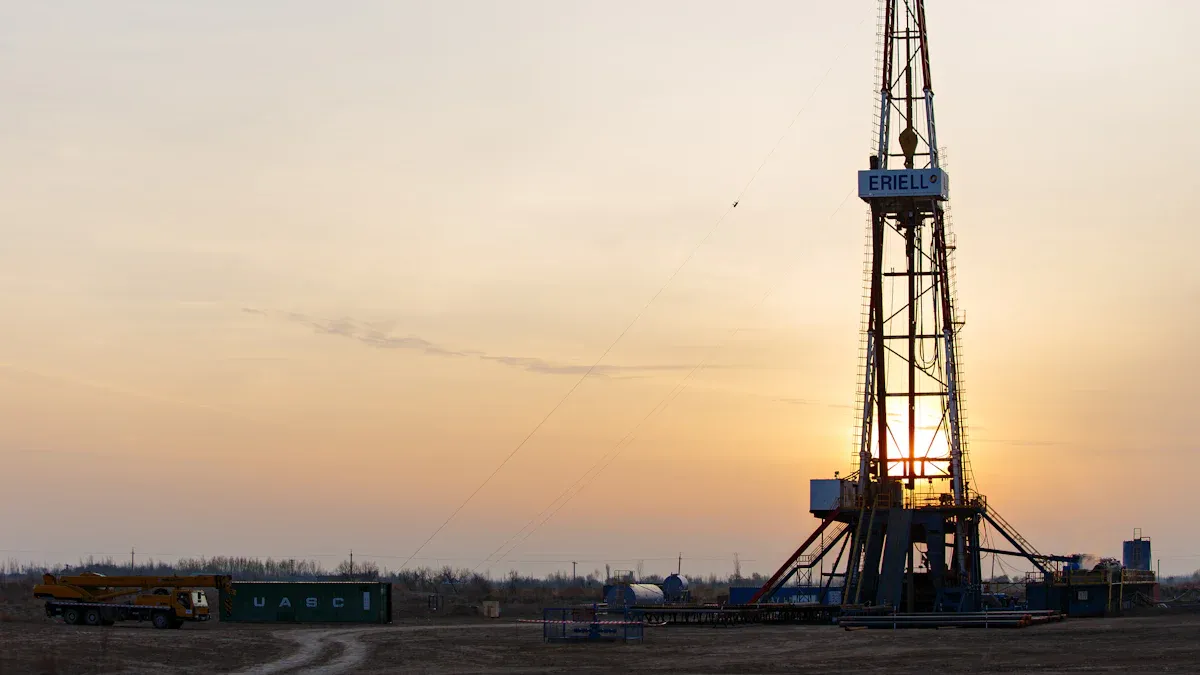
You can reach 50m layer penetration with advanced horizontal directional drilling. CEGC gives standard specs and custom options for each project. You may have problems like bore deviation, stuck pipe, tool wear, and fluid management. Good hdd tools and reverse circulation drilling help keep your drilling steady and efficient. HDD Machine 50m Layer Penetration Powers Through.
Key Takeaways
-
Advanced horizontal directional drilling (HDD) can go through 50m layers. This makes it good for hard ground.
-
Using the right tools and systems, like mud motors and rotary steerable systems, helps drilling stay accurate and steady.
-
Good planning and watching data as you drill make the work safer and faster. This lowers the chance of the hole moving or tools breaking.
HDD Machine 50m Layer Penetration Powers Through
Key Capabilities
You need a strong machine to drill deep. The hdd machine 50m layer penetration can go through hard ground. It uses smart designs and good systems. CEGC gives you normal specs and lets you change things for your job. You can pick the torque, thrust, and rod system you need. This helps you match the machine to your ground and how far you need to drill.
You get tools that track and log data as you drill. These tools help you watch every step. You can use the ParaTrack System, Gyro Module, and Steering Tool to guide the drill. The Pressure Module and P2 AC Wire Guidance keep your drilling on track. The Beacon Tracker and At-Bit Inclination Assembly give you more control. RivCross Software puts all your data in one place so you can see it easily.
Tip: Changing your directional drilling machine for each job makes it more accurate and safer.
New technology makes drilling faster and better. You can use AET with AI to make better plans. Machine learning models like ANN, RF, and SVR help you guess how fast you can drill. AI and deep learning let you change things as you work. Real-time data and torque models keep your drilling smooth.
Precision & Stability
You want your bore to stay straight and at the right depth. The hdd machine 50m layer penetration does this with smart guidance systems. These systems help you avoid mistakes and crossing problems. You can use mud motors near the drill bit to turn. Rotary Steerable Systems let you drill and steer at the same time. Multi-shot cameras in the drillstring send pictures to the surface. Networked or wired pipe sends sensor data right away.
-
Mud Motors: Change the drill bit angle with fluid.
-
Rotary Steerable Systems: Drill and steer at once for better control.
-
Multi-Shot Cameras: Take pictures for checking.
-
Networked or Wired Pipe: Send sensor data to the surface.
You can also control fluids with the right mud system. The hdd machine 50m layer penetration uses good mud management. Here are two common systems:
|
System Name |
Capacity |
Key Features |
|---|---|---|
|
< 200 GPM |
Makes mud treatment better, saves money, good for HDD jobs. |
|
|
KSMR-200 |
< 200 GPM |
Small size, two-stage screening, works well, saves space. |
You should always check the soil, rock, and water before you drill. Using the right drilling fluid keeps the hole safe and handles cuttings. Smart drill heads and reamers keep the hole straight and protect your tools. Watching pressure, torque, and fluid flow helps you make changes right away.
Powertrain & Protection
You need a strong powertrain for deep drilling. The hdd machine 50m layer penetration uses anti-stall and overload protection. CEGC machines have high-torque and a wide RPM range. Hydraulic load sensing and pressure control protect your rods and tools. Slow start and stop help avoid shocks.
You can pick a “rock package” for hard ground. This has cooling, filtration, extra torque, and tough parts. The machine works with normal tool parts. You can choose the rod size, tool joint, and wear protection for your ground and pdc tooling.
Pdc tools are important for deep drilling. You can use blade, fluted, rock, or barrel reamers. Smooth torque means less shaking and tool damage. Easy access lets you change pdc tools fast. This keeps your machine working and saves time.
Pdc tool wear is a big problem. The hdd machine 50m layer penetration works better when you use the right pdc tool for the ground. You get cleaner holes and less risk when pulling back. You also spend less money for each meter drilled.
Taking care of drilling fluids is good for the environment. If fluid leaks out, it can cause problems. You can control fluid pressure and follow depth rules to stop leaks. Reverse circulation drilling helps control fluid and keeps the site clean. You should always use a good mud plan and watch your drilling closely.
Reverse circulation drilling also keeps the hole stable. It helps you handle cuttings and keeps the hole open. You can use reverse circulation drilling with pdc tools for better results at 50m depth.
The hdd machine 50m layer penetration works well because it has strong power, smart safety, and the right pdc tools. You get good results, less downtime, and better projects.
Technical Solutions & Drilling Methods
Reverse Circulation Drilling
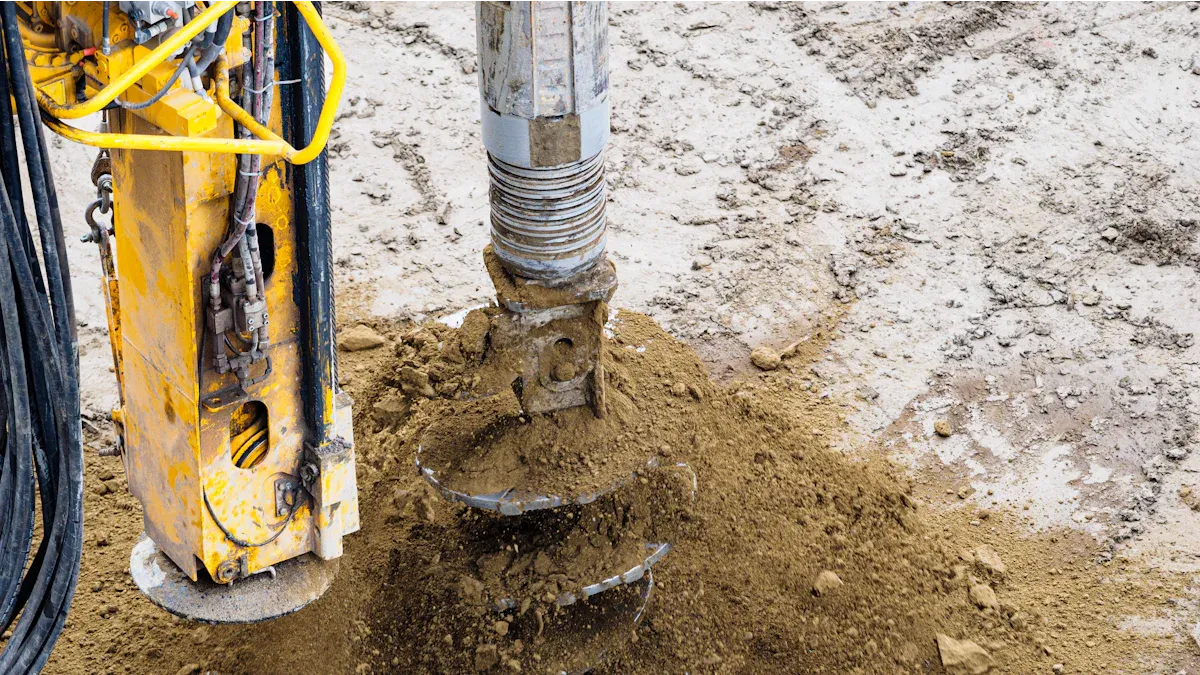
Reverse circulation drilling helps you reach deep layers. This method moves cuttings up to the surface fast. Compressed air pushes the cuttings inside sealed pipes. This keeps other layers from mixing in. You can drill faster in hard rock and shale. The borehole stays stable and you lose less fluid. There is less chance of leaks or the drill getting stuck. This method stops scouring and keeps the hole open. Reverse circulation drilling makes your project safer and easier.
-
Samples stay clean inside sealed pipes.
-
You drill faster in hard formations.
-
You reduce fluid loss and keep the borehole stable.
-
You avoid stuck pipe and collapse problems.
Tooling & Fluid Management
You need the right tools for drilling rock and shale. Pick rock drilling bits with lots of carbide cutters. These bits are good for backreaming in shale. Choose bits that fit the soil and space you need. The best bits for shale cut and grind fast. Know your bore path before you start drilling. Use bits made for the ground you will drill. Good mud management keeps drilling smooth. Use machines with mud pumps and jet nozzles built in. Change the speed to fit your project. A rubber crawler system helps on rough ground. This setup lets you drill rock and shale with less risk.
-
Choose bits with many carbide cutters.
-
Use high rotational speed for cutting.
-
Match bits to soil and clearance needs.
-
Plan mud management with built-in pumps and jet nozzles.
Project Planning
You need a good plan before you drill rock or shale. Start with a geological check to see the soil and pick fluids and bits. Map out where pipes and wires are to avoid problems. Check the land for water and other risks. Make sure you have permission to use the land. Look at roads and drains to see if they will be affected. This planning helps you set up your horizontal directional drilling machine for each job. You get better results and fewer problems.
|
Step |
Description |
|---|---|
|
Geological assessment |
Check soil for fluid, bit, and drilling parameters. |
|
Utility mapping |
Use records and locate services to find conflicts. |
|
Environmental survey |
Identify water tables and contamination risks. |
|
Property access verification |
Get permissions from landowners. |
|
Existing infrastructure evaluation |
Assess roads and drainage for impact. |
Tip: Careful site checks and planning help you drill rock and shale with less risk.
You can see how CEGC horizontal directional drilling machines work in real projects.
-
These machines are used for city, power, and telecom jobs.
-
They drill smoothly even in hard shale.
-
They help you stay accurate when drilling through shale.
-
You spend less money because tools last longer in shale.
-
You stop the bore from going off track in shale.
-
You finish drilling faster when working in shale.
-
You get ready for future shale drilling with new ideas.
Careful planning and new technology make drilling through shale safer and more successful.
FAQ
How do you keep the bore straight at 50m depth?
You use guidance systems and real-time tracking. These tools help you control the drill path and avoid bore deviation.
What tools help you drill through hard rock?
You choose blade, fluted, rock, or barrel reamers. High-torque power and anti-stall features protect your tools and keep drilling smooth.
How does CEGC manage drilling fluids?
You get mud pumps and filtration systems. These keep fluid pressure steady and help prevent leaks or stuck pipe.


